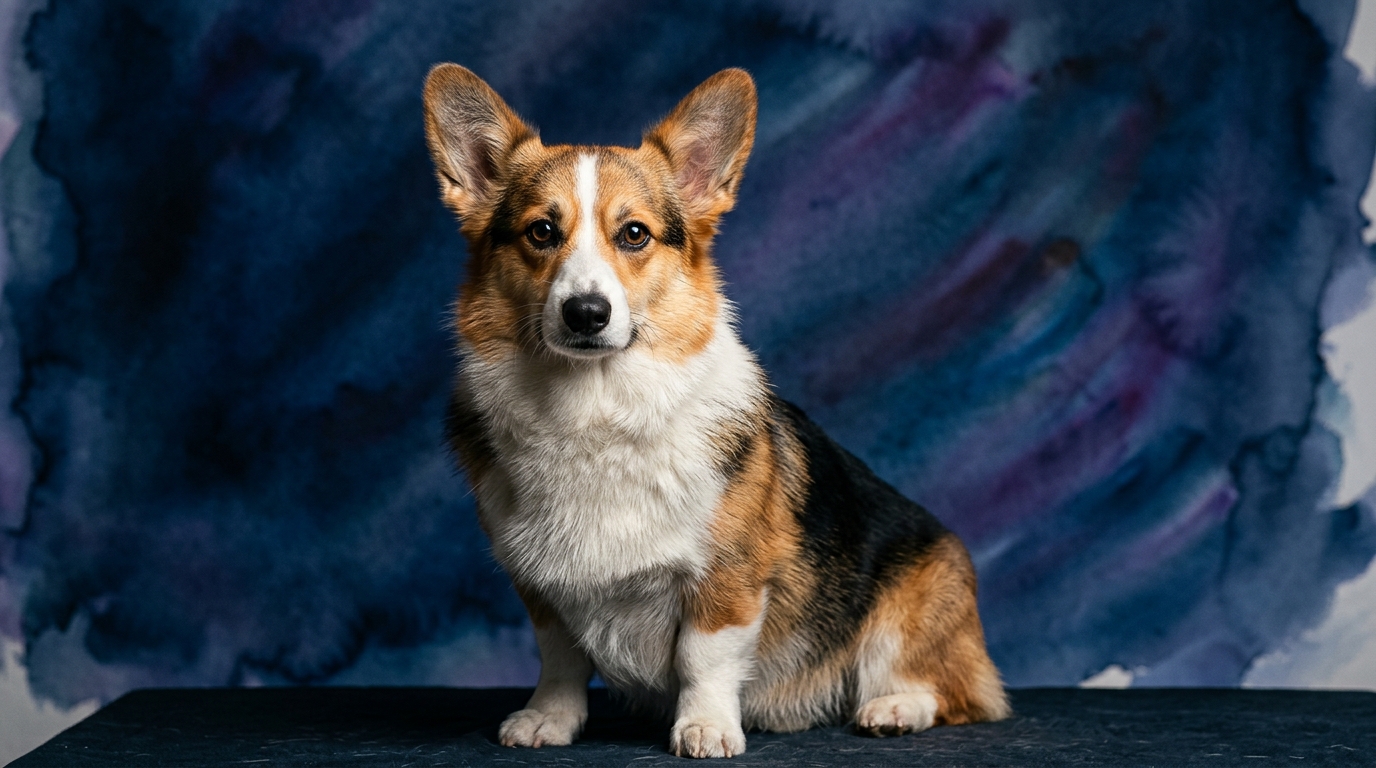
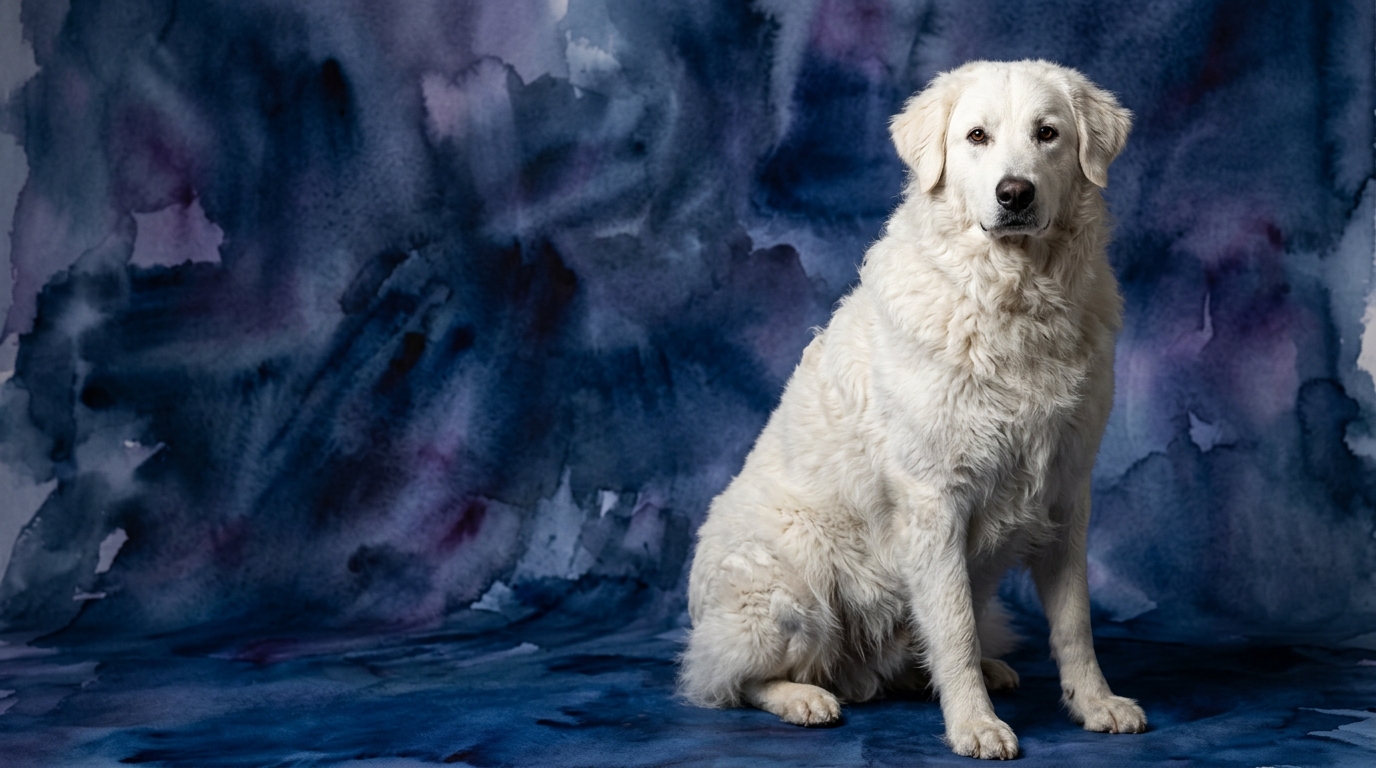
Side-by-Side IQ Profile: Corgi vs. Kuvasz
The Cosmic Pet Pet IQ Lab provides a nuanced view of canine cognition across five dimensions. For the Pembroke Welsh Corgi, a Herding breed ranked #11 by Coren, its profile reflects an agile mind built for dynamic interaction. Its Problem Solving is 4/5, indicating an adeptness at navigating complex situations and finding creative solutions, whether outwitting livestock or solving puzzle toys. Training Speed is 5/5, showcasing exceptional responsiveness and quick grasp of new commands, eager to perform tasks for human companions. Social Intelligence stands at 4/5, reflecting a keen understanding of social cues, adapting well to various dynamics and forming strong bonds. Its Instinctive Drive is 5/5, with powerful herding instincts manifesting as a strong desire to gather and manage. Finally, Memory is 4/5, retaining learned information and experiences effectively for consistent performance.
In contrast, the Kuvasz, a Working breed ranked #42, presents a cognitive profile tailored for independent guardianship. Its Problem Solving is 3/5, capable of assessing situations, particularly regarding guardian duties, though they might approach novel problems with deliberate methods rather than immediate ingenuity. Training Speed is 3/5, meaning they learn at a moderate pace, requiring patience and consistency, as their independent nature often leads them to process commands through their own assessment. Social Intelligence is 3/5, as they observe interactions with a discerning eye, forming deep bonds with family but often reserved with strangers, prioritizing protection. The Instinctive Drive is 3/5, with pronounced guarding instincts driving them to protect territory and family, manifesting as watchful vigilance and deterrence. Notably, its Memory is 4/5, showing robust recall for people, places, and routines, crucial for a consistent and reliable protector.
Where the Pembroke Welsh Corgi Wins Cognitively
The Pembroke Welsh Corgi's superior Training Speed (5/5 versus Kuvasz's 3/5) makes them exceptionally quick learners. They absorb new commands and behaviors with remarkable alacrity, often mastering tasks in fewer repetitions and adapting readily to diverse training disciplines, from basic obedience to advanced agility.
With a Problem Solving score of 4/5, Corgis typically demonstrate more ingenious approaches to overcoming obstacles. Their herding background honed an ability to think on their feet, assessing dynamic situations and adjusting tactics, which translates into a knack for solving puzzles or devising strategies to achieve their goals.
The Corgi's higher Instinctive Drive (5/5) translates into a more proactive engagement with their environment. This often makes them highly responsive to handler direction in a cooperative working context, as their instinct is to gather and control under guidance, eager to receive direction.
Displaying enhanced Social Intelligence (4/5), Corgis generally possess a greater openness and understanding of diverse social dynamics. They tend to integrate more smoothly into varied social settings, reading subtle cues from both humans and other animals, making them versatile companions in bustling environments.
Where the Kuvasz Wins Cognitively
Both breeds share a robust Memory score of 4/5, but for the Kuvasz, this translates into an unwavering consistency crucial for its guardian role. They reliably retain knowledge of their territory, family members, perceived threats, and established routines over extended periods, making them consistently dependable in their protective duties.
While their Problem Solving is rated 3/5, the Kuvasz excels in autonomous decision-making specifically related to protection. They possess a deep-seated ability to assess potential threats and act independently to safeguard their charges, often without direct human command, relying on centuries of instinctual judgment.
The Kuvasz's Instinctive Drive (3/5), though numerically lower than the Corgi's, is perfectly calibrated for its primary purpose: vigilant protection. This drive manifests as a profound commitment to their family and territory, leading to unwavering loyalty and a natural aptitude for guarding, a highly specialized cognitive strength.
The Kuvasz's Social Intelligence (3/5), while more reserved, is highly functional and discerning. They are adept at distinguishing between trusted family members and potential intruders, forming incredibly strong, focused bonds with their immediate circle. This deliberate approach ensures they remain vigilant and unswayed from their primary protective responsibilities.
Which is Easier to Train and Why
The Pembroke Welsh Corgi is generally considered significantly easier to train due to its superior Training Speed (5/5) and higher Problem Solving (4/5) and Social Intelligence (4/5). Corgis are eager to please their handlers and quickly connect actions with rewards, making them highly receptive to command learning. Their herding background instilled a desire for cooperative work, allowing them to interpret cues and respond promptly. In contrast, the Kuvasz, with a Training Speed of 3/5, demands more patience and consistency. Their independent, guardian nature means they often evaluate commands based on their own judgment, rather than offering immediate compliance. This manifests as a more deliberate learning process, where they need to understand the 'why' behind a command and are less inclined to perform repetitive tasks, often prioritizing protective instincts over rote obedience.
Which Suits Active Owners vs. Relaxed Owners
The Pembroke Welsh Corgi, despite its compact size, generally suits active owners who can channel its high Instinctive Drive (5/5) and Problem Solving (4/5) into productive activities. Their herding background means they thrive on mental and physical engagement, requiring daily walks, puzzle toys, and consistent training to prevent boredom. They enjoy being involved in family activities and can excel in various dog sports. The Kuvasz, while needing regular exercise, might suit owners who appreciate a watchful, independent companion rather than a constantly "on-the-go" partner. Their Instinctive Drive (3/5) is geared towards vigilance and protection, meaning they are content patrolling their territory and observing. They enjoy purposeful work but are less likely to demand constant, high-intensity engagement, making them suitable for owners who value a calm, protective presence and are prepared for a dog with a strong will and natural independence.
The Verdict
Choose the Pembroke Welsh Corgi if you seek a highly trainable, mentally agile companion eager to engage in diverse activities and thrives on cooperative work.
Opt for the Kuvasz if you desire a steadfast, independent guardian with a deep memory and a calm, protective demeanor, valuing loyalty over immediate obedience.
🧠 Find Your Pet's IQ Score
Our Pet IQ Lab assessment covers 25+ tests across 5 cognitive dimensions — personalized to your breed.
Take the Full IQ Test →Frequently Asked Questions
Does a Corgi's herding drive make them prone to nipping?
Yes, their strong instinctive drive (5/5) to herd can sometimes manifest as nipping at heels, particularly with children or other pets, mimicking their ancestral role of moving livestock. Early and consistent training is essential to redirect this natural behavior into appropriate outlets.
Is the Kuvasz difficult to socialize given its lower social intelligence score?
The Kuvasz's social intelligence (3/5) means they are discerning rather than universally outgoing; they form deep bonds with their family but can be reserved with strangers. Early, positive socialization is crucial to help them develop appropriate responses and distinguish between genuine threats and normal interactions.
How does memory (4/5 for both) impact daily life for these breeds?
A strong memory for both breeds means they consistently recall learned commands, routines, and experiences, contributing to their reliability. For the Corgi, it aids in consistent performance of tricks and obedience; for the Kuvasz, it ensures they remember who belongs and who doesn't, reinforcing their protective role.