Side-by-Side Cognitive Profiles: Corgi vs. Mastiff
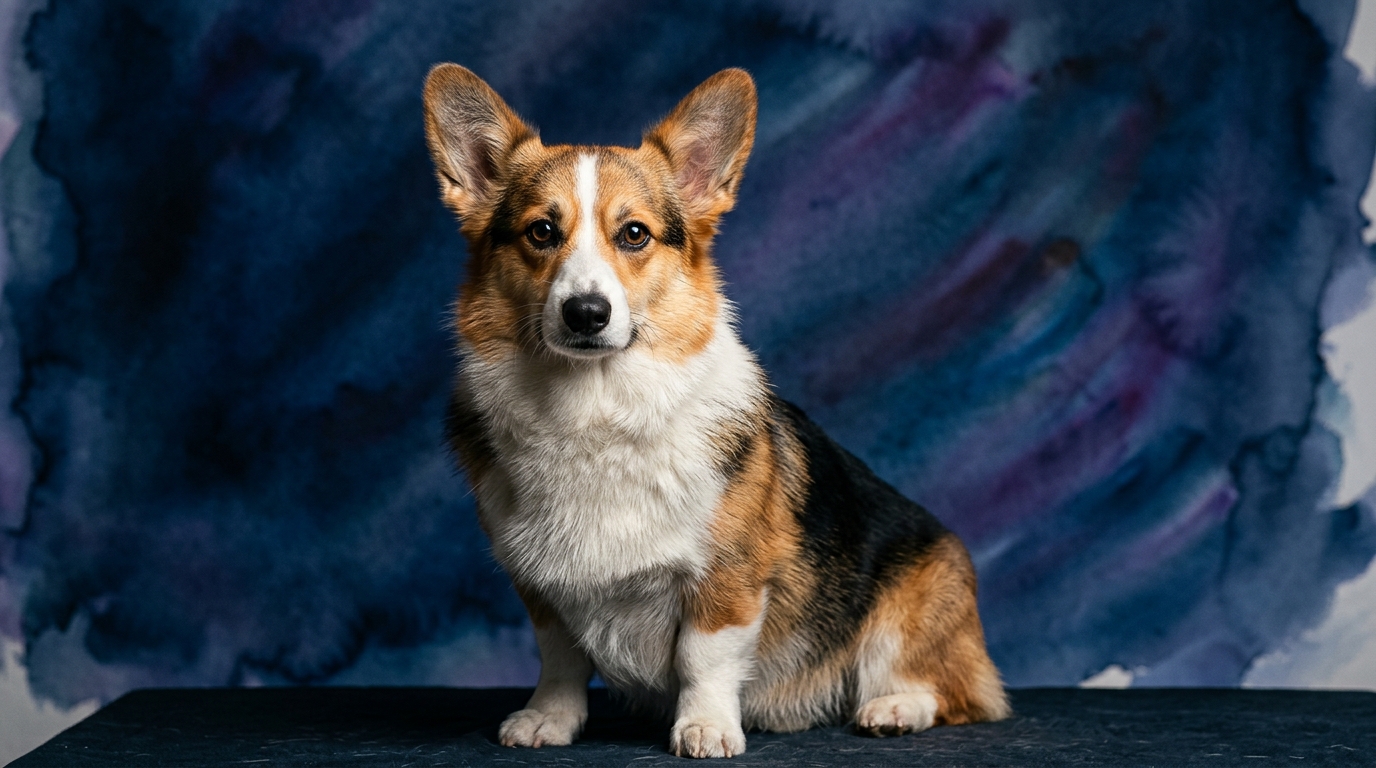
The Pembroke Welsh Corgi, a breed with a Coren rank of #11, presents a dynamic cognitive profile reflecting its heritage. Their problem-solving capacity registers at a strong 4 out of 5, indicating an aptitude for navigating challenges independently. Training speed is exceptional, scoring 5 out of 5, suggesting a quick grasp of new commands and routines. Social intelligence is also robust at 4 out of 5, allowing for nuanced interactions with humans and other animals. An intense instinctive drive, rated 5 out of 5, fuels their inherent herding behaviors, while their memory stands firm at 4 out of 5, supporting consistent learning and recall.
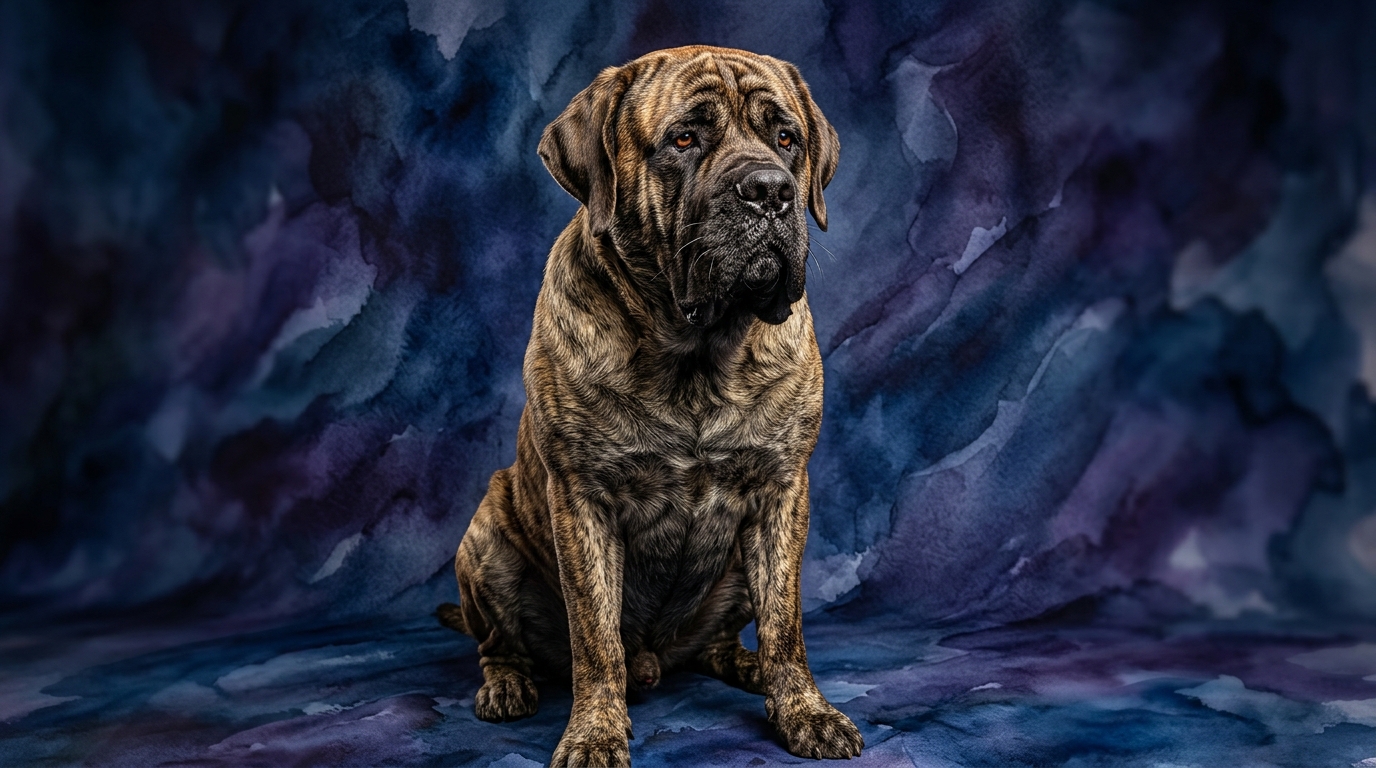
In contrast, the Mastiff, with a Coren rank of #72, exhibits a more measured cognitive approach across the board. Their problem-solving ability, training speed, social intelligence, instinctive drive, and memory all register a steady 3 out of 5. This consistent scoring suggests a temperament that values deliberation and stability over rapid response or intense drive. Their cognitive strengths lie in their consistent, if not lightning-fast, processing and learning, shaped by centuries of guarding and companionship rather than swift action.
The significant difference in Coren rankings, 11th for the Corgi versus 72nd for the Mastiff, immediately highlights a divergence in what traditional intelligence metrics often measure. The Corgi's higher scores in every category point to a breed designed for active engagement and quick decision-making, essential for managing livestock. The Mastiff's uniform scores, while not indicating a lack of capacity, suggest a more deliberate learning style and a focus on observation and steady application of knowledge.
Where the Pembroke Welsh Corgi Excels Cognitively
The Pembroke Welsh Corgi's cognitive strengths are particularly evident in its exceptional training speed, rated a perfect 5 out of 5. This rapid learning curve stems from their historical role as cattle drovers, where quickly understanding and executing commands was paramount for maneuvering large animals. Their problem-solving ability, at 4 out of 5, complements this, enabling them to independently assess situations and adapt their herding strategies on the fly, such as finding the optimal path to guide a stubborn cow.
Their powerful instinctive drive, also a 5 out of 5, translates into a persistent work ethic and a strong desire to 'manage' their environment, whether that's a flock of sheep or a bustling household. This drive, combined with a robust social intelligence (4/5), means Corgis are adept at interpreting human cues and intentions, fostering a highly cooperative relationship with their handlers. They don't just follow commands; they often anticipate them, making them eager participants in various activities.
A strong memory, rated 4 out of 5, underpins their ability to retain complex sequences of commands and recall learned behaviors over long periods. This cognitive agility allows Corgis to excel in dog sports like agility and obedience, where quick thinking, precise execution, and sustained attention are rewarded. Their compact size belies a mind built for intricate tasks and dynamic interaction.
Where the Mastiff Shines Cognitively
While the Mastiff’s cognitive scores are consistently 3 out of 5, these numbers reflect a different kind of intelligence, one honed for guardianship and steadfast presence rather than rapid herding. Their problem-solving ability, at 3 out of 5, often manifests as thoughtful deliberation. A Mastiff might not solve a puzzle as quickly as a Corgi, but they approach it with patience and persistence, often relying on their physical presence and measured responses rather than quick, agile maneuvers. Their instinctive drive, also 3 out of 5, is geared towards protection and vigilance rather than active herding, meaning they are less prone to chasing or 'managing' unless a genuine threat is perceived.
The Mastiff's social intelligence, while rated 3 out of 5, is characterized by a deep, unwavering loyalty and a nuanced understanding of their immediate family's emotional states. They may not be as overtly demonstrative as some breeds, but their perception of human mood and their desire to offer comfort is profound. Their memory, also 3 out of 5, supports the retention of routines and the identification of familiar faces and places, crucial for their role in guarding. They build strong, lasting bonds and remember who belongs and who does not.
Their training speed, a solid 3 out of 5, indicates a breed that learns steadily and thoroughly, rather than quickly. Repetition and consistency are key, allowing them to internalize commands and expectations deeply. This deliberate learning style ensures that once a Mastiff understands a rule or command, it is rarely forgotten, contributing to their reliable and predictable demeanor. Their intelligence is less about flashy quickness and more about profound, enduring understanding.
Training Dynamics: Corgi's Eagerness vs. Mastiff's Steadfastness
Given the Corgi’s stellar training speed of 5 out of 5 and strong problem-solving skills, they are generally considered easier to train in terms of command acquisition. Their innate desire to work and their high instinctive drive mean they often view training as an engaging activity, a chance to fulfill their urge to 'do something.' Behavioral differences include their quick responses to cues, their aptitude for learning complex trick sequences, and their enthusiasm for repetitive tasks, often thriving on positive reinforcement and mental challenges.
The Mastiff, with a training speed of 3 out of 5, requires a different approach. They are not 'difficult' to train, but they demand patience, consistency, and a clear understanding of their slower, more deliberate processing. Behavioral differences manifest as a need for more repetitions to solidify a command, and a tendency to evaluate the 'why' behind a request rather than simply executing it instantly. Their training is less about speed and more about building a solid foundation of trust and respect, leveraging their desire for companionship.
For an owner seeking a dog that picks up new tricks rapidly and enjoys a fast-paced training regimen, the Corgi is often the more immediately rewarding choice. Conversely, an owner prepared for a longer, more structured training journey will find the Mastiff to be a deeply rewarding student, whose learned behaviors are remarkably stable and reliable once established. The Corgi's herding instinct might require redirection, while the Mastiff's protective instincts need careful socialization.
Matching Breeds to Lifestyles: Active Explorers vs. Relaxed Companions
The Pembroke Welsh Corgi, with its high instinctive drive and cognitive agility, is an ideal companion for active owners who relish engagement and mental stimulation. Their need to 'work' and their problem-solving aptitude mean they thrive in environments where they have tasks to accomplish, whether that's learning new commands, participating in dog sports, or even 'herding' family members. Owners who enjoy frequent walks, interactive play, and consistent training sessions will find the Corgi a spirited and eager partner, preventing boredom-induced behaviors.
The Mastiff, conversely, aligns beautifully with more relaxed owners who appreciate a steady, calm presence. While they require regular, moderate exercise to maintain their health, their cognitive profile doesn't demand constant mental gymnastics or high-octane activities. Their social intelligence and memory, while not top-tier, support a profound bond based on routine and quiet companionship. Owners who enjoy long, unhurried walks, peaceful evenings, and a dog whose primary role is a loyal, watchful presence will find the Mastiff an excellent fit.
It's not just about physical activity but also about cognitive energy output. The Corgi's mind is always seeking engagement, making them suitable for households that can provide consistent intellectual challenges. The Mastiff, while certainly capable of learning, is content with a more predictable and less demanding cognitive landscape, preferring to observe and be a steadfast part of the household rhythm. Their different intellectual leanings dictate distinct daily enrichment requirements.
The Verdict
Choose a Pembroke Welsh Corgi if you seek a quick-witted, highly trainable companion eager for mental challenges and active participation in family life. Their sharp cognitive abilities and strong drive make them excel in dynamic environments where consistent engagement is provided.
Opt for a Mastiff if you desire a steadfast, calm, and profoundly loyal companion who thrives on routine and quiet companionship. Their deliberate learning style and protective instincts make them a patient, watchful presence for owners who appreciate a more relaxed pace and consistent devotion.
🧠 Find Your Pet's IQ Score
Our Pet IQ Lab assessment covers 25+ tests across 5 cognitive dimensions — personalized to your breed.
Take the Full IQ Test →Frequently Asked Questions
Are Corgis better at learning tricks than Mastiffs?
Corgis generally excel at learning tricks faster due to their high training speed and problem-solving scores, often picking up new commands with fewer repetitions. Mastiffs can certainly learn tricks, but their more deliberate learning style means they require more patience and consistency during training.
Does a Mastiff's lower IQ score mean they are not smart?
Absolutely not. A Mastiff's cognitive profile, while different from a Corgi's, reflects intelligence suited for their ancestral role of guarding. Their steady scores indicate a thoughtful, consistent learner who develops deep understanding, rather than a lack of mental capacity.
Which breed is more independent in problem-solving?
The Pembroke Welsh Corgi, with a 4/5 problem-solving score, tends to be more independent and innovative in figuring out solutions. Mastiffs, scoring 3/5, approach problems with more deliberation, often relying on learned responses or seeking guidance from their trusted humans.