Unpacking the Cognitive Profiles: Corgi vs. Poodle
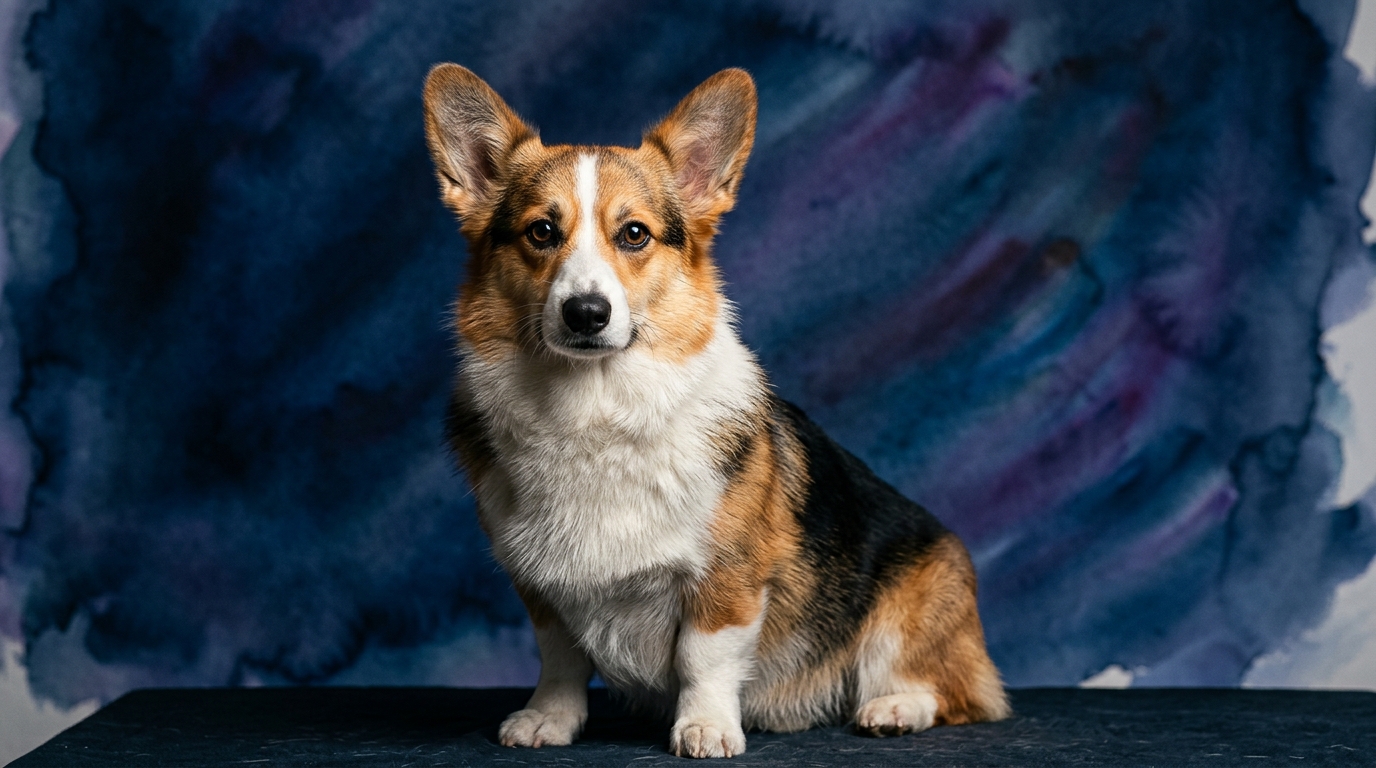
The Pembroke Welsh Corgi, ranking #11 in Coren's intelligence scale and categorized as a Herding breed, presents a unique blend of cognitive strengths. Their Problem Solving is rated 4/5; Corgis approach challenges with a methodical, often persistent, mindset, leveraging their herding background to strategize movement and control. They excel at tasks requiring sequential steps, spatial awareness, and predicting the movement of others, often finding creative solutions within established boundaries, such as navigating obstacles to gather a 'flock' of toys.
Their Training Speed is an impressive 5/5; Corgis' eagerness to engage and strong desire to work collaboratively with their handler translates into rapid acquisition of new commands and routines. This quick learning is a hallmark of their herding lineage, where instant obedience and responsiveness were crucial for managing livestock, making them highly receptive to positive reinforcement. Social Intelligence stands at 4/5; Corgis display a robust understanding of social cues, both from humans and other animals, allowing them to integrate smoothly into family dynamics and manage interactions with a keen sense of who is where and what they are doing. They are adept at reading intentions and can be quite persuasive in their communication, often using their body language and vocalizations to express needs or preferences. Their Instinctive Drive is a powerful 5/5; the herding instinct is ever-present, manifesting as a strong urge to gather, direct, and control, whether it's livestock, children, or even household objects. This inherent drive provides a foundational motivation for many of their behaviors and learning processes, making them naturally inclined towards tasks that involve movement and supervision. Finally, their Memory is 4/5; Corgis' recall for learned behaviors, specific locations, and social interactions is solid, enabling them to retain complex routines and remember past experiences with accuracy. This reliable memory supports their consistent performance in various tasks and helps them recall which family member is most likely to give them an extra treat.
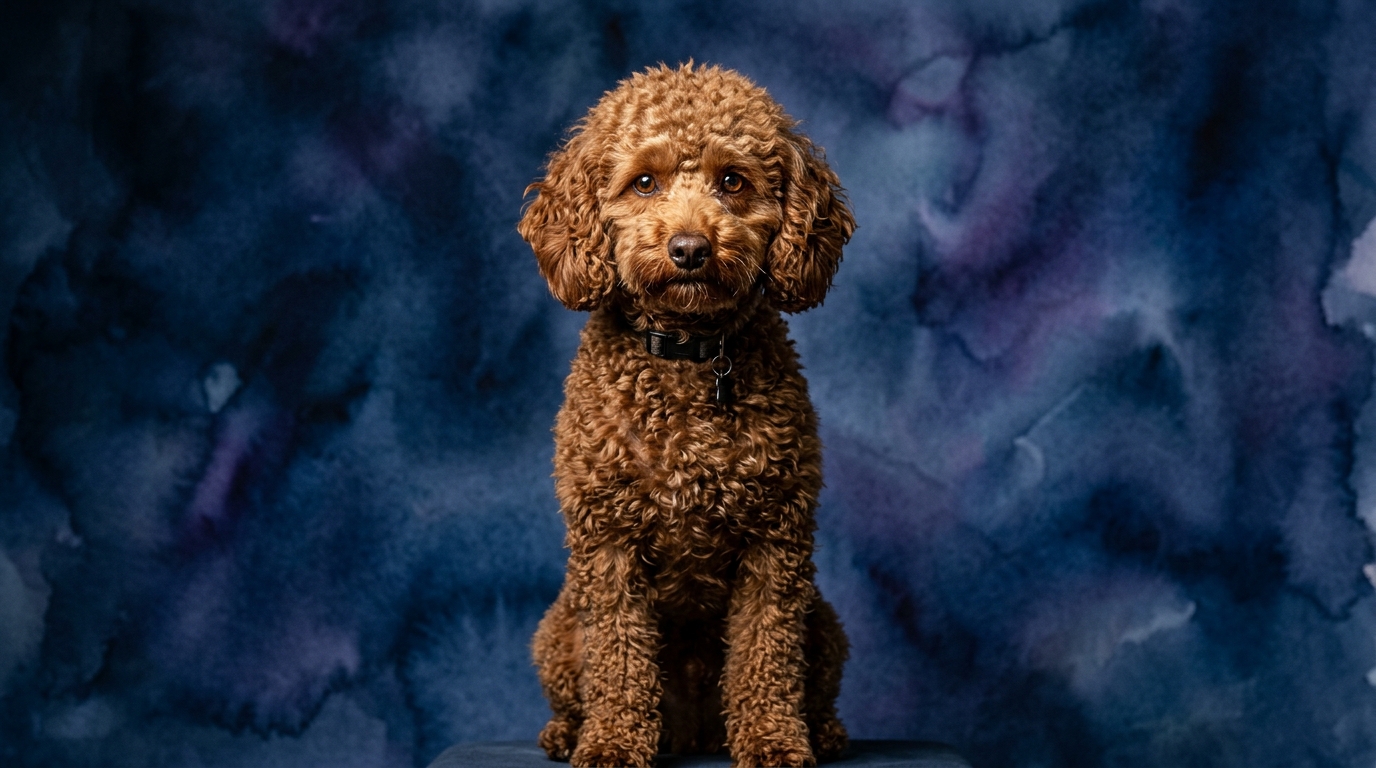
The Miniature Poodle, a Non-Sporting breed with an exceptional Coren rank of #2, showcases a different but equally impressive cognitive makeup. Their Problem Solving is rated 5/5; Miniature Poodles exhibit exceptional analytical capabilities, often dissecting new situations quickly and devising novel approaches beyond rote memorization. Their capacity for abstract thought allows them to generalize solutions across different contexts, demonstrating a flexible and inventive mind, particularly in figuring out complex puzzle toys or escape routes.
Their Training Speed also earns a 5/5; like the Corgi, Miniature Poodles absorb new information and commands with impressive swiftness, often requiring fewer repetitions to master a skill, from basic obedience to intricate trick sequences. Their focused attention and strong motivation for intellectual engagement contribute to their rapid learning curve, making them a joy to teach. Social Intelligence is 3/5; while capable of forming deep bonds with their chosen family, Miniature Poodles can sometimes be more discerning or reserved in their social interactions compared to some breeds. They observe closely but may not always be as overtly expressive or keen to mediate social dynamics, often preferring clear, consistent interactions over ambiguous social maneuvering. Their Instinctive Drive is 3/5; Poodles' instinctive drives are less focused on a singular, powerful activity like herding, instead showing a more generalized drive for companionship, playful engagement, and mental stimulation. While they possess a retrieving background, it's often expressed through enthusiastic play and fetching rather than an all-consuming, task-oriented urge. Their Memory is 5/5; Miniature Poodles demonstrate outstanding long-term retention of commands, rules, and complex sequences, rarely forgetting what they've mastered even after extended breaks. Their ability to recall intricate details and procedures makes them exceptionally consistent once a behavior is learned, allowing them to perform multi-step tasks with precision.
Corgi's Cognitive Edge: Social Nuance and Instinctive Purpose
Pembroke Welsh Corgis show a distinct advantage in social intelligence (4/5 vs 3/5), effortlessly navigating complex human and animal social structures with an innate understanding of group dynamics. Their herding background honed an ability to read subtle cues, anticipate actions, and even 'manage' their environment, making them adept at mediating interactions or gently guiding their family members towards a desired outcome. Furthermore, their instinctive drive (5/5 vs 3/5) is a powerful, focused motivator that provides a clear framework for their cognitive processes, enabling them to excel in tasks that tap into their natural herding impulse, offering a deep sense of purpose that can be leveraged in training and enrichment activities, particularly those involving movement and control.
Miniature Poodle's Cognitive Prowess: Abstract Thought and Recall
The Miniature Poodle shines with superior problem-solving capabilities (5/5 vs 4/5), often approaching novel situations with more abstract reasoning and analytical depth. They don't just solve problems through trial and error; they often understand the underlying principles, allowing them to generalize solutions more effectively across different scenarios, such as figuring out how to open various latches or manipulate objects to achieve a goal. Their memory (5/5 vs 4/5) is also a notable strength, enabling them to retain complex information and sequences for extended periods, making them exceptionally reliable in tasks requiring sustained recall and precision, such as advanced obedience routines, intricate trick training, or remembering specific cues in a long sequence.
Training Trajectories: Corgi's Eagerness vs. Poodle's Precision
Both breeds share a training speed of 5/5, indicating a high capacity for learning new commands and behaviors quickly. However, the nature of their training experience can differ significantly. The Corgi's powerful instinctive drive (5/5) and strong social intelligence (4/5) mean they are often highly motivated by working collaboratively with their handler and excel when tasks align with their natural herding tendencies or involve social engagement and communication. They learn rapidly because they are eager to participate and intuitively understand what's expected within a social context, often responding well to praise and interaction.
The Miniature Poodle, with its exceptional problem-solving (5/5) and memory (5/5), also learns rapidly but might thrive more on tasks that demand intellectual engagement, sequence learning, or independent thought, like complex agility courses or differentiating between many objects. While both learn fast, a Corgi might be perceived as 'easier' for an owner who appreciates a highly biddable, socially attuned partner for basic obedience and practical tasks that leverage their desire to 'work' with their person. A Poodle might be 'easier' for an owner who enjoys teaching complex, multi-step behaviors and appreciates a dog that can figure things out independently and remember them flawlessly.
The Corgi's strong herding drive can sometimes present a challenge if not appropriately channeled, leading to behaviors like nipping at heels or attempting to 'herd' family members, requiring consistent redirection and constructive outlets. The Poodle's lower social intelligence score suggests a need for very clear, consistent communication during training, as they may not intuitively pick up on subtle handler cues or social nuances as readily as a Corgi, preferring explicit instructions.
Lifestyle Match: Activity Levels and Cognitive Needs
For active owners, the Pembroke Welsh Corgi often presents a suitable match due to its pronounced instinctive drive (5/5) and robust energy levels, despite its short stature. They thrive on structured activities that engage their herding impulses, such as herding games, agility, competitive obedience, or long, purposeful walks where they can feel they are 'managing' the environment. Their cognitive profile benefits immensely from consistent mental and physical challenges that allow them to exercise their problem-solving skills and strong memory in a dynamic, goal-oriented environment. A Corgi that isn't sufficiently engaged might invent its own 'herding' games, which can be less desirable in a household setting.
Relaxed owners might find the Miniature Poodle a more harmonious fit, despite their reputation for needing mental stimulation. While Poodles do require intellectual engagement for their superior problem-solving (5/5) and memory (5/5), their instinctive drive (3/5) is less singularly focused and intense than the Corgi's. They enjoy companionship and can be content with varied mental enrichment like puzzle toys, elaborate trick training sessions, moderate walks, and interactive play, rather than needing an outlet for an intense, specific drive. Their adaptability and lower reliance on a singular instinct allow them to settle more readily into a less intensely active lifestyle, provided their sharp minds are kept busy with consistent, engaging interactions and learning opportunities.
The Verdict
Choose the Pembroke Welsh Corgi if you value a socially astute companion with a strong, purposeful drive, and are prepared to channel their herding instincts into productive activities. They thrive with owners who appreciate their biddability and charming, communicative nature.
Opt for the Miniature Poodle if you seek a highly analytical and precise learner who excels at complex tasks and retains information with exceptional clarity. They are ideal for owners who enjoy engaging their dog's mind with intricate training and value a less instinct-driven companion.
🧠 Find Your Pet's IQ Score
Our Pet IQ Lab assessment covers 25+ tests across 5 cognitive dimensions — personalized to your breed.
Take the Full IQ Test →Frequently Asked Questions
Do Corgis 'herd' people?
Yes, Corgis possess a strong herding instinct, reflected in their 5/5 instinctive drive score. This can manifest as nipping at heels or attempting to gather family members, particularly children, into a group. Consistent training and redirection, along with providing appropriate outlets for their drive like herding games or agility, are crucial.
Are Miniature Poodles good for first-time dog owners?
Miniature Poodles can be excellent for first-time owners due to their exceptional training speed and problem-solving abilities, making them responsive learners. However, their social intelligence score of 3/5 means clear and consistent communication is key, as they may not always intuitively understand subtle cues, requiring a dedicated approach to training.
Which breed needs more mental stimulation?
Both breeds require significant mental stimulation, though the type differs. Corgis need outlets for their strong instinctive drive and problem-solving, often through structured tasks that engage their herding nature. Miniature Poodles, with their superior problem-solving and memory, thrive on varied intellectual challenges like complex puzzles, trick training, and advanced obedience to keep their minds engaged.