Pembroke Welsh Corgi vs. Miniature Schnauzer: A Close Cognitive Contest
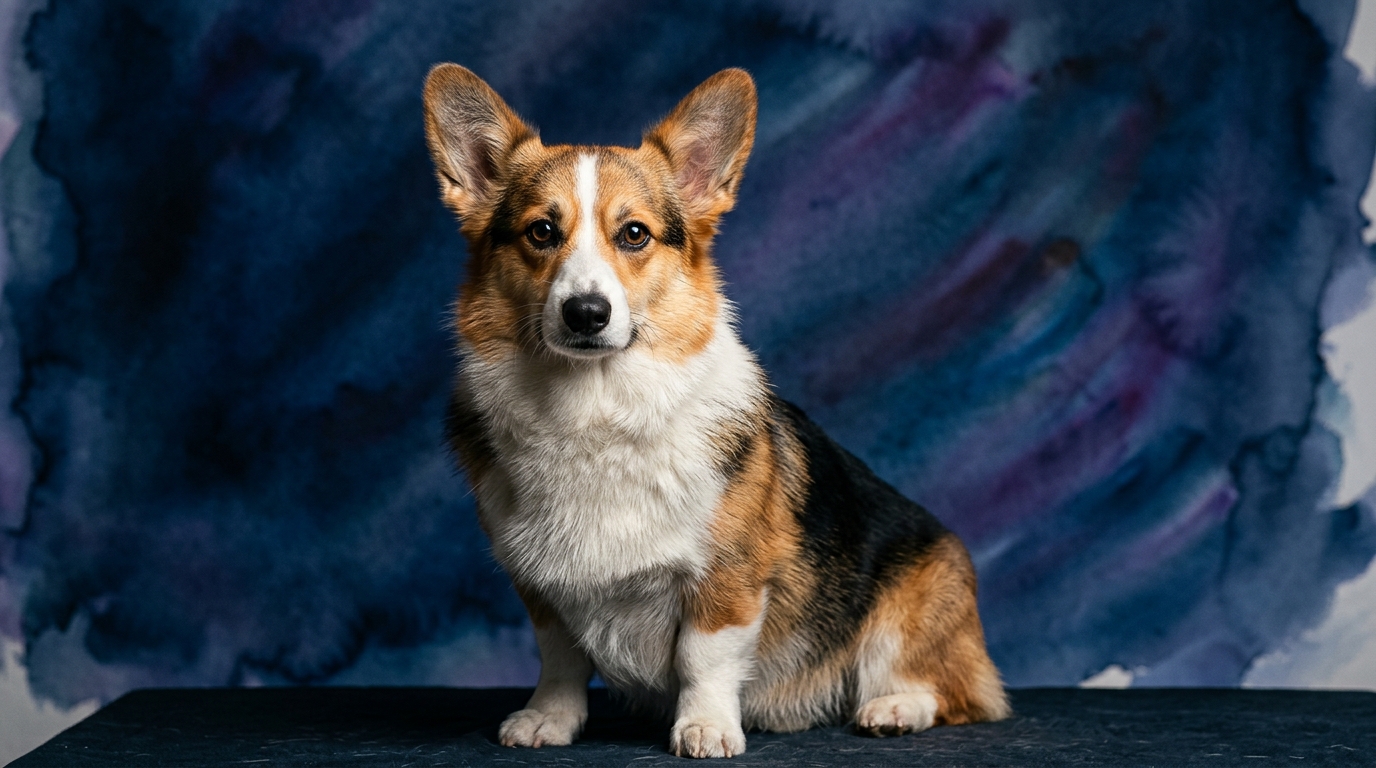
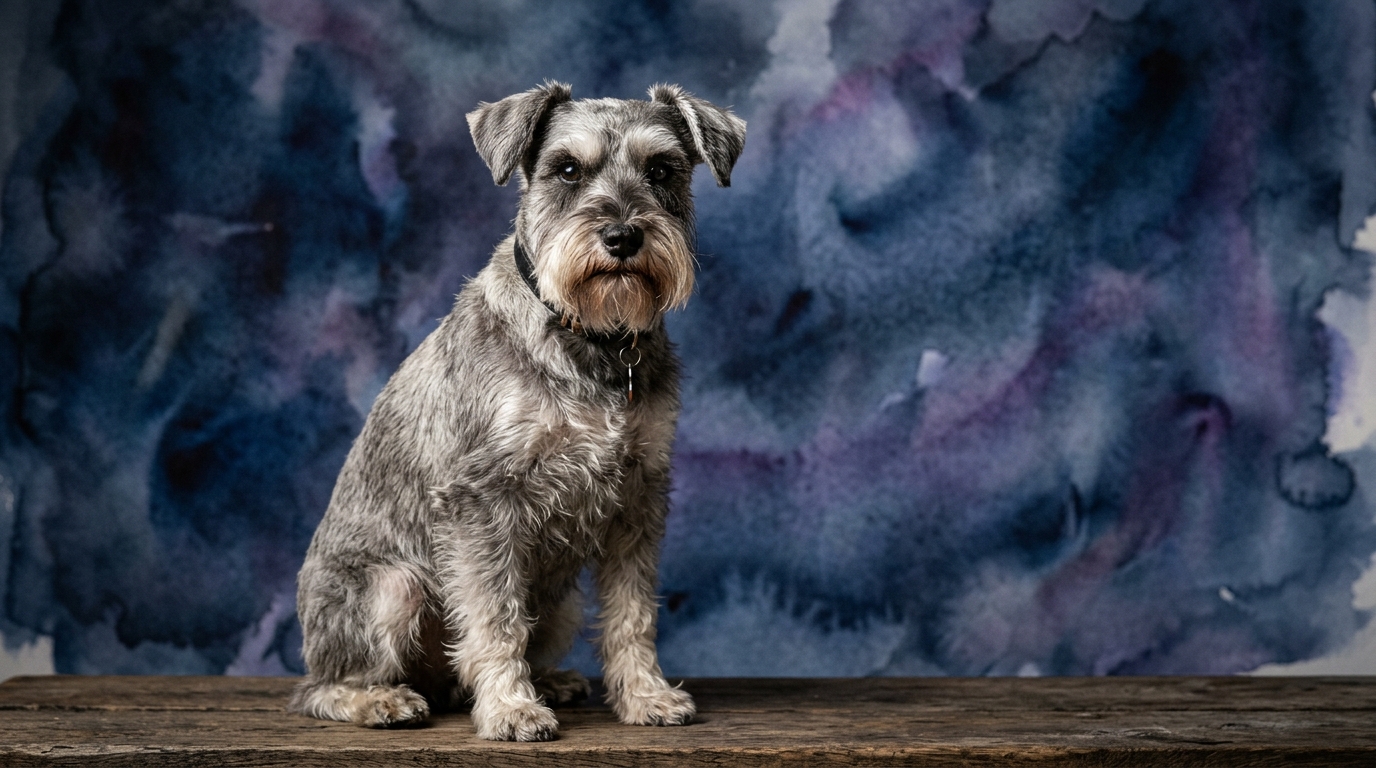
The world of canine cognition often presents us with breeds that stand out for their distinct mental aptitudes, yet sometimes, the most intriguing insights come from those that appear almost equal. The Pembroke Welsh Corgi, a compact herding dog, holds a Coren rank of #11, while the tenacious Miniature Schnauzer, a small terrier, is positioned right behind at #12. This remarkable proximity suggests that while both breeds possess impressive mental faculties, their specific cognitive strengths are likely shaped by their ancestral roles and inherent drives rather than a vast disparity in overall intellectual capacity.
Our exploration will move beyond mere rankings to dissect the practical applications of their intelligence, examining how each breed approaches challenges, learns new behaviors, interacts with their environment, and utilizes their innate instincts. Understanding these specific cognitive dimensions can illuminate why one might thrive in a particular setting where the other, while equally capable, might require a different approach or find a different niche.
Unpacking Their IQ Profiles: Corgi vs. Schnauzer
To truly appreciate the mental makeup of these two breeds, we must examine their cognitive dimensions through The Cosmic Pet Pet IQ Lab's framework. For the Pembroke Welsh Corgi, their herding lineage informs their entire intellectual profile. Their Problem Solving is rated 4/5, reflecting an aptitude for strategizing to move livestock, navigating complex pasture environments, and anticipating animal behavior to prevent escape. Training Speed is an impressive 5/5; these dogs are eager to work, quick to grasp new commands, and thrive on having a job to do, making them highly receptive to instruction. Their Social Intelligence scores 4/5, demonstrating an ability to read human cues and manage the dynamics of a flock, often displaying a nuanced understanding of their family unit. An Instinctive Drive of 5/5 highlights their strong desire to gather, control, and organize, a primal urge that extends beyond sheep to include family members. Finally, their Memory, rated 4/5, allows them to recall intricate routes, established boundaries, and a wide array of commands essential for effective herding.
In contrast, the Miniature Schnauzer's terrier heritage shapes a slightly different, yet equally capable, cognitive blueprint. Their Problem Solving also receives a 4/5, but this manifests in resourcefulness when hunting vermin—figuring out how to access tight spaces, outwit prey, and navigate complex terrain independently. Their Training Speed, like the Corgi, is 5/5; Schnauzers are quick learners, absorbing commands rapidly, though their independent terrier spirit means they often need compelling reasons to comply. Social Intelligence is 4/5, indicating a keen awareness of their human companions' moods and intentions, often forming strong bonds, though they can be more reserved with strangers. Their Instinctive Drive is 4/5, primarily focused on pursuit, digging, and a strong prey drive, rather than the Corgi's organizational impulse. Memory, also 4/5, serves them well in remembering where they've hidden toys, established hunting grounds, and a repertoire of learned behaviors.
Where the Pembroke Welsh Corgi Shows Its Cognitive Edge
The Pembroke Welsh Corgi’s distinct cognitive advantage lies primarily in its superior Instinctive Drive for organization and control, rated 5/5. This isn't just about moving sheep; it translates into a natural inclination to manage and direct its environment. A Corgi excels in scenarios requiring spatial awareness related to movement, anticipating the actions of others, and maintaining order within a group. For instance, they might instinctively try to "herd" children or other pets, subtly guiding them or positioning themselves to keep the family unit together. This drive makes them particularly adept at structured tasks like agility courses where precise movements and sequential commands are crucial, or in competitive obedience where their desire to work in partnership with their handler is paramount. Their problem-solving, while equally rated, often leans towards finding efficient ways to achieve a collective goal rather than solely individual conquest.
Where the Miniature Schnauzer's Intellect Shines
The Miniature Schnauzer’s unique cognitive strength emerges from its terrier roots, particularly in its independent Problem Solving (4/5) and a tenacious, focused Instinctive Drive (4/5) for pursuit. While their drive is rated one point lower than the Corgi’s, it manifests as an unwavering determination to achieve a specific, often self-directed, goal. A Schnauzer thrives on challenges that require independent thinking and persistence, like figuring out how to retrieve a toy from under furniture or solving complex puzzle feeders. They are less concerned with group dynamics and more focused on the task at hand, displaying remarkable ingenuity in overcoming obstacles to achieve their objective, whether it's digging up a perceived "intruder" in the yard or meticulously exploring a new scent trail. Their cognitive prowess is geared towards individual success through resourcefulness and unwavering focus.
Training Dynamics: Who Learns Faster?
Both the Pembroke Welsh Corgi and the Miniature Schnauzer boast an impressive Training Speed of 5/5, indicating they are both quick to grasp new commands and behaviors. However, the ease and method of training can differ significantly due to their behavioral predispositions. Corgis, with their strong herding instinct and high social intelligence, often approach training as a collaborative effort. They are typically eager to please their human "shepherd" and thrive on positive reinforcement, praise, and the opportunity to work alongside their owner. Their desire to keep their "flock" in order makes them receptive to direction and structured learning, often displaying a remarkable willingness to comply once they understand the expectation.
Miniature Schnauzers, while equally quick to learn, bring a distinct terrier independence to the training arena. They pick up commands rapidly, but their inner drive to make their own decisions means they might occasionally question the necessity of an instruction or choose to pursue a more interesting scent or sight. This isn't stubbornness born of defiance, but rather a strong self-reliance. Successful training with a Schnauzer often requires more consistent motivation, a sense of fairness, and making the training feel like a rewarding game rather than a mere command. They might learn what to do just as fast, but their compliance can be more conditional on their perceived benefit or engagement.
Lifestyle Compatibility: Active vs. Relaxed Owners
Understanding the cognitive drives of the Pembroke Welsh Corgi and Miniature Schnauzer is crucial for matching them with the right lifestyle. For owners who value structured activity and a canine partner eager for a "job," the Pembroke Welsh Corgi is an excellent fit. Their 5/5 Instinctive Drive for herding means they flourish when given opportunities to engage their minds and bodies in purposeful activities. This could include dog sports like agility, competitive obedience, or even simply engaging in complex trick training that mimics problem-solving scenarios. A Corgi needs regular mental challenges and physical exercise to prevent boredom, which can manifest as unwanted herding behaviors or excessive barking if their innate drives are not met. They enjoy being active participants in family life, often trying to organize their human "flock."
Conversely, the Miniature Schnauzer, with its 4/5 Instinctive Drive for pursuit and a high problem-solving aptitude, suits owners who appreciate a tenacious, independent companion with a zest for exploration. While they are energetic, their activity often revolves around investigating new smells, digging, and engaging in games that simulate hunting. They thrive on puzzle toys, scent work, and varied walks where they can exercise their curiosity and independent problem-solving skills. While they enjoy play, their "active" tends to be more about self-directed exploration and vigorous bursts of energy rather than sustained, directed work. For owners who enjoy long walks with opportunities for sniffing, or interactive play that challenges a dog's ingenuity, the Schnauzer's cognitive profile aligns perfectly.
The Verdict
Choose a Pembroke Welsh Corgi if you seek a highly trainable, eager-to-please companion who thrives on structured activities, enjoys working in partnership, and has a natural inclination to keep the family unit organized.
Opt for a Miniature Schnauzer if you prefer an independent, tenacious problem-solver who excels in self-directed exploration, enjoys vigorous play, and appreciates an owner who respects their clever individuality.
🧠 Find Your Pet's IQ Score
Our Pet IQ Lab assessment covers 25+ tests across 5 cognitive dimensions — personalized to your breed.
Take the Full IQ Test →Frequently Asked Questions
Are Corgis or Schnauzers better for first-time owners?
Both breeds possess a high training speed, making them good candidates for first-time owners who are committed to consistent training. Corgis might be slightly easier initially due to their strong desire to please and work cooperatively, while Schnauzers require an owner who understands and can channel their independent terrier spirit effectively.
Do Corgis and Schnauzers get along well with other pets?
Corgis, with their herding instinct and 4/5 social intelligence, often integrate well into multi-pet households, sometimes even attempting to gently "herd" other animals. Miniature Schnauzers, while possessing good social intelligence, have a stronger prey drive (4/5 instinctive drive) and might require more careful introductions and supervision around smaller pets.
Which breed is more prone to stubbornness?
Neither breed is inherently "stubborn" in a negative sense, but their independence manifests differently. Corgis are generally cooperative, but their strong will can emerge if they feel their "flock" isn't being managed properly. Schnauzers, due to their terrier nature, can be perceived as more stubborn when their independent problem-solving or prey drive takes precedence over a command, requiring more creative motivation.