A Side-by-Side Cognitive Profile
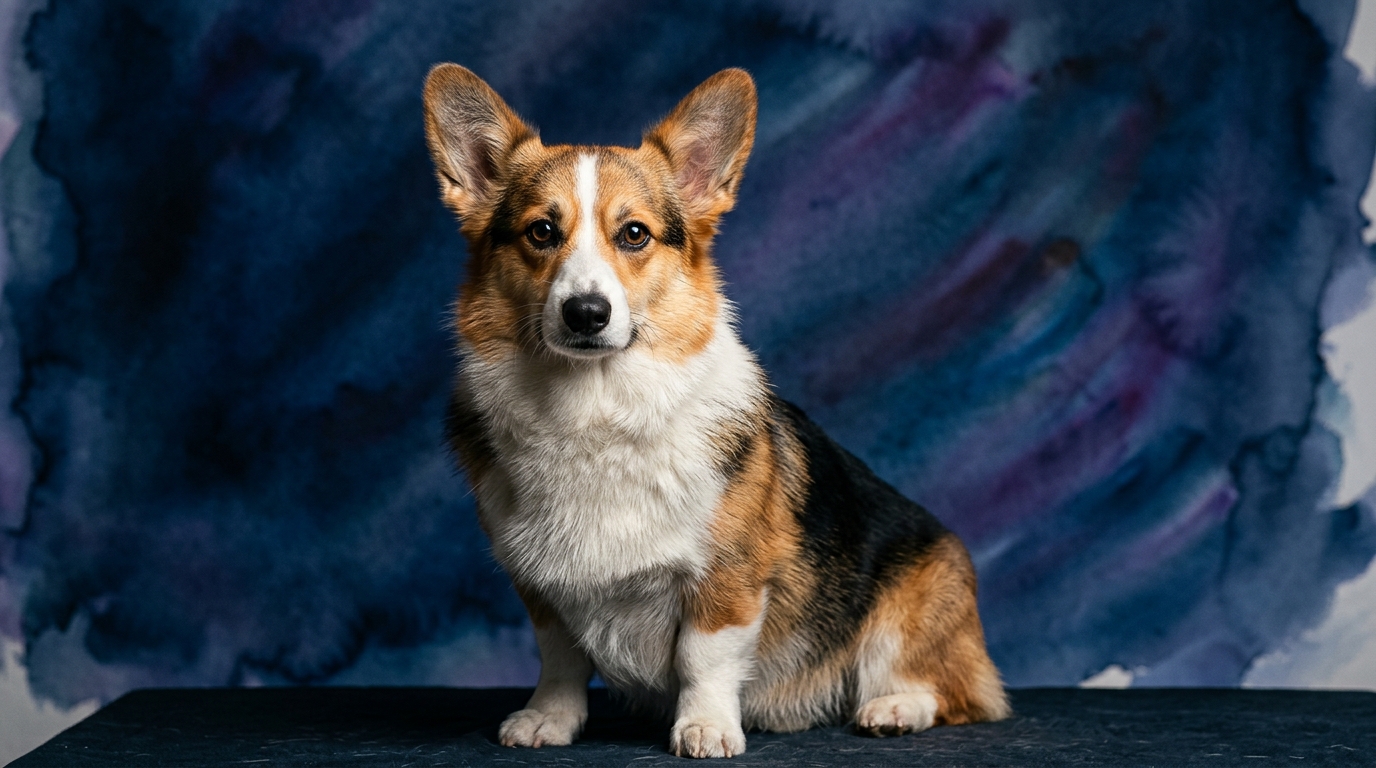
Delving into the cognitive makeup of the Pembroke Welsh Corgi, a breed with a Coren rank of #11, we observe a profile optimized for cooperative work. Their Problem Solving is rated 4/5, indicating an aptitude for figuring out intricate tasks and adapting strategies in dynamic environments. Training Speed stands at an impressive 5/5, reflecting their eagerness and capacity to rapidly acquire new commands and routines. Social Intelligence, at 4/5, highlights their ability to interpret human cues and integrate smoothly into family dynamics, while their Instinctive Drive of 5/5 underscores a powerful, directed motivation, typically towards herding. Finally, their Memory, at 4/5, ensures they retain complex sequences and learned behaviors effectively over time, crucial for intricate tasks.
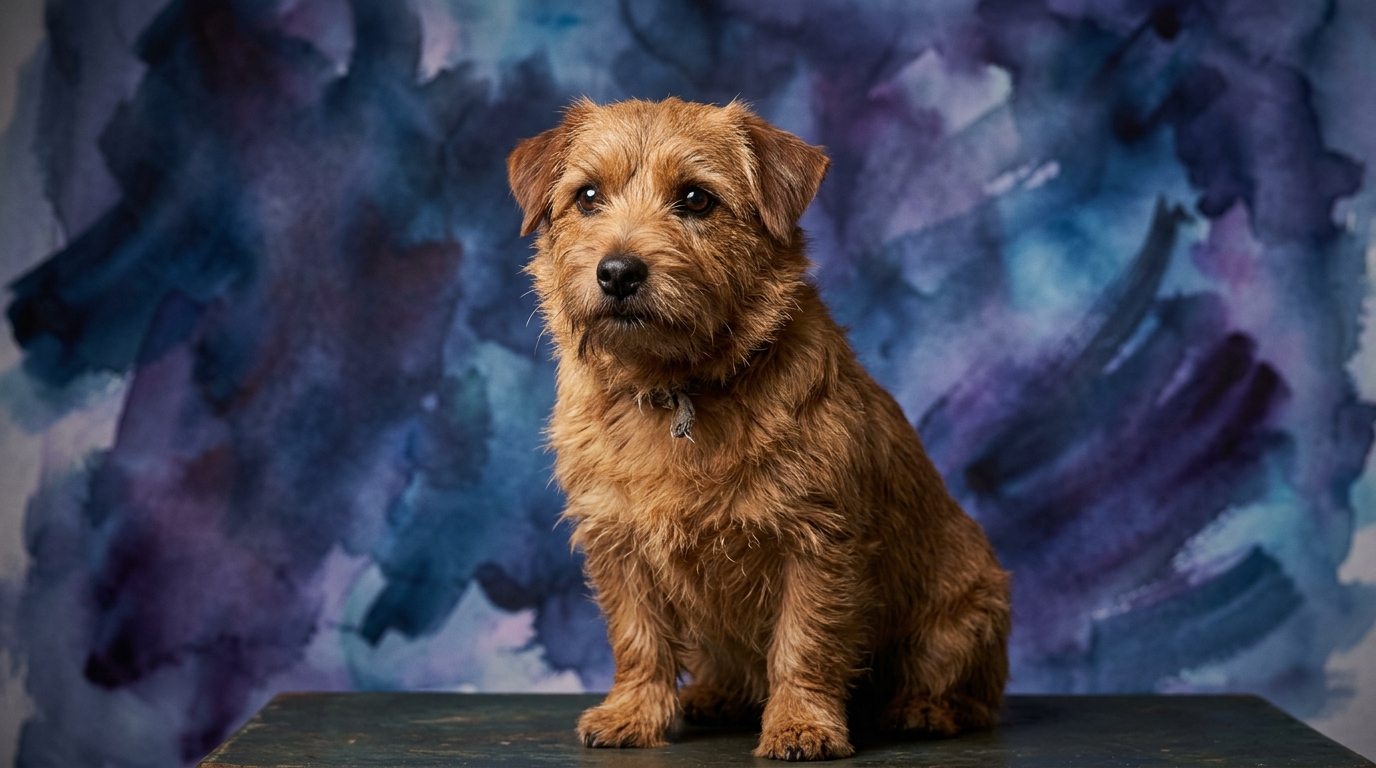
The Norfolk Terrier, while not Coren-ranked, presents a distinct cognitive blueprint shaped by its independent hunting heritage. Their Problem Solving capability is rated 3/5, suggesting a capacity for independent thought and resolution, often through persistence and trial-and-error, particularly when pursuing a goal. Training Speed is 3/5, meaning they learn at a moderate pace, but their independent streak can sometimes require more focused and consistent effort. Social Intelligence, also 3/5, indicates they engage with humans and their environment with a confident, self-reliant demeanor, less driven by the need to please and more by their own agenda. Their Instinctive Drive, 3/5, is largely channeled towards traditional terrier pursuits like digging and chasing, a drive that is potent but less often directed by human instruction. Memory, at 3/5, allows them to retain information adequately for their purposes, though perhaps not with the same depth for complex, multi-step sequences as the Corgi.
Where the Pembroke Welsh Corgi Excels Cognitively
The Pembroke Welsh Corgi's cognitive strengths are deeply rooted in its herding lineage, manifesting in superior task orientation and a remarkable responsiveness to human direction. Their 5/5 Training Speed isn't just about quick learning; it reflects an innate desire to understand and execute commands, making them particularly adept at structured activities. This translates into a capacity for rapidly learning complex sequences of actions, such as those found in obedience trials or agility courses, where precision and sequential understanding are paramount. Their 4/5 Problem Solving often involves discerning the most efficient path to a goal defined by a human, whether it's navigating an obstacle course or figuring out how to retrieve a specific toy from a pile. This cognitive agility, combined with their 4/5 Social Intelligence, means they excel at interpreting subtle human signals and adjusting their behavior accordingly, making them highly cooperative partners in learning and daily life. They consistently demonstrate an ability to generalize learned behaviors to new situations, showcasing a flexible application of their cognitive toolset.
Where the Norfolk Terrier Shines Cognitively
The Norfolk Terrier’s cognitive prowess lies in its unique brand of independent problem-solving, honed by centuries of working alone to dispatch vermin. Unlike the Corgi, whose problem-solving often involves collaboration, the Norfolk’s 3/5 Problem Solving rating speaks to a tenacious self-sufficiency in navigating challenging environments and overcoming obstacles without direct human guidance. This manifests as a resourceful ability to find creative, if sometimes unconventional, solutions to achieve their objectives, such as digging under or climbing over barriers. Their 3/5 Instinctive Drive, while not as overtly directed by humans as the Corgi's, fuels a persistent determination to pursue a goal, even when faced with setbacks, reflecting a deep-seated drive for completion. This translates into an acute situational awareness for small prey, quick reactions, and an unwavering focus once a target is identified. Their cognitive strength lies in this self-directed persistence and adaptability within their chosen domain, making them adept at independent exploration and investigation rather than team-oriented tasks.
Training Dynamics: Corgi's Cooperation vs. Norfolk's Independence
When it comes to trainability, the Pembroke Welsh Corgi generally presents a more straightforward experience due to its herding heritage. These dogs were bred to work closely with humans, responding to subtle cues to manage livestock, which translates into a high motivation to cooperate and please. Their 5/5 Training Speed is a direct reflection of this, as they absorb commands rapidly and are eager to participate in learning sessions. A Corgi's natural herding instinct, while sometimes leading to nipping at heels, can be effectively channeled into structured training, where they excel at obedience, agility, and even complex trick training. They thrive on positive reinforcement and consistent guidance, often viewing training as an engaging collaborative effort.
The Norfolk Terrier, conversely, embodies the independent spirit of a terrier, which can make training a more nuanced endeavor. Their 3/5 Training Speed indicates they learn at a moderate pace, but their strong will and self-directed nature mean they are less inclined to automatically follow commands if they perceive a more interesting alternative, such as a squirrel. Terriers were bred to make autonomous decisions in the field, pursuing quarry without constant human oversight, and this independence is deeply ingrained. Training a Norfolk requires immense patience, creativity, and unwavering consistency. They respond best to short, engaging sessions that tap into their innate prey drive and curiosity, often through games. While they can achieve high levels of training, their motivation is less about pleasing and more about what's personally rewarding or interesting to them, which means owners must work to make training consistently more appealing than other distractions.
Matching Breeds to Lifestyles: Active vs. Relaxed Owners
For owners seeking an active and engaged canine companion, the Pembroke Welsh Corgi offers a rewarding experience, though 'active' for a Corgi often means mental activity as much as physical. Their strong herding drive and high energy require consistent outlets, which can be channeled into structured activities like obedience, rally, or agility. An owner who enjoys daily training sessions, puzzle toys, and regular walks or supervised play in a secure yard will find the Corgi a highly motivated and interactive partner. While they don't necessarily need to run for miles, they do need consistent mental stimulation and physical engagement to prevent boredom and redirect their natural instincts positively. Their cooperative nature means they thrive on having a 'job' to do, even if that job is simply learning new tricks or following household routines.
The Norfolk Terrier also benefits from active owners, but their activity needs manifest differently. Their terrier energy requires regular, vigorous exercise, which can include brisk walks, off-leash play in safe, enclosed areas, or earthdog trials that tap into their natural instincts. However, their independent streak means they might be less inclined to follow an owner's lead on a long, structured jog and more interested in exploring every scent. A 'relaxed' owner might find their tenacity and sometimes stubborn nature challenging, especially if they are unprepared for the breed's inherent drive to dig, chase, and bark. Owners who appreciate a dog with a robust personality, enjoy varied outdoor activities, and are willing to engage in playful, energetic interactions that respect the terrier's independent spirit will find a loyal and spirited companion in the Norfolk. They require mental challenges that allow them to use their intellect for problem-solving, rather than simply following commands.
The Verdict
Choose the Pembroke Welsh Corgi if you desire a highly cooperative, rapid learner who thrives on structured training and enjoys a defined 'job' within the family unit.
Opt for the Norfolk Terrier if you appreciate an independent, tenacious companion with a spirited personality, and are prepared for a dog whose problem-solving is self-directed and requires consistent, creative engagement.
🧠 Find Your Pet's IQ Score
Our Pet IQ Lab assessment covers 25+ tests across 5 cognitive dimensions — personalized to your breed.
Take the Full IQ Test →Frequently Asked Questions
Are Pembroke Welsh Corgis prone to herding behaviors in a home setting?
Yes, Corgis possess a strong herding instinct, which can sometimes manifest as nipping at heels or attempting to 'herd' family members, especially children. Consistent training and redirection to appropriate outlets like herding balls or structured play can manage this behavior effectively.
Do Norfolk Terriers bark a lot due to their instincts?
Norfolk Terriers can be vocal, often barking to alert their owners to perceived intruders or interesting sounds, a trait stemming from their historical role as watchdogs and vermin hunters. Early training and consistent management of barking triggers can help moderate this natural tendency.
Which breed is generally better suited for first-time dog owners?
The Pembroke Welsh Corgi is often considered more amenable for first-time dog owners due to their high trainability and eagerness to please, making the learning curve for both dog and owner smoother. Norfolk Terriers, with their independent nature and strong will, typically benefit from owners with some prior experience in dog training and behavior.