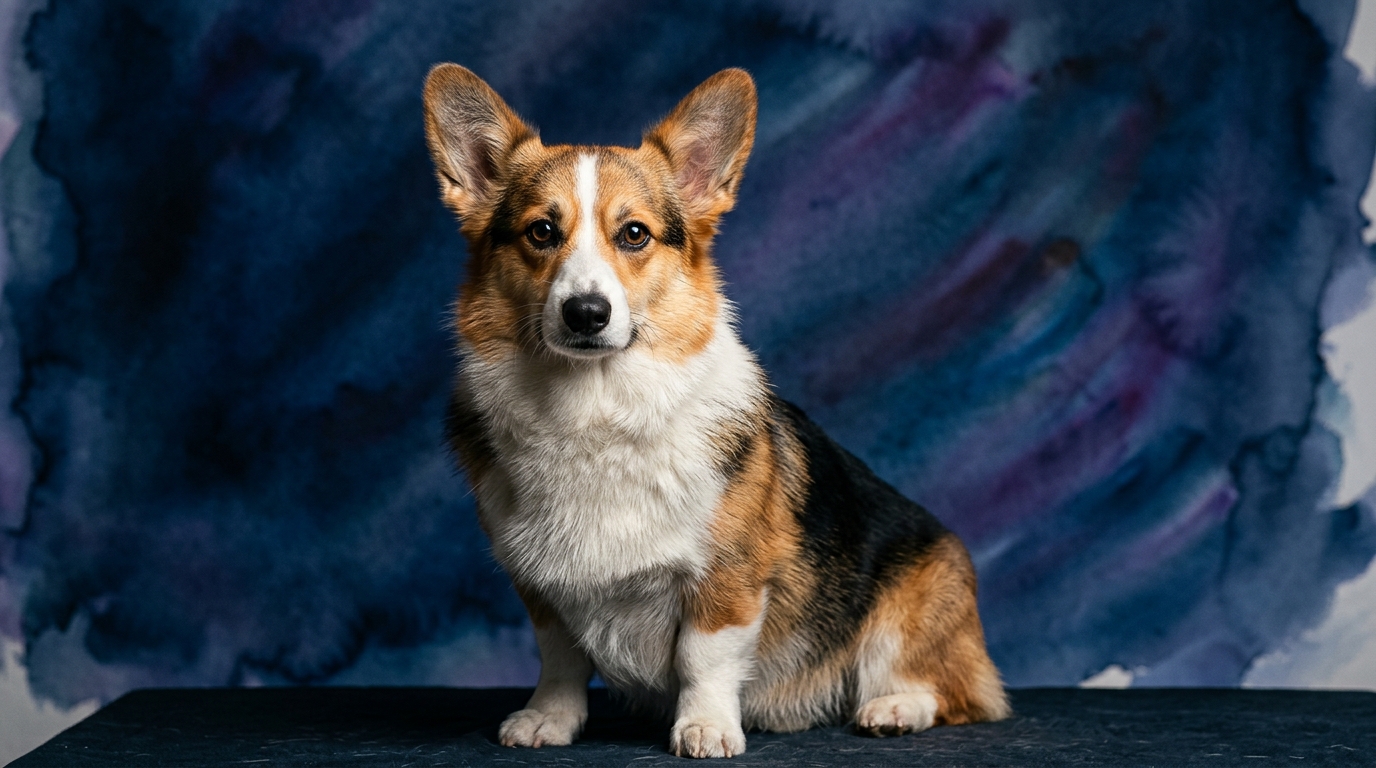
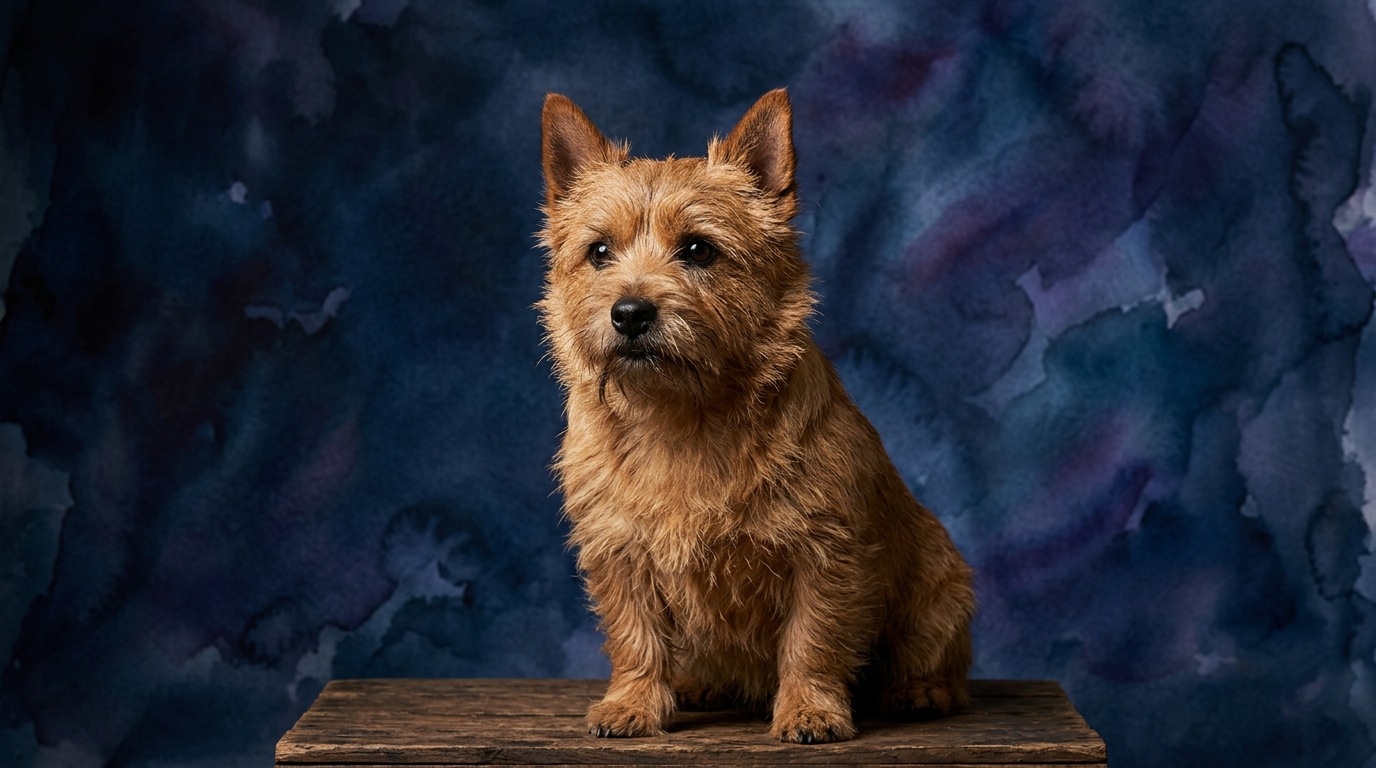
Side-by-Side IQ Profile: Pembroke Welsh Corgi vs. Norwich Terrier
At The Cosmic Pet Pet IQ Lab, we evaluate canine intelligence across five key dimensions, offering a nuanced understanding beyond simple rankings. Here's how these two distinct breeds compare:
**Pembroke Welsh Corgi (Herding Group)**
**Coren Rank #11 (Working Intelligence & Obedience):** This high ranking places the Corgi among breeds that grasp new commands quickly and obey them reliably, reflecting their inherent capacity for complex learning and cooperation. Their historical role demanded consistent responsiveness and the ability to interpret subtle handler signals.
**Problem Solving (4/5):** Corgis exhibit strong abilities to figure out solutions, particularly in scenarios requiring strategic thinking, such as navigating obstacles to reach a desired object or understanding cause-and-effect in their environment. Their herding background honed their capacity to assess situations involving livestock and adapt tactics to control movement effectively.
**Training Speed (5/5):** This breed picks up new commands and routines with remarkable swiftness, often requiring minimal repetitions to solidify a behavior. Their eagerness to engage and work alongside humans, coupled with a strong desire for positive reinforcement, contributes significantly to this rapid acquisition of skills and commands.
**Social Intelligence (4/5):** Corgis excel at reading human cues, understanding intentions, and adapting their behavior accordingly. This acute social awareness is crucial for cooperative tasks like herding, where communication with their handler is paramount, allowing them to anticipate directions and respond appropriately to mood shifts.
**Instinctive Drive (5/5):** Their strong herding instinct drives them to gather, control, and move things, often manifesting as a desire to "herd" family members, other pets, or even inanimate objects. This inherent motivation fuels their activity and engagement, requiring outlets for this deep-seated behavioral pattern.
**Memory (4/5):** Corgis possess a robust memory for commands, complex routines, and past experiences, enabling them to retain intricate sequences and recall lessons effectively over long periods. This strong recall is vital for consistency in their learned behaviors and for navigating familiar environments.
**Norwich Terrier (Terrier Group)**
**Not Coren-ranked:** The Coren ranking primarily assesses 'working and obedience intelligence,' which emphasizes a dog's ability to learn and perform human-directed tasks. Terriers, bred for independent work, often score lower or are not included in this specific metric due to their self-reliant nature and preference for autonomous action.
**Problem Solving (3/5):** Norwich Terriers demonstrate practical problem-solving, especially when it involves achieving their own objectives, such as finding a way to a tempting scent, navigating a complex burrow, or extracting a favored toy from a tight space. Their solutions are often direct, persistent, and driven by instinct rather than complex cooperative strategy.
**Training Speed (3/5):** While capable of learning, Norwich Terriers generally require more patience, creativity, and repetition during training sessions. Their independent streak means they are less inclined to perform simply to please a human, preferring to act on their own initiative and often needing a strong motivator to comply.
**Social Intelligence (3/5):** Norwich Terriers are generally affable and enjoy companionship but tend to be less attuned to subtle human cues or emotional states than breeds bred for close cooperation. They interact well but may not always prioritize human directives over their own strong instincts or immediate interests.
**Instinctive Drive (3/5):** Their terrier drive is focused on hunting, digging, and exploring, fueled by a strong prey instinct. While motivated, this drive is less about working in tandem with a human and more about pursuing individual objectives, which can manifest as a persistent interest in small critters or digging in the yard.
**Memory (3/5):** Norwich Terriers have a functional memory for established routines and frequently reinforced commands, but their recall may not be as precise or long-lasting for intricate sequences or less frequently practiced lessons as breeds with higher scores. They remember what serves their immediate interests effectively.
Where Pembroke Welsh Corgi Wins Cognitively
The Pembroke Welsh Corgi clearly outpaces the Norwich Terrier across all five cognitive dimensions, a direct reflection of their demanding herding lineage. Their exceptional Training Speed (5/5) means they absorb new commands with remarkable efficiency, making them highly receptive to structured learning environments and intricate tasks like agility courses or complex obedience routines. This quick grasp is complemented by superior Problem Solving (4/5) and Memory (4/5), allowing Corgis to not only learn rapidly but also to apply learned solutions to new situations and retain them over time, proving adept at navigating novel challenges based on past experience. Furthermore, their heightened Social Intelligence (4/5) enables them to interpret human intentions and cues with greater nuance, fostering a more cooperative and responsive partnership, essential for their historical role of working closely with shepherds to manage livestock.
Where Norwich Terrier Wins Cognitively
While the Norwich Terrier’s scores are generally lower in our comparative metrics, it's crucial to understand that their unique cognitive strengths lie in areas less emphasized by these specific dimensions, particularly self-directed persistence and independent action. Their Problem Solving (3/5), though numerically lower, manifests as an unwavering determination to achieve a goal, often an independent one like pursuing a scent trail, navigating a dense thicket, or strategically extracting a hidden toy, all without constant human direction. This tenacity, fueled by their instinctive drive, allows them to excel in situations requiring sustained effort and single-minded focus on a task they deem important. They possess a robust, practical intelligence for navigating their immediate environment and overcoming physical obstacles to satisfy their terrier instincts, often demonstrating a cleverness in outsmarting small prey or finding egress from confined spaces.
Which is Easier to Train and Why
Without question, the Pembroke Welsh Corgi is significantly easier to train due to their superior Training Speed (5/5) and strong Social Intelligence (4/5). Corgis are inherently motivated to work with their human partners, eager to please, and quick to form associations between commands and actions. Their herding background instilled a deep desire for structure and cooperation, making them highly receptive to positive reinforcement and consistent guidance, often excelling in obedience and dog sports. In contrast, the Norwich Terrier, with a Training Speed of 3/5 and lower Social Intelligence, presents a greater training challenge. Their independent nature, a hallmark of terrier breeds bred to work alone in burrows, means they often prioritize their own agenda over human directives. Training a Norwich requires immense patience, creativity, and a consistent approach to overcome their inherent stubbornness and strong prey drive, which can easily distract them from lessons.
Which Suits Active Owners vs. Relaxed Owners
The Pembroke Welsh Corgi is an excellent fit for active owners who enjoy engaging their dogs in various activities, from obedience and agility to long walks and interactive games. Their high instinctive drive and eagerness to learn mean they thrive with mental stimulation and physical exercise, making them ideal for owners who want a true partner in their adventures. They adapt well to structured routines and enjoy having a 'job' to do, even if it's just learning new tricks, and will eagerly participate in family outings. The Norwich Terrier, while possessing energy, might better suit owners who appreciate a dog with a strong, independent personality but whose activity is more self-directed. They enjoy exploring and digging, but may not be as enthused by highly structured training sessions or continuous human-led activities. Relaxed owners, provided they can offer consistent, firm training and tolerate a certain level of terrier-driven mischief, might find a Norwich a charming companion that doesn't demand constant cooperative engagement but still needs regular exercise to manage their natural vigor.
The Verdict
Opt for a Pembroke Welsh Corgi if you seek a highly trainable, cooperative companion eager to engage in structured activities and responsive to your cues, thriving in an environment with consistent mental and physical challenges.
Select a Norwich Terrier if you appreciate an independent, tenacious personality, are prepared for a more self-willed training journey, and value a companion with a spirited, determined approach to life.
🧠 Find Your Pet's IQ Score
Our Pet IQ Lab assessment covers 25+ tests across 5 cognitive dimensions — personalized to your breed.
Take the Full IQ Test →Frequently Asked Questions
Does a Corgi's herding instinct make them difficult to live with?
While their strong instinctive drive (5/5) means Corgis may try to "herd" family members or other pets, this behavior is usually manageable with early training and redirection. Providing outlets for their herding energy, like herding balls or specific games, can help channel this natural inclination positively.
Are Norwich Terriers good for first-time dog owners?
Norwich Terriers can be a handful for first-time owners due to their independent nature and lower training speed score (3/5). They require consistent, patient training and owners who understand terrier specific traits, making them a better fit for those with some prior dog experience or a strong commitment to professional guidance.
How do their social intelligence scores impact their interactions with children?
A Corgi's higher social intelligence (4/5) generally makes them more attuned to family dynamics and human cues, often leading to more adaptable interactions with children, though supervision is always essential. A Norwich Terrier's (3/5) independence means they may be less inclined to tolerate boisterous play and require careful introduction and monitoring to ensure positive interactions.