
Side-by-Side Cognitive Profile
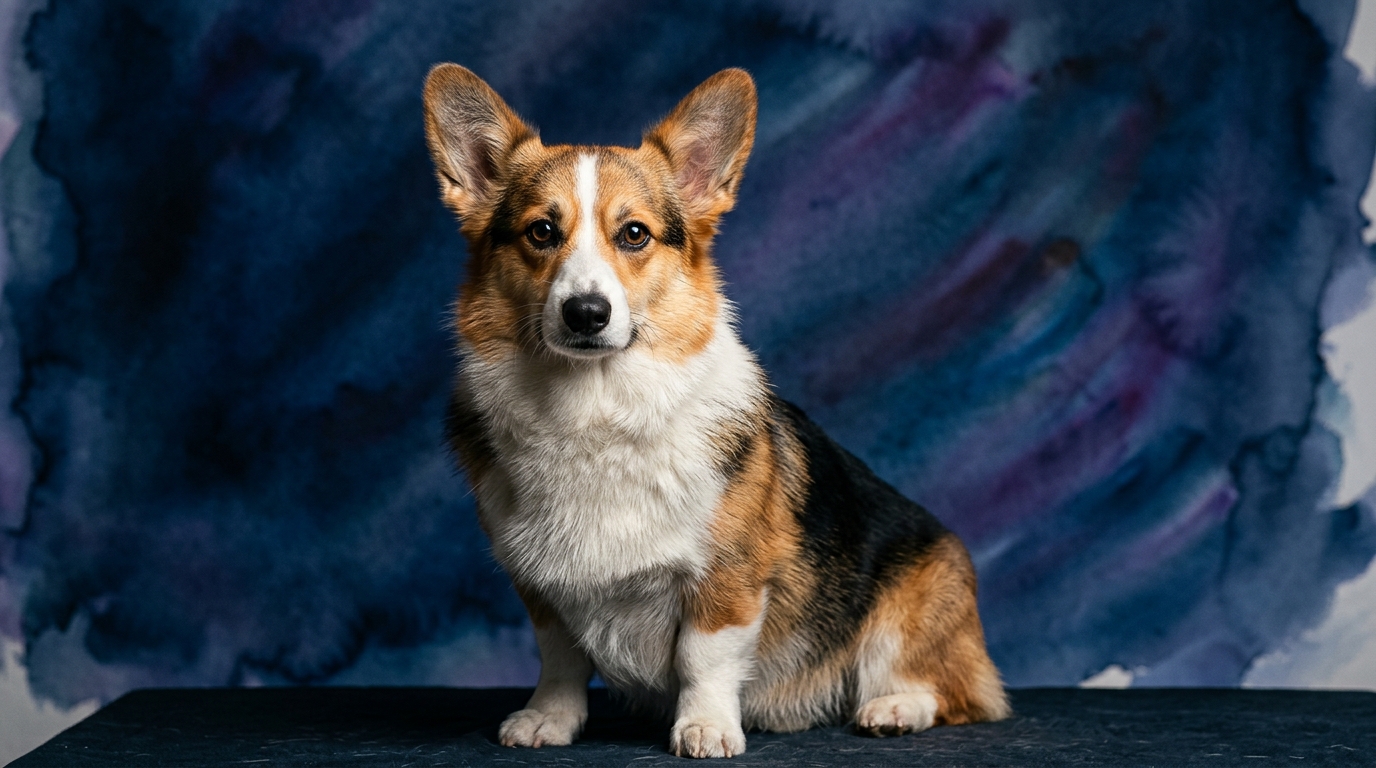
At The Cosmic Pet Pet IQ Lab, we dissect canine cognition across five key dimensions. The Pembroke Welsh Corgi, with a Coren ranking of #11, demonstrates a remarkable blend of attributes: Problem Solving 4/5, Training Speed 5/5, Social Intelligence 4/5, Instinctive Drive 5/5, and Memory 4/5. This profile paints a picture of a quick-witted, highly trainable, and socially aware dog, deeply connected to its herding heritage.
In contrast, the Old English Sheepdog, ranked #44 by Coren, presents a different cognitive blueprint: Problem Solving 3/5, Training Speed 3/5, Social Intelligence 3/5, Instinctive Drive 3/5, and Memory 4/5. This suggests a more deliberate learner, perhaps less inclined to rapid-fire problem-solving but possessing a sturdy memory, essential for tasks requiring consistent recall over time. Both breeds belong to the Herding group, yet their cognitive strategies for managing livestock and interacting with their world vary considerably.
The Corgi's higher scores across most categories, particularly in Training Speed and Instinctive Drive, indicate a dog that is often more eager to engage and quicker to grasp new concepts. Their strong social intelligence means they are generally adept at reading human cues and integrating into complex family dynamics, often anticipating needs or reacting sensitively to moods. This rapid processing and responsiveness are hallmarks of their cognitive design.
The Old English Sheepdog's consistent 3/5 scores in several areas, coupled with a strong 4/5 in Memory, highlight a cognitive style that prioritizes endurance and steady application. Their problem-solving might be less instantaneous, but their ability to retain information and routines is robust. This makes them reliable and consistent once a task or behavior is learned, relying on established patterns rather than constant improvisation.
Where Pembroke Welsh Corgi Excels Cognitively
The Pembroke Welsh Corgi's cognitive strengths are evident in its superior Problem Solving (4/5) and unparalleled Training Speed (5/5). These traits allow Corgis to master complex commands and intricate tricks with impressive swiftness, often requiring fewer repetitions than many other breeds. Their capacity to quickly assess novel situations and devise effective solutions makes them highly adaptable, whether navigating a new environment or figuring out how to access a coveted toy.
Their Social Intelligence (4/5) enables Corgis to form deep, intuitive bonds with their human companions, often understanding subtle shifts in tone or body language. This allows for nuanced communication and makes them particularly responsive family members. This social acumen, combined with their strong Instinctive Drive (5/5), means they are highly motivated to engage in activities alongside their owners, viewing tasks as an extension of their social bond and inherent purpose.
The Corgi's herding drive, while needing appropriate channeling, translates into a dog that is often perpetually 'on' and ready for action, a cognitive advantage for owners seeking an active, participatory companion. Their quick wit and eagerness to learn mean they thrive on mental stimulation, finding satisfaction in puzzles, advanced obedience, and agility work. This combination of speed, social awareness, and drive positions the Corgi as a highly versatile and engaging cognitive partner.
Where Old English Sheepdog Excels Cognitively
While the Old English Sheepdog may not boast the rapid problem-solving or training speed of the Corgi, its cognitive profile shines in areas emphasizing steadfastness and sustained recall. Their Memory score of 4/5, matching the Corgi, is a crucial asset for a breed historically tasked with independently overseeing large flocks across expansive territories. This robust memory allows them to retain extensive knowledge of routines, boundaries, and the movements of their charges, promoting reliability and consistency.
The OES's Instinctive Drive at 3/5, while moderate, can be a cognitive advantage in a companion setting. It means they possess a herding inclination without the intense, sometimes nippy, urgency of a higher-drive breed, making them generally gentler with children and other pets. This contributes to a calmer, more predictable presence in the home, a 'win' for owners prioritizing a placid disposition over constant high-energy engagement.
Their Social Intelligence (3/5) indicates a friendly and agreeable nature that, while perhaps less nuanced in reading subtle human cues than a Corgi, fosters strong, unwavering bonds based on affection and loyalty. This straightforward social approach can be appealing to owners who appreciate a companion that is openly affectionate and less prone to complex behavioral testing. The OES's cognitive strengths lie in their enduring loyalty, their capacity for consistent, long-term learning, and a mellow temperament that makes them a steady, comforting presence once their foundational training is established.
Training Dynamics: Corgi vs. Old English Sheepdog
When considering ease of training, the Pembroke Welsh Corgi generally presents a more efficient learning curve due to its Training Speed of 5/5. Corgis are quick to grasp new commands and concepts, often excelling in obedience and trick training with minimal repetition. Their high Instinctive Drive (5/5) means they are highly motivated by tasks and derive satisfaction from working alongside their owners, making positive reinforcement particularly effective. However, their quick wit also means they can be equally quick to learn undesirable behaviors if not consistently guided, requiring owners to be equally sharp and consistent.
The Old English Sheepdog, with a Training Speed of 3/5, requires a more patient and consistent approach. They learn at a steadier pace, necessitating more repetitions to solidify commands and routines. Their excellent Memory (4/5) ensures that once a behavior is learned, it is retained, but the initial acquisition period is longer. Their moderate Instinctive Drive (3/5) means that while they enjoy engagement, owners might need to be more creative in maintaining motivation, focusing on positive reinforcement and clear, consistent communication. OES tend to respond well to routines and thrive on predictability, making them reliable partners for owners committed to a structured training regimen.
Ideal Owners: Active vs. Relaxed Lifestyles
The Pembroke Welsh Corgi, with its high Problem Solving (4/5) and Instinctive Drive (5/5), thrives with active owners who can provide consistent mental and physical stimulation. They require structured activities, such as advanced obedience, agility, or herding games, to channel their energy and cognitive abilities. Owners who enjoy engaging their dogs in learning new skills, solving puzzles, and participating in dog sports will find the Corgi an enthusiastic and rewarding partner. Without adequate mental engagement, a Corgi might invent its own 'jobs,' which can sometimes be mischievous.
The Old English Sheepdog, while still a herding breed, fits well with owners who appreciate a balance of moderate activity and a calm home presence. Their Instinctive Drive (3/5) means they need regular exercise to maintain their physical health and prevent boredom, but they are generally less demanding of constant, high-intensity mental challenges than a Corgi. They are content with consistent daily walks, playtime in a yard, and then settling down for companionship indoors. Owners who value a loyal, amiable companion for consistent routines and a comfortable, relaxed home life will find the Old English Sheepdog an ideal fit, provided their exercise needs are met.
The Verdict
For owners seeking a swift, adaptable, and highly engaged companion eager for mental challenges and quick learning, the Pembroke Welsh Corgi is an excellent choice.
Those who prefer a steadfast, amiable companion, valuing consistent routines and a calm presence, and are prepared for a more deliberate training approach, will find the Old English Sheepdog a rewarding partner.
🧠 Find Your Pet's IQ Score
Our Pet IQ Lab assessment covers 25+ tests across 5 cognitive dimensions — personalized to your breed.
Take the Full IQ Test →Frequently Asked Questions
Do Corgis bark a lot due to their cognitive traits?
Corgis, with their high instinctive drive and social intelligence, often use barking as a communication tool, particularly when herding or alerting their 'flock.' This vocal tendency stems from their inherent need to communicate and manage their environment, a cognitive trait that can be managed with consistent training and redirection.
Is the Old English Sheepdog's strong memory useful for more than just herding?
Absolutely. Their strong memory (4/5) allows Old English Sheepdogs to retain routines, commands, and familiar faces over long periods, making them reliable companions in structured home environments. This capacity for consistent recall contributes to their steady and predictable nature once trained, fostering a sense of security and trust.
How does the Corgi's high training speed benefit a first-time dog owner?
A Corgi's exceptional training speed (5/5) can be advantageous for first-time owners who are committed to consistent positive reinforcement, as they will often see results quickly and build confidence. However, their quick wit also means owners must be equally swift and consistent to prevent them from learning undesirable behaviors or outsmarting their human counterparts.