Side-by-Side IQ Profile: Corgi vs. Pomeranian
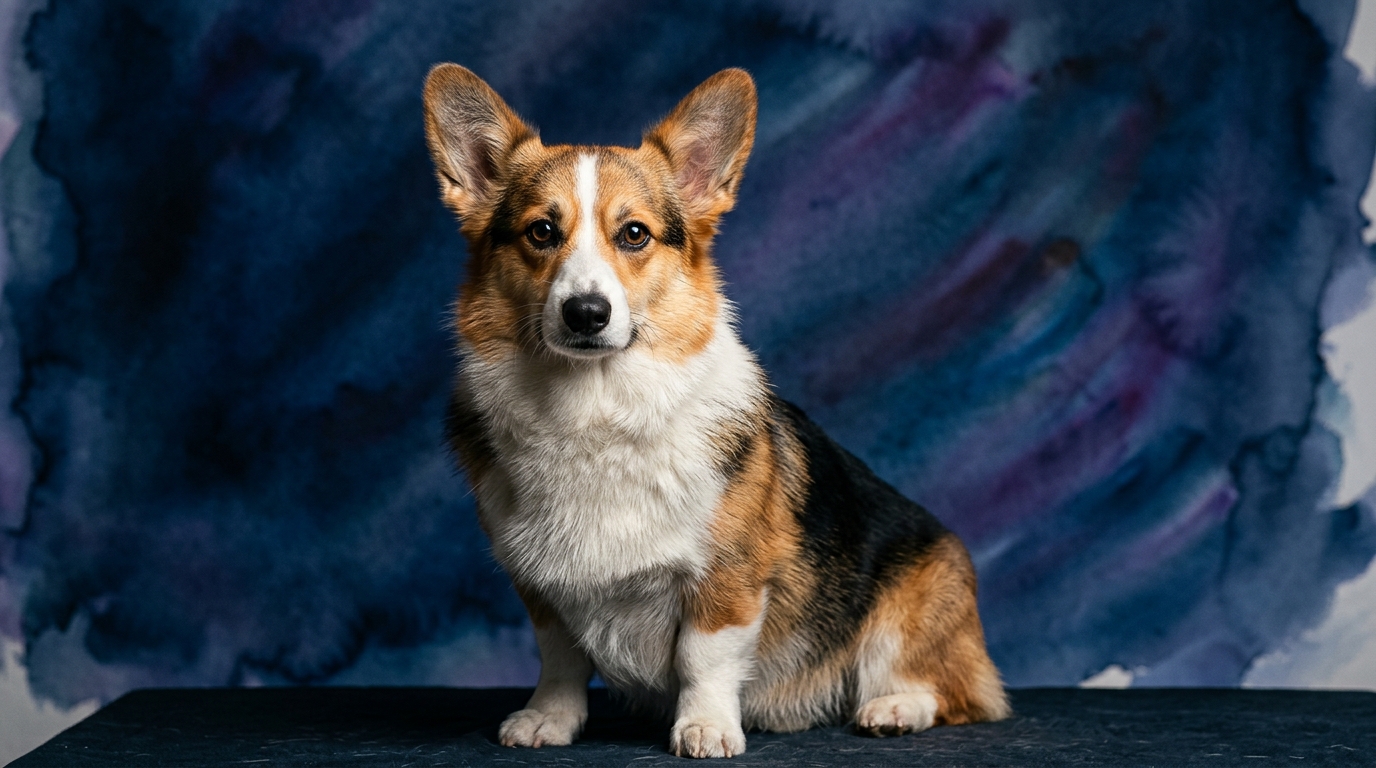
At The Cosmic Pet Pet IQ Lab, we offer a detailed look into the cognitive architecture of breeds like the Pembroke Welsh Corgi and the Pomeranian. The Pembroke Welsh Corgi, ranked #11 by Stanley Coren, presents a robust profile: problem-solving 4/5, reflecting strong adaptability; training speed a standout 5/5, indicating rapid command acquisition; social intelligence 4/5, for deep human connection; an instinctive drive of 5/5, showcasing strong herding impulses; and memory 4/5, ensuring good retention of learned behaviors.
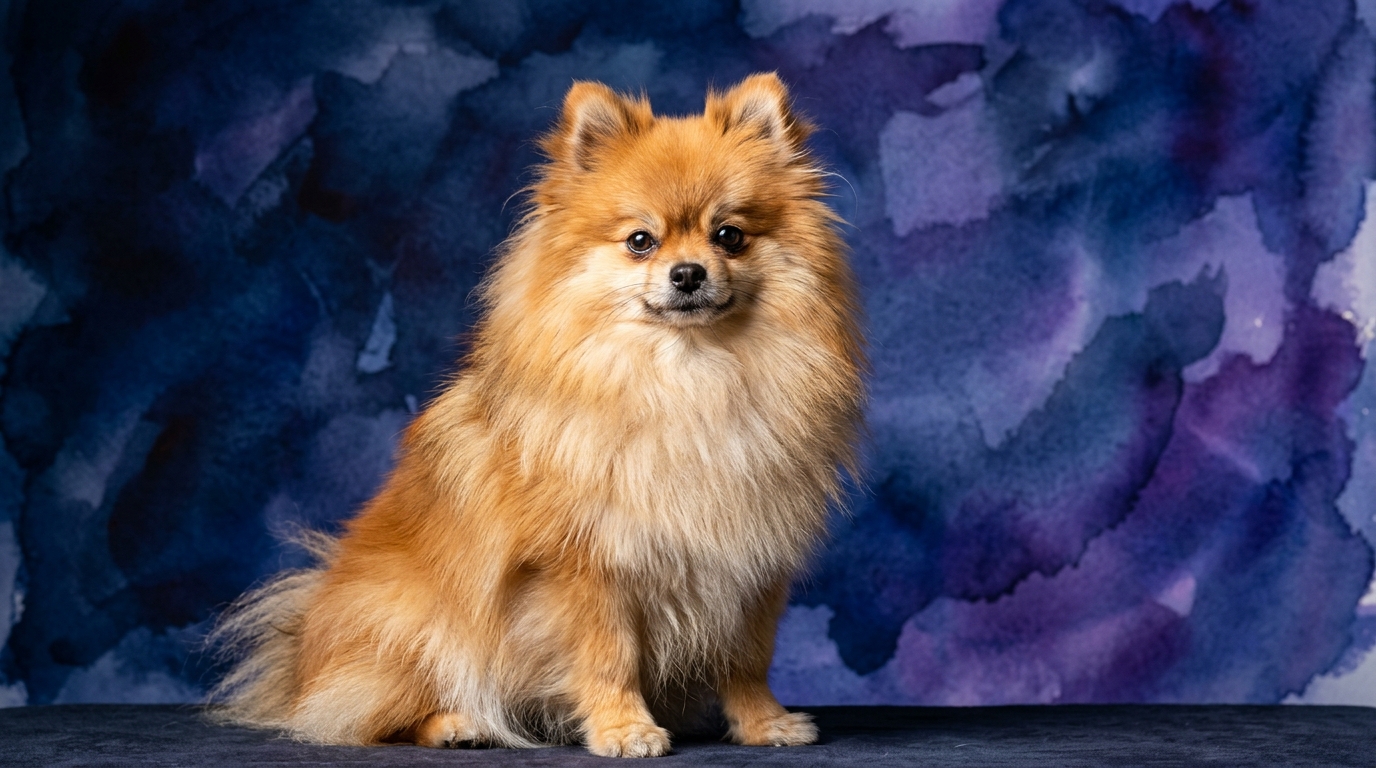
The Pomeranian, a toy breed ranked #23, offers a distinct yet equally engaging cognitive blueprint. It scores 4/5 in problem-solving, demonstrating cleverness in adapting to its environment. Training speed is 4/5, suggesting efficient learning with consistent reinforcement. Social intelligence matches the Corgi at 4/5, confirming strong bonding capabilities. The Pomeranian’s instinctive drive, however, is 3/5, indicating a less intense working impulse often directed towards companionship. Its memory also stands at 4/5, supporting recall for commands and experiences.
Where the Pembroke Welsh Corgi Excels Cognitively
The Pet IQ Lab data highlights the Pembroke Welsh Corgi's cognitive strengths, particularly in areas aligning with its historical working role. Its perfect 5/5 training speed, surpassing the Pomeranian’s 4/5, means Corgis acquire new commands and complex sequences with remarkable swiftness. This reflects an innate capacity for rapid comprehension and an eagerness for structured instruction, translating into fewer repetitions needed for mastery.
Further, the Corgi’s instinctive drive, a robust 5/5 compared to the Pomeranian’s 3/5, provides a significant cognitive edge for purpose-driven engagement. This powerful drive translates into a deep-seated inclination for tasks that leverage their herding heritage. A Corgi's cognitive processing is often geared towards understanding and executing "jobs," whether navigating an agility course or participating in rally obedience. This strong internal motivation makes them exceptionally receptive to challenges that tap into their natural inclinations, allowing them to channel their mental faculties into focused, productive pursuits.
Where the Pomeranian Shines Cognitively
While direct scores might favor the Corgi, the Pomeranian's unique cognitive profile presents distinct advantages for specific lifestyles. Its instinctive drive, rated at 3/5 compared to the Corgi’s 5/5, means the Pomeranian’s cognitive resources are less consumed by a powerful, inherent working impulse. For owners seeking a companion whose primary 'job' is to be a delightful family member, this lower drive is a cognitive 'win,' translating to easier integration into a domestic setting without the persistent need for extensive ancestral tasks.
The Pomeranian’s problem-solving ability, matching the Corgi at 4/5, combined with its 4/5 social intelligence, allows them to navigate household dynamics and human interactions with considerable cleverness. Their mental energy is often channeled into observing surroundings, learning family routines, and devising ways to engage with their people. This makes them adept at subtle communication and adapting behavior to fit the home's social landscape, showcasing a practical, domestically-oriented application of their intelligence.
Ease of Training: Corgi vs. Pomeranian
Evaluating ease of training through The Cosmic Pet Pet IQ Lab data strongly favors the Pembroke Welsh Corgi. Their training speed of 5/5, coupled with a 5/5 instinctive drive, indicates an exceptional capacity for rapid learning and command acquisition. Corgis are eager to participate in training, quickly grasping complex multi-step commands with minimal repetition. Their herding background instills a natural attentiveness and responsiveness to direction, making them highly pliable students eager to please and perform tasks.
The Pomeranian, while a capable learner with a training speed of 4/5, offers a different training experience. Their lower instinctive drive of 3/5 means they might not inherently seek out formal training as a primary mental outlet. While they understand commands efficiently, Pomeranians may require more varied and engaging approaches to maintain focus. Behavioral nuances include a propensity for 'selective hearing' if not sufficiently motivated. Successful training with a Pomeranian often thrives on making sessions feel like play, utilizing positive reinforcement to tap into their social intelligence rather than relying on an inherent drive to 'work.'
Matching Breeds to Owner Lifestyles
The distinct cognitive profiles of these breeds make them suitable for different owner lifestyles regarding activity and mental engagement. For active owners who thrive on providing consistent challenges, the Pembroke Welsh Corgi is an ideal match. Their 5/5 instinctive drive means they possess a robust internal engine for purposeful activity, requiring regular mental and physical outlets. Corgis excel in canine sports like agility or obedience trials, where their 4/5 problem-solving and 5/5 training speed are fully utilized. An active owner can channel this drive into productive engagements, preventing boredom.
Conversely, the Pomeranian, with its 3/5 instinctive drive, is often a better fit for more relaxed owners. While energetic, their cognitive needs are less centered on demanding occupational tasks. Pomeranians derive significant satisfaction from social interaction (4/5 social intelligence) and being involved in daily household routines. They are content with moderate daily walks and interactive indoor games that challenge their 4/5 problem-solving skills in a less physically strenuous manner. A relaxed owner can provide ample mental stimulation through puzzle toys and companionship, satisfying their cognitive and social requirements without necessitating a rigorous, task-oriented lifestyle.
The Verdict
For owners seeking a highly responsive, task-oriented companion eager for structured activities and quick to learn complex commands, the Pembroke Welsh Corgi is an excellent fit. They thrive with consistent engagement that taps into their robust herding instincts.
If you desire a clever, sociable companion that is highly adaptable to a home environment without needing intense occupational outlets, the Pomeranian offers a delightful partnership. They excel in companionship where their quick wit and affectionate nature can shine.
🧠 Find Your Pet's IQ Score
Our Pet IQ Lab assessment covers 25+ tests across 5 cognitive dimensions — personalized to your breed.
Take the Full IQ Test →Frequently Asked Questions
Do Corgis and Pomeranians learn at the same pace?
No, our data indicates the Pembroke Welsh Corgi has a training speed of 5/5, suggesting they grasp new commands very quickly, while the Pomeranian's 4/5 rating means they learn efficiently but might require slightly more consistent repetition.
How do their social interaction skills compare?
Both breeds score 4/5 in social intelligence, meaning both the Corgi and Pomeranian are adept at understanding human cues and forming strong bonds with their families, making them highly responsive companions.
Is one breed more prone to independent thinking or stubbornness?
The Corgi's higher instinctive drive (5/5) can sometimes manifest as independent decision-making rooted in their herding past, while the Pomeranian's lower drive (3/5) means their perceived stubbornness might stem more from a desire for engagement rather than a strong working impulse.