
Side-by-side IQ profile
The Pembroke Welsh Corgi, a breed with a formidable Coren rank of #11 in obedience and working intelligence, demonstrates a keen intellect rooted in its herding heritage. Their Problem Solving is rated 4/5, reflecting a capacity for resourcefulness in navigating complex situations, such as managing a flock or figuring out puzzle toys. Training Speed, at 5/5, highlights their exceptional ability to grasp new commands and routines with remarkable quickness, often requiring fewer repetitions than many other breeds. Social Intelligence, scored 4/5, indicates a strong aptitude for reading human cues and adapting their behavior to social contexts, making them highly responsive companions. Their Instinctive Drive, a perfect 5/5, underscores their deep-seated urge to organize, control, and work, often manifesting as a desire to "herd" family members or pets. Finally, Memory, at 4/5, ensures they retain learned behaviors and intricate routines over extended periods, contributing to their consistent performance.
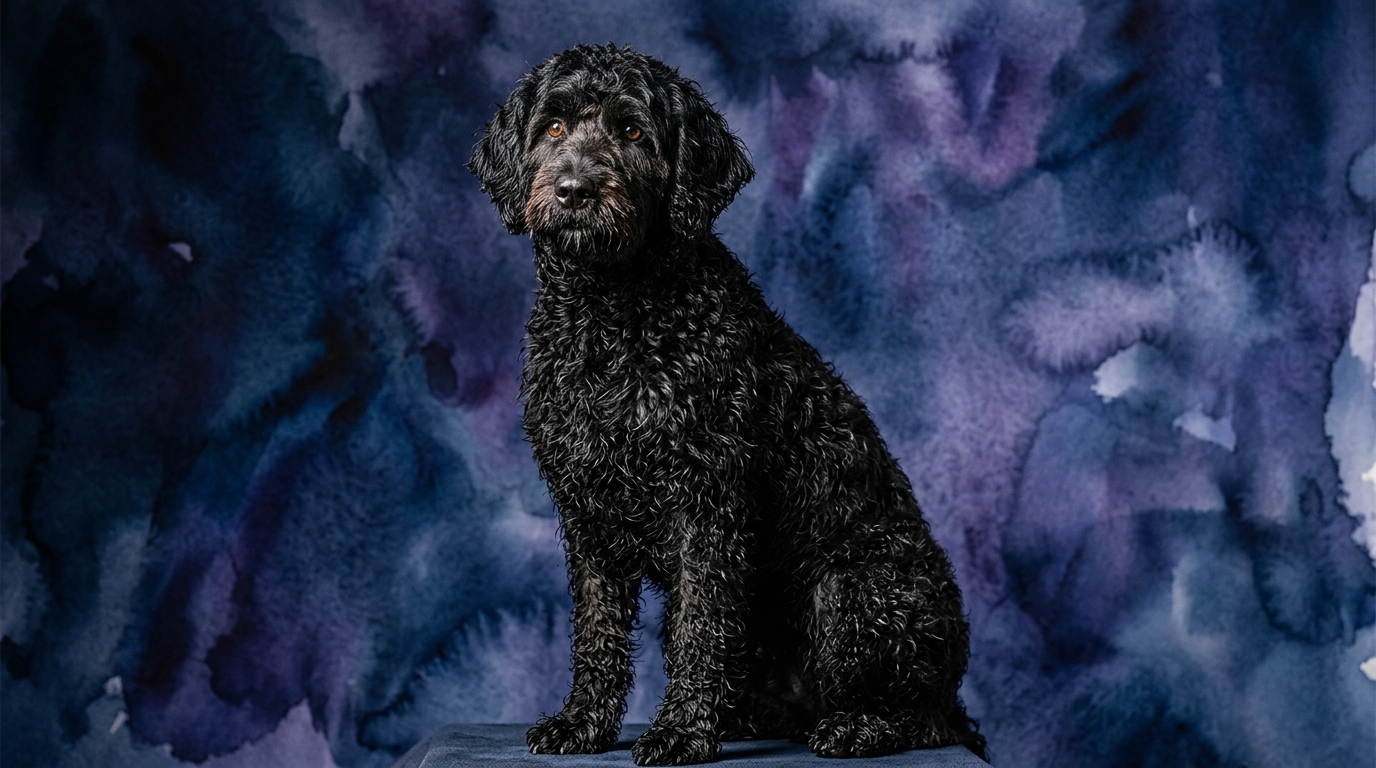
The Portuguese Water Dog, while not included in Coren's specific ranking, possesses a distinct cognitive makeup shaped by its history as a fisherman's assistant. Their Problem Solving is rated 3/5, suggesting a methodical approach to challenges, often relying on persistence and trial-and-error rather than immediate, intuitive leaps. Training Speed, also 3/5, means they learn at a moderate pace, requiring consistent, clear instruction and patience to master new skills. Social Intelligence, at 3/5, indicates they form strong bonds but may exhibit a more independent streak, focusing on their task rather than constantly seeking human approval or adapting to subtle social shifts. Their Instinctive Drive, 3/5, is strongly tied to their water-working heritage, including retrieving from water and guarding boats, showcasing a focused, enduring drive for specific tasks. Memory, at 3/5, supports their ability to recall specific commands and learned behaviors relevant to their working duties, though perhaps not with the same breadth or speed as a Corgi.
Where the Pembroke Welsh Corgi Excels Cognitively
The Pembroke Welsh Corgi's cognitive strengths shine brightly, particularly in areas demanding rapid learning, social attunement, and adaptable problem-solving. Their outstanding 5/5 Training Speed means they absorb new commands and complex sequences with impressive alacrity, often making them a delight to teach. This rapid acquisition, coupled with a 4/5 Problem Solving ability, allows them to quickly assess novel situations and devise effective solutions, whether it's navigating an obstacle course or figuring out how to retrieve a dropped toy from an awkward spot. Their 4/5 Social Intelligence makes them exceptionally adept at understanding human moods and intentions, enabling them to adjust their behavior accordingly and fostering a deep, responsive bond with their families. This social acumen, combined with their 5/5 Instinctive Drive, which manifests as a strong desire to manage and direct, positions them as highly engaged participants in family life, always ready to contribute or take charge. Their 4/5 Memory ensures that these learned behaviors and social understandings are not fleeting, but rather become ingrained, making them consistently reliable companions once trained. The Corgi's Coren rank of #11 is a testament to this blend of cognitive agility, reflecting their capacity for high-level obedience and responsive participation in structured tasks.
Cognitive Strengths of the Portuguese Water Dog
While the Portuguese Water Dog's cognitive profile differs from the Corgi's, it reveals a distinct set of strengths tailored to their demanding working history. Their 3/5 Problem Solving, though not as swift as the Corgi's, speaks to a tenacious and persistent approach; these dogs are not easily deterred and will work through challenges methodically until a solution is found, a crucial trait for retrieving objects from choppy waters. Their 3/5 Training Speed, while moderate, indicates a capacity for deep, lasting learning when instruction is clear and consistent, favoring repetition and reinforcement over quick generalization. The 3/5 Social Intelligence suggests a dedicated loyalty, often forming intense bonds with their primary caregivers, and while they may not read every subtle social nuance, they are steadfast in their companionship. The PWD's 3/5 Instinctive Drive is a powerful force, deeply rooted in their heritage of water retrieval and boat guarding. This drive translates into a strong desire for purpose-driven work, particularly tasks involving water, making them exceptional partners for activities like dock diving or retrieving. Their 3/5 Memory ensures they retain the specific skills and routines essential for their specialized tasks, building a reliable repertoire of behaviors over time. These scores collectively paint a picture of a dog whose intelligence is geared towards endurance, focused work, and resilience, rather than broad, instantaneous adaptability.
Trainability: Corgi vs. PWD
When comparing trainability, the Pembroke Welsh Corgi generally presents a more straightforward and rapid learning experience for most owners. Their 5/5 Training Speed means they pick up commands with remarkable swiftness, often requiring only a few repetitions before understanding. This, combined with their 4/5 Social Intelligence, makes them highly responsive to human direction and eager to please, translating into efficient training sessions. Their strong 5/5 Instinctive Drive, rooted in herding, can be readily channeled into obedience work, agility, or other structured activities, as they naturally seek purpose and direction. Owners often find Corgis quickly grasp complex sequences and enjoy the mental challenge of learning new tricks or tasks. In contrast, the Portuguese Water Dog, with a 3/5 Training Speed, typically requires a more patient and consistent approach. While capable of learning, they may not absorb new information as quickly or generalize it as broadly as a Corgi. Their 3/5 Social Intelligence suggests they might be more independent in their learning, requiring clearer, more direct instructions rather than subtle cues. Their 3/5 Instinctive Drive, while strong, is often more narrowly focused on their specific working heritage, meaning owners need to be creative in channeling this drive into general obedience or sport, perhaps by incorporating water-based activities. Training a PWD demands dedication, clarity, and an understanding that their progress might be more gradual, yet ultimately rewarding for those who commit to their unique learning style.
Matching Breeds to Lifestyles: Active vs. Relaxed Owners
Deciding between a Pembroke Welsh Corgi and a Portuguese Water Dog often comes down to an owner's lifestyle and how much mental and physical engagement they can consistently provide. For an owner who is active but appreciates a companion that can also settle readily indoors, the Pembroke Welsh Corgi offers an excellent balance. Their 5/5 Instinctive Drive means they thrive on structured activities like obedience, agility, or even herding games, which satisfy their deep-seated need to work and organize. While they are not sedentary, their exercise requirements can often be met with regular walks, play sessions, and mental puzzles, making them suitable for active individuals or families who enjoy daily engagement but don't necessarily need an extreme sport partner. Conversely, the Portuguese Water Dog is undeniably suited for highly active and dedicated owners. Their heritage as working dogs for fishermen means they possess significant stamina and a persistent 3/5 Instinctive Drive that demands substantial physical exertion and mental stimulation, especially involving water. A PWD thrives with owners who can provide daily vigorous exercise, such as long runs, swimming, or engaging in dog sports like dock diving, agility, or competitive obedience. A relaxed owner who cannot commit to consistent, high-energy outlets will likely find a PWD challenging, as their unmet drive can lead to boredom and potentially destructive behaviors. The PWD needs a job, and an owner prepared to be their consistent, active partner in fulfilling that need.
The Verdict
Choose the Pembroke Welsh Corgi if you seek a highly trainable, socially responsive companion eager to engage in diverse mental challenges and structured activities within a moderately active household.
Opt for the Portuguese Water Dog if you are a dedicated, highly active owner prepared to provide consistent, purpose-driven training and ample vigorous physical and mental exertion, particularly involving water activities.
🧠 Find Your Pet's IQ Score
Our Pet IQ Lab assessment covers 25+ tests across 5 cognitive dimensions — personalized to your breed.
Take the Full IQ Test →Frequently Asked Questions
Are Pembroke Welsh Corgis suitable for first-time dog owners?
Yes, Corgis can be suitable for first-time owners due to their high trainability (5/5 Training Speed) and social responsiveness (4/5 Social Intelligence). However, new owners should be prepared for their strong herding instincts (5/5 Instinctive Drive), which require consistent guidance and mental stimulation to channel appropriately.
What kind of grooming does a Portuguese Water Dog require?
Portuguese Water Dogs require regular grooming to maintain their distinctive single coat, which is either wavy or curly and does not shed much but grows continuously. They need frequent brushing and professional clipping every 6-8 weeks to prevent matting, a reflection of their water-working heritage where a well-maintained coat was crucial.
Can a Portuguese Water Dog thrive in an apartment setting?
A Portuguese Water Dog can potentially thrive in an apartment, but only with an exceptionally committed and active owner who can guarantee multiple hours of vigorous exercise and mental engagement daily. Their high energy and strong instinctive drive (3/5) mean they require significant outdoor activity, swimming, and structured play to prevent boredom and ensure their well-being.