Side-by-Side IQ Profile: Pembroke Welsh Corgi vs. Puli
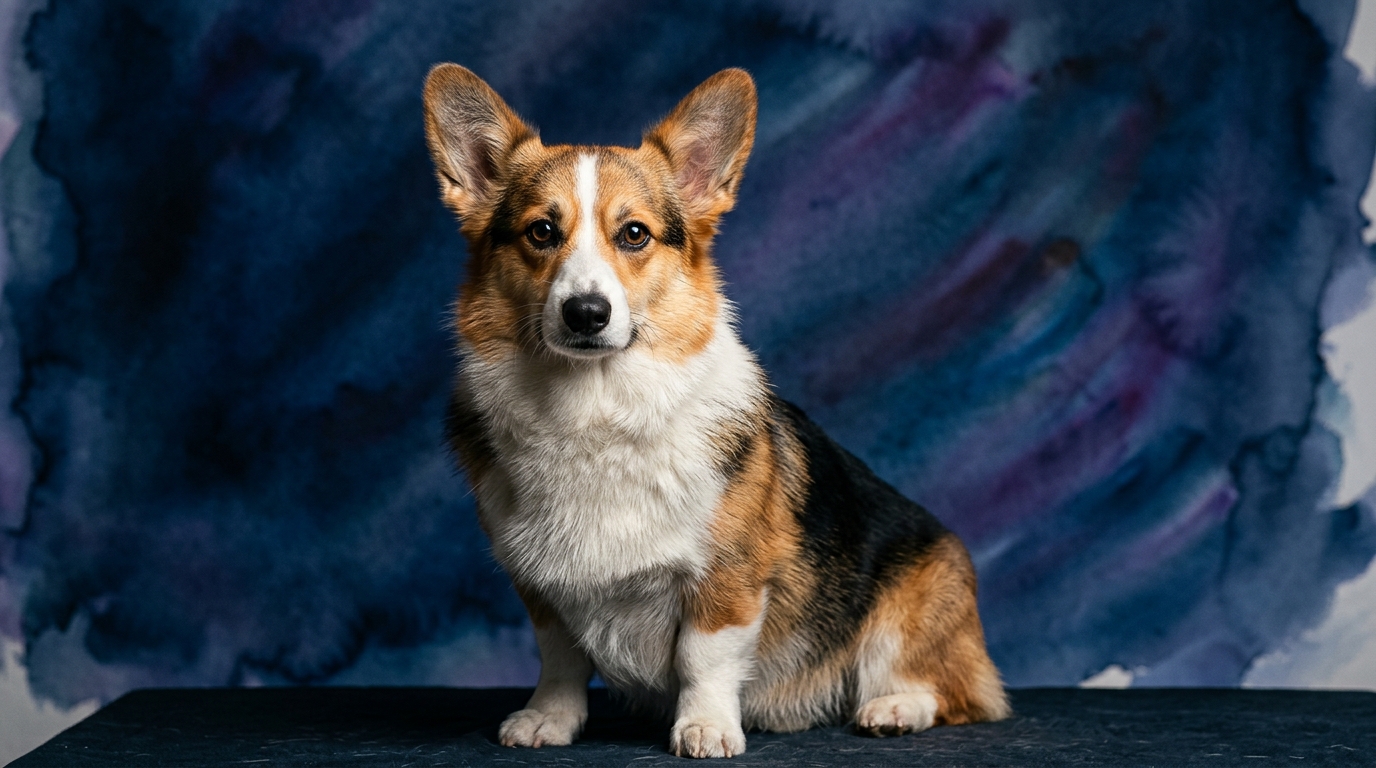
The Pembroke Welsh Corgi, ranking impressively at Coren #11, demonstrates a well-rounded cognitive profile that emphasizes responsiveness and drive. Their Problem Solving score of 4/5 indicates a breed adept at navigating complex tasks, often finding efficient routes to desired outcomes with a pragmatic approach. Training Speed, a standout at 5/5, highlights their exceptional ability to rapidly acquire and internalize new commands and routines, making them exceptionally eager learners who thrive on mental engagement. Social Intelligence, rated 4/5, points to a breed highly attuned to human emotional cues and social structures, thriving as an integrated, interactive family member. Their Instinctive Drive, a robust 5/5, underscores a powerful innate desire for structured work, particularly herding tasks, translating into a consistent need for purposeful activity. Finally, a Memory score of 4/5 suggests they retain learned behaviors and past experiences with considerable fidelity, allowing them to build a comprehensive repertoire of skills and associations over time.
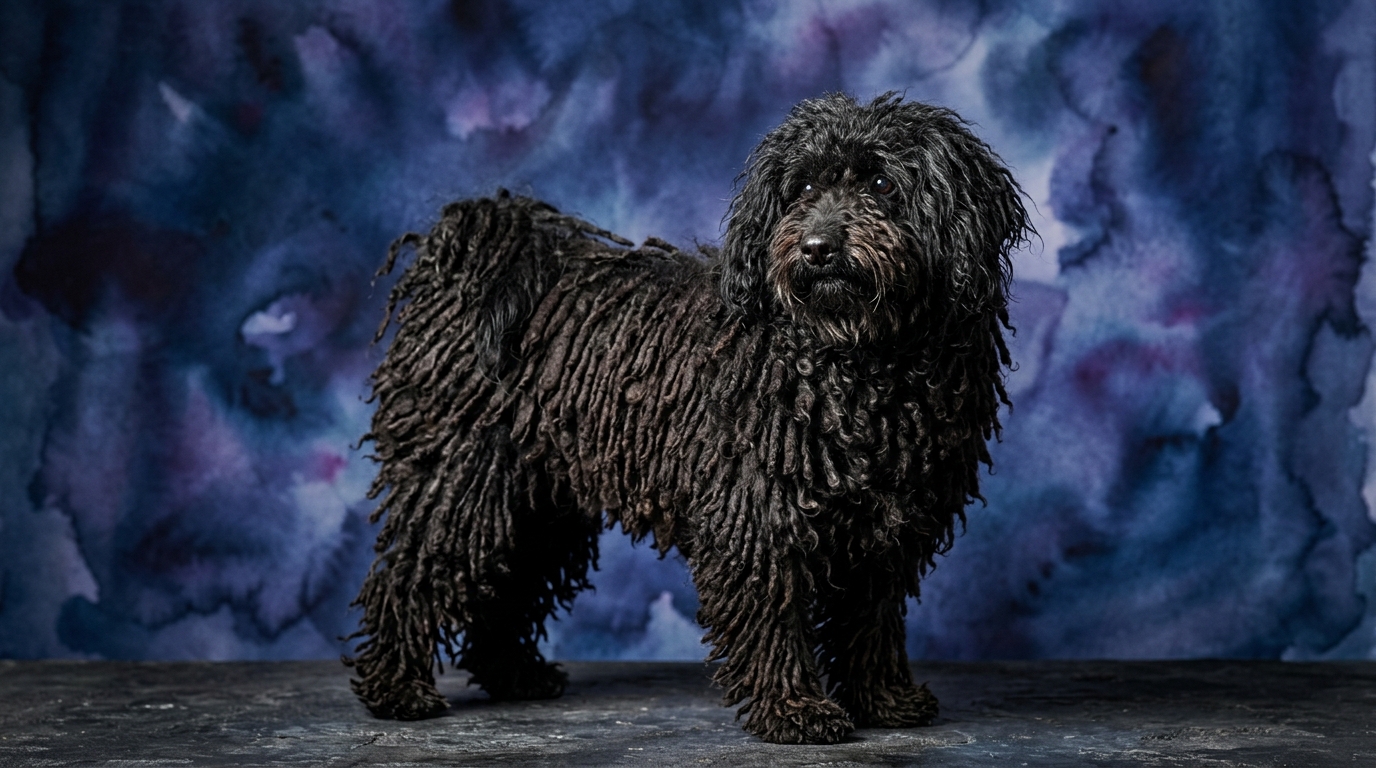
In contrast, the Puli, positioned at Coren #25, presents a distinct cognitive makeup that leans towards independence and watchful deliberation. Their Problem Solving also scores 4/5, signifying a strong capacity for independent thought and resourceful approaches to overcome obstacles, often with a persistent and self-reliant streak. While effective, their Training Speed of 4/5 suggests they learn new behaviors reliably, though perhaps requiring a touch more repetition or varied motivational strategies compared to the Corgi's immediate eagerness. Social Intelligence, at 3/5, indicates a more reserved demeanor; they form deep, loyal bonds with their immediate family but often show less overt social engagement or immediate warmth with strangers or broader social groups. Their Instinctive Drive, 3/5, is present but manifests differently; it's less about vigorous, active herding and more about watchful guarding and patrolling, implying a focus on observation, discernment, and protection. A Memory score of 4/5 aligns with the Corgi, signifying a strong ability to recall past events and learned commands, ensuring they build a reliable mental map of their environment and experiences.
Where the Pembroke Welsh Corgi Wins Cognitively
The Pembroke Welsh Corgi's cognitive strengths shine particularly bright in areas demanding rapid assimilation of information and enthusiastic social engagement, making them highly adaptable in human-centric environments. Their superior Training Speed (5/5 versus the Puli's 4/5) means Corgis typically grasp new commands and complex sequences of actions with remarkable alacrity, often requiring fewer repetitions to achieve mastery. This swift learning curve is frequently coupled with their higher Social Intelligence (4/5 compared to Puli's 3/5), making them exceptionally responsive to human direction, verbal cues, and praise. A Corgi's strong desire to please and participate in human-led activities translates directly from their cognitive make-up, fostering a highly collaborative and dynamic learning environment where they actively seek to understand and comply. Furthermore, their Instinctive Drive (5/5 versus Puli's 3/5) is a powerful cognitive asset, channeling a natural inclination for structured work into focused training and activity, making them more predisposed to engage in tasks that mimic their historical herding roles. This combination of quick learning, social attunement, and high drive provides the Corgi with a distinct advantage in environments requiring consistent, responsive interaction and quick adaptation to novel tasks introduced by their human companions, making them often appear more 'plug-and-play' in varied roles.
Where the Puli Wins Cognitively
While the Puli's overall scores might appear slightly lower in some dimensions, their cognitive profile reveals distinct advantages, particularly in areas of independent thought, self-reliance, and persistent problem-solving. The Puli's Problem Solving score of 4/5, identical to the Corgi's, combined with a comparatively lower Social Intelligence (3/5) and Instinctive Drive (3/5), suggests a dog that is less reliant on constant human direction or immediate social reinforcement to devise solutions. This makes them particularly adept at tasks requiring sustained focus and a degree of independent decision-making, where they might persist in finding a workaround or navigating a complex scenario without needing immediate human reassurance or guidance. Their cognitive framework supports a more deliberate, watchful approach, often observing situations and processing information before acting, which can be an asset in roles requiring discernment, patience, and independent judgment rather than immediate, energetic action. The Puli's robust Memory (4/5) ensures that once a solution is discovered or a lesson learned, it is retained effectively, allowing them to build upon past experiences and apply learned strategies independently. This blend of strong problem-solving ability and a more measured, self-contained disposition makes the Puli excel in situations where thoughtful analysis, resilience, and persistent, self-directed effort are paramount, rather than rapid, socially driven responsiveness.
Which is Easier to Train and Why
When evaluating ease of training, the Pembroke Welsh Corgi generally presents a more straightforward and often more immediately rewarding experience for the average owner. Their exceptional Training Speed (5/5) means they pick up commands and routines very quickly, often with enthusiastic participation and a genuine eagerness to engage. This rapid acquisition is amplified by their high Social Intelligence (4/5), which makes them highly receptive to human cues, praise, and motivational feedback. Corgis are inherently collaborative learners; they are eager to engage with their trainers, viewing training as a shared activity, and their strong Instinctive Drive (5/5) means they genuinely enjoy having a 'job' and thrive on structured activities that provide mental and physical outlets. They are less likely to offer resistance or independent interpretations of commands, preferring to work *with* their human and readily accepting guidance. Conversely, the Puli, while certainly trainable with a respectable 4/5 Training Speed, often requires a different approach and a more nuanced understanding from their owner. Their lower Social Intelligence (3/5) means they might be less overtly motivated by human approval alone; they can be more reserved and may require more varied motivators beyond simple praise, potentially responding better to puzzle-solving or reward-based methods. Their Instinctive Drive (3/5) is also less intense and more focused on watchful duties, meaning while they can learn, the inherent 'desire to work' might not be as readily apparent or as easily channeled into complex obedience routines as with a Corgi. Pulis can exhibit a streak of independent thought and a stubborn streak, sometimes preferring to solve problems their own way rather than strictly adhering to a human-prescribed method. This means Puli training often demands greater patience, unwavering consistency, and a deeper understanding of canine motivation from the owner to achieve the same level of precision and responsiveness seen in a Corgi, making them a more challenging but ultimately rewarding prospect for experienced trainers.
Which Suits Active Owners vs. Relaxed Owners
For owners who lead an active lifestyle and seek a highly engaged, interactive canine companion, the Pembroke Welsh Corgi is an ideal match. Their robust Instinctive Drive (5/5) mandates consistent mental and physical stimulation, thriving on activities that tap into their herding heritage, such as agility, obedience, advanced trick training, or even herding games. Corgis are not content to be mere couch potatoes; their cognitive makeup demands regular engagement, a sense of purpose, and plenty of interaction, making them excellent partners for owners dedicated to daily walks, structured training sessions, and interactive play. They are keen participants in family activities and appreciate having a 'job' to do, converting their energy and intelligence into productive outlets. Conversely, the Puli, with its more moderate Instinctive Drive (3/5) and lower Social Intelligence (3/5), can be a better fit for owners who appreciate a companion with a more independent spirit, though still requiring regular exercise to maintain physical and mental well-being. While Pulis are certainly not sedentary, their drive is often channeled into watchful observation, patrolling their territory, and engaging in more self-directed activities rather than constant, high-energy interaction with their human. They require stimulating walks and playtime but might be less insistent on continuous human-led activities than a Corgi. A Puli can be content to guard the home while their owner relaxes, offering loyal companionship and an attentive presence without the same demanding need for constant human interaction or highly structured activity that a Corgi typically exhibits. They suit owners who value a thoughtful, watchful presence and are prepared to engage them intellectually and physically in a more deliberate, less high-octane manner.
The Verdict
Choose a Pembroke Welsh Corgi if you desire a highly responsive, eager-to-please companion who thrives on consistent human interaction, rapid learning, and engaging in structured activities. Their high training speed and social intelligence make them excellent for novice trainers or those seeking a dog for competitive obedience or agility.
Opt for a Puli if you appreciate a more independent, thoughtful companion who excels in self-reliant problem-solving and offers a watchful, loyal presence, even if training requires more patience. They are a good fit for owners who value a dog with a unique character and a less overtly demanding social dynamic.
🧠 Find Your Pet's IQ Score
Our Pet IQ Lab assessment covers 25+ tests across 5 cognitive dimensions — personalized to your breed.
Take the Full IQ Test →Frequently Asked Questions
Are Pembroke Welsh Corgis good for first-time dog owners?
Yes, their high Training Speed and Social Intelligence make them generally easier for first-time owners to train and integrate into a family. They are eager learners and respond well to consistent positive reinforcement, making the learning process rewarding for both dog and owner.
Do Pulis require a lot of grooming?
Yes, Pulis are known for their unique corded coats, which require significant grooming to maintain. While they don't shed much, preventing matting and ensuring proper cord formation demands a dedicated grooming routine, which is a key consideration for potential owners.
Which breed is better with children?
The Pembroke Welsh Corgi, with its higher Social Intelligence (4/5), is generally more adaptable and overtly friendly with children, thriving on being part of family activities. Pulis, having a lower Social Intelligence (3/5), can be more reserved and protective, requiring careful socialization and supervision, though they form deep bonds with their family.