Side-by-Side IQ Profile
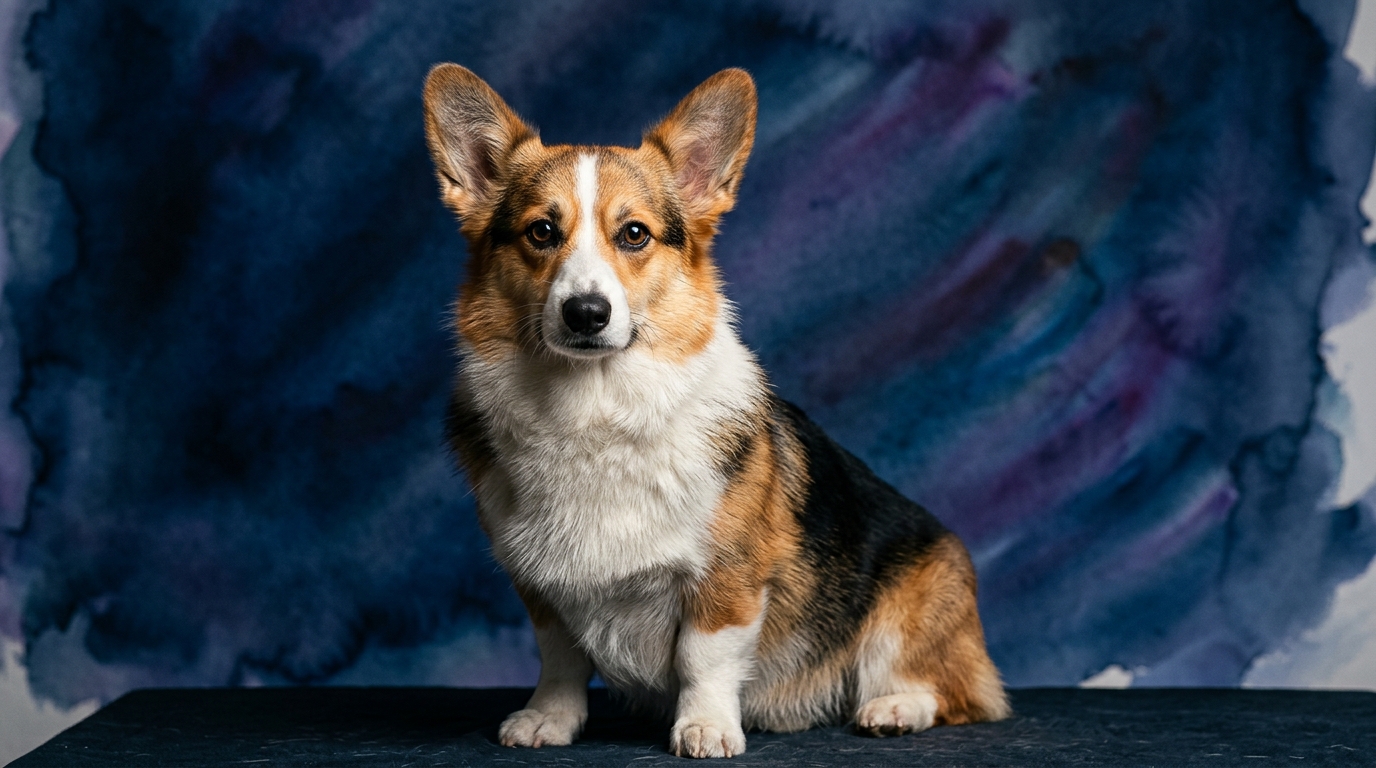
The Pembroke Welsh Corgi, a breed with a Coren rank of #11, demonstrates a well-rounded cognitive profile. They score 4/5 in Problem Solving, adept at figuring out puzzles and finding creative solutions to access desired items or achieve goals. Their Training Speed is exceptional at 5/5, indicating rapid absorption of commands and a strong affinity for structured lessons. Social Intelligence is rated 4/5, showcasing their responsiveness to human cues and keen observation of household dynamics. With an Instinctive Drive of 5/5, their herding tendencies are pronounced, often extending to family members, while their Memory is a solid 4/5, allowing them to retain commands and experiences effectively for extended periods.
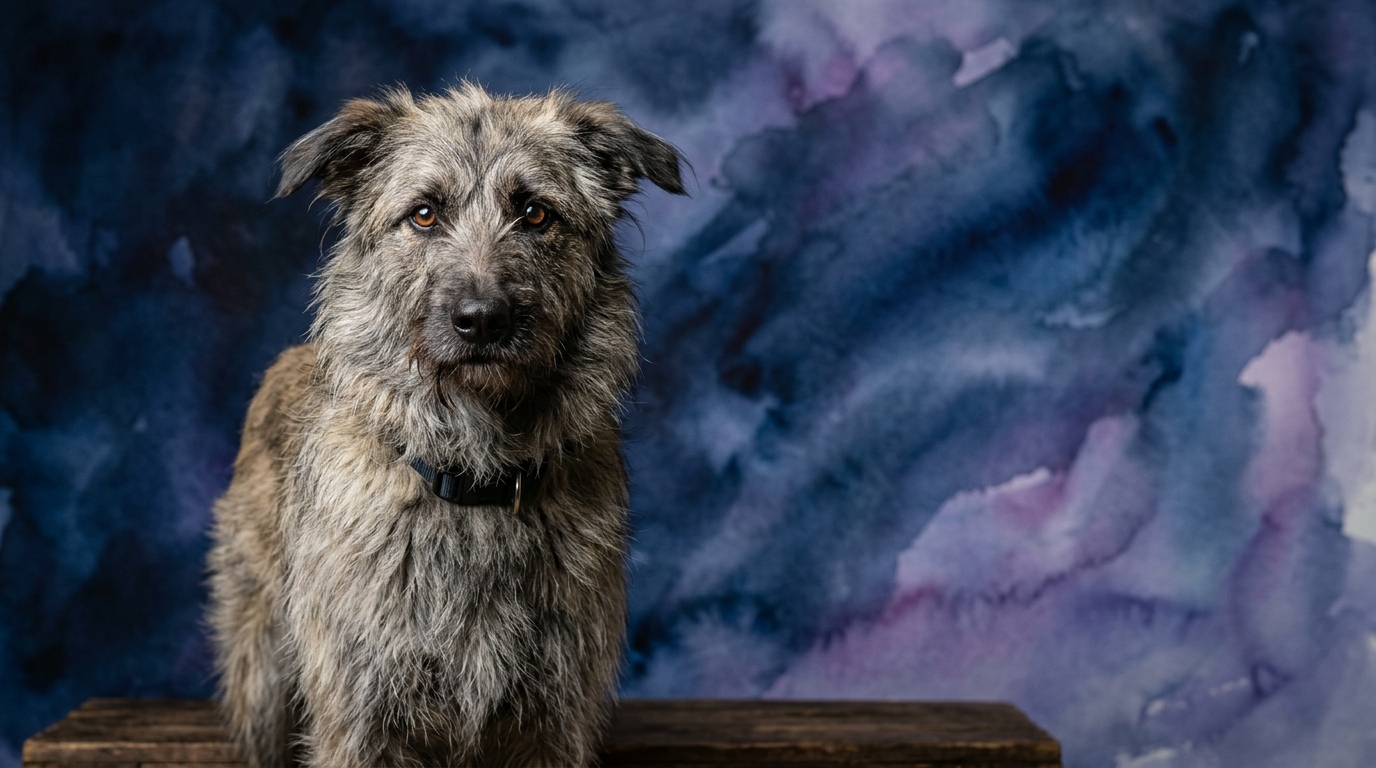
In contrast, the Pyrenean Shepherd, a breed not ranked by Coren, exhibits a different set of cognitive strengths. Their Problem Solving is 3/5, reflecting a capability for practical solutions in their environment, though they may approach novel situations with more caution or rely on trial-and-error. Training Speed stands at 3/5, suggesting they learn at a steady pace but their independent nature often requires more repetition and motivation. Social Intelligence is 3/5, as they are discerning in interactions, bonding deeply with their inner circle but often reserved with strangers. Their Instinctive Drive is 3/5, manifesting as watchful supervision rather than active, pushy control, while their Memory is 3/5, retaining important lessons, particularly those related to their environment and work, though perhaps without the Corgi's precision for every command.
Where Pembroke Welsh Corgi Wins Cognitively
The Pembroke Welsh Corgi demonstrates a distinct edge in areas requiring biddability and quick assimilation of information. Their Training Speed of 5/5 is particularly striking; they grasp new commands and sequences almost effortlessly, often appearing to anticipate what's asked of them. This rapid learning curve, coupled with a Problem Solving score of 4/5, means they excel at tasks involving multi-step instructions or object manipulation, such as complex trick training or scent work. Their high Social Intelligence (4/5) further enhances this, as they are acutely tuned into human intentions and emotional states, making them highly responsive partners in cooperative tasks. This blend of quick intellect and social awareness allows them to integrate smoothly into human routines and learn complex social protocols within a household environment with remarkable ease.
Where Pyrenean Shepherd Wins Cognitively
The Pyrenean Shepherd, while not displaying the same rapid learning metrics as the Corgi, shines in areas demanding independent judgment and resilience. Their Problem Solving at 3/5 reflects a different kind of mental agility—one geared towards practical, self-directed solutions in dynamic, often challenging, environments. They excel at assessing situations, such as managing livestock or navigating varied terrain, without constant human direction. Their instinctive drive (3/5), though rated lower, manifests as a watchful, independent guardianship rather than eager obedience, allowing them to make nuanced decisions based on their surroundings. This breed's cognitive strengths lie in their ability to adapt and perform effectively when left to their own devices, showing a resourceful intelligence that values autonomy and careful observation over immediate compliance.
Which is Easier to Train and Why
Without question, the Pembroke Welsh Corgi presents a significantly easier training experience for most owners, primarily due to their exceptional Training Speed (5/5). Corgis possess a natural eagerness to please and a high motivation for food or praise, making them highly receptive to positive reinforcement. They thrive on structured training sessions and enjoy the mental engagement of learning new behaviors, often retaining commands after only a few repetitions. Their strong memory (4/5) ensures lessons stick, and their social intelligence makes them keen observers of human expectations, readily responding to cues and seeking cooperation.
In contrast, the Pyrenean Shepherd, with a Training Speed of 3/5, requires a more patient and nuanced approach. These dogs are inherently more independent and possess a self-directed working mentality, meaning they may not see the immediate value in repetitive drills or arbitrary commands. While capable of learning, their attention must be consistently engaged, and training methods need to be varied and stimulating to prevent boredom or stubbornness. Their focus is often on their environment and potential "work," rather than solely on human instruction, which demands an owner who understands how to channel their natural drives into desired behaviors rather than expecting automatic compliance.
Which Suits Active Owners vs Relaxed Owners
For owners seeking a moderately active companion who enjoys both mental engagement and physical activity without extreme demands, the Pembroke Welsh Corgi is an excellent fit. Corgis appreciate daily walks, playtime in the yard, and engaging in dog sports like agility or obedience, which satisfy their herding instincts and problem-solving abilities. They are happy to join family activities but are also content to relax indoors, making them suitable for active families who also enjoy downtime. Their robust social intelligence means they thrive on consistent interaction and being part of the family's daily rhythm.
The Pyrenean Shepherd, conversely, is best suited for highly active and experienced owners who can provide a consistent outlet for their significant energy and independent working drive. These dogs require substantial daily exercise, often needing more than just a walk; activities like hiking, running, or dog sports that challenge both their bodies and minds are crucial. Their ingrained need for a "job" means they excel when given tasks or roles, and without adequate mental and physical stimulation, they can become restless or develop unwanted behaviors. They thrive with owners who understand working breed characteristics and can embrace their self-reliant nature.
The Verdict
Choose the Pembroke Welsh Corgi if you value a highly trainable, socially astute companion eager for cooperative tasks and moderate activity levels within a family setting.
Opt for the Pyrenean Shepherd if you are an experienced, very active owner who appreciates an independent, resilient working dog capable of self-directed problem-solving in challenging environments.
🧠 Find Your Pet's IQ Score
Our Pet IQ Lab assessment covers 25+ tests across 5 cognitive dimensions — personalized to your breed.
Take the Full IQ Test →Frequently Asked Questions
Are Corgis truly quicker learners than Pyrenean Shepherds?
Based on their respective Training Speed scores of 5/5 for Corgis and 3/5 for Pyrenean Shepherds, Corgis typically grasp new commands and concepts much faster. Their eagerness to please and motivation for positive reinforcement contribute significantly to this accelerated learning ability, making them generally easier to teach new behaviors.
What kind of mental stimulation do Pyrenean Shepherds need?
Pyrenean Shepherds benefit greatly from mental challenges that tap into their independent problem-solving and observational skills. Activities like herding, advanced scent work, complex agility courses, or jobs that require them to assess situations and make decisions on their own are ideal. Simply repetitive tasks may not hold their interest as effectively.
How does a Corgi's social intelligence manifest?
A Corgi's social intelligence is evident in their ability to read human emotions, understand household routines, and integrate smoothly into family dynamics. They often anticipate cues, respond well to changes in tone, and form strong bonds, making them highly interactive and responsive companions who are attuned to their social environment.