Side-by-Side IQ Profile: Herding Wit vs. Hound Resolve
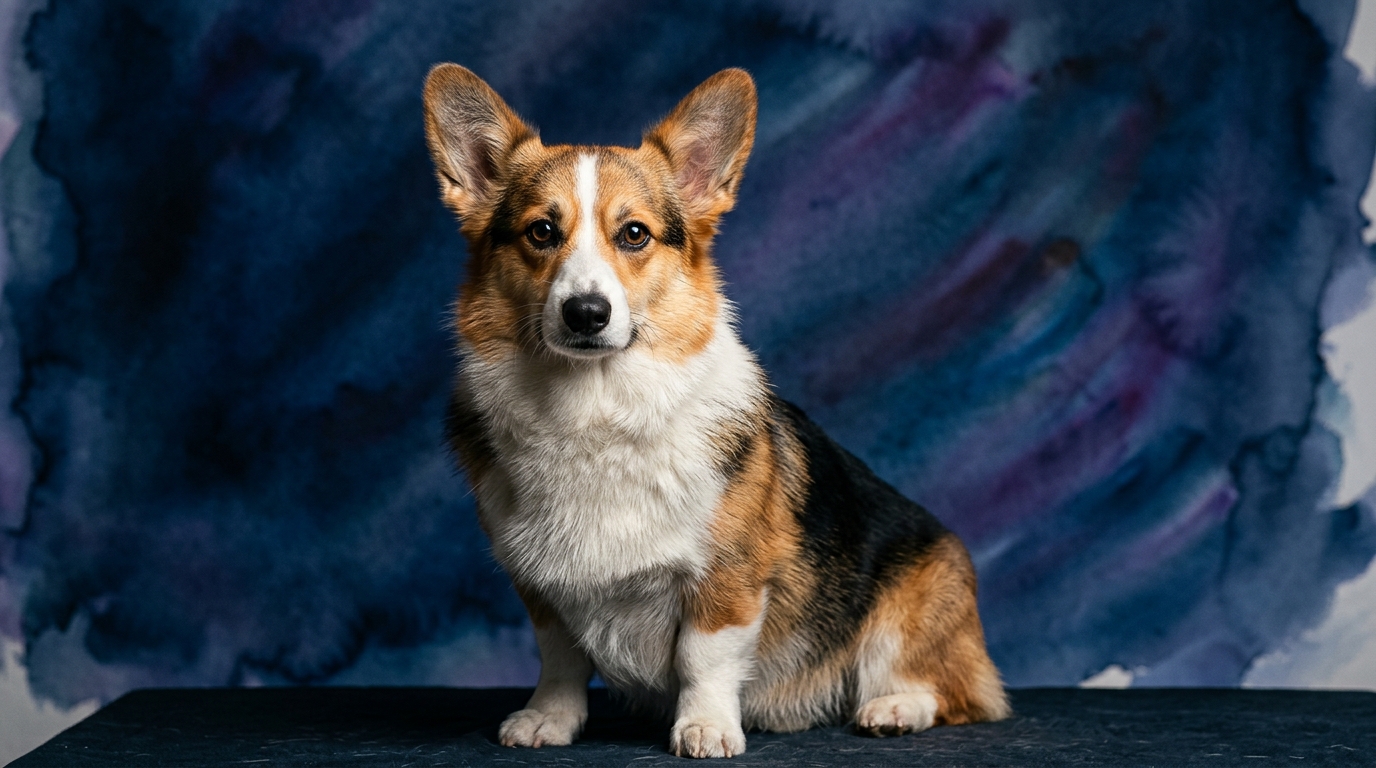
The Cosmic Pet's IQ Lab assesses canine intelligence across five key dimensions. For the Pembroke Welsh Corgi, ranked #11 by Coren, their Problem Solving score of 4/5 reflects a keen ability to navigate complex situations and often outmaneuver their human counterparts with clever strategies. A perfect 5/5 in Training Speed highlights their eagerness and capacity to rapidly absorb new commands, making them exceptionally receptive students. Social Intelligence at 4/5 means Corgis excel at reading human emotions and intentions, often using this understanding to their advantage in forming strong, sometimes manipulative, bonds. Their Instinctive Drive of 5/5 is largely rooted in their herding heritage, manifesting as a strong desire to organize, control, and direct their environment. Finally, a Memory score of 4/5 indicates they retain learned behaviors and experiences, both positive and negative, over long periods, making consistency crucial in their upbringing.
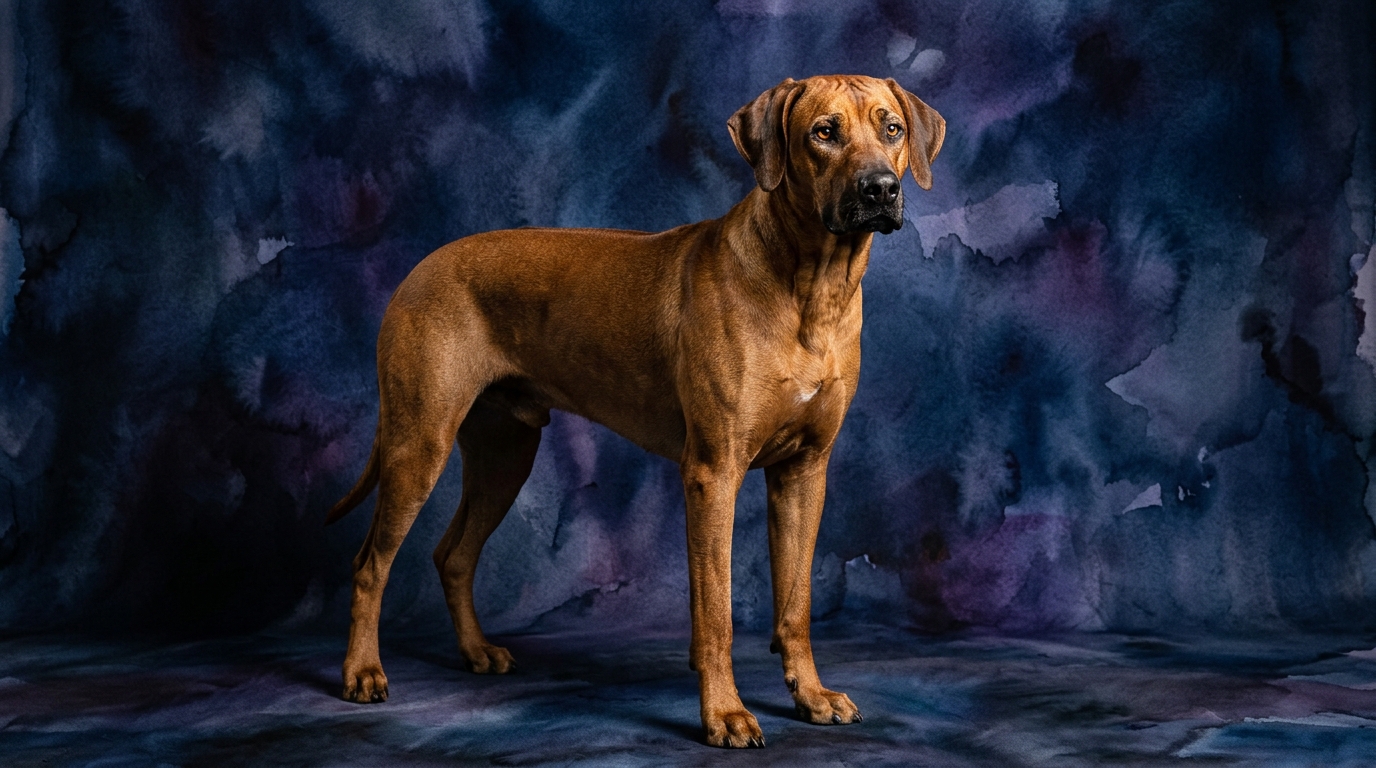
In stark contrast, the Rhodesian Ridgeback, holding a Coren rank of #52, presents a different cognitive profile, shaped by centuries of independent hunting and guarding roles. Their Problem Solving score of 3/5 suggests a methodical approach; Ridgebacks can figure things out, but may take more time or require stronger motivation, often preferring to analyze a situation before acting. Training Speed, also at 3/5, points to a breed that learns effectively but demands patience and consistency, as their independent nature means they are not always quick to comply without understanding the 'why.' A Social Intelligence of 3/5 describes a dog that is reserved with strangers but forms deep, unwavering bonds with their immediate family, often displaying discerning loyalty. Their Instinctive Drive, rated 3/5, is geared towards protection and a strong prey drive, making them formidable guardians, but less inclined towards constant human direction. Lastly, a Memory score of 3/5 indicates they learn and remember, but consistent reinforcement is key, and they are known to have a long memory for unfair treatment.
Where the Pembroke Welsh Corgi Wins Cognitively
The Pembroke Welsh Corgi's cognitive strengths lie in quick learning, adaptability, and social interaction. Their superior Training Speed (5/5) means they grasp new concepts and commands with remarkable swiftness, often requiring fewer repetitions. This makes them rewarding for owners who enjoy teaching complex tricks or participating in dog sports. Their Problem Solving score of 4/5 demonstrates a cognitive nimbleness, allowing them to devise creative solutions to challenges, a trait stemming from their herding roots. This resourcefulness helps them assess and respond to novel situations. Their strong Social Intelligence (4/5) also gives them an edge in understanding and influencing human behavior, making them exceptional communicators who can subtly convey desires or read moods. This directability and desire to engage makes them excel in collaborative tasks involving human partnership.
Where the Rhodesian Ridgeback Wins Cognitively
The Rhodesian Ridgeback's cognitive prowess shines in independence, discernment, and sustained focus on specific tasks. Their Problem Solving (3/5) often manifests as a thoughtful, analytical approach, allowing them to make independent decisions in the field, crucial for a hunting dog far from its handler. This self-reliance fosters composure in challenging situations. Their Social Intelligence (3/5) reflects a deep, discerning loyalty rather than general eagerness. Ridgebacks form profound bonds with family, offering steadfast companionship and protection. They are not easily swayed by strangers and possess an innate ability to distinguish friend from foe, making them exceptional guardians. Their Instinctive Drive (3/5) is intensely focused on tasks like scent tracking and guarding, enabling concentration and endurance over long periods when activities align with their natural predispositions. This specialized drive, combined with robust physique, suits roles demanding stamina and focused resolve.
Which is Easier to Train and Why
The Pembroke Welsh Corgi generally has a significant advantage in training ease. Their 5/5 Training Speed means rapid absorption of commands. Their inherent desire to work and please, from herding ancestry, makes them highly motivated students thriving on mental engagement and positive reinforcement. Corgis' keen social intelligence aids in picking up trainer cues, accelerating learning. However, their intelligence can also lead to stubbornness or "herding" owners without consistent, firm, positive guidance from an early age.
The Rhodesian Ridgeback, with 3/5 Training Speed, is a more challenging training prospect. Their independent nature, from self-reliant hunting roles, means they aren't inherently driven to constantly seek human direction. Ridgebacks often evaluate commands, weighing the payoff. This strong will necessitates clear, consistent, reward-based motivation. Training a Ridgeback demands patience, understanding, and trust. Harsh methods are counterproductive; positive reinforcement, short engaging sessions, and a partnership approach are vital. Early, thorough socialization is also critical due to their prey drive and potential aloofness.
Which Suits Active Owners vs. Relaxed Owners
Both breeds best suit active owners, though their needs differ. The Pembroke Welsh Corgi, a high-energy herding dog, requires significant mental stimulation and daily physical exercise (Instinctive Drive 5/5) to prevent boredom and destructive behaviors. Corgis thrive on having a "job," like learning tricks, agility, or brisk walks. A relaxed owner failing to provide consistent mental and physical outlets will likely find their Corgi vocal, nippy, or creating their own entertainment. Their quick thinking and memory mean unmet needs are remembered.
The Rhodesian Ridgeback, a large, powerful hound, also demands a highly active lifestyle. Their history of tracking big game means incredible stamina, requiring substantial daily exercise for contentment. This includes long walks, runs, or scent work. While calm indoors, this tranquility depends on exercise needs being met. A relaxed owner unable to commit to vigorous daily activity risks a restless, destructive, or even guarding Ridgeback due to pent-up energy. Their independent nature also benefits from structured activities engaging both body and mind.
The Verdict
Choose the Pembroke Welsh Corgi if you seek a highly engaged, responsive companion who thrives on mental challenges and collaborative tasks, and you are prepared to manage a strong personality within a compact, energetic package.
Choose the Rhodesian Ridgeback if you are an experienced, active owner seeking a dignified, independent, and loyal guardian who requires consistent training, ample exercise, and appreciates a dog with a strong will and protective nature.
🧠 Find Your Pet's IQ Score
Our Pet IQ Lab assessment covers 25+ tests across 5 cognitive dimensions — personalized to your breed.
Take the Full IQ Test →Frequently Asked Questions
Are Corgis smarter than Ridgebacks?
Based on Coren's rankings and our IQ Lab assessment, Pembroke Welsh Corgis generally demonstrate quicker learning and problem-solving abilities (Coren #11 vs #52). However, Ridgebacks excel in independent decision-making and focused endurance, reflecting different types of intelligence shaped by their respective historical roles.
Do Rhodesian Ridgebacks make good family dogs?
Rhodesian Ridgebacks can make excellent family dogs, forming deep, loyal bonds with their immediate family members. They are often good with children they are raised with, but their size, strength, and protective instincts mean they require early socialization and consistent training to ensure they are well-mannered and safe in various situations.
How much exercise does a Corgi need daily?
Despite their small size, Pembroke Welsh Corgis require a surprising amount of exercise, typically 45-60 minutes of vigorous activity daily, broken into multiple sessions. This can include brisk walks, playtime, or engaging in dog sports to satisfy their herding drive and mental stimulation needs.