Side-by-side IQ Profile
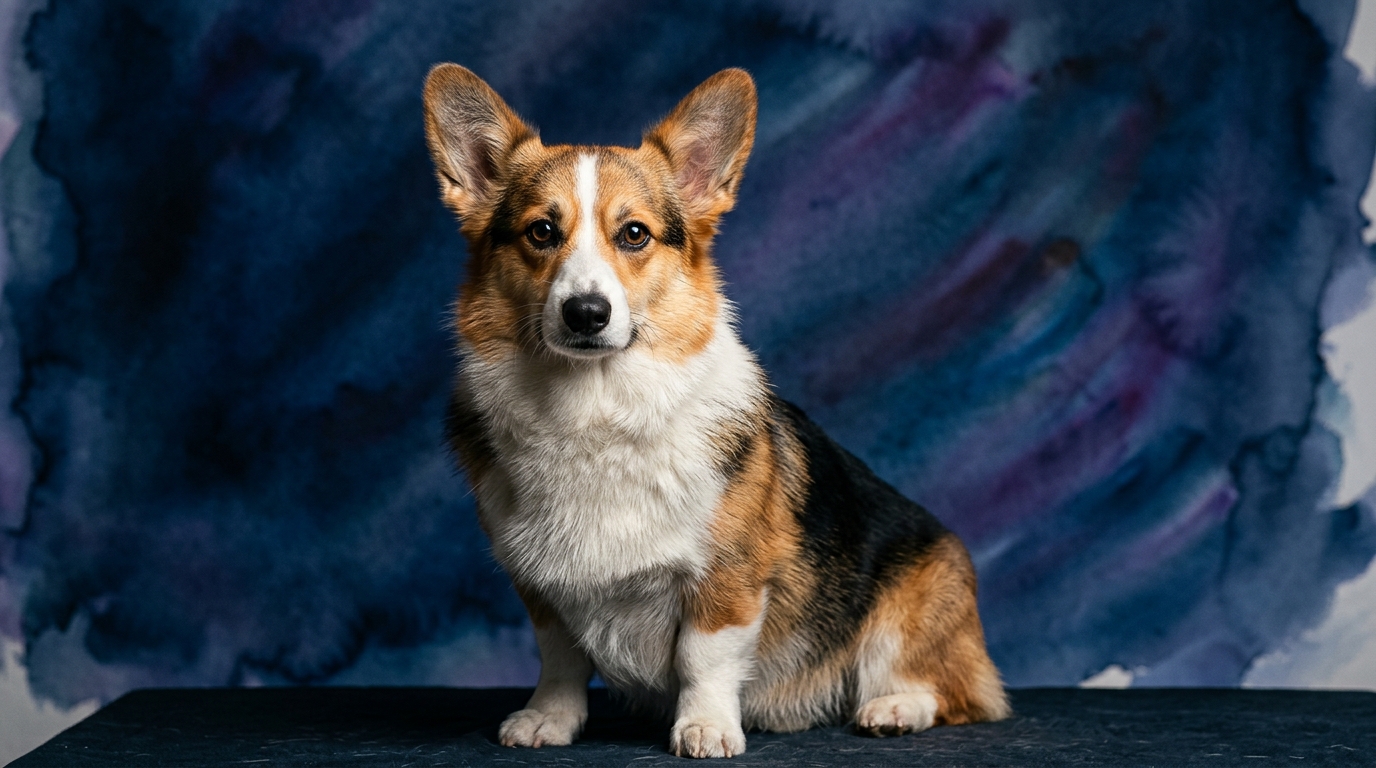
The Pembroke Welsh Corgi, a compact herder, boasts a Coren rank of #11, indicating a superior capacity for understanding new commands with few repetitions. Our Pet IQ Lab scores reveal a robust cognitive profile: Problem Solving at 4/5, Training Speed at an exceptional 5/5, Social Intelligence at 4/5, Instinctive Drive at 5/5, and Memory at 4/5. This suggests a dog adept at deciphering novel situations, rapidly acquiring new behaviors, intuitively reading social cues, possessing a strong innate drive to work, and retaining information efficiently. Their cognitive makeup points to a highly engaged and responsive companion, eager to participate in structured activities and mental challenges.
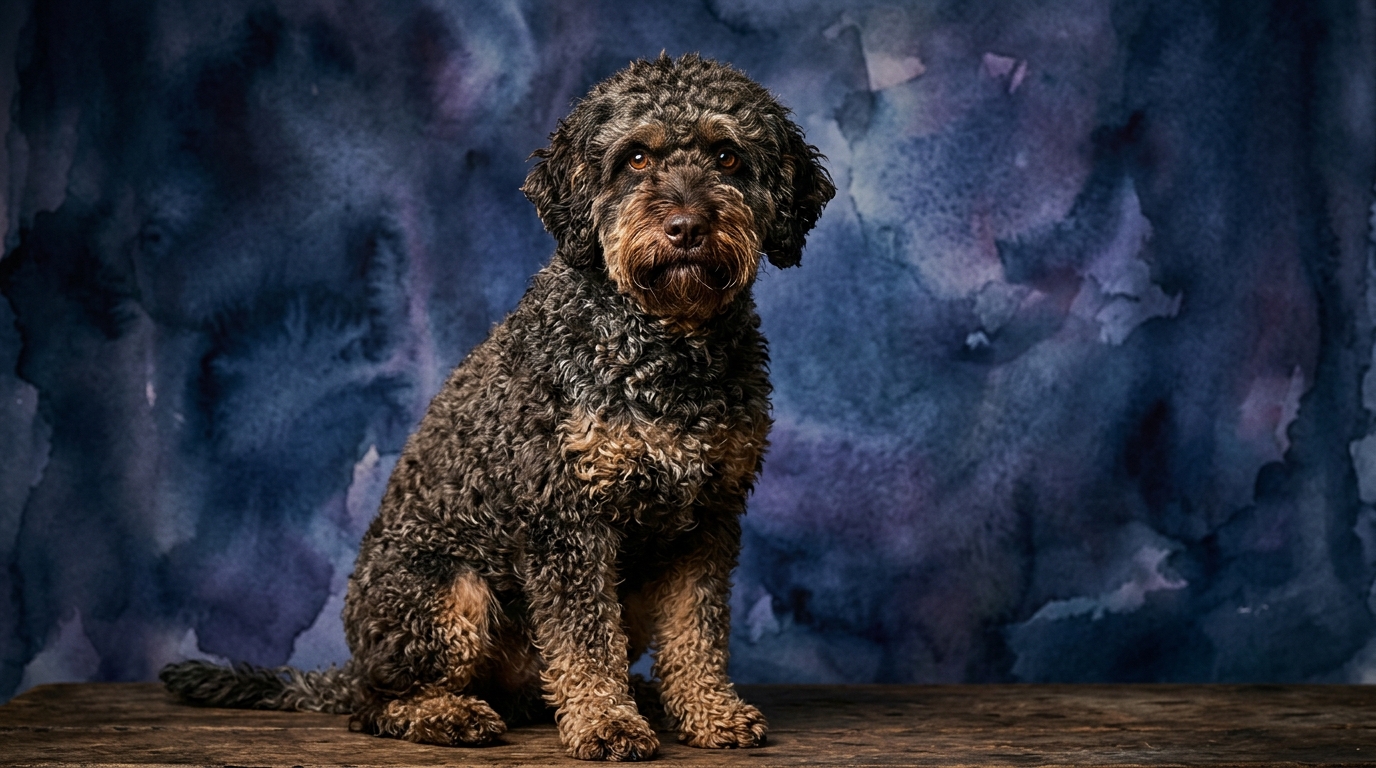
In contrast, the Spanish Water Dog, another versatile herding type, is not Coren-ranked but presents a balanced, albeit more moderate, cognitive profile in our Pet IQ Lab. This breed scores 3/5 across all five dimensions: Problem Solving, Training Speed, Social Intelligence, Instinctive Drive, and Memory. These scores indicate a capable dog that can solve problems, learn new tasks, understand social dynamics, and recall information, but often requires more time and repetition than a breed with higher scores. Their consistent moderate ranking suggests a practical, self-reliant intelligence, less inclined towards rapid obedience drills and more towards independent assessment and action, reflective of their historical role as adaptable farm workers.
Where Pembroke Welsh Corgi Wins Cognitively
The Pembroke Welsh Corgi distinctly outpaces the Spanish Water Dog across all cognitive dimensions, particularly in training speed and instinctive drive. A 5/5 in Training Speed means Corgis grasp new commands and routines with remarkable swiftness, often requiring fewer than five repetitions to understand a new cue. This translates to a dog that excels in obedience, rally, and agility, quickly linking actions to verbal or hand signals. Their 4/5 in Problem Solving allows them to efficiently navigate complex puzzle toys or figure out alternative routes to a desired object, demonstrating a proactive approach to mental obstacles. Furthermore, a 5/5 Instinctive Drive fuels their desire to work and engage, making them incredibly motivated partners for tasks requiring focused attention and persistent effort, such as herding trials or advanced trick training. Their superior Memory (4/5) ensures these learned behaviors and solutions are retained over long periods, making their training durable and reliable.
Where Spanish Water Dog Wins Cognitively
While the Spanish Water Dog's scores are consistently moderate, its cognitive profile represents a different kind of strength, particularly valuable for owners seeking a more independent and adaptable companion. A 3/5 in Instinctive Drive, while lower than the Corgi's, can be advantageous, as it suggests a drive that is present and purposeful but less overwhelming. This might mean less incessant herding of family members or less intense demand for constant, high-octane mental engagement, making their working drive more manageable for a wider range of active households. Their consistent 3/5 across Problem Solving, Training Speed, Social Intelligence, and Memory points to a practical, self-reliant intelligence. They are capable of independent thought and adapting to varied situations without needing constant direction, reflecting their history as versatile farm dogs. This independence means they process information and respond in a manner that, while slower in structured training, can lead to resourceful self-sufficiency in unstructured environments, a cognitive 'win' for owners who value a dog that can think for itself.
Which is Easier to Train and Why
Based on our Pet IQ Lab data, the Pembroke Welsh Corgi is unequivocally easier to train due to its exceptional 5/5 Training Speed, coupled with strong Problem Solving (4/5) and Memory (4/5). Corgis typically pick up new commands in a handful of repetitions, displaying an eagerness to please and a quick understanding of desired behaviors. Their high instinctive drive (5/5) means they often possess a strong work ethic and motivation, making them highly responsive to positive reinforcement. For example, a Corgi might master 'sit' and 'stay' in a single training session, reliably performing them thereafter. In contrast, the Spanish Water Dog, with its 3/5 in Training Speed, Problem Solving, and Memory, requires more patience and repetition. While capable of learning, they may take significantly longer to internalize commands and might exhibit a more independent streak, sometimes requiring creative motivation strategies to maintain engagement. A Spanish Water Dog might need multiple sessions to reliably perform a new command, and their independent nature might lead them to question the 'why' before complying, rather than simply executing.
Which Suits Active Owners vs. Relaxed Owners
The Pembroke Welsh Corgi, with its 5/5 Instinctive Drive and high scores in Problem Solving and Training Speed, is ideally suited for active owners who are prepared to provide consistent mental and physical engagement. These owners enjoy structured activities like obedience, agility, or even urban herding, and thrive on a dog that eagerly participates and quickly learns. While not needing miles of running, Corgis require daily mental challenges and purposeful activities to prevent boredom-induced behaviors. For relaxed owners, the Corgi's intense drive and quick wit might prove overwhelming without sufficient outlets. The Spanish Water Dog, with a moderate 3/5 Instinctive Drive and consistent 3/5 across other cognitive dimensions, fits owners who are active but appreciate a dog with a more self-reliant and less intensely demanding cognitive style. They thrive with consistent outdoor activity, especially involving water or retrieving, but their independence means they might be less focused on constant interaction. A relaxed owner might find the SWD's need for consistent, but not necessarily intense, stimulation more manageable, provided they still offer regular engagement and outlets for their herding instincts.
The Verdict
Choose the Pembroke Welsh Corgi if you seek a highly trainable, mentally agile companion eager for structured activities and quick to learn complex tasks.
Opt for the Spanish Water Dog if you prefer a self-reliant, adaptable dog with a practical intelligence, thriving on consistent outdoor work and valuing independent problem-solving.
🧠 Find Your Pet's IQ Score
Our Pet IQ Lab assessment covers 25+ tests across 5 cognitive dimensions — personalized to your breed.
Take the Full IQ Test →Frequently Asked Questions
Do Pembroke Welsh Corgis require a lot of mental stimulation?
Yes, Corgis, with their 4/5 Problem Solving and 5/5 Instinctive Drive, require substantial daily mental stimulation. Without engaging tasks or training, they can become bored and channel their energy into less desirable behaviors.
Is the Spanish Water Dog difficult to train due to its moderate scores?
The Spanish Water Dog is not difficult to train in the sense of being incapable, but their 3/5 Training Speed means they require more patience and consistency than a Corgi. Their independent nature also means they respond best to positive, engaging methods.
How do their herding instincts differ in a home environment?
The Corgi's 5/5 Instinctive Drive often translates to a strong impulse to 'herd' family members, especially children, by nipping at heels. The Spanish Water Dog's 3/5 Instinctive Drive is present but generally less intense, though they still benefit from outlets for their natural herding behaviors.