Side-by-Side Cognitive Profile
At The Cosmic Pet Pet IQ Lab, we assess canine intelligence across five key dimensions. Let's examine how the Pembroke Welsh Corgi and the Staffordshire Bull Terrier measure up.
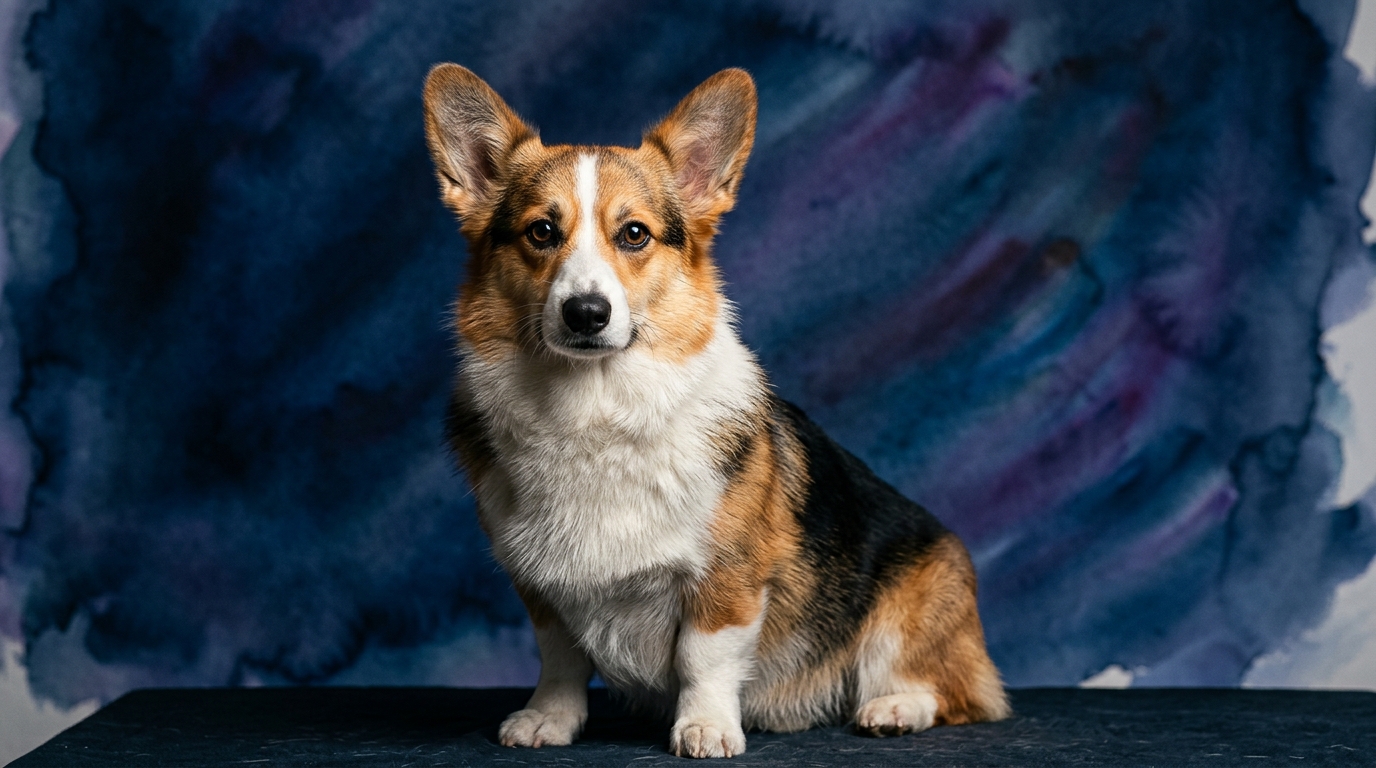
The Pembroke Welsh Corgi, a Herding breed, carries a Coren rank of #11, indicating a strong capacity for obedience and working intelligence.
Problem Solving (4/5): Bred for herding cattle by nipping at their heels, Corgis needed to navigate complex livestock movements and anticipate animal behavior. This translates to an ability to figure out puzzles, open cabinets, or strategize to get what they want, often demonstrating clever workarounds.
Training Speed (5/5): Their herding background demanded rapid learning and responsiveness to handler cues, even at a distance. Corgis typically grasp new commands swiftly, exhibiting a strong desire to engage and please their human partners, making them quick studies in obedience and trick training.
Social Intelligence (4/5): Working closely with farmers and other dogs in a herding context fostered an understanding of social hierarchies and human intentions. They read cues well, often forming strong bonds and adapting to household dynamics, though their herding instinct can sometimes manifest as 'managing' family members.
Instinctive Drive (5/5): The core of their being is the drive to herd. This isn't just about chasing, but about controlling movement and territory. It fuels their vigilance, their need for a 'job,' and their active engagement with their environment, making them persistent in their pursuits.
Memory (4/5): Remembering complex routes, specific commands for different situations, and the routines of livestock was crucial for their work. Corgis tend to retain training and routines reliably, recalling learned behaviors even after extended breaks, and often remembering individuals or specific locations.
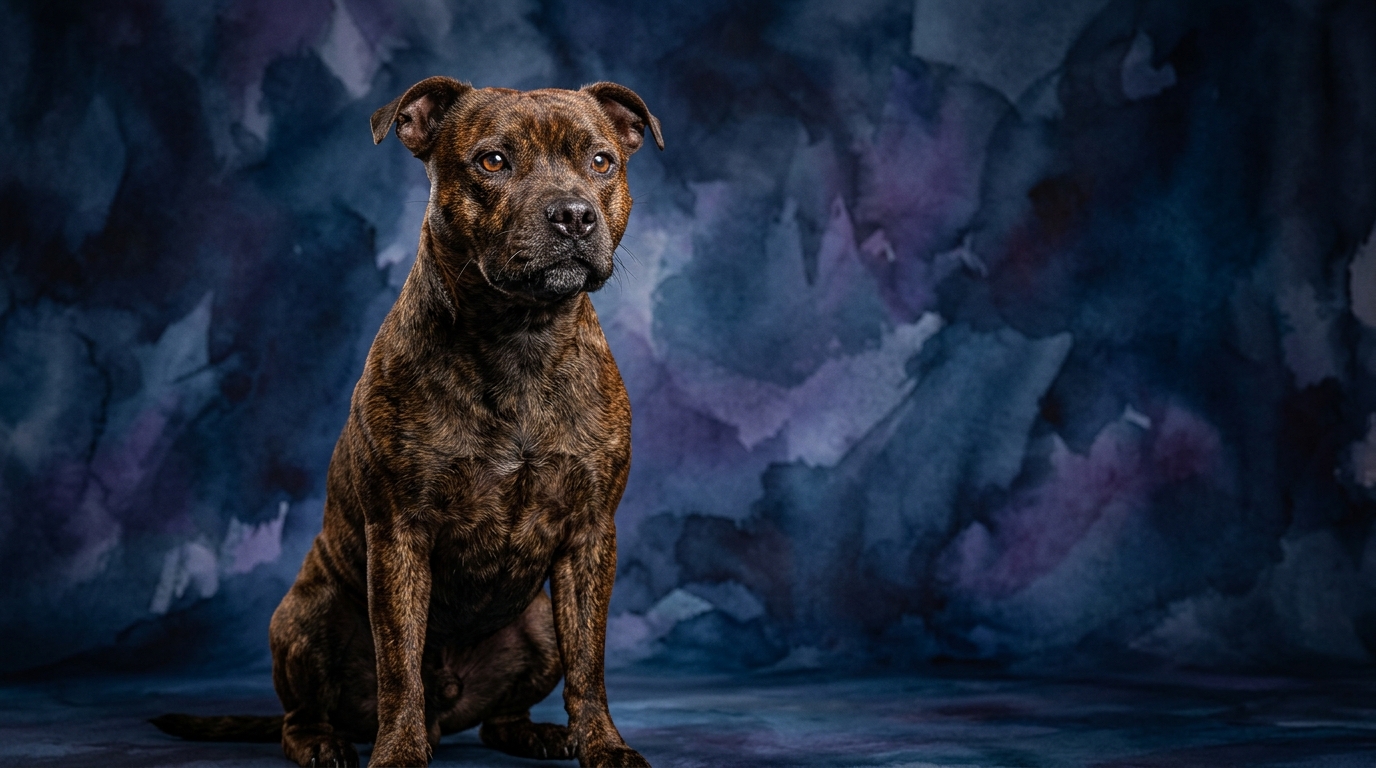
The Staffordshire Bull Terrier, a Terrier breed, is not Coren-ranked but possesses its own distinct cognitive strengths.
Problem Solving (3/5): While capable of learning, their historical role involved more direct engagement than complex strategic thinking. Staffies approach problems with a more straightforward, often physical, persistence rather than intricate planning, though they can learn through trial and error.
Training Speed (3/5): Their origins as fighting dogs, later evolving into companion animals, didn't prioritize rapid, complex obedience in the same way herding breeds did. Staffies can learn, but they often require more repetition and patience, sometimes exhibiting a stubborn streak when tasks don't immediately appeal to them.
Social Intelligence (3/5): Staffies are renowned for their affectionate nature towards humans, but their social intelligence in terms of reading subtle human cues or complex social hierarchies might be less nuanced than a herding dog's. They thrive on clear, consistent interaction and physical affection.
Instinctive Drive (3/5): Their drive is rooted in their terrier heritage – a strong prey drive and a robust physical nature. This manifests as a desire to chase and engage physically, but it's less about strategic control and more about direct interaction or play, often with a focus on toys or specific objects.
Memory (3/5): Staffies remember familiar faces, routines, and basic commands. However, their retention of intricate multi-step tasks or less frequently practiced commands might require more consistent reinforcement compared to breeds with higher memory scores, though they certainly remember kindness and affection.
Where the Pembroke Welsh Corgi Excels Cognitively
The Pembroke Welsh Corgi's cognitive strengths are deeply rooted in their herding heritage. They excel at strategic problem solving, often demonstrating an ability to think several steps ahead. For instance, a Corgi might quickly learn to manipulate a gate latch or sequence multiple actions to retrieve a favorite toy, a clear demonstration of their 4/5 problem-solving score. Their ability to anticipate livestock movement translates into a mental agility for planning and executing multi-step solutions in domestic settings.
Their rapid command acquisition is another standout trait, scoring 5/5 in Training Speed. A Corgi's training speed is a direct result of generations bred to respond instantly to a shepherd's whistle or voice. They can often pick up complex sequences of commands, such as 'sit, stay, come, down' in a single session, and generalize those learnings to new environments quickly, showing a keen desire to engage with their handler's instructions.
Furthermore, their 4/5 Social Intelligence allows them to better differentiate between various human moods or intentions. A Corgi might understand the subtle difference between a playful 'get it!' and a serious 'leave it' command, interpreting not just the word but the tone and body language. This nuanced understanding contributes to their adaptability within a family unit. Their high instinctive drive also means they are often more focused on a task presented by their handler, particularly if it mimics their herding roots or provides mental stimulation, leading to sustained attention during training sessions for complex behaviors.
Where the Staffordshire Bull Terrier Shines Cognitively
While not scoring as high in traditional obedience metrics, the Staffordshire Bull Terrier possesses distinct cognitive strengths that contribute to their unique appeal. One area where they demonstrate a specific advantage is their emotional resilience. While not directly an IQ dimension, Staffies often display remarkable emotional robustness, being less prone to anxiety from minor changes in routine or environment. This steadfast, adaptable temperament allows them to remain calm under circumstances that might stress more sensitive breeds, aiding learning by reducing distraction from internal states.
Their problem-solving approach, while rated 3/5, is characterized by sheer determination and physical persistence. When a Staffy encounters a problem, such as a toy stuck under furniture, they might try multiple physical angles, push, or dig until they succeed, relying on their robust physicality and tenacity rather than intricate planning. This persistence is a tangible form of problem-solving, showcasing their 'never give up' attitude.
Staffies are also profoundly motivated by human connection and praise, which acts as a powerful cognitive motivator. While other breeds respond strongly to treats or toys, a Staffy's desire to please their beloved human, coupled with a warm cuddle, can be an incredibly potent incentive for learning and cooperation, fostering deep bonds that aid training despite a lower 'training speed' score. Their strong social bonds are a cornerstone of their cognitive engagement.
Lastly, Staffies often display an exceptional memory (3/5) for people and places associated with comfort and positive experiences. They can remember a specific person who gave them a treat months ago or a park where they had a particularly joyful play session, highlighting a memory bias towards social and emotional well-being that reinforces their affectionate nature.
Which Breed is Easier to Train and Why?
The Pembroke Welsh Corgi generally presents as the easier breed to train, primarily due to their higher scores in Training Speed (5/5) and Instinctive Drive (5/5). Their historical role required them to be highly biddable and responsive to commands, often from a distance, instilling a strong desire to work with humans. This means they typically pick up new commands with fewer repetitions and are more inclined to offer behaviors proactively. For instance, teaching a Corgi a complex agility course might involve demonstrating each step a few times before they connect the sequence, driven by their inherent drive to complete a task and their capacity for quick learning.
The Staffordshire Bull Terrier, with a Training Speed of 3/5, requires more patience and consistency. Their background as a dog bred for tenacity and physical prowess, rather than intricate obedience, means they can sometimes exhibit a stubborn streak. While they are eager to please their beloved owners, their motivation might be more play-driven or affection-driven than task-driven. A Staffy might need more sessions to master a new command, and distractions can be more challenging to overcome. For example, teaching a Staffy to 'stay' amidst exciting smells might require significant, consistent reinforcement over time, as their instinctive drive might pull them towards investigation rather than steadfast obedience.
Suitability for Active vs. Relaxed Owners
For active owners seeking a companion for consistent mental and physical engagement, the Pembroke Welsh Corgi is often a more suitable match. With its high Instinctive Drive (5/5) and Problem Solving (4/5), Corgis thrive on having a 'job,' whether it's participating in dog sports like agility, herding trials, or advanced obedience, or simply engaging in daily puzzle toys and training sessions that challenge their strategic thinking. An owner who can provide consistent outlets for their cognitive and physical energy will find a Corgi an incredibly rewarding and engaged partner. Without adequate stimulation, a Corgi might resort to 'herding' family members or furniture, or finding their own clever ways to alleviate boredom.
The Staffordshire Bull Terrier, while certainly enjoying activity, can often adapt more readily to a somewhat more relaxed household, provided their core needs for companionship and moderate exercise are met. Their moderate Instinctive Drive (3/5) means they don't typically demand a constant stream of complex tasks, preferring instead to engage in robust play sessions, followed by extended cuddle time on the couch. Owners who value affectionate companionship and are content with daily walks, play in the yard, and consistent, clear training will find a Staffy a rewarding partner, without the intense cognitive demands of a herding breed. They are generally less prone to creating their own 'work' if under-stimulated, often opting for a nap instead.
The Verdict
Opt for the Pembroke Welsh Corgi if you're an owner seeking a highly biddable, intellectually curious companion eager for mental challenges and structured activities like dog sports or advanced obedience.
Select the Staffordshire Bull Terrier if you prioritize an incredibly affectionate, resilient, and physically engaging companion who thrives on close human bonds and consistent, positive reinforcement rather than complex cognitive tasks.
🧠 Find Your Pet's IQ Score
Our Pet IQ Lab assessment covers 25+ tests across 5 cognitive dimensions — personalized to your breed.
Take the Full IQ Test →Frequently Asked Questions
Are Corgis good family dogs?
Corgis typically make wonderful family dogs, known for their affectionate nature and loyalty. However, their herding instincts can sometimes lead them to 'nip' at the heels of running children, requiring early socialization and training to manage this behavior effectively.
Do Staffordshire Bull Terriers do well with other pets?
Staffordshire Bull Terriers can coexist peacefully with other pets, especially if introduced early and socialized extensively. Their strong prey drive, stemming from their terrier heritage, means careful introductions and supervision are often necessary, particularly with smaller animals.
Which breed requires more exercise?
While both breeds benefit from daily activity, the Pembroke Welsh Corgi often requires more structured mental and physical exercise due to their higher instinctive drive and problem-solving abilities. Staffordshire Bull Terriers need regular physical activity but are often content with robust play sessions and walks, followed by relaxation and companionship.