Side-by-Side IQ Profile: Unpacking Identical Scores
Delving into the specifics of a 3/5 IQ score for both the Pharaoh Hound and the American Eskimo Dog reveals more about their unique cognitive styles than the numerical value alone suggests. These scores, representing a solid average capability, are interpreted through the lens of each breed’s purpose and intrinsic motivations, leading to distinct manifestations of their mental prowess.
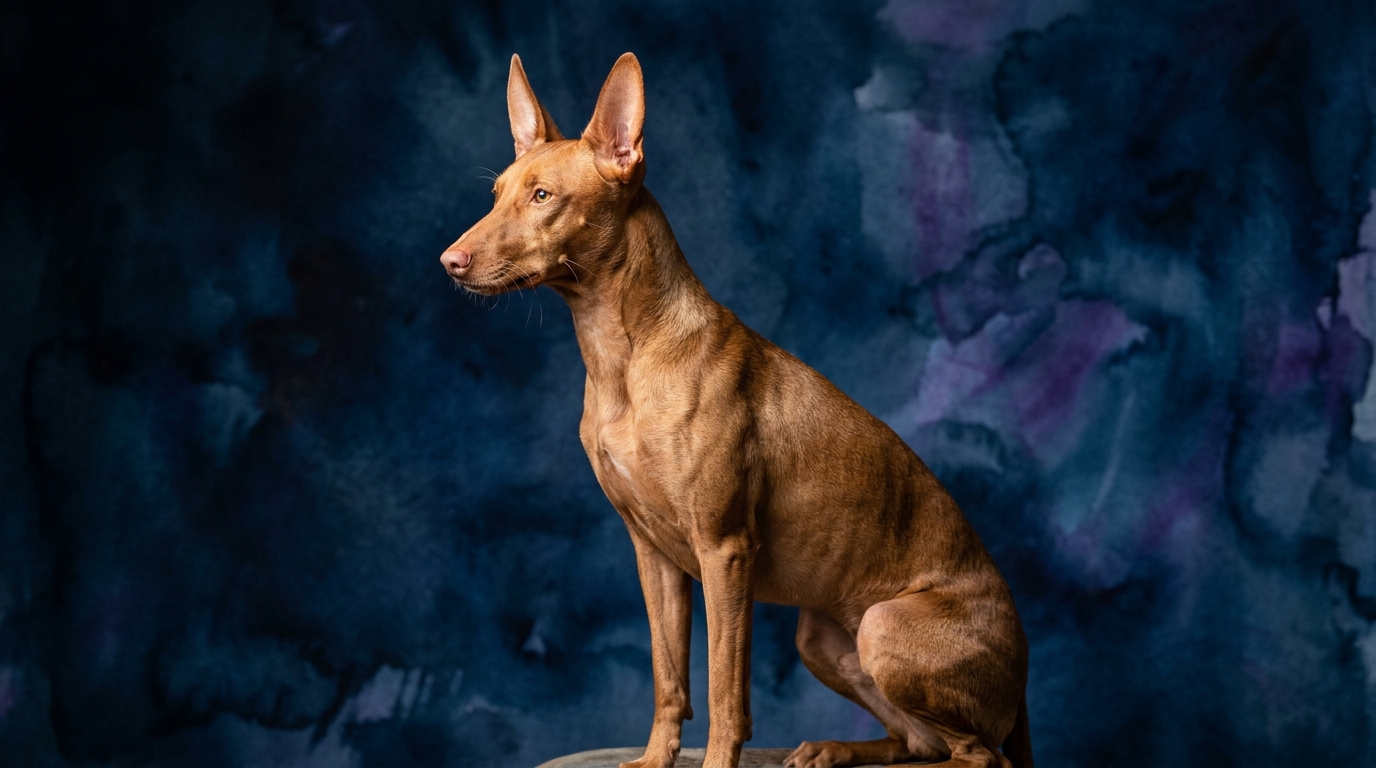
For the Pharaoh Hound, problem-solving (3/5) manifests as an innate capacity for independent decision-making, particularly when engaged in activities that mimic their historical role as sighthounds. They excel at quickly assessing and navigating complex environments, such as determining the most efficient path across a varied landscape or figuring out how to circumvent a fallen log to maintain sight of a moving target. Their training speed (3/5) is steady but requires understanding their independent spirit; they learn when motivated by challenge or reward, often processing commands with a 'what's in it for me?' filter. Social intelligence (3/5) typically means deep bonds with their immediate family, often being reserved with strangers, understanding household dynamics without needing constant external validation. Their instinctive drive (3/5) is powerfully geared towards chase and prey, making them highly attuned to movement, while their memory (3/5) is functional for routes, territories, and visual cues related to their environment.
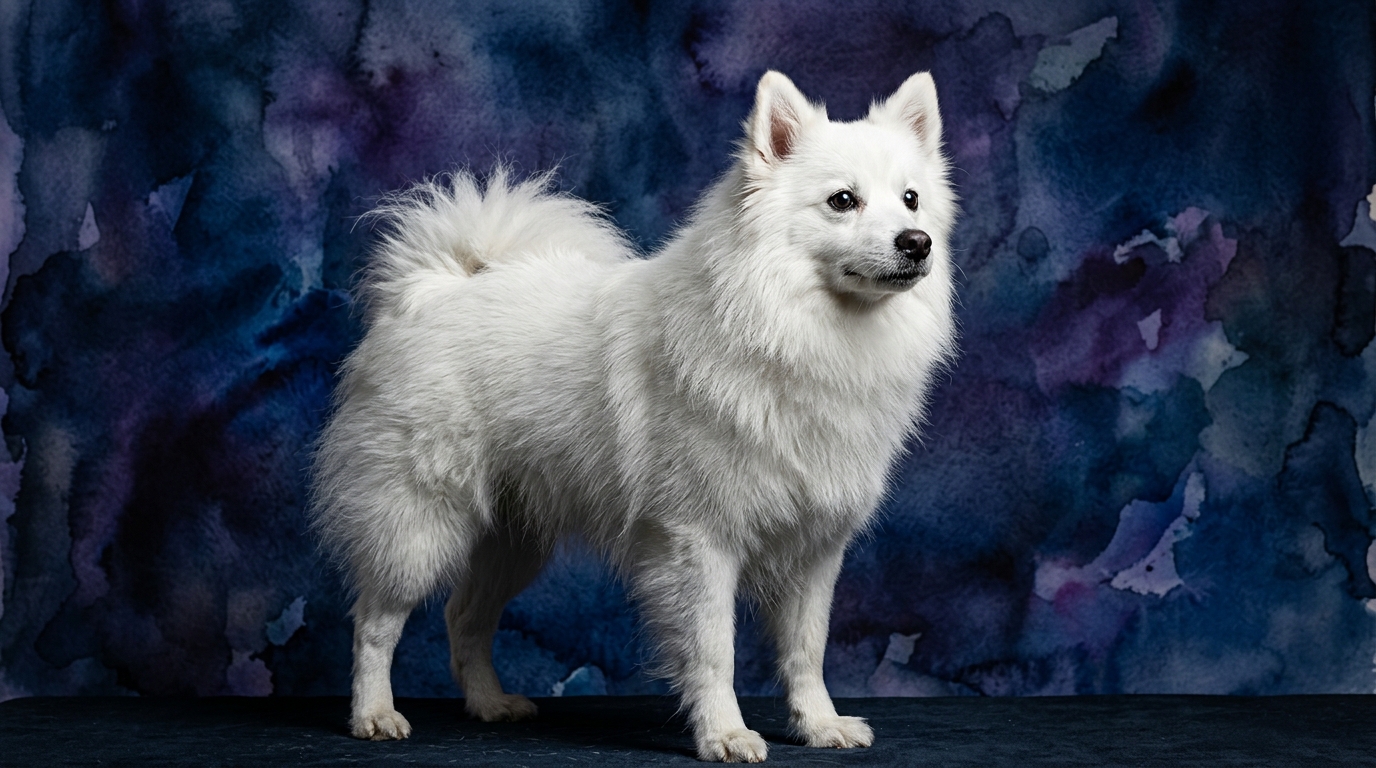
The American Eskimo Dog, also with a 3/5 in problem-solving, often directs this capability towards understanding human intentions, mastering complex tricks, or figuring out how to gain attention. They can be adept at puzzle toys and tasks that involve their human companions, showcasing a mental engagement that is people-centric. Their training speed (3/5) can be quite quick when motivated by praise, treats, or play, as they possess an eagerness to please. However, their independent Spitz nature can introduce a stubborn streak, meaning they understand a command but might choose not to execute it if they perceive a better alternative or feel uninterested. Social intelligence (3/5) for Eskies means they are highly attuned to human emotions and thrive on interaction, using a wide range of vocalizations and body language to communicate. Their instinctive drive (3/5) manifests as a strong desire for companionship, a tendency towards vocalization, and a watchful, sometimes protective, nature. Their memory (3/5) is excellent for routines, learned tricks, and the expectations of their family members, influencing their future responses and social strategies.
Where the Pharaoh Hound Wins Cognitively
The Pharaoh Hound's cognitive strengths truly shine in environments that demand independent thought and physical prowess. Their problem-solving, while rated 3/5, is uniquely adapted for dynamic, open-space challenges. They demonstrate a remarkable ability to process visual information rapidly, making split-second decisions to navigate complex terrains or overcome obstacles during a high-speed pursuit. This self-reliant form of intelligence, honed over centuries for hunting, means they are less reliant on human direction for task completion in their preferred settings, displaying an impressive autonomy in their cognitive application.
Furthermore, their memory and instinctive drive work in tandem to create an exceptional awareness of their surroundings. A Pharaoh Hound can remember precise locations of interest, optimal routes through familiar territory, and maintain an unwavering focus on distant visual stimuli. This specific type of cognitive recall, combined with their profound spatial awareness, gives them an edge in tasks requiring sustained visual attention and recall of environmental layouts, a distinct manifestation of their 3/5 memory score compared to the more socially-oriented recall of an Eskie.
Where the American Eskimo Dog Wins Cognitively
The American Eskimo Dog often demonstrates a superior cognitive flexibility in adapting to varied social situations and mastering complex, multi-step tricks that require an abstract understanding of human cues. Their problem-solving, also rated 3/5, is frequently directed towards pleasing or even manipulating their human companions to achieve desired outcomes, showcasing a high degree of social cognition within a domestic context. They excel at deciphering subtle human signals and adjusting their behavior accordingly, indicating a robust ability to learn within a social framework.
Their capacity for intricate communication, including a wide range of vocalizations and nuanced body language, points to a sophisticated social intelligence focused on interaction and expression. This allows them to convey needs, desires, and even opinions more overtly than the often-reserved Pharaoh Hound. This communicative prowess, combined with their memory for routines and past interactions, enables them to build complex relationships and strategies for engaging with their human family, making their 3/5 social intelligence particularly adept in companion roles.
Training Dynamics: Pharaoh Hound vs. American Eskimo Dog
The American Eskimo Dog generally presents as easier to train for obedience and tricks within a typical household setting due to their inherent desire for human companionship and strong social drive. They thrive on positive reinforcement and mental stimulation that involves human interaction, making them responsive learners for conventional commands and complex tricks. Their eagerness to please, when balanced with engaging training methods, allows them to pick up new skills fairly quickly. However, their independent Spitz nature means they can introduce a stubborn streak, requiring consistent, varied, and rewarding training sessions to maintain their focus and cooperation.
The Pharaoh Hound, while capable of learning, requires a different approach to training. Their strong independent nature and deep-seated prey drive mean they often prioritize their instincts over human commands, particularly in distracting outdoor environments. Training them effectively demands immense patience, consistency, and methods that tap into their innate drives, often making it feel like a longer process to achieve reliable recall or off-leash obedience. They learn best when training feels like a collaboration or a fun challenge, rather than strict adherence to rules, demanding an owner who understands their sighthound motivations.
Lifestyle Suitability: Active vs. Relaxed Owners
The Pharaoh Hound is undeniably suited for active owners who appreciate a dog with significant exercise requirements and an independent spirit. Their need for extensive running opportunities in secure areas, allowing them to stretch their powerful legs and satisfy their chase instincts, means they thrive with individuals who enjoy outdoor activities and can provide consistent, engaging physical outlets. A more relaxed owner might find their energetic bursts and independent tendencies challenging to manage, potentially leading to boredom-driven behaviors if their needs aren't met.
The American Eskimo Dog, while active and playful, can adapt to a wider range of owner activity levels, from moderately active to those who prefer indoor games and consistent mental stimulation. They enjoy walks and playtime but can also be content with puzzle toys and indoor training sessions, making them a good fit for owners who want an engaged companion without necessarily needing a running partner for miles each day. Their deep social connection means they thrive in homes where they are central to family life, making their mental and social needs as important as their physical exercise.
The Verdict
Choose the Pharaoh Hound if you seek an independent, athletic companion for open-space adventures and appreciate a dog with ancient, subtle charm and unique problem-solving capabilities.
Opt for the American Eskimo Dog if you desire a highly communicative, socially engaged partner for family activities and enjoy a dog eager to learn tricks and participate actively in household life.
🧠 Find Your Pet's IQ Score
Our Pet IQ Lab assessment covers 25+ tests across 5 cognitive dimensions — personalized to your breed.
Take the Full IQ Test →Frequently Asked Questions
Do Pharaoh Hounds respond well to positive reinforcement?
Pharaoh Hounds respond best to positive reinforcement, especially when rewards are high-value and training sessions are kept engaging and varied. Their independent nature means force-based methods are largely ineffective and can damage trust, making positive, game-based learning essential.
Are American Eskimo Dogs prone to barking due to their intelligence?
American Eskimo Dogs, with their keen social intelligence and watchdog instincts, can be prone to barking as a form of communication or alert. Early training and consistent management can help channel this vocal tendency appropriately, teaching them when and when not to vocalize.
Can both breeds live successfully in apartments?
While possible, both breeds require significant mental and physical stimulation. A Pharaoh Hound needs ample opportunities for secure off-leash running, while an American Eskimo Dog needs consistent interaction and mental challenges to prevent boredom and excessive barking in an apartment setting. Owners must be committed to meeting these needs daily.