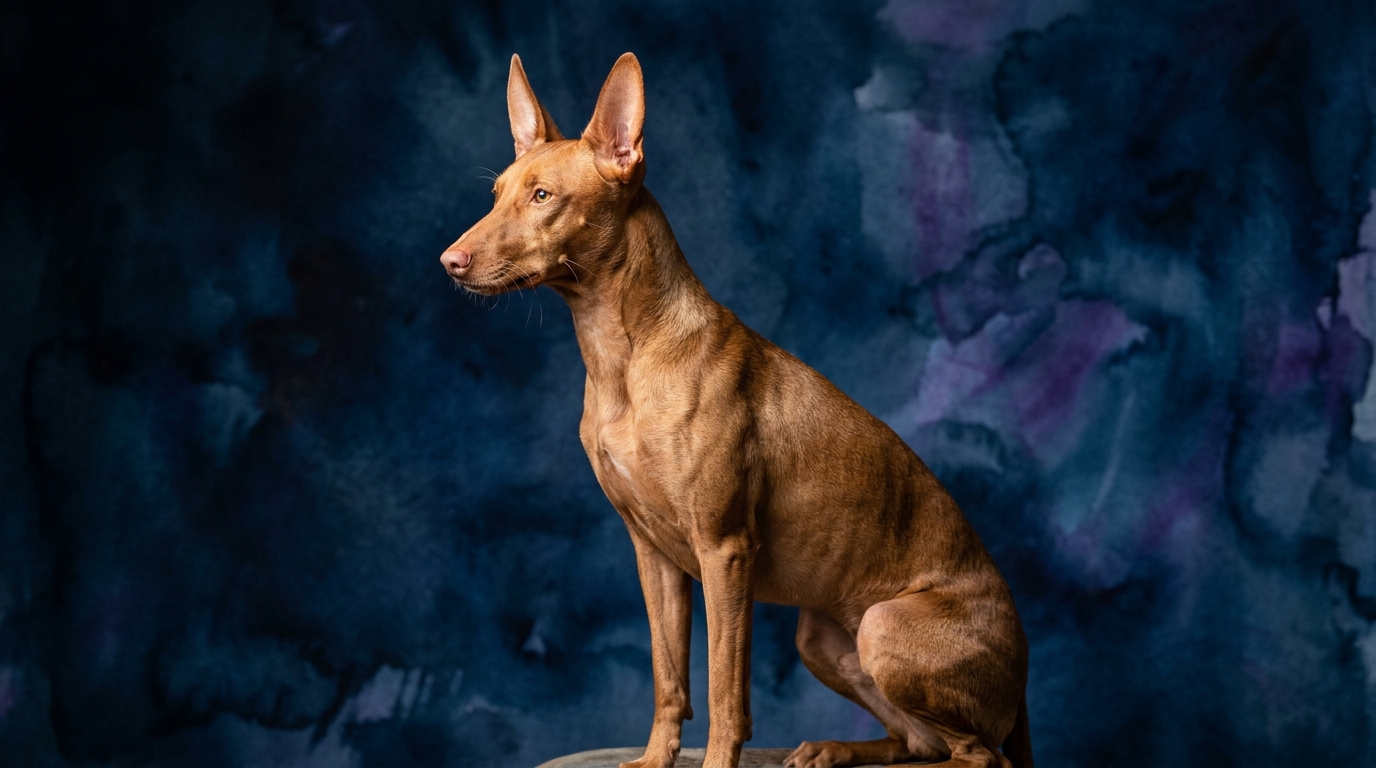
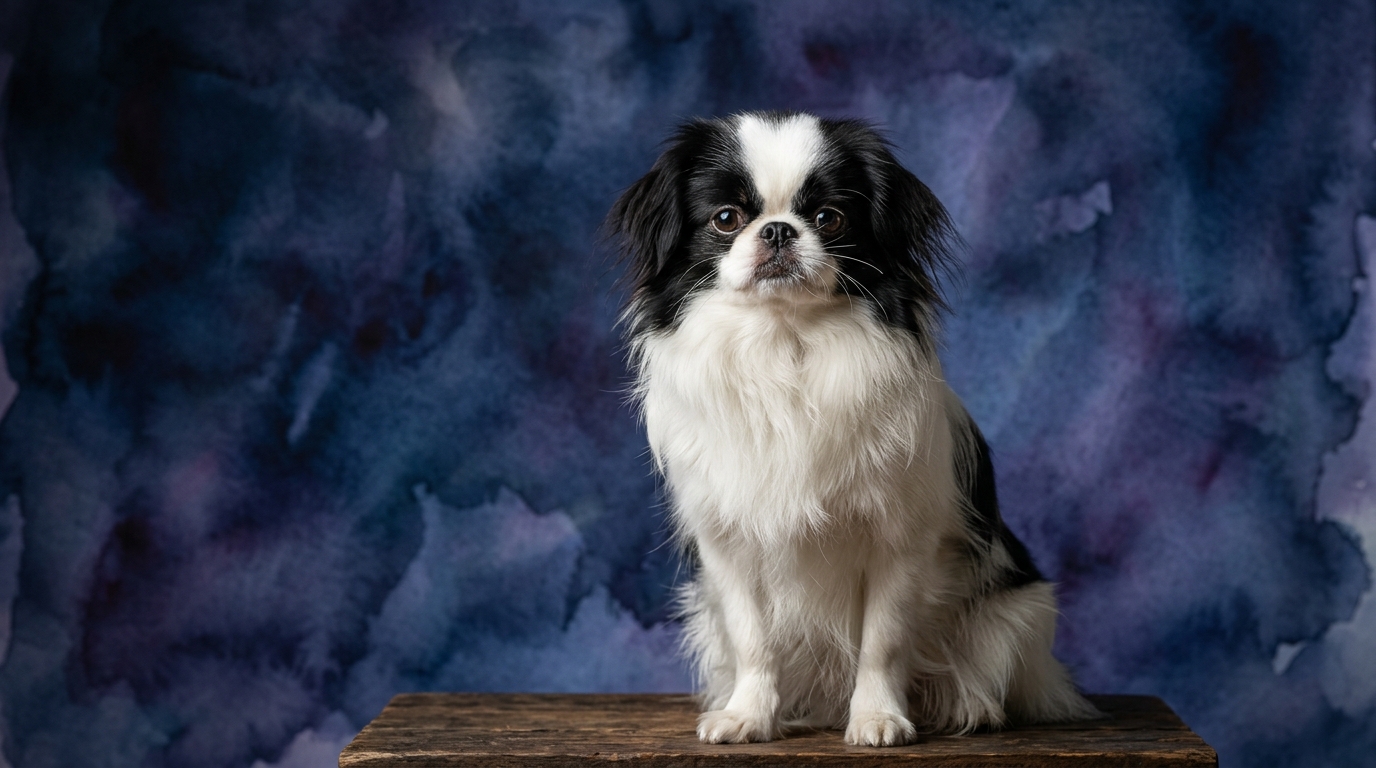
Side-by-Side IQ Profile: Pharaoh Hound vs. Japanese Chin
**Pharaoh Hound Intelligence Profile (3/5 across all dimensions):**
**Problem Solving (3/5):** For the Pharaoh Hound, a 3/5 in problem-solving manifests as an innate, self-reliant approach to environmental challenges, often driven by their keen senses and independent thought. They excel at tasks requiring spatial reasoning, such as figuring out complex routes through varied terrains during a run, creatively circumventing obstacles to reach a desired point, or even devising strategies to access forbidden areas if a scent or sight piques their interest. Their solutions are typically practical and efficient, focused on achieving their own goals rather than seeking human direction.
**Training Speed (3/5):** A 3/5 for Pharaoh Hounds indicates a capable but often selective learning pace. They can indeed grasp new commands and routines with moderate repetition, demonstrating an understanding of what is expected. However, their independent sighthound nature means their compliance is heavily influenced by motivation and environmental distractions; they learn best when training is engaging, positive, and consistently demonstrates value to them, but their response speed can fluctuate based on their immediate interests.
**Social Intelligence (3/5):** Pharaoh Hounds exhibit a 3/5 in social intelligence through a discerning yet deeply loyal approach to relationships. They form profound bonds with their core family, accurately reading their owners' moods and intentions, often offering quiet, intuitive support or engaging in playful interactions. With strangers, however, they maintain a reserved demeanor, carefully assessing new individuals before offering any form of engagement, reflecting a preference for established, trusted social connections within their immediate circle.
**Instinctive Drive (3/5):** The 3/5 score for instinctive drive in Pharaoh Hounds is dominated by their powerful, inherent sighthound instincts, manifesting as an intense, almost primal urge to chase and pursue fast-moving objects or perceived prey. This drive dictates much of their outdoor behavior, leading to remarkable focus on squirrels, rabbits, or even distant movement, and requires owners to understand and manage this deep-seated impulse with secure environments and appropriate outlets.
**Memory (3/5):** Pharaoh Hounds demonstrate a 3/5 in memory by retaining learned commands, established routines, and the topography of their environment with good fidelity. They remember specific routes, successful hunting spots, and past interactions, both positive and negative, which informs their future behaviors and reactions. Their memory is robust for practical applications and environmental navigation, helping them operate effectively within their known world.
**Japanese Chin Intelligence Profile (3/5 across all dimensions):**
**Problem Solving (3/5):** For the Japanese Chin, a 3/5 in problem-solving is primarily expressed through their cleverness in navigating the domestic environment to secure comfort, attention, or desired treats. They might strategically position themselves for optimal lap access, ingeniously manipulate objects to gain access to a favorite toy, or employ a repertoire of charming behaviors to solicit affection. Their problem-solving is often socially and comfort-oriented, focusing on manipulating their human environment through endearing and effective tactics.
**Training Speed (3/5):** A 3/5 for Japanese Chins indicates a responsive and generally quick learning pace for new commands and tricks, especially when training is positive, rewarding, and consistent. Their eagerness to please their primary human, coupled with their sensitivity, means they absorb lessons well through praise, treats, and gentle encouragement. They thrive in environments where learning is a shared, positive experience, making them generally delightful students.
**Social Intelligence (3/5):** Japanese Chins truly excel with a 3/5 in social intelligence, possessing an exceptional capacity to interpret subtle human emotions, vocal tones, and body language within the household. They are highly attuned to their owners' moods, often offering quiet companionship during stress or initiating playful antics to uplift spirits. Their social world revolves intimately around their family, making them masters at understanding and responding to nuanced interpersonal dynamics.
**Instinctive Drive (3/5):** The 3/5 score for instinctive drive in Japanese Chins primarily reflects a strong innate urge for companionship, comfort, and gentle interactive play, rather planting a pronounced prey drive. While they may playfully chase a toy or bark at a perceived anomaly, their deepest instincts are centered on forming close, affectionate bonds with their humans, seeking warmth, security, and consistent social interaction, establishing them as quintessential, devoted lapdogs.
**Memory (3/5):** Japanese Chins showcase a 3/5 in memory by reliably recalling daily routines, specific family members, and behaviors that have previously yielded positive reinforcement, such as the exact time for a meal or the person most likely to offer a cuddle. They retain their training well and can remember a vast repertoire of social cues and household expectations, contributing significantly to their reputation as well-adjusted and highly responsive companions.
Where the Pharaoh Hound Wins Cognitively
The Pharaoh Hound's cognitive strengths, despite identical scores, lie in its capacity for independent decision-making and problem-solving within dynamic, open environments. Their 3/5 in problem-solving is geared towards self-sufficiency in tasks like navigating complex outdoor spaces or creatively pursuing a distant visual target, showcasing a self-reliant intelligence less dependent on human prompts. Their 3/5 instinctive drive, while requiring management, also means they possess a specialized cognitive focus and a robust ability to apply memory and sensory input in real-time, high-stimulus situations, making them adept at tasks requiring sustained focus on a moving target.
Where the Japanese Chin Wins Cognitively
The Japanese Chin demonstrates superior cognitive strengths in the realm of social and emotional intelligence within a domestic context. Their 3/5 in social intelligence translates into an exceptional ability to interpret subtle human cues, anticipate needs, and adapt their behavior to maintain harmony and affection within the household, a nuanced form of problem-solving. Their memory (3/5) is particularly strong for social routines and the intricacies of family interactions, allowing them to quickly learn which behaviors elicit positive responses from specific individuals, making them incredibly intuitive and responsive companions.
Which is Easier to Train and Why
The Japanese Chin generally presents as the easier breed to train due to its inherent desire to please its human and its lower distraction threshold for external stimuli. Their 3/5 training speed is amplified by their social intelligence, as they thrive on positive reinforcement that includes affection and praise, making them eager participants in learning sessions. In contrast, the Pharaoh Hound's 3/5 training speed is often challenged by its strong instinctive drive and independent nature; while capable of learning, their attention can easily be diverted by a sight or scent, requiring more creative, patient, and highly motivating training techniques that work *with* their sighthound instincts rather than against them. A Pharaoh Hound's behavioral differences, such as their tendency to bolt after prey, necessitate a different training approach focused on impulse control and recall in distracting environments.
Which Suits Active Owners vs. Relaxed Owners
The Pharaoh Hound is perfectly suited for active owners who relish outdoor adventures and understand the unique needs of a sighthound. These owners typically enjoy long, vigorous walks, secure off-leash running opportunities where the dog can stretch its legs safely, and engaging in activities that tap into their natural instincts, such as lure coursing or advanced scent work. Conversely, the Japanese Chin is an ideal match for more relaxed owners who prefer an indoor-centric lifestyle and prioritize close companionship. Their needs are met with moderate indoor play, short strolls, and ample cuddle time, making them excellent companions for individuals or families seeking a devoted, low-impact presence in their home.
The Verdict
Choose the Pharaoh Hound if you are an active, experienced owner who appreciates an independent, graceful companion capable of self-directed thought and vigorous outdoor activity, and are prepared for consistent, engaging training that respects their sighthound nature.
Choose the Japanese Chin if you seek a sensitive, devoted, and charming companion for a more relaxed, indoor-focused lifestyle, appreciating a dog highly attuned to human emotions and content with moderate activity and ample lap time.
🧠 Find Your Pet's IQ Score
Our Pet IQ Lab assessment covers 25+ tests across 5 cognitive dimensions — personalized to your breed.
Take the Full IQ Test →Frequently Asked Questions
Are Pharaoh Hounds good with other pets, especially smaller ones?
Pharaoh Hounds possess a strong prey drive due to their sighthound heritage, meaning they may not be suitable for homes with very small pets like hamsters or birds. With proper socialization from a young age, they can often coexist peacefully with cats or other dogs, but supervision is always recommended.
How much exercise does a Japanese Chin typically need?
Japanese Chins have relatively modest exercise needs; short daily walks and indoor play sessions are usually sufficient to keep them happy and healthy. Their small size makes them well-suited for apartment living, as long as they receive regular mental stimulation and social interaction.
What are the biggest challenges in training a Pharaoh Hound?
The primary challenges in training a Pharaoh Hound stem from their independent nature and strong prey drive, which can lead to selective hearing when something more interesting (like a squirrel) appears. Consistent, positive reinforcement, engaging training methods, and a secure, fenced yard are crucial to manage their instincts and ensure good recall.