Side-by-Side IQ Profile: Pharaoh Hound vs. Schipperke
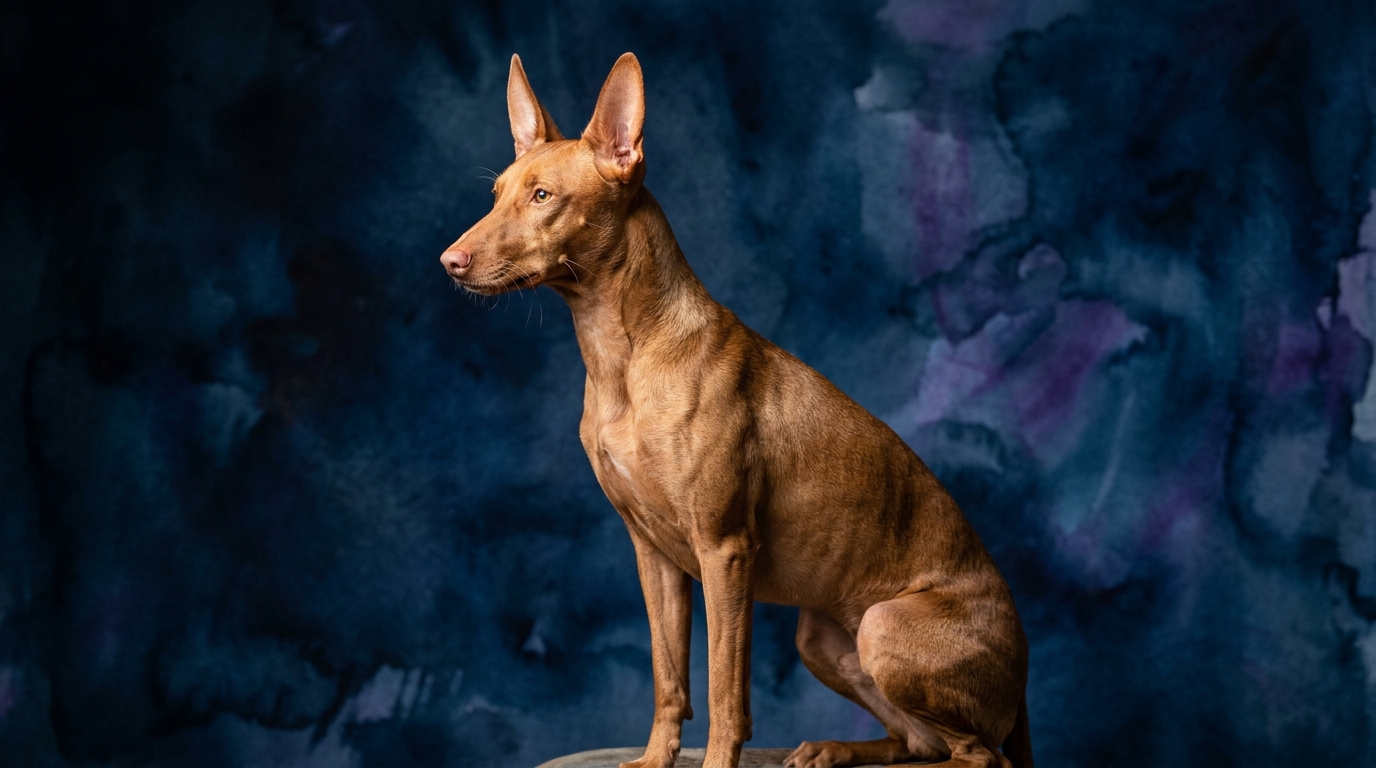
**Pharaoh Hound (Not Coren-ranked):** This breed’s cognitive profile is uniquely adapted to its sighthound heritage, emphasizing independence and field-oriented skills. Their **Problem Solving (3/5)** capacity leans towards practical, in-the-moment solutions for navigating physical environments and pursuing targets, rather than abstract puzzles. They rely on keen observation and quick, decisive action. Their **Training Speed (3/5)** is moderate; they are capable learners but require patient, consistent methods due to their independent nature and often selective compliance. Learning occurs steadily with positive reinforcement and clear boundaries. Pharaoh Hounds exhibit **Social Intelligence (3/5)** by forming strong, loyal bonds with their immediate families, appreciating quiet companionship. They are generally polite but reserved with strangers, not typically seeking extensive interaction beyond their trusted circle. A **Instinctive Drive (3/5)**, primarily expressed as a potent prey drive, is a core component of their cognitive makeup, influencing their focus and motivation. This drive must be understood and channeled appropriately. Finally, their **Memory (3/5)** is adequate for retaining learned behaviors and routines, remembering people and places, though recall can sometimes be influenced by environmental distractions or their independent streak. Consistent reinforcement helps solidify these memories.
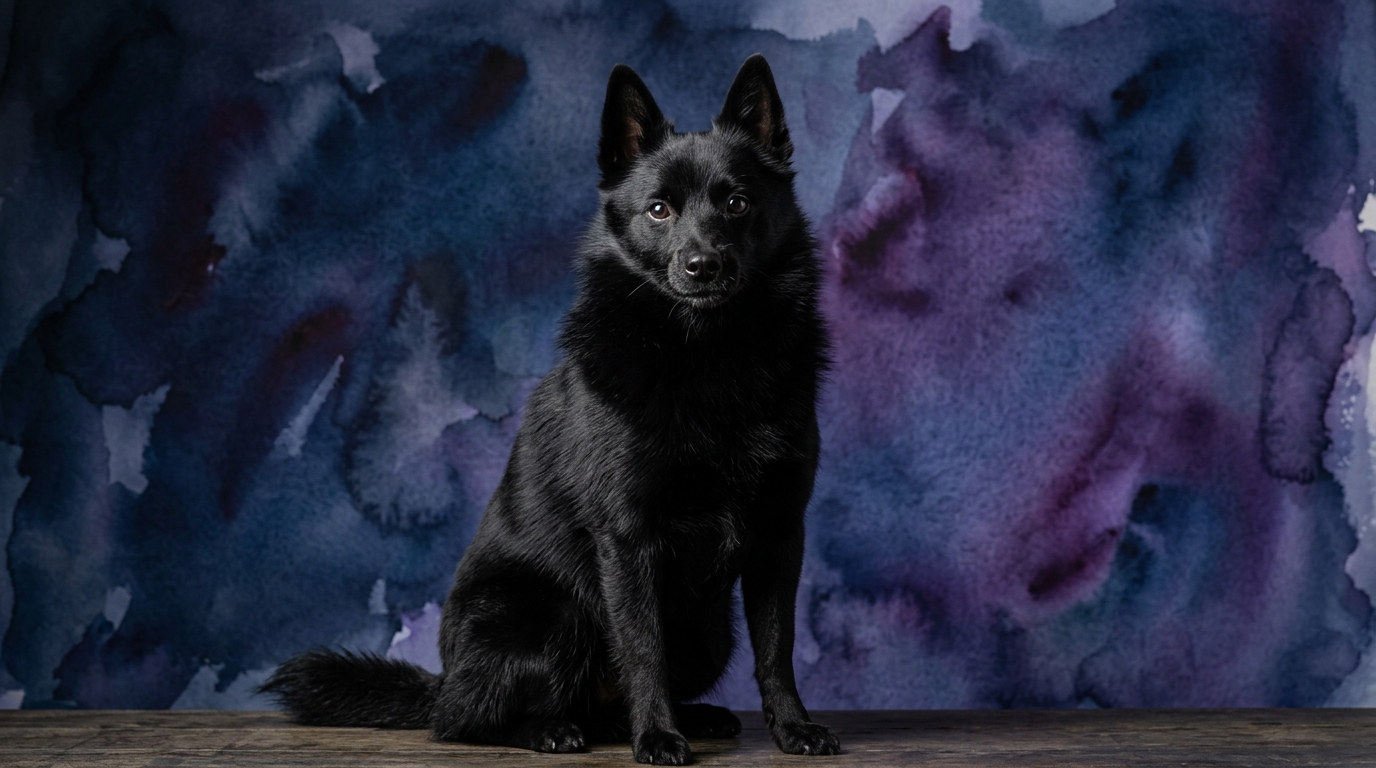
**Schipperke (Coren rank #15):** The Schipperke demonstrates a highly engaged and adaptable intellect, reflected in its impressive cognitive scores and high Coren ranking. Their **Problem Solving (5/5)** is exceptional; they approach challenges with curiosity and persistence, often demonstrating clever workarounds or innovative solutions to novel situations and puzzles, indicating a high level of adaptive reasoning. Their **Training Speed (5/5)** is remarkable, as they absorb new commands and complex sequences with minimal repetitions. Their eagerness to engage and their focused attention make them highly receptive students, leading to rapid skill acquisition. Schipperkes show **Social Intelligence (3/5)** through their devotion to their family unit, displaying a watchful loyalty. While friendly with familiar individuals, they can be reserved or even assertive with unfamiliar people or dogs, often demonstrating a strong protective instinct and alertness to their surroundings. A **Instinctive Drive (3/5)**, rooted in their historical role as ratters and barge watchdogs, manifests as a strong territorial instinct, a keen awareness of their environment, and a desire to 'manage' their space, providing them with purpose. Their **Memory (5/5)** is outstanding, allowing them to recall commands, routines, and experiences over long periods with impressive longevity and precision once learned.
Where the Pharaoh Hound's Distinct Cognitive Strengths Lie
While the Schipperke excels in traditional measures of trainability and abstract problem-solving, the Pharaoh Hound’s cognitive framework is tailored for a different kind of operational excellence. Their 3/5 in Problem Solving, combined with their 3/5 Instinctive Drive, translates into a highly effective, self-reliant hunter. They are masters of observational learning in dynamic environments, capable of assessing vast landscapes and making split-second decisions based on visual cues and scent, often without direct human command. This independent reasoning isn't about solving human-devised puzzles but about navigating complex, natural scenarios with precision and intuition. Their moderate Training Speed and Memory scores reflect a mind that processes information for practical application in their world, not necessarily for rapid obedience in a structured setting. This allows for an intuitive understanding of their surroundings and an ability to operate autonomously when pursuing quarry, a cognitive strength often undervalued in typical intelligence rankings. Their social intelligence, while not effusive, enables them to thrive as a companion without demanding constant interaction, appreciating quiet companionship and mutual respect.
Where the Schipperke's Cognitive Prowess Excels
The Schipperke's cognitive profile is a testament to focused, adaptable intellect, particularly evident in its remarkable 5/5 scores for Problem Solving, Training Speed, and Memory. This breed demonstrates an exceptional capacity for rapid learning, often grasping new concepts and commands with just a few repetitions. Their problem-solving abilities extend beyond simple object manipulation; they are adept at deciphering complex puzzles, understanding sequences, and adapting strategies when initial attempts fail. This makes them formidable competitors in dog sports like agility, obedience, and rally, where quick thinking and precise execution are paramount. Their outstanding memory ensures that these learned skills are retained with impressive longevity, allowing them to build an extensive repertoire of behaviors. This combination of swift learning, deep memory, and inventive problem-solving creates a highly engaged and versatile canine companion, eager to participate in activities that challenge their sharp minds and provide a sense of purpose.
Ease of Training: A Tale of Two Approaches
When it comes to the ease of training, the Schipperke holds a distinct advantage, primarily due to its 5/5 Training Speed and 5/5 Memory. Schipperkes are often described as 'quick studies,' absorbing commands rapidly and retaining them with remarkable consistency. Their desire to engage and their focused attention mean that training sessions can be shorter, more productive, and immensely rewarding for both dog and handler. They thrive on mental stimulation and view learning as a collaborative activity, often anticipating the next command. They respond excellently to positive reinforcement and clear communication, making them a joy to teach a wide array of skills, from basic obedience to complex tricks and competitive dog sports.
In contrast, the Pharaoh Hound, with its 3/5 Training Speed and 3/5 Memory, requires a more patient and nuanced approach. Their sighthound heritage instills a degree of independence and a strong prey drive, meaning they may choose to prioritize an interesting scent or distant movement over a human command. Training a Pharaoh Hound involves understanding their motivations, making sessions highly rewarding, and consistently demonstrating why cooperation benefits them. While they are certainly trainable and can learn a great deal, achieving the same level of precision and speed seen in a Schipperke demands greater persistence, creativity in training methods, and a deep appreciation for their unique, often self-directed, thought processes. Their independence means they might require more repetitions and a highly engaging environment to maintain focus.
Which Suits Active Owners vs. Engaged Owners
Both the Pharaoh Hound and the Schipperke possess a moderate 3/5 Instinctive Drive, indicating a need for consistent engagement, but the *nature* of that engagement differs significantly. The Pharaoh Hound is an energetic breed that requires ample opportunity to stretch its long legs and run at speed. They are best suited for active owners who can provide secure off-leash environments where they can indulge their sighthound instincts, or who enjoy activities like lure coursing. Their independence means they thrive with owners who appreciate a dog that is companionable but not clingy, and who understand that their physical exercise needs are paramount. A Pharaoh Hound owner needs to be committed to providing regular, vigorous exercise to keep them content and prevent restlessness.
For the Schipperke, the 'active' component leans more towards mental engagement. While they enjoy physical activity and are quite spry, their high problem-solving and memory scores mean they excel with owners who are keen to engage them in diverse activities like obedience, agility, trick training, or even barn hunting. They are a 'big dog in a small package' and require an owner who can channel their sharp minds and watchful nature into constructive pursuits, rather than simply providing walks. Neither breed is ideal for a truly 'relaxed' owner who prefers minimal interaction; both demand an owner who is present, consistent, and committed to fulfilling their specific cognitive and physical requirements, just in different ways.
The Verdict
Opt for a Pharaoh Hound if you admire independent thinkers, appreciate a dog with ancient grace and self-reliance, and can provide ample, secure space for them to express their sighthound speed and natural curiosity.
Select a Schipperke if you seek a highly trainable, problem-solving companion eager for mental challenges, thrives on interaction and purpose-driven activities, and fits a more compact living situation.
🧠 Find Your Pet's IQ Score
Our Pet IQ Lab assessment covers 25+ tests across 5 cognitive dimensions — personalized to your breed.
Take the Full IQ Test →Frequently Asked Questions
Are Pharaoh Hounds difficult to train due to their independence?
Pharaoh Hounds are certainly trainable, but their moderate training speed and independent nature mean they require more patience, consistency, and understanding of their sighthound instincts. Positive reinforcement and making training fun and rewarding are key to success, acknowledging their self-directed thought processes.
Which breed is better for apartment living?
The Schipperke's smaller size and intense mental engagement needs make it a more suitable choice for apartment living, provided its cognitive and physical exercise requirements are consistently met through daily activities and training. The Pharaoh Hound, needing extensive space to run, is generally better suited to homes with large, secure yards where they can stretch their legs.
How do their social intelligence scores impact their suitability as family pets?
Both breeds have a 3/5 social intelligence, meaning they form strong bonds with their families but might be reserved with strangers. They are loyal companions who appreciate their family's presence but may not be overly effusive or constantly seeking attention, fitting well into families who respect their boundaries and provide consistent, loving interaction.