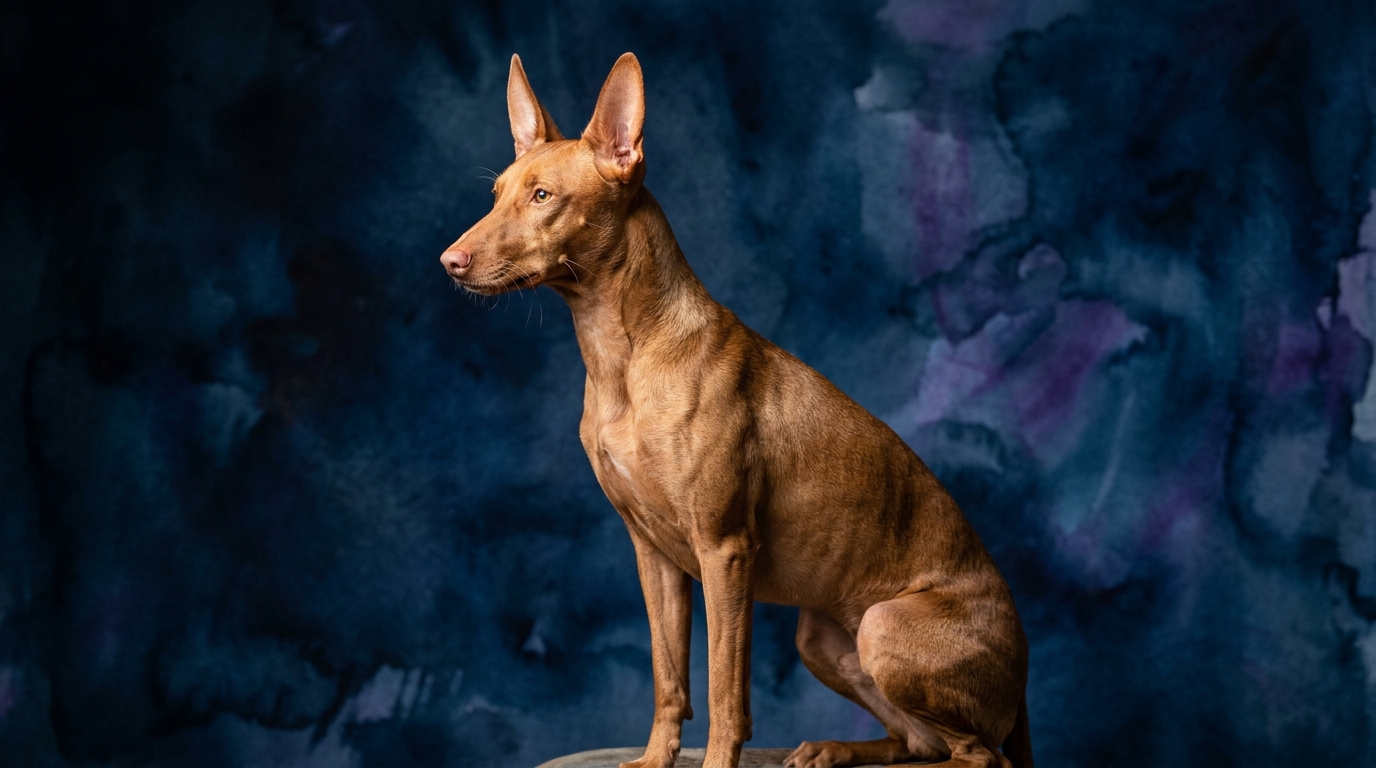
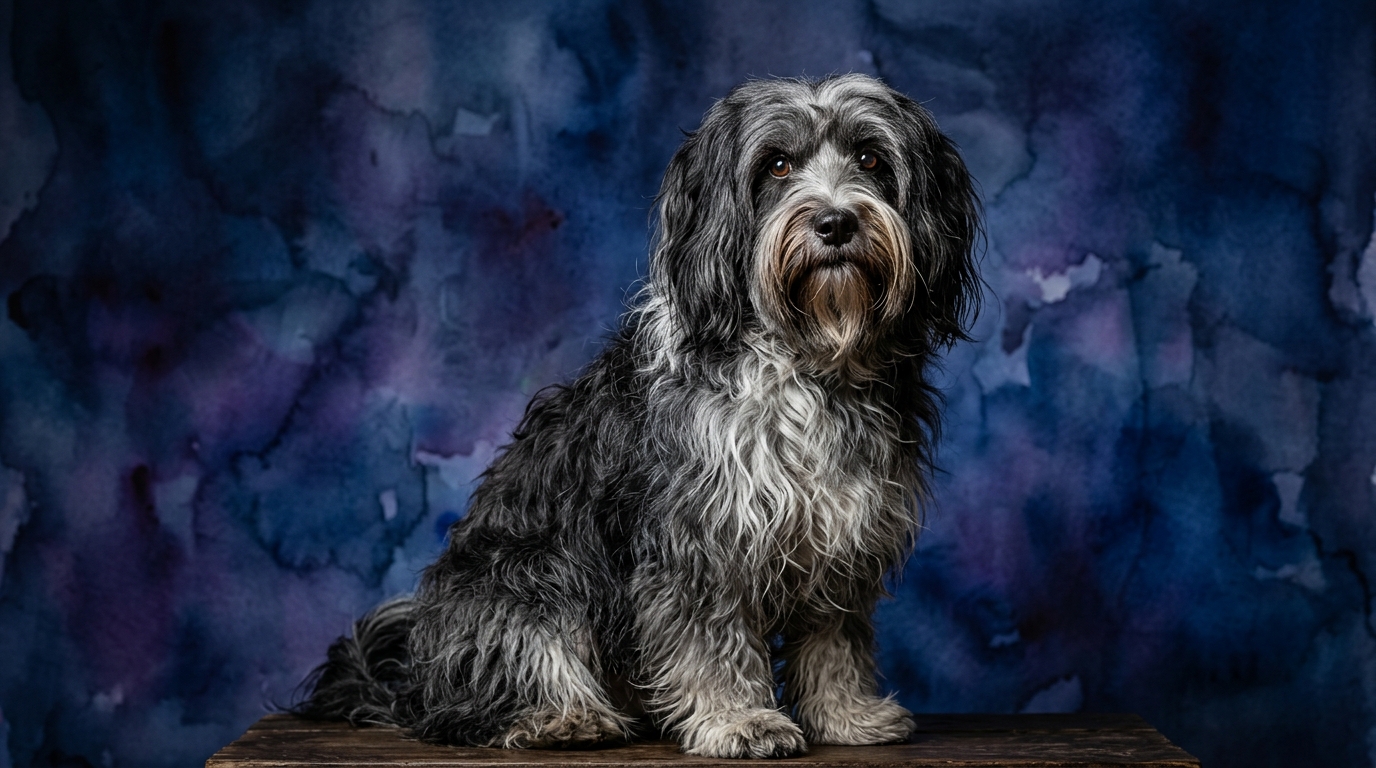
Side-by-Side IQ Profile: Unpacking Identical Scores
On paper, both the Pharaoh Hound and the Tibetan Terrier possess identical scores across the Cosmic Pet Pet IQ Lab's five cognitive dimensions: Problem Solving (3/5), Training Speed (3/5), Social Intelligence (3/5), Instinctive Drive (3/5), and Memory (3/5). However, these numerical equivalences mask a fascinating divergence in how these abilities manifest in breeds with such disparate histories and purposes. Understanding these nuances requires looking beyond the numbers to their behavioral expressions.
For the Pharaoh Hound, Problem Solving (3/5) often manifests as strategic thinking in pursuit. This includes independently assessing terrain for optimal speed or anticipating a small animal's escape route, demonstrating a quick, reactive intelligence geared towards their hunting heritage. Their solutions are frequently physical and immediate, focused on overcoming obstacles to reach a goal. Training Speed (3/5) indicates a capacity for learning, but their independent nature means a different approach is often required. They absorb commands and routines, yet their motivation is not primarily handler appeasement; instead, it is often tied to self-rewarding behaviors like chase or exploration. Consistency and high-value rewards are key to harnessing this learning potential. Social Intelligence (3/5) allows them to form strong, affectionate bonds with their family, though they tend to be reserved with strangers. They observe social dynamics within their pack and can be sensitive to their owner's mood, but their engagement is often on their own terms, maintaining a dignified aloofness characteristic of sighthounds. Instinctive Drive (3/5) is a cornerstone of the Pharaoh Hound's cognitive makeup, primarily expressed as an intense prey drive. Their keen senses of sight and smell are constantly scanning the environment, and a sudden movement can trigger an immediate, focused chase response, showcasing a powerful, deeply ingrained genetic programming. Memory (3/5) in these hounds is particularly strong for spatial information and the layout of their environment. They can recall the best routes through a field or the location of interesting scents, which is crucial for effective hunting and navigation. They also remember routines, but their recall often serves their own interests first.
The Tibetan Terrier’s Problem Solving (3/5) often involves navigating complex social situations or figuring out how to achieve a desired outcome within their domestic sphere. This might include manipulating objects to get a treat, opening doors, or creatively communicating their needs to their human companions, reflecting a practical, adaptable intelligence. Training Speed (3/5) suggests they are capable learners, often eager to engage when the activity is stimulating and rewarding. They respond well to positive reinforcement and enjoy the mental challenge of learning new tricks or commands, particularly when it strengthens their bond with their owner. Their motivation is often rooted in companionship and attention. Social Intelligence (3/5) is a hallmark of the Tibetan Terrier, allowing them to integrate seamlessly into family life. They are highly attuned to human emotions and social cues, often acting as sensitive companions who understand nuances in tone and body language, displaying empathy and a desire for interaction. Instinctive Drive (3/5) in the Tibetan Terrier is expressed through their historical role as watchful companions and guardians of their nomadic families. This manifests as a keen awareness of their surroundings, a tendency to alert to unfamiliar sounds or sights, and a strong protective instinct towards their human pack, rather than a strong prey drive. Memory (3/5) serves them exceptionally well in recalling people, established household routines, and the intricacies of their social environment. They remember past interactions, training commands, and the specific habits of their family members, contributing to their adaptable and reliable nature as companions.
Where the Pharaoh Hound's Cognition Excels
Despite identical numerical scores, the Pharaoh Hound's cognitive strengths distinctly shine in areas demanding independent, swift action and environmental mastery. Their 3/5 problem-solving is particularly effective when applied to dynamic, outdoor scenarios, such as navigating varied terrain at high speed or strategizing to outmaneuver perceived quarry. This isn't about complex abstract thought, but rather an acute, practical intelligence for immediate, physical challenges.
Their 3/5 instinctive drive, powerfully channeled into sight-hunting, provides an unparalleled focus and persistence in pursuit, making them exceptionally adept at tasks requiring sustained, independent effort driven by primal urges. This singular focus, coupled with their 3/5 memory for spatial details, means they excel at recalling optimal routes or the layout of large areas, a crucial advantage in their ancestral role. They demonstrate a specialized, action-oriented intelligence that is highly effective in their specific domain.
Where the Tibetan Terrier's Cognition Holds an Edge
The Tibetan Terrier, while matching the Pharaoh Hound in raw cognitive scores, excels in areas requiring nuanced social understanding and adaptive, domestic problem-solving. Their 3/5 social intelligence is remarkably sophisticated, allowing them to read human emotions with precision and respond appropriately, making them empathetic and highly integrated family members. This social acumen translates into a different kind of 3/5 problem-solving, where they might strategically 'negotiate' for attention, figure out how to open a treat container, or creatively communicate their needs within a household context.
Their 3/5 memory is particularly robust for social interactions, routines, and the intricate dynamics of their human household, enabling them to anticipate events and adapt smoothly to the ebb and flow of family life. They demonstrate a resourceful wit geared towards harmonious cohabitation and interaction, making them adept at navigating the complexities of human-canine relationships. Their cognitive strengths lie in their adaptability and their ability to thrive in a social, familial setting.
Training Dynamics: Independence vs. Cooperation
While both breeds register a 3/5 for training speed, the Tibetan Terrier generally presents an easier training experience due to fundamental differences in their motivational drivers and historical roles. The Tibetan Terrier, having been bred primarily as a companion and watch dog, often possesses a stronger desire to please their human family and thrives on social interaction and positive reinforcement. Their 3/5 social intelligence makes them highly attuned to their owner's cues and desires, fostering a cooperative spirit in training.
Conversely, the Pharaoh Hound, a sighthound developed for independent hunting, often prioritizes its own instincts and rewards, such as the thrill of the chase, over handler directives. Their 3/5 training speed is present, but their independent nature and powerful 3/5 instinctive drive mean training requires exceptional patience, creativity, and the use of high-value, highly motivating rewards to consistently capture their attention and willingness to comply. They learn, but often on their own terms, making them less inherently biddable than the Tibetan Terrier, who generally approaches training with a more collaborative mindset.
Lifestyle Match: Active Pursuit vs. Adaptable Companionship
The choice between these two breeds significantly hinges on an owner's lifestyle and activity level. The Pharaoh Hound, with its profound 3/5 instinctive drive and athletic build, is unequivocally suited for active owners. They require extensive daily exercise, including opportunities for full-speed running in securely fenced areas, to satisfy their sighthound instincts and maintain their physical and mental well-being. Owners must be prepared for their independent nature and the need for consistent, engaging mental stimulation that taps into their problem-solving abilities within an active framework. A relaxed owner would struggle to meet the Pharaoh Hound's significant energy requirements, potentially leading to frustration for both dog and owner.
The Tibetan Terrier, while agile and enjoying regular activity, is more adaptable to a range of lifestyles. Their 3/5 instinctive drive is expressed more through watchfulness and companionship than relentless physical pursuit. They thrive on consistent walks, interactive play, and mental challenges like puzzle toys, but are also content to relax with their family. This makes them a better fit for owners who are active but perhaps not intensely so, or those who appreciate a dog that can transition seamlessly from bursts of play to quiet companionship, valuing their social intelligence and adaptability in various home environments.
The Verdict
Select this breed if you are an active individual or family who can provide extensive, secure opportunities for running and appreciate an independent, dignified companion with a keen, instinct-driven mind.
Opt for a Tibetan Terrier if you seek an adaptable, socially aware companion who thrives on family interaction and moderate activity, offering a resourceful and watchful presence.
🧠 Find Your Pet's IQ Score
Our Pet IQ Lab assessment covers 25+ tests across 5 cognitive dimensions — personalized to your breed.
Take the Full IQ Test →Frequently Asked Questions
Are Pharaoh Hounds good with other pets?
Due to their strong 3/5 instinctive drive, Pharaoh Hounds possess a significant prey drive, which means careful introductions and constant supervision are crucial, especially with smaller, fast-moving pets. While they can coexist peacefully with cats or other dogs if raised together, their instincts remain powerful and should always be managed responsibly.
Do Tibetan Terriers shed a lot?
Tibetan Terriers have a double coat that does shed, but they are generally considered moderate shedder. Regular grooming, including brushing several times a week, is essential to prevent matting and manage the shedding of their unique hair-like coat, keeping it healthy and free of tangles.
What is the significance of the Coren ranking for the Tibetan Terrier?
The Tibetan Terrier's Coren ranking of #63 places it in the 'average working/obedience intelligence' category. This suggests they typically require 25-40 repetitions to understand new commands and will comply with the first command about 50% of the time, highlighting their capacity for learning with consistent effort and clear communication.