Side-by-Side Cognitive Profiles: Decoding the '3/5' Scores
While both the Pointer and the Australian Terrier achieve a consistent 3/5 across the board in our IQ assessment, understanding what this means for each breed requires looking beyond the numbers to their historical roles and inherent temperaments. A score of 3/5 indicates a solid, functional level of cognitive ability, but the *application* of that ability is unique to each canine.
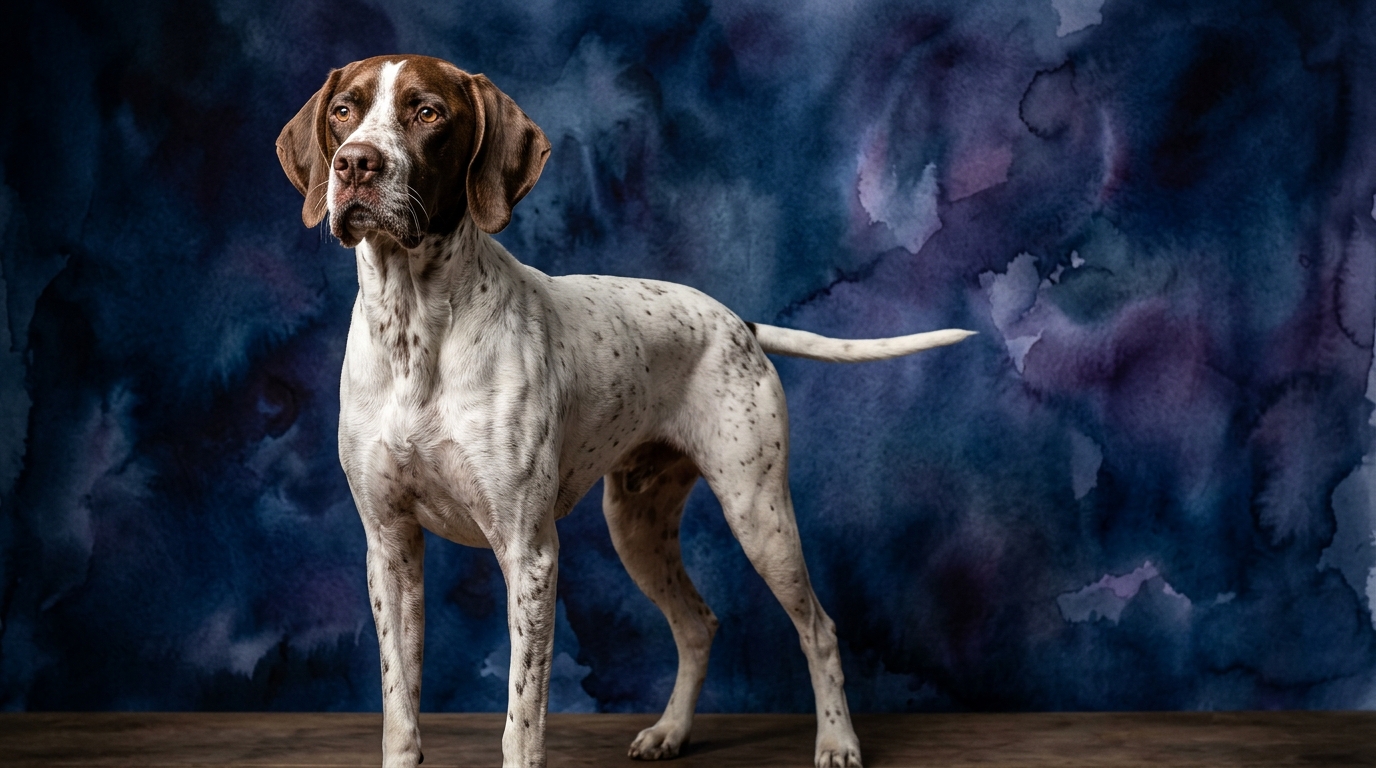
For the **Pointer (Sporting Group)**, a 3/5 in **Problem Solving** suggests a moderate capacity for independent thought and strategic planning, particularly in tasks related to their heritage of locating and indicating game. They excel when the 'problem' involves navigating open fields, scent discrimination, and working cooperatively to achieve a goal, with solutions often being methodical and purpose-driven. Their **Training Speed (3/5)** reflects a decent pace for acquiring new commands and routines, supported by an eagerness to please a handler and a focus on repetitive tasks in the field, making consistent, positive reinforcement training effective. **Social Intelligence (3/5)** for a Pointer is practical and often handler-centric, signifying an attunement to human cues and moods, crucial for their role as hunting partners, allowing them to adapt to various social situations without being overly dependent or aloof. Their **Instinctive Drive (3/5)** is inherently tied to pointing game, manifesting as a strong prey drive that is typically channeled and refined through training, focusing on scent work, tracking, and controlled pursuit. Finally, a **Memory (3/5)** allows Pointers to retain learned commands, established routines, and the locations of familiar places, vital for remembering complex hunting patterns and subtle signals from their handler over time.
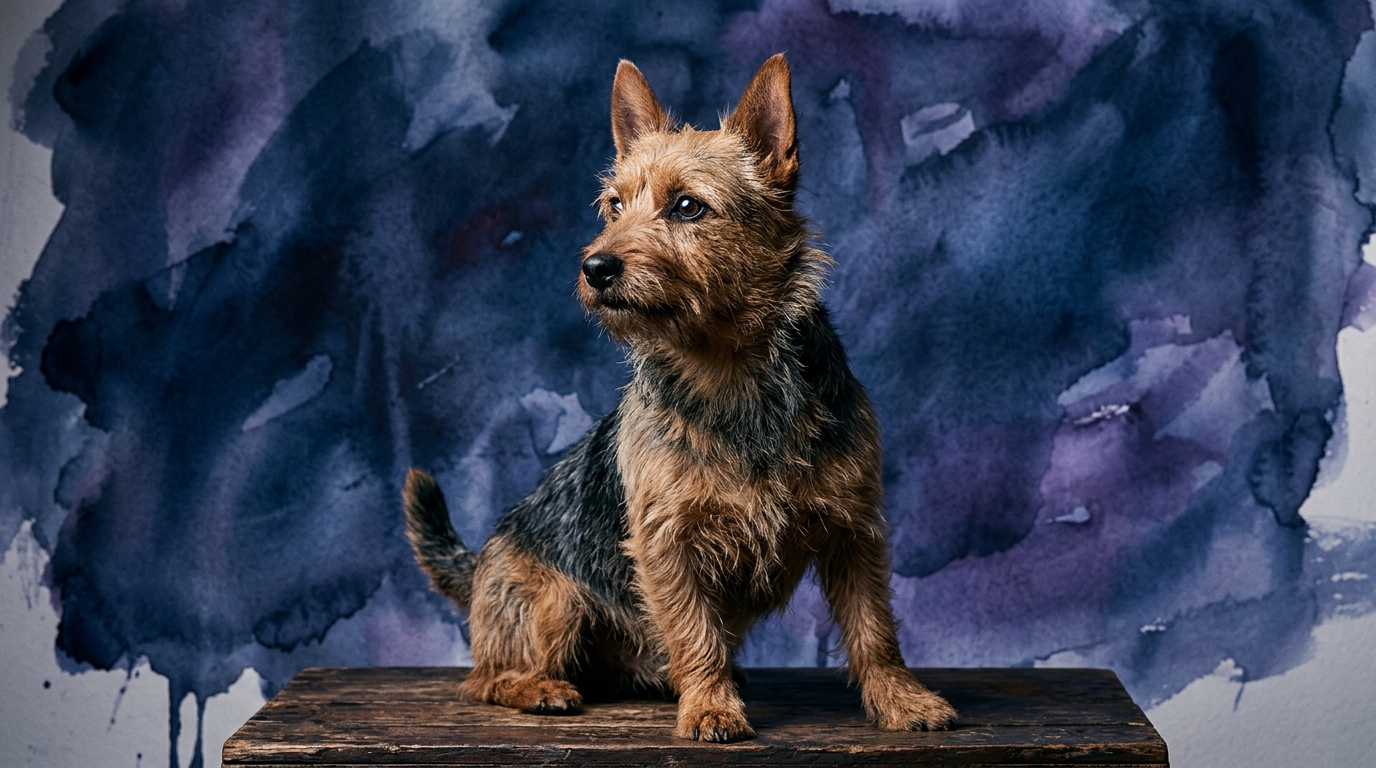
The **Australian Terrier (Terrier Group)** also scores 3/5 in all dimensions, but their cognitive expression differs significantly. Their **Problem Solving (3/5)** often translates to ingenious, sometimes mischievous, solutions to challenges. Bred to hunt small vermin, their problem-solving skills lean towards independent thinking, finding ways into tight spaces, or outsmarting prey, with solutions that are direct and tenacious. In **Training Speed (3/5)**, Australian Terriers learn at a moderate pace, but their independent spirit means training requires consistency, patience, and often a touch of humor; they might grasp commands quickly but choose to execute them on their own terms if not properly motivated, making engaging methods key. Their **Social Intelligence (3/5)** is characterized by a discerning nature, typically loyal to their immediate family but potentially reserved or assertive with strangers, and they read social cues well within their established pack, often using their cleverness to get what they want. The Australian Terrier's **Instinctive Drive (3/5)** is rooted in its vermin-hunting heritage, manifesting as a keen interest in digging, chasing small animals, and a general tenacity that can be channeled into earthdog trials or focused play, often accompanied by strong vocalization. Their **Memory (3/5)** demonstrates a solid retention for routines, learned boundaries, and the people they encounter, aiding them in navigating their environment and remembering past interactions, for better or worse.
Where the Pointer Excels Cognitively
Despite identical numerical scores, the Pointer's cognitive strengths shine particularly bright in cooperative, task-oriented environments. Their 3/5 problem-solving manifests as a capacity for methodical, sustained effort towards a shared objective, such as systematically quartering a field for scent or interpreting complex hand signals during a hunt. This isn't about solo ingenuity, but rather a strategic intelligence applied within a partnership to achieve a common goal.
While both breeds score 3/5 in social intelligence, the Pointer's manifests as a profound attunement to their handler's intentions and subtle cues, making them exceptionally responsive partners in dynamic situations. This translates to an innate ability to anticipate needs and seamlessly integrate with their human counterpart's will to achieve a joint goal. Their memory (3/5) is particularly robust for recalling specific scent patterns or the location of hidden game, crucial for efficient retrieval or re-pointing over varied terrains and extended periods.
Where the Australian Terrier Demonstrates Unique Cognitive Strengths
The Australian Terrier's cognitive advantages emerge in scenarios demanding independent thought and tenacious resourcefulness. Their 3/5 problem-solving often involves creative, sometimes mischievous, solutions to perceived obstacles, such as figuring out how to bypass a gate or unearth a buried treasure in the garden. This isn't about cooperation in the field, but about individual initiative to achieve a personal goal, often related to their vermin-hunting instincts.
While their social intelligence also rates 3/5, it often involves a keen ability to read and manipulate household dynamics, subtly influencing their humans to get extra treats or preferred sleeping spots. Their instinctive drive (3/5) is uniquely potent when it comes to persistent, focused pursuit, enabling them to overcome challenges through sheer determination, whether it’s tracking a perceived critter or retrieving a favorite toy from under furniture. This drive fuels their capacity for enduring mental and physical engagement in their chosen tasks.
Training Dynamics: Cooperation vs. Independence
Both breeds are rated 3/5 for training speed, yet the *approach* to training differs significantly due to their inherent temperaments and historical roles. The Pointer, a classic sporting dog, typically exhibits a strong desire to work *with* their handler. Their inherent biddability, a cornerstone of their hunting partnership, translates into a relatively straightforward training experience for formal obedience.
Pointers often find satisfaction in pleasing their owner and performing tasks that align with their cooperative nature, making repetitive drills more palatable and progress steady. In contrast, the Australian Terrier, a terrier through and through, possesses a more independent and self-willed streak. While they are certainly capable of learning, their 3/5 training speed is often tempered by a 'what's in it for me?' attitude. Training an Australian Terrier requires more creativity, high-value rewards, and a willingness to make lessons feel like a game, rather than a command. Their behavioral differences stem from their ancestral roles: one bred for seamless partnership, the other for tenacious self-reliance.
Matching Breeds to Lifestyles: Active Engagement is Key
Neither the Pointer nor the Australian Terrier is truly suited for a 'relaxed' owner in the sense of minimal engagement; both possess a 3/5 instinctive drive and require consistent mental and physical outlets. However, their needs diverge in intensity and type. The Pointer, with its sporting heritage, thrives with active owners who can provide ample opportunities for vigorous exercise, such as long runs, extensive hiking, or field work. Their cognitive needs are best met through activities that engage their scenting abilities and cooperative spirit, like scent work, advanced obedience, or even dog sports that mimic hunting scenarios. A Pointer left without sufficient activity might become restless or channel its energy into less desirable behaviors, seeking an outlet for its considerable energy.
The Australian Terrier also requires a dedicated owner, but their activity needs, while significant for their size, are generally more manageable in terms of sheer mileage. They excel with owners who can provide consistent, engaging play, short bursts of high-intensity activity, and plenty of mental stimulation to satisfy their problem-solving and hunting instincts. Puzzle toys, earthdog trials, agility, or even extensive, supervised backyard digging can fulfill their drive. A 'relaxed' owner who underestimates the Australian Terrier's need for mental engagement might find their home becoming the terrier's next 'digging project' or 'vermin hunt,' demonstrating their tenacity in ways less desirable for household harmony.
The Verdict
Opt for a Pointer if you are an active individual or family seeking a devoted, cooperative companion for outdoor adventures, field sports, or a dog that thrives on working closely with you towards a shared goal.
Select an Australian Terrier if you appreciate a spirited, independent, and clever companion who offers endless entertainment, and you are prepared to engage their sharp mind and tenacious spirit with consistent training and varied mental challenges.
🧠 Find Your Pet's IQ Score
Our Pet IQ Lab assessment covers 25+ tests across 5 cognitive dimensions — personalized to your breed.
Take the Full IQ Test →Frequently Asked Questions
Do Pointers typically need more exercise than Australian Terriers?
Generally, yes. Pointers are larger sporting dogs bred for endurance and covering vast distances, requiring extensive physical activity like long runs or field work. Australian Terriers, while energetic, can often have their needs met with more focused, intense play and mental stimulation within a smaller footprint, better suited for varied urban or suburban activities.
Is one breed more prone to destructive behaviors if bored?
Both breeds can become destructive if their mental and physical needs are not met, but it often manifests differently. A bored Pointer might engage in excessive barking or become restless, while an Australian Terrier might resort to digging, chewing, or persistent vocalization, channeling their problem-solving instincts into household 'projects' to alleviate boredom.
How do their 3/5 social intelligence scores compare in a family setting?
The Pointer's 3/5 social intelligence often means they are generally amiable and eager to integrate into family life, forming strong bonds with all members and being quite adaptable. The Australian Terrier's 3/5 social intelligence typically translates to loyalty to their immediate family but can be more discerning or reserved with strangers, requiring careful socialization to ensure well-rounded interactions.