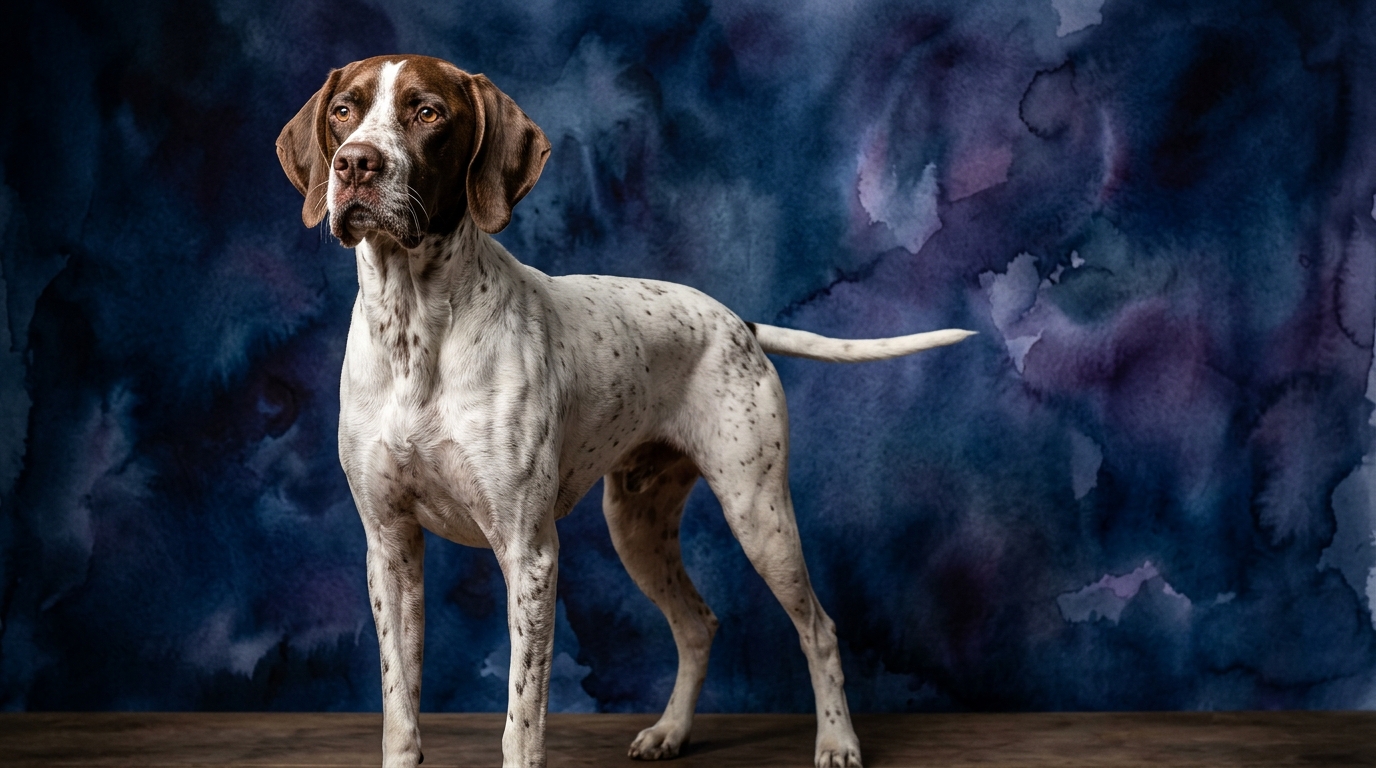

Side-by-Side IQ Profile: Unpacking the '3/5'
The Cosmic Pet Pet IQ Lab evaluates canine cognition across five crucial dimensions: Problem Solving, Training Speed, Social Intelligence, Instinctive Drive, and Memory. Intriguingly, both the Pointer and the Basset Hound score a consistent 3 out of 5 in every single category. This parity doesn't mean their minds work identically; rather, it highlights how their breed-specific roles shape the *manifestation* of these cognitive abilities.
For the **Pointer**, a breed from the Sporting Group, their 3/5 in **Problem Solving** isn't about complex abstract puzzles, but about strategic efficiency in the field. This involves interpreting wind patterns to catch scent, quartering ground effectively to locate game, and navigating varied terrain with purpose. It's a practical, goal-oriented intellect honed for cooperative hunting tasks. Their **Training Speed** at 3/5 reflects a moderate ability to acquire commands, especially when lessons align with their natural drives and involve working in partnership. They typically demonstrate a receptive attitude, finding satisfaction in pleasing their handler. Their **Social Intelligence** (3/5) shines in their capacity to forge a deep, task-oriented bond with their human partner, reading cues and anticipating intentions crucial for effective teamwork. A 3/5 **Instinctive Drive** in a Pointer is powerfully channeled into their namesake 'point' and the desire to find and retrieve game. This is a focused energy, seeking fulfillment through cooperative activity. Finally, their **Memory** (3/5) is adept at recalling field layouts, the locations of previous finds, and sequences of commands learned for specific hunting scenarios, allowing them to build experience and refine their approach over time.
In contrast, the **Basset Hound**, a member of the Hound Group, exhibits its 3/5 cognitive scores through a distinctly different lens. Their **Problem Solving** at 3/5 is intensely specialized in the realm of olfaction. It involves deciphering intricate scent trails, distinguishing target odors from environmental clutter, and navigating obstacles solely by nose. This intellect is characterized by persistent, single-minded pursuit, often requiring independent decision-making over human direction. While their **Training Speed** is also 3/5, the Basset's learning curve can feel more challenging. They are capable of learning, but their profound, independent scent drive frequently overrides other motivations. This means effective training requires immense patience, high-value rewards, and often feels like competing with their nose. Their **Social Intelligence** (3/5) manifests as a generally amiable, tolerant, and affectionate disposition. They form strong bonds with family as companions, though this intelligence is less about strict task cooperation and more about peaceful coexistence and comfort. The Basset Hound's 3/5 **Instinctive Drive** is almost singularly focused on scent. This drive is immensely powerful, compelling them to follow a trail regardless of distractions or handler calls. It's an internal compass dictating much of their behavior and cognitive focus. Their **Memory** (3/5) is truly exceptional when it comes to scent. They can recall specific scent profiles, the location of interesting smells, and even the 'story' of a trail over time, building a rich, olfactory understanding of their world.
Where the Pointer Excels Cognitively
Despite identical numerical scores, the Pointer's cognitive strengths lean heavily towards cooperative engagement and directed purpose. Their 3/5 problem-solving ability, for instance, translates into a remarkable capacity for strategic field work alongside a human. They excel at figuring out efficient search patterns and responding to subtle environmental cues in concert with their handler's instructions, demonstrating a highly collaborative form of intellect.
Furthermore, the Pointer's social intelligence, while rated 3/5, is particularly tuned for partnership. This means they are often more receptive to handler feedback and adapt more readily to varied training contexts. Their drive to work *with* a human provides a powerful intrinsic motivation that can make them appear more flexible in applying learned commands and adjusting their behavior based on human direction.
The Pointer's memory, also 3/5, efficiently stores and retrieves information relevant to their working tasks. This allows them to quickly learn and remember complex multi-step routines, making them proficient in activities that require sequential understanding and recall, from pointing and retrieving to navigating specific courses.
Where the Basset Hound Shines Cognitively
The Basset Hound's cognitive strengths are deeply rooted in their specialized sensory world. Their 3/5 problem-solving is unparalleled in the realm of scent. They demonstrate profound mental tenacity in unraveling complex, faint, or ancient scent trails, a form of intellectual pursuit that requires immense focus and independent deduction, often ignoring all other stimuli.
Their instinctive drive, rated 3/5, is a testament to their unwavering dedication to a scent. This isn't just a strong urge; it's a cognitive commitment that allows them to function autonomously for extended periods, driven by an internal, olfactory compass. This specialized focus means their problem-solving and memory are primarily geared towards the intricacies of the scent world.
The Basset's memory, also 3/5, is truly extraordinary when it comes to olfactory recall. They build detailed mental maps of their environment based on smells, remembering specific scent profiles and their locations with precision. This specialized memory allows them to revisit and re-interpret scent information, a unique cognitive talent that sets them apart.
Training Dynamics: Pointer vs. Basset Hound
When it comes to training, the identical 3/5 Training Speed scores belie significant practical differences. The Pointer, with its cooperative nature and strong social intelligence, generally presents as the more straightforward student. They typically possess an eagerness to engage with their handler and a desire to work in partnership, making them receptive to structured lessons. Their motivation often stems from achieving a shared goal and receiving positive affirmation, which facilitates a relatively consistent learning pace for obedience and field commands.
The Basset Hound, on the other hand, can be a more challenging training partner despite the same 3/5 training speed. Their powerful, independent scent drive means that an interesting smell will almost always take precedence over a handler's command. Their problem-solving intellect is focused on the world of scent, not necessarily on compliance with human directives. Training a Basset requires exceptional patience, creativity, and the use of high-value rewards to capture and sustain their attention, often requiring handlers to compete directly with the allure of their nose.
Owner Lifestyles: Active Explorers vs. Relaxed Companions
The cognitive profiles of these two breeds naturally align with different owner lifestyles. The Pointer, with its cooperative problem-solving, strong instinctive drive for activity, and social intelligence geared towards partnership, thrives with active owners. They require significant daily physical exercise, such as vigorous runs, long hikes, or engaging in field work that channels their natural instincts. Owners who can provide consistent mental stimulation through training, scent games, or dog sports will find the Pointer to be a wonderfully engaged and fulfilling companion.
The Basset Hound, conversely, is better suited for more relaxed owners. While they certainly need regular walks to maintain health and satisfy their olfactory curiosity, their overall activity level is generally lower than a Pointer's. Their specialized problem-solving and powerful scent drive mean they are content to leisurely explore their environment through their nose, whether in a secure yard or on a sniff-filled walk. Owners who appreciate a laid-back, charming companion and are prepared for a dog whose primary motivation is often an interesting smell will find deep satisfaction with a Basset.
The Verdict
Choose a Pointer if you seek a dynamic, cooperative partner for outdoor adventures, field activities, or structured training, and you are prepared to provide ample physical and mental engagement.
Opt for a Basset Hound if you appreciate a laid-back, independent companion with a charming personality and a deep love for following their nose, and you value a more relaxed pace of life.
🧠 Find Your Pet's IQ Score
Our Pet IQ Lab assessment covers 25+ tests across 5 cognitive dimensions — personalized to your breed.
Take the Full IQ Test →Frequently Asked Questions
Do Pointers need a lot of exercise?
Yes, Pointers are an active Sporting breed with a significant instinctive drive. They require substantial daily exercise, including vigorous runs or field work, to satisfy their physical needs and cooperative drive. Without adequate outlets, they may become restless and seek their own forms of engagement.
Are Basset Hounds difficult to train?
Basset Hounds can present training challenges due to their strong, independent scent drive, which often overrides their desire to comply. Consistent, positive reinforcement with high-value rewards and immense patience are crucial for effective training, as their cognitive focus is often on the world of smell.
Which breed is better with children?
Both breeds can be good family dogs. Pointers are generally patient and playful, though their energy levels might be overwhelming for very small children without proper management. Basset Hounds are typically gentle, tolerant, and good-natured, making them excellent companions for children, provided their independent nature is understood and respected.