Side-by-Side IQ Profile: Unpacking Identical Scores
While both breeds register a consistent 3/5 across all categories, understanding the specific application of these mental faculties within each breed's context is key to appreciating their individual cognitive strengths. It's not just about the score, but how that score translates into real-world behavior and problem-solving.
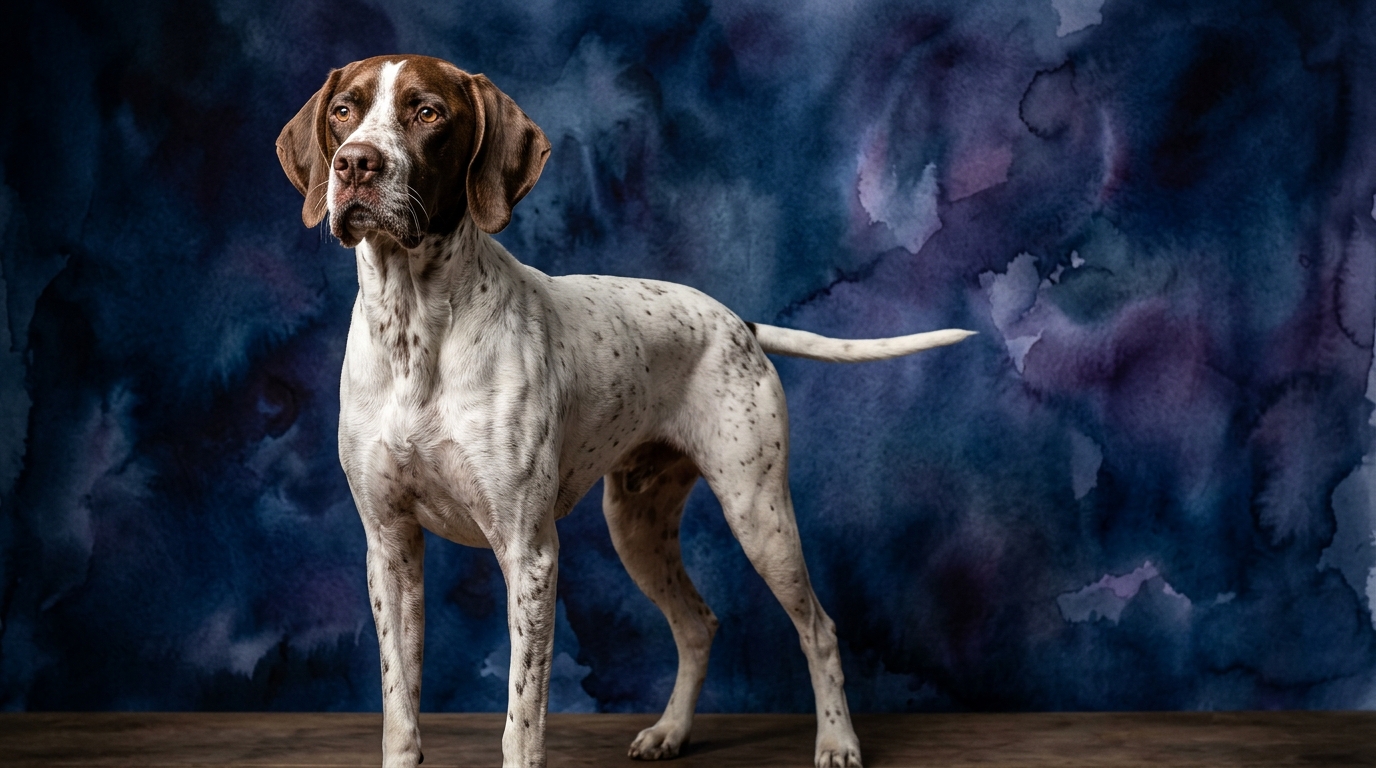
For the **Pointer**, a breed honed for upland bird hunting, a **Problem Solving (3/5)** score reflects an aptitude for navigating varied terrain, strategically working wind currents to locate game, and adapting their search patterns based on environmental cues. They excel at figuring out efficient ways to find and 'point' birds, often in cooperation with a handler. Their **Training Speed (3/5)** indicates a generally responsive nature, grasping commands related to field work and general obedience fairly quickly, especially when motivated by their strong prey drive or the desire to please their handler. **Social Intelligence (3/5)** for a Pointer manifests as a strong bond with their human family, a keen understanding of handler cues for cooperative hunting, and generally amiable interactions with other dogs in a working or domestic setting. Their **Instinctive Drive (3/5)** is powerfully centered on locating, pointing, and sometimes retrieving game birds, a deep-seated impulse that dictates much of their focus and energy. Finally, their **Memory (3/5)** allows them to retain complex hunting patterns, learned commands, and the layout of productive hunting grounds, crucial for consistent performance.
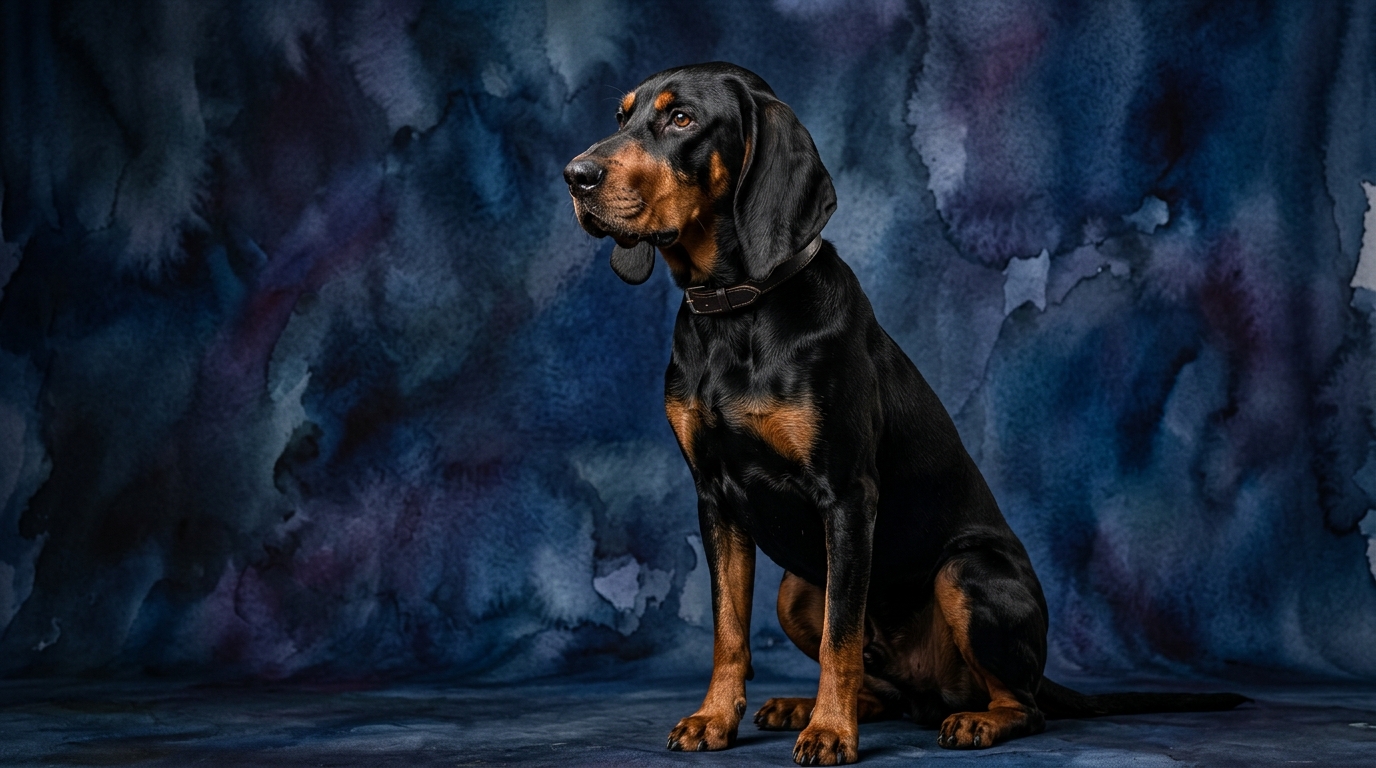
The **Black and Tan Coonhound**, bred for trailing and treeing raccoons and other nocturnal game, exhibits its 3/5 scores through a different lens. Their **Problem Solving (3/5)** is primarily dedicated to deciphering intricate scent trails, navigating challenging environments (often in darkness), and strategizing how to 'tree' their quarry. This involves remarkable spatial reasoning and unwavering persistence. **Training Speed (3/5)** means they can learn commands at a moderate pace, but their independent, scent-driven nature often compels them to prioritize a compelling odor over immediate handler instruction, demanding patience and consistency in training. Their **Social Intelligence (3/5)** is seen in their devotion to family, often displaying a gentle and amiable disposition, and their expressive, often vocal, communication with both humans and other dogs, thriving on companionship. The **Instinctive Drive (3/5)** of a Black and Tan Coonhound is overwhelmingly dominated by the drive to follow a scent trail, often to the exclusion of all else. This deep-seated instinct to hunt defines their cognitive focus and persistence. Their **Memory (3/5)** is highly specialized for recalling complex scent patterns and the routes they've taken, essential for effective tracking, alongside remembering routines and learned behaviors within a domestic environment.
Where the Pointer Excels Cognitively
Despite identical numerical scores, the Pointer's cognitive strengths lean towards cooperative and adaptive intelligence in a fast-paced environment. Their Problem Solving (3/5) is often geared towards rapid decision-making in the field, adjusting their search pattern instantly based on a shifting wind or a faint scent, always with an eye towards their handler for direction. This makes their intelligence particularly effective in tasks requiring precise, coordinated actions alongside a human partner. Their Training Speed (3/5) translates into a capacity for learning complex sequences of commands that directly support their working role, such as 'whoa' or specific retrieving instructions, which require a keen understanding of human intent and a willingness to execute precisely. They are often more attuned to visual cues and body language from their handler, facilitating a smoother, more synchronous working relationship.
Where the Black and Tan Coonhound Shines Cognitively
The Black and Tan Coonhound's cognitive brilliance lies in its independent problem-solving and an unparalleled dedication to olfactory work. Their Problem Solving (3/5) is less about rapid, handler-directed adjustments and more about sustained, self-guided deduction over a scent trail, often spanning miles and hours. They excel at filtering out irrelevant odors, differentiating between fresh and old trails, and navigating complex terrain solely by scent, demonstrating a profound internal map and strategic thinking. Their Instinctive Drive (3/5), while numerically similar, is arguably more singular and overpowering, leading to an almost meditative focus on their task. This intense dedication, coupled with their Memory (3/5) for scent patterns, means they can piece together an intricate narrative from the ground, showcasing a different kind of mental fortitude and specialized intelligence compared to the Pointer.
Training Dynamics: Pointer's Eagerness vs. Coonhound's Conviction
When it comes to ease of training, the nuances of their 3/5 Training Speed score become evident. The Pointer, with its strong desire to cooperate and inherent field manners, generally proves more amenable to formal obedience training. Their role demands responsiveness to handler commands, making them eager to learn and execute tasks that lead to their desired outcome (finding birds). They thrive on positive reinforcement and clear direction, quickly linking commands to actions. While they possess a strong independent drive for searching, it is often intertwined with a desire to work *with* their human partner.
The Black and Tan Coonhound, while capable of learning, presents a different training challenge. Their 3/5 Training Speed is frequently overshadowed by their powerful, independent scent drive. Once a compelling scent is detected, their focus can become singularly fixed on the trail, making it difficult to redirect their attention to handler commands. This isn't a lack of cognitive ability, but rather a prioritization of their primary instinct. Training a Coonhound requires immense patience, consistency, and a deep understanding of their motivations. While they can learn a wide array of commands, achieving reliable recall or 'off-leash' obedience in a scent-rich environment is a significantly greater undertaking due to their innate conviction to follow their nose, often making them appear more 'stubborn' than the Pointer.
Lifestyle Match: Active Engagement vs. Dedicated Scent Work
Choosing between these two breeds based on lifestyle means aligning with their inherent drives and how their intelligence manifests in daily life. A Pointer is an ideal companion for owners who embrace an active outdoor lifestyle, enjoying activities like running, hiking, or participating in field trials. Their need for physical exertion is matched by a desire for mental stimulation that engages their searching and pointing instincts, making them superb partners for those who enjoy working closely with a dog in a sporting context. They are less suited for truly 'relaxed' owners who cannot provide significant daily physical and mental engagement, as their energy and purpose will likely manifest in less desirable behaviors without proper outlets.
The Black and Tan Coonhound also requires an active owner, but one whose definition of 'active' might lean more towards dedicated scent work, long walks where they can investigate odors, or participation in tracking sports. While they can be remarkably calm and affectionate indoors, their profound need to 'work a nose' must be satisfied daily. A relaxed owner who expects a purely sedentary companion without providing ample opportunities for scent exploration will find a Coonhound's pent-up instinctive drive challenging. Their relaxation often comes after a long, satisfying session of following a trail, rather than as a default state, making them a better fit for those who appreciate their independent, scent-driven nature and can provide appropriate outlets for it.
The Verdict
Choose a Pointer if you seek an athletic, highly cooperative partner for field sports or active outdoor adventures, valuing a dog that works synchronously with you.
Opt for a Black and Tan Coonhound if you appreciate independent problem-solving, a profound connection to scent work, and a persistent, often vocal, companion driven by their nose.
🧠 Find Your Pet's IQ Score
Our Pet IQ Lab assessment covers 25+ tests across 5 cognitive dimensions — personalized to your breed.
Take the Full IQ Test →Frequently Asked Questions
Do their similar IQ scores mean they are equally easy to live with?
No, identical IQ scores do not equate to identical ease of living. The manifestation of their intelligence and instinctive drives differs significantly, with the Pointer generally being more handler-focused and the Coonhound more independently driven by scent, which impacts daily interactions and training demands.
How does the 'instinctive drive' score of 3/5 differ between these two breeds?
While both score 3/5, the Pointer's instinctive drive is primarily for finding and pointing game birds in a cooperative manner, whereas the Black and Tan Coonhound's drive is almost solely focused on trailing and treeing game via scent, often with strong independence and persistence.
Can a Black and Tan Coonhound be trained for pointing, or a Pointer for scent trailing?
While both breeds possess general cognitive abilities, their powerful, genetically ingrained instincts make it challenging to train them for the other's primary role. A Coonhound might briefly indicate scent, but lacks the Pointer's specific 'point,' and a Pointer's scent trailing, while capable, won't match the Coonhound's specialized, unwavering dedication to a cold trail.