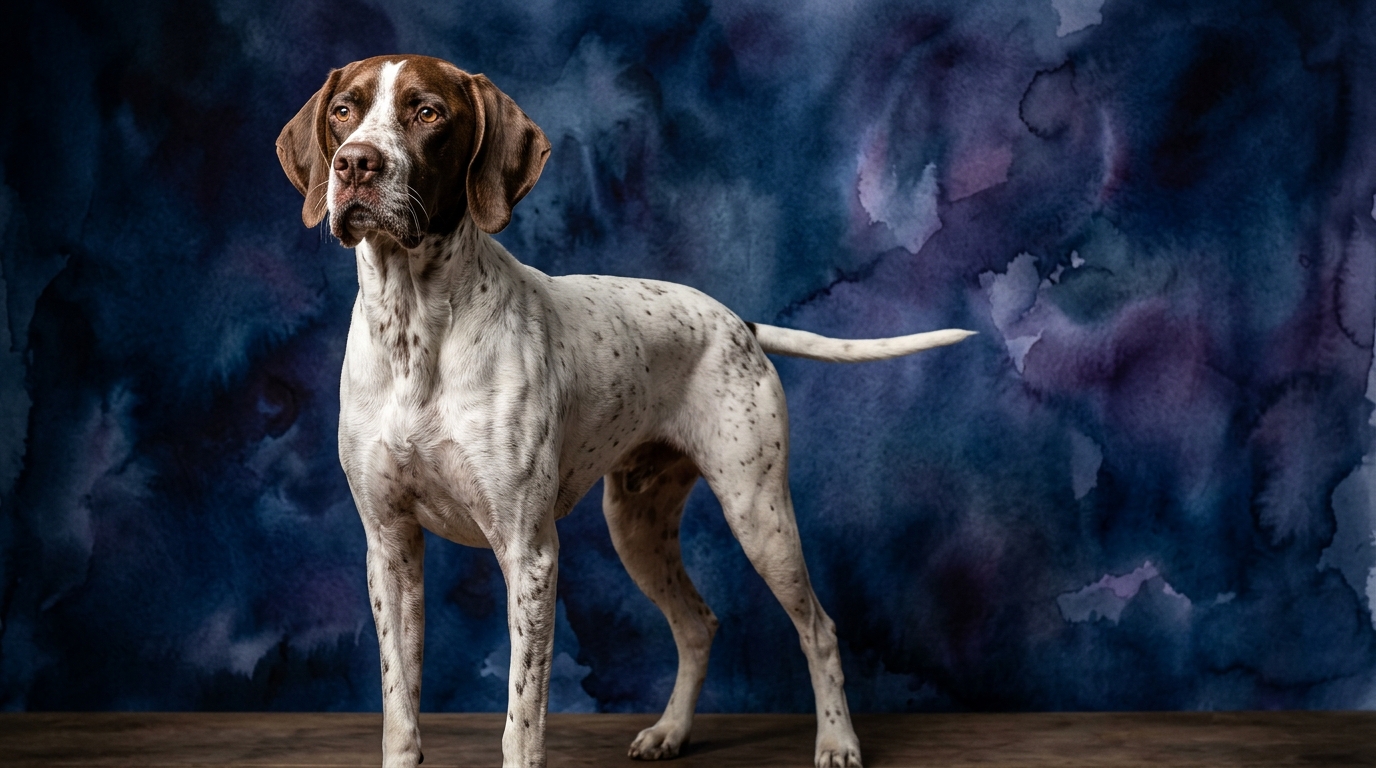
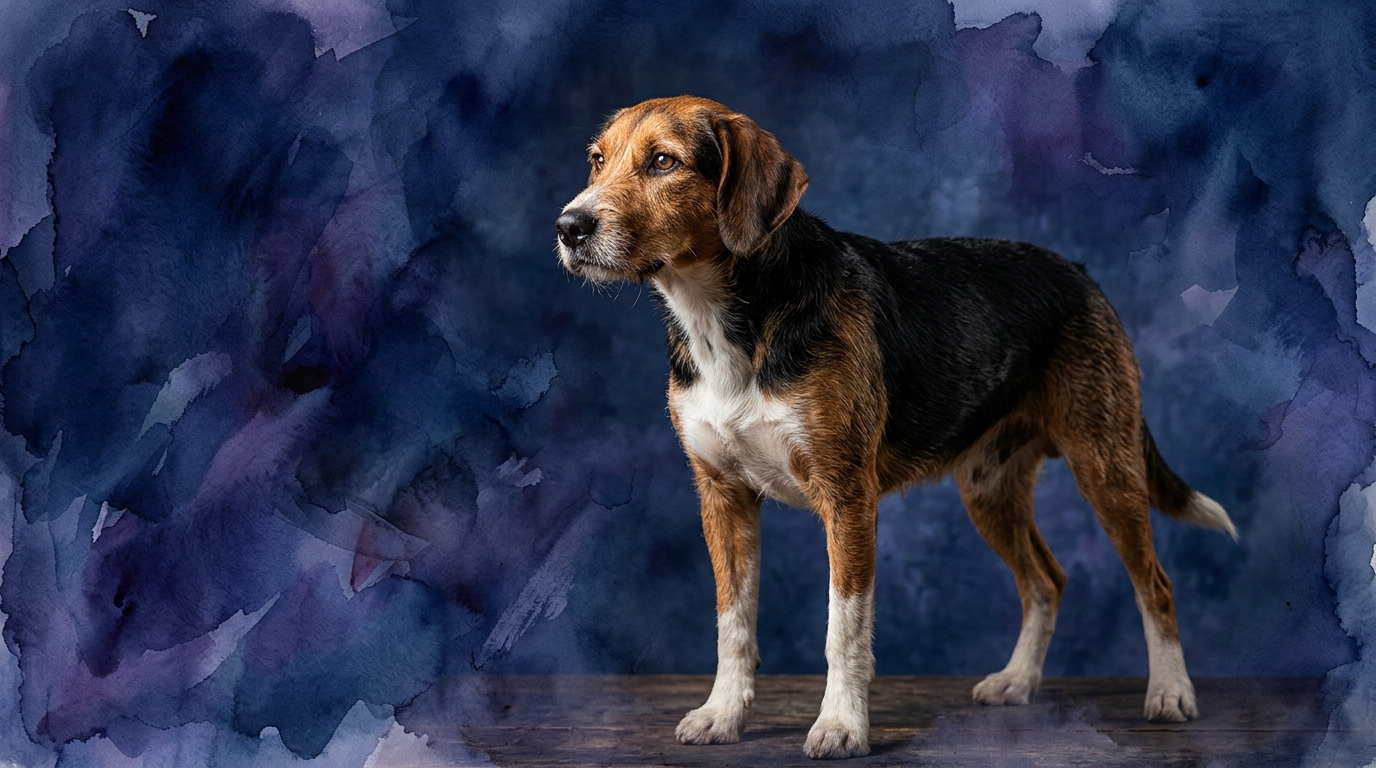
Side-by-Side Cognitive Profiles: Pointer vs. Harrier
At The Cosmic Pet Pet IQ Lab, both the Pointer and the Harrier achieved a consistent 3/5 across all five measured cognitive dimensions. While the numbers are the same, the *expression* of these cognitive traits is distinctly different, shaped by centuries of selective breeding for specific roles. Let's delve into what each score represents for these unique canines.
For the **Pointer**, a Sporting breed, their intelligence is geared towards active collaboration with a human hunter, primarily using sight and scent to locate game and then 'point' it out. Their **Problem Solving (3/5)** manifests in their ability to quickly assess an environment for game, strategize a path to approach, or figure out how to retrieve a downed bird efficiently. They learn through observation and trial-and-error, often with a clear, direct purpose. Their **Training Speed (3/5)** indicates a capacity to grasp commands and sequences with reasonable ease, especially when the task aligns with their natural drive to work alongside a handler. They respond well to clear instructions and positive reinforcement, showing a willingness to engage in structured learning. In **Social Intelligence (3/5)**, Pointers typically form strong bonds with their human families, interpreting cues and responding with affection, though their primary focus in a working context remains the task at hand. Their interactions with other dogs are generally amicable but can be secondary to their hunting focus. The **Instinctive Drive (3/5)** in a Pointer is characterized by their powerful urge to locate, point, and sometimes retrieve game. This drive is a core part of their cognitive makeup, leading them to freeze, indicate, and wait for instruction with remarkable focus. Finally, their **Memory (3/5)** allows them to recall specific training commands, the location of previously encountered game, and routes through familiar territory, particularly when these memories are tied to their working function.
The **Harrier**, a Hound breed, exhibits the same numerical scores, but their cognitive architecture is built around independent, relentless pursuit of scent. Their **Problem Solving (3/5)** is evident in their methodical approach to tracking a scent trail, navigating complex terrain, or overcoming obstacles to stay on a quarry’s path. This form of problem-solving is often less about direct human instruction and more about autonomous decision-making in response to sensory input. Their **Training Speed (3/5)** reflects their capacity to learn, but it’s often tempered by their independent nature and profound focus on scent. While they can learn commands, their primary cognitive energy is frequently directed towards following their nose, requiring patient and consistent motivation to redirect their attention. **Social Intelligence (3/5)** for Harriers often includes a strong pack mentality, enabling cooperation and communication within a group of dogs during a hunt. With humans, they are typically affectionate and sociable, but their independent streak means they might not be as constantly attuned to subtle human cues as some other breeds. Their **Instinctive Drive (3/5)** is overwhelmingly centered on their powerful scenting ability and the unwavering urge to track and pursue. This drive dictates much of their behavior and cognitive processing, leading to single-minded determination. Their **Memory (3/5)** is particularly adept at recalling complex scent patterns, intricate routes taken during a chase, and the 'game' of the hunt, allowing them to retrace steps or anticipate the movement of their quarry.
Where Pointer Cognition Shines Brighter
Despite identical scores, Pointers demonstrate a nuanced cognitive advantage in tasks demanding sustained visual focus and immediate, precise responses to handler cues within open field settings. Their 'pointing' is not merely an instinct but a complex cognitive decision to freeze and indicate, requiring acute environmental assessment and self-control. They often process and react to visual and verbal commands with a more direct responsiveness, a trait honed by their historical role of working in close tandem with a hunter. This allows them to excel in structured scenarios where the 'problem' is clearly defined by human intent, such as specific retrieve patterns or field trials, often appearing more streamlined in their approach to these tasks.
Where Harrier Cognition Excels
Harriers, conversely, exhibit a distinct cognitive strength in tasks requiring sustained olfactory focus and independent tracking. While their problem-solving is rated identically, it manifests as an unwavering, almost meditative dedication to following a scent trail, navigating intricate landscapes, and making autonomous decisions based on subtle environmental cues. This demands a unique type of cognitive endurance and advanced sensory processing, distinct from the Pointer's more visually-driven work. Their memory is particularly robust for intricate scent patterns and geographical layouts encountered during a chase, allowing them to re-trace or anticipate routes with impressive accuracy. Furthermore, their social intelligence, particularly within a pack, involves complex communication and cooperative strategies, showcasing a nuanced cognitive skill beyond simple human-dog interaction.
Training Dynamics: Pointer vs. Harrier
When considering ease of training, both breeds score 3/5 for Training Speed, but their behavioral differences lead to distinct experiences. Pointers, with their background in close handler cooperation, often appear more straightforward to train for specific obedience commands. Their willingness to engage and their direct response to cues, especially when tasks align with their natural drives like retrieving or staying, can make learning new commands a relatively efficient process. However, their independent streak means that consistency and engaging, purpose-driven training are paramount; without clear motivation, their focus can easily shift.
Harriers, while equally capable of learning (Training Speed 3/5), present a different set of considerations due to their profound, independent scent-driven nature. Their primary cognitive function often defaults to processing olfactory information, which can make it challenging to hold their attention on non-scent-related commands. Training a Harrier often involves conditioning them to *return* from an enticing scent trail, rather than simply teaching a new trick. While their pack mentality can make them responsive to group activities, individual obedience demands significant patience, high-value rewards, and a deep understanding of their hound instincts to effectively compete with the allure of a captivating odor. They learn, but their internal compass is frequently pointing towards the next interesting smell.
Matching Canine Companions to Lifestyles
Both the Pointer and the Harrier are highly active breeds, making them suitable for owners who lead dynamic lifestyles. A Pointer thrives with active owners who enjoy structured outdoor activities such as running, hiking, or participating in field sports. Their significant energy levels and need for mental stimulation, often through engaging in a 'job' that utilizes their pointing and retrieving instincts, mean they require consistent physical and cognitive outlets. Pointers are not content with casual strolls; they need purposeful activity that engages both their body and their sharp mind. A more relaxed owner might find a Pointer’s restlessness and need for engagement quite challenging to manage.
Similarly, the Harrier is best suited for highly active owners, particularly those who relish long walks, extensive hikes, or are keen to participate in scent work or tracking sports. Their boundless endurance and relentless pursuit of scent demand substantial physical exercise and mental engagement. Harriers require opportunities to explore and follow their noses for extended periods. They are not dogs for infrequent, short excursions; their cognitive well-being is intrinsically linked to regular, robust outdoor activity. A relaxed or sedentary owner would likely struggle immensely to meet a Harrier's inherent needs, potentially leading to frustration and behavioral issues for both the dog and the human.
The Verdict
Choose a Pointer if you appreciate a canine partner who combines athletic grace with a keen focus on handler cues, excelling in structured field activities and eager to engage in purposeful tasks. Their directness in problem-solving and memory for specific commands makes them rewarding for owners who enjoy a collaborative working relationship.
Opt for a Harrier if you are drawn to a resilient, independent spirit with an unparalleled dedication to scent work, thriving on extended outdoor adventures and the camaraderie of a "pack." Their unique cognitive approach to tracking and their robust memory for environmental details make them an exciting companion for those who embrace their hound nature.
🧠 Find Your Pet's IQ Score
Our Pet IQ Lab assessment covers 25+ tests across 5 cognitive dimensions — personalized to your breed.
Take the Full IQ Test →Frequently Asked Questions
Do Pointers and Harriers have similar cognitive demands?
While both breeds score identically across our IQ dimensions, their cognitive demands manifest differently. Pointers benefit from structured tasks that engage their visual focus and desire for handler interaction, whereas Harriers require extensive opportunities to engage their powerful olfactory senses and pursue scent trails independently.
How does the "instinctive drive" score of 3/5 differ between the two breeds?
For the Pointer, a 3/5 instinctive drive primarily reflects their strong pointing and retrieving instincts, leading to a focused, frozen stance and an eagerness for specific game work. For the Harrier, the same score signifies their relentless, independent tracking drive, where their nose dictates their mission, often with a vocal accompaniment.
Can a Harrier be trained for agility like a Pointer?
Both breeds can learn agility, but their natural aptitudes differ. Pointers, with their focus on handler cues and athletic build, often take to agility with enthusiasm for the structured problem-solving. Harriers can participate, but their strong scent drive might mean they are more easily distracted by ground odors, requiring more consistent motivation to stay on course.