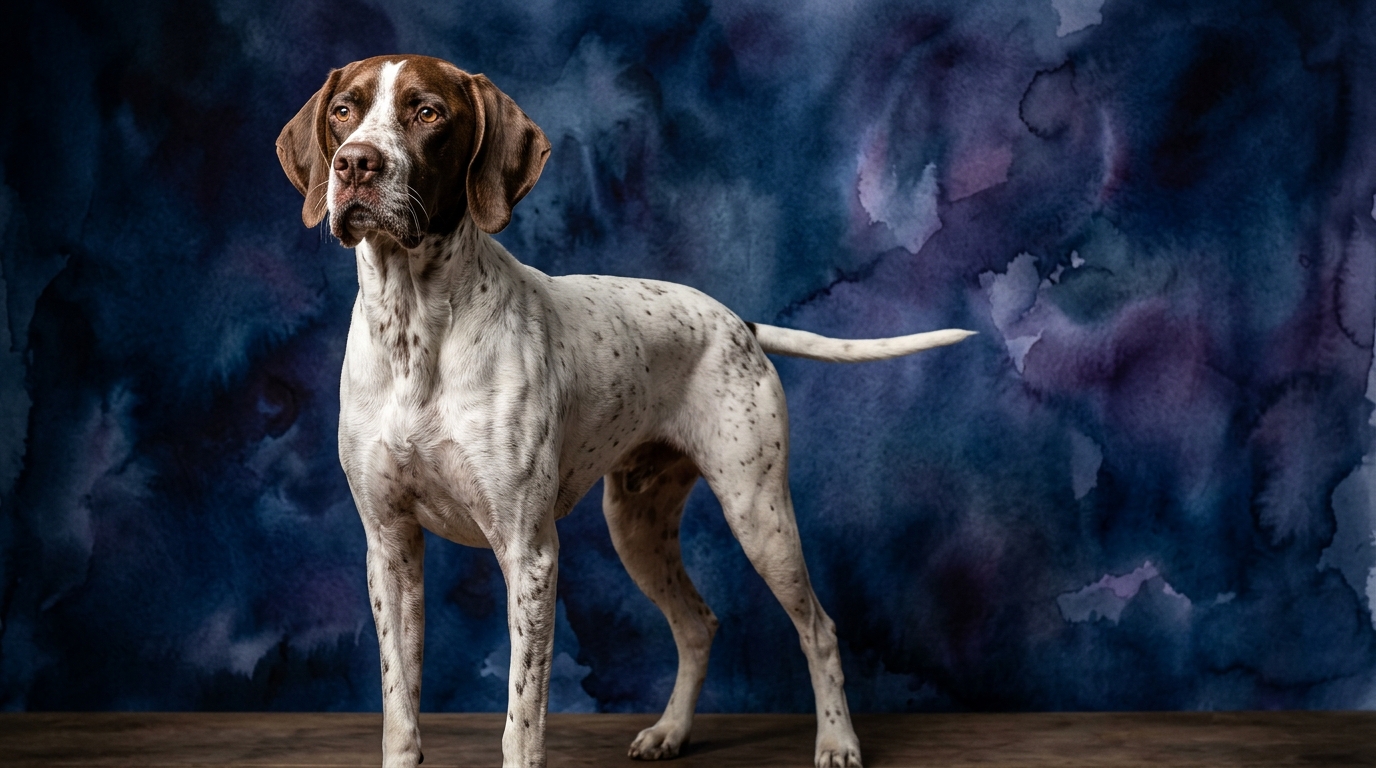
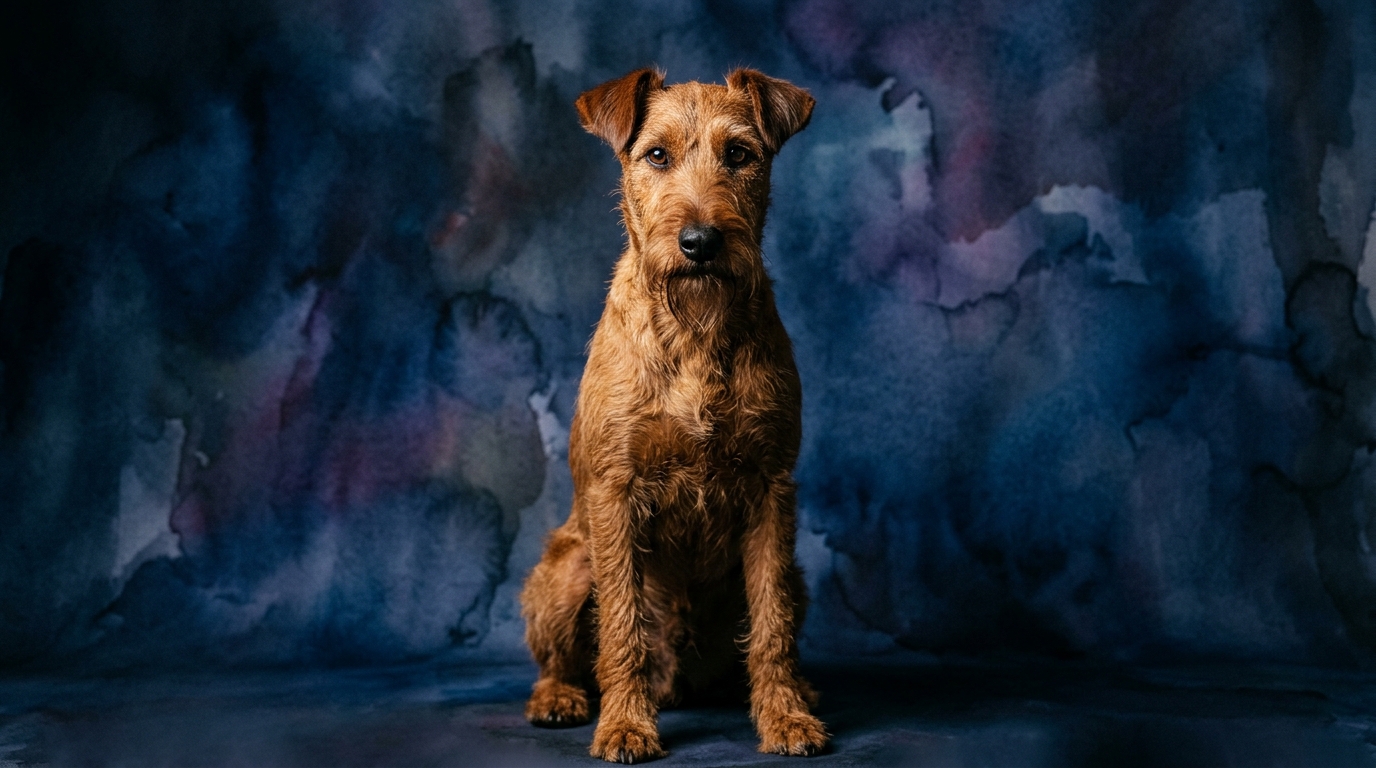
Side-by-Side Cognitive Profiles
In The Cosmic Pet Pet IQ Lab, both the Pointer and the Irish Terrier are rated 3 out of 5 across problem-solving, training speed, social intelligence, instinctive drive, and memory. This numerical parity invites a deeper exploration into the qualitative differences of their cognitive functions. For the Pointer, a Sporting Group dog, their 3/5 problem-solving often manifests in navigating complex terrain to locate game birds, utilizing scent and visual cues to efficiently cover ground and indicate quarry to a handler. Their training speed, also at 3/5, reflects their biddable nature and eagerness to learn commands relevant to field work, making them responsive partners in a cooperative task.
The Irish Terrier, a member of the Terrier Group, similarly scores 3/5 in problem-solving, but this is typically expressed through independent strategies for flushing out and dispatching vermin from tight spaces. Their 3/5 training speed signifies their capacity to learn rapidly, though this is often balanced by a strong-willed independence that can make consistent application of commands more of a negotiation. Social intelligence at 3/5 for the Pointer involves a keen awareness of their handler’s mood and intentions, crucial for synchronized hunting, alongside generally amiable interactions with familiar people. For the Irish Terrier, 3/5 social intelligence highlights their deep loyalty and protective instincts towards their family, often accompanied by a discerning approach to strangers and other animals.
Instinctive drive, at 3/5 for the Pointer, is characterized by an intense focus on bird scent, a powerful urge to range, and the iconic 'point' — a frozen stance indicating game. This drive is a core component of their identity and purpose. The Irish Terrier’s 3/5 instinctive drive is equally potent, but directed towards hunting small, furry prey with relentless determination and fearlessness, often involving digging and pursuit. Finally, memory at 3/5 for both breeds suggests a solid capacity to recall learned commands, routines, and past experiences. For the Pointer, this includes remembering specific field locations or the nuances of a scent trail. For the Irish Terrier, it encompasses recalling successful hunting strategies or the boundaries of acceptable behavior within their home environment.
Where the Pointer Excels Cognitively
The Pointer's cognitive strengths truly shine in cooperative tasks that demand sustained focus and a nuanced understanding of human direction. Their 3/5 problem-solving is optimized for systematic searching patterns and scent discrimination in open environments, requiring a methodical approach that aligns with a handler's strategy. This isn't about brute force or independent action, but rather a sophisticated partnership where the dog interprets subtle cues and executes tasks with precision over extended periods.
Furthermore, their social intelligence, while rated 3/5, manifests as an exceptional attunement to their handler's non-verbal communication and intentions. This makes them adept at anticipating next steps in a hunting scenario, holding a point until commanded, or retrieving on cue. Their memory helps them recall complex sequences of commands and the layout of hunting grounds, making them highly effective and predictable partners in their specialized work.
Where the Irish Terrier Demonstrates Unique Strengths
The Irish Terrier’s 3/5 problem-solving prowess is often observed in scenarios demanding independent thought and tenacious execution, particularly when pursuing vermin. Unlike the Pointer's cooperative problem-solving, the Irish Terrier excels at navigating confined spaces, assessing threats, and persistently working to achieve a goal without constant human oversight. Their cognitive strength lies in their ability to make quick, decisive judgments and follow through with unwavering determination.
Their instinctive drive, also at 3/5, fuels a remarkable fearlessness and resilience that translates into formidable mental fortitude. This means they are less likely to be deterred by obstacles or challenges, applying their memory to past successful strategies and their social intelligence to protect their perceived territory or family. This combination of self-reliance and grit allows them to excel in situations where independent action and bold persistence are paramount.
Training Dynamics: Pointer vs. Irish Terrier
When it comes to ease of training, the Pointer generally presents a more straightforward experience for most owners. Their 3/5 training speed is coupled with a deep-seated desire to please their human companions and a strong work ethic inherent to their sporting background. They typically respond well to positive reinforcement, eagerly learning and retaining commands because it aligns with their cooperative nature and strengthens the bond with their handler. Their focus during training sessions is often unwavering, making them receptive students.
The Irish Terrier, despite having the same 3/5 training speed, can be more challenging due to their independent and often spirited nature. While they learn quickly, their strong will means they might question the necessity of a command if it doesn't align with their immediate instincts or desires. Training an Irish Terrier requires creativity, patience, and absolute consistency. Owners must make training engaging and demonstrate why compliance benefits the dog, tapping into their intelligence to 'convince' them rather than simply command them, acknowledging their inherent self-assuredness.
Matching Canine Cognition to Lifestyle
For active owners seeking a highly cooperative and focused companion for structured outdoor activities, the Pointer is often an ideal match. Their cognitive makeup, particularly their problem-solving and social intelligence geared towards partnership, makes them excellent for activities like field trials, hunting, or even competitive obedience. They thrive in environments where they can channel their powerful instinctive drive into purposeful work alongside their human, requiring consistent physical exercise to satisfy their energy levels and mental stimulation through task-oriented engagement.
Conversely, the Irish Terrier appeals to owners who appreciate a bold, independent, and discerning companion with a strong sense of self. Their cognitive strengths, rooted in tenacious problem-solving and fearless self-reliance, make them suitable for those who enjoy engaging in mentally stimulating games, agility, or earthdog trials where their natural instincts can be harnessed. They require an owner who can provide consistent, firm leadership and channel their innate drive and intelligence into constructive outlets, understanding that their '3/5' scores translate into a dog that enjoys thinking for itself and demands respect rather than unquestioning obedience. They suit active families who can provide ample mental and physical challenges.
The Verdict: When to Choose Each Breed
The Verdict
Choose the Pointer if you seek a highly biddable, cooperative partner eager to work closely with you in structured outdoor activities, valuing their focused and responsive nature.
Opt for the Irish Terrier if you admire a spirited, independent, and tenacious companion who thrives on mental challenges and requires an owner capable of consistent, engaging guidance for their self-assured intelligence.
🧠 Find Your Pet's IQ Score
Our Pet IQ Lab assessment covers 25+ tests across 5 cognitive dimensions — personalized to your breed.
Take the Full IQ Test →Frequently Asked Questions
Do identical IQ scores mean these breeds are equally easy to train?
Not necessarily. While both score 3/5 in training speed, the Pointer's biddable nature often makes them more straightforward to train due to their desire to please. The Irish Terrier's independence means they learn quickly but require more creative, consistent motivation to comply.
Which breed is better for a first-time dog owner?
For a first-time owner, the Pointer's cooperative nature and responsiveness typically make them an easier choice. The Irish Terrier's strong will and independent streak often require more experience and dedication in training and management.
How do their instinctive drives impact their daily lives?
The Pointer's 3/5 instinctive drive for birds means they may range widely and point at wildlife, requiring secure containment and off-leash training in safe areas. The Irish Terrier's 3/5 vermin drive translates into a strong urge to chase small animals and dig, necessitating consistent leash training and secure fencing to manage these natural behaviors.