
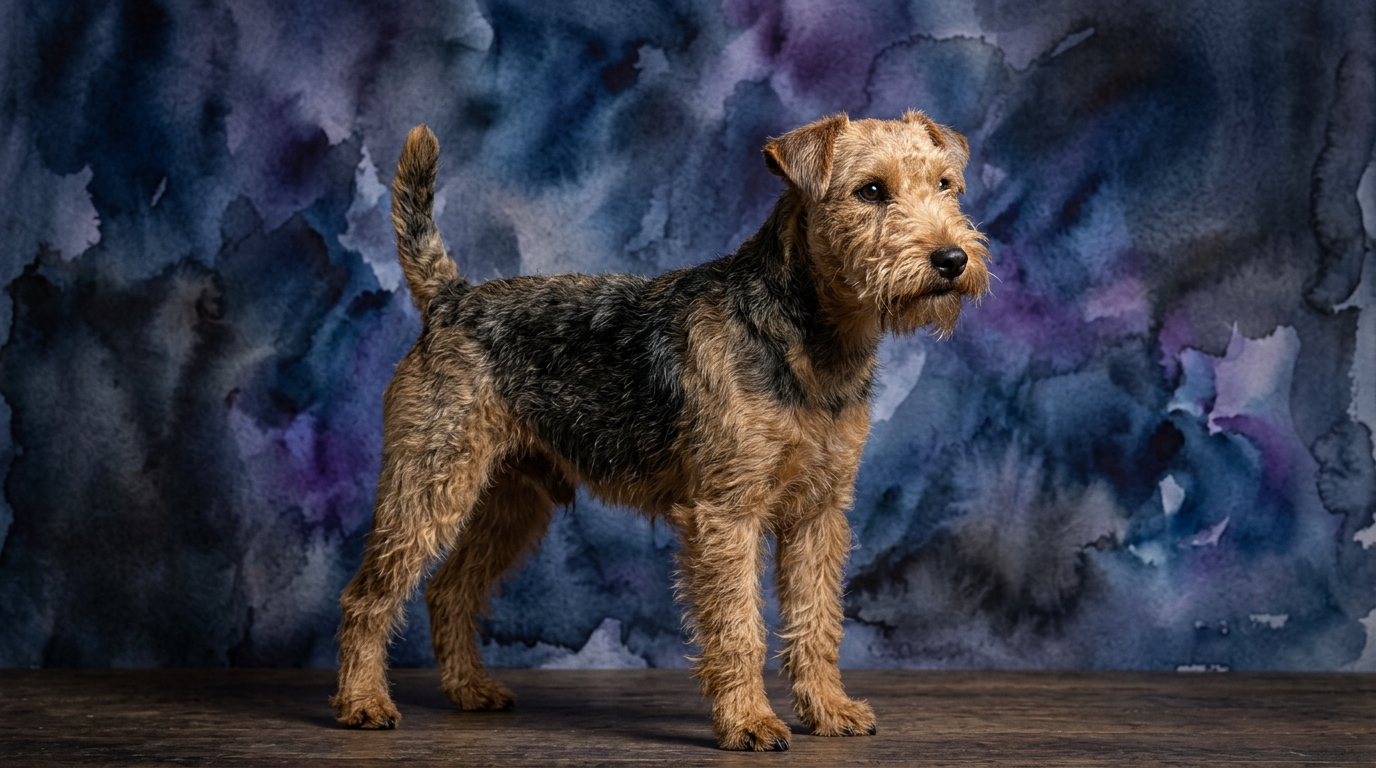
Side-by-Side IQ Profile
For the Pointer, 3/5 problem-solving involves navigating complex scent trails and expansive fields, efficiently locating game birds in cooperation with a handler. Their cognitive efforts focus on spatial reasoning within open environments and interpreting subtle prey-related cues. Conversely, the Lakeland Terrier’s 3/5 problem-solving acumen is honed for independent, often subterranean, challenges. They excel at strategizing to flush or dispatch vermin from intricate den systems, demanding a resilient and determined approach.
The Pointer’s 3/5 training speed reflects a commendable responsiveness to cues, especially for fieldwork where cooperation is paramount. They absorb commands related to pointing, retrieving, and range control at a steady pace, often motivated by praise and the opportunity to work. The Lakeland Terrier, also scoring 3/5, learns new commands similarly, but their independent terrier spirit often requires more consistent, engaging motivation to ensure compliance, sometimes prioritizing their own agenda.
A Pointer’s 3/5 social intelligence highlights their capacity for close partnership with humans, demonstrating understanding of handler expectations and a desire to integrate into a family. They often exhibit a calm demeanor in social settings, capable of working within a hunting team. The Lakeland Terrier's 3/5 in this dimension points to strong, selective bonding with chosen human companions, often displaying spirited confidence that can translate into assertiveness with other dogs.
The Pointer's 3/5 instinctive drive is deeply rooted in its bird dog heritage, manifesting as intense, sustained focus on scent, an unwavering pointing stance, and a powerful urge to range for game. This drive is typically channeled and refined through training for a specific human purpose. The Lakeland Terrier’s 3/5 instinctive drive is characterized by a fierce, tenacious prey drive towards small, burrowing animals, coupled with an innate urge to dig and pursue quarry with relentless determination.
Both breeds score 3/5 in memory, but apply it differently. The Pointer utilizes memory to recall extensive field layouts, specific scent patterns, and a vast repertoire of learned commands and hand signals crucial for effective hunting. The Lakeland Terrier’s memory serves its practical, independent work, enabling it to recall den locations, specific vermin scent trails, and effective strategies for navigating complex underground tunnels.
Where the Pointer Excels Cognitively
Despite identical numerical ratings, the Pointer’s cognitive strengths shine particularly in cooperative problem-solving within expansive, open environments. Their mental faculties are finely tuned for sustained focus on a singular, handler-directed objective, such as systematically quartering a field for game. This involves sophisticated integration of scent discrimination, spatial awareness, and responsiveness to distant human cues, allowing them to make nuanced decisions that directly support their handler's goals, emphasizing collaborative execution over individual brute force.
Where the Lakeland Terrier Excels Cognitively
The Lakeland Terrier's cognitive prowess truly distinguishes itself in scenarios demanding independent, resilient problem-solving within confined, challenging spaces. Their mental framework is built for tenacity and strategic thinking when facing a determined quarry underground or navigating complex terrain alone. This breed excels at assessing a situation quickly, making autonomous decisions, and persisting through physical and mental obstacles without constant human intervention. Their cognitive victories are often solitary triumphs of wit and determination against a hidden foe.
Which is Easier to Train and Why
When considering ease of training, the Pointer generally presents a more straightforward experience for the average owner. This isn't due to a higher inherent 'training speed' score, but rather their breed's foundational purpose: to work in close partnership with a human hunter. Their social intelligence and instinctive drive are geared towards cooperation and taking direction, making them inherently more inclined to please and respond to commands. While they still require consistent, positive reinforcement, their desire to collaborate often means they are more forgiving of novice trainers and exhibit fewer independent 'terrier' tendencies during obedience sessions.
The Lakeland Terrier, while equally capable of learning, often requires a more experienced and patient hand. Their independent problem-solving and strong instinctive drive, while valuable in their working role, can translate into a 'what's in it for me?' attitude during training. They learn quickly but may choose to apply their knowledge selectively, especially if a more interesting scent or perceived 'job' presents itself. Training a Lakeland means harnessing their spirited determination and channeling it towards desired behaviors, consistently outsmarting their clever independent streaks.
Active Owners vs. Relaxed Owners
Neither the Pointer nor the Lakeland Terrier could truly be described as suitable for a 'relaxed' owner in the traditional sense, as both possess significant energy levels and mental stimulation needs. However, the type of activity they require differs. The Pointer is an ideal companion for active owners who enjoy long, sustained outdoor adventures like running, hiking, or field sports. They thrive on expansive physical exercise that allows them to stretch their powerful legs and engage their scenting abilities over large areas.
The Lakeland Terrier, while also active, often prefers bursts of intense activity and mental challenges that satisfy their terrier instincts. They are well-suited for owners who can provide structured playtime, vigorous walks, earthdog trials, agility, or puzzle toys that engage their problem-solving skills and prey drive in a more contained manner. An owner who understands and can channel this tenacious terrier drive will find a rewarding companion, even if their living space isn't vast open fields.
The Verdict
Opt for a Pointer if you seek a highly cooperative companion for extensive outdoor activities, valuing a dog that eagerly works alongside you and thrives on a clear, shared purpose in open spaces.
Select a Lakeland Terrier if you appreciate a spirited, independent thinker with boundless energy for focused tasks and challenges, and are prepared to channel their tenacious drive with consistent, engaging training.
🧠 Find Your Pet's IQ Score
Our Pet IQ Lab assessment covers 25+ tests across 5 cognitive dimensions — personalized to your breed.
Take the Full IQ Test →Frequently Asked Questions
Can a Pointer live happily in an apartment?
A Pointer can adapt to apartment living if their owners commit to providing significant daily exercise, including long runs or extensive walks, and mental stimulation to prevent boredom. Their need for expansive movement is considerable.
Are Lakeland Terriers good with children?
Lakeland Terriers can be good with children, especially if raised with them, but their spirited and sometimes assertive nature means interactions should always be supervised, and children taught to respect the dog's space. They thrive in active family environments.
How much mental exercise do these breeds need?
Both breeds require substantial mental exercise. Pointers benefit from scent work, advanced obedience, and field training. Lakeland Terriers thrive on puzzle toys, earthdog trials, agility, and consistent, engaging training to keep their clever minds occupied.