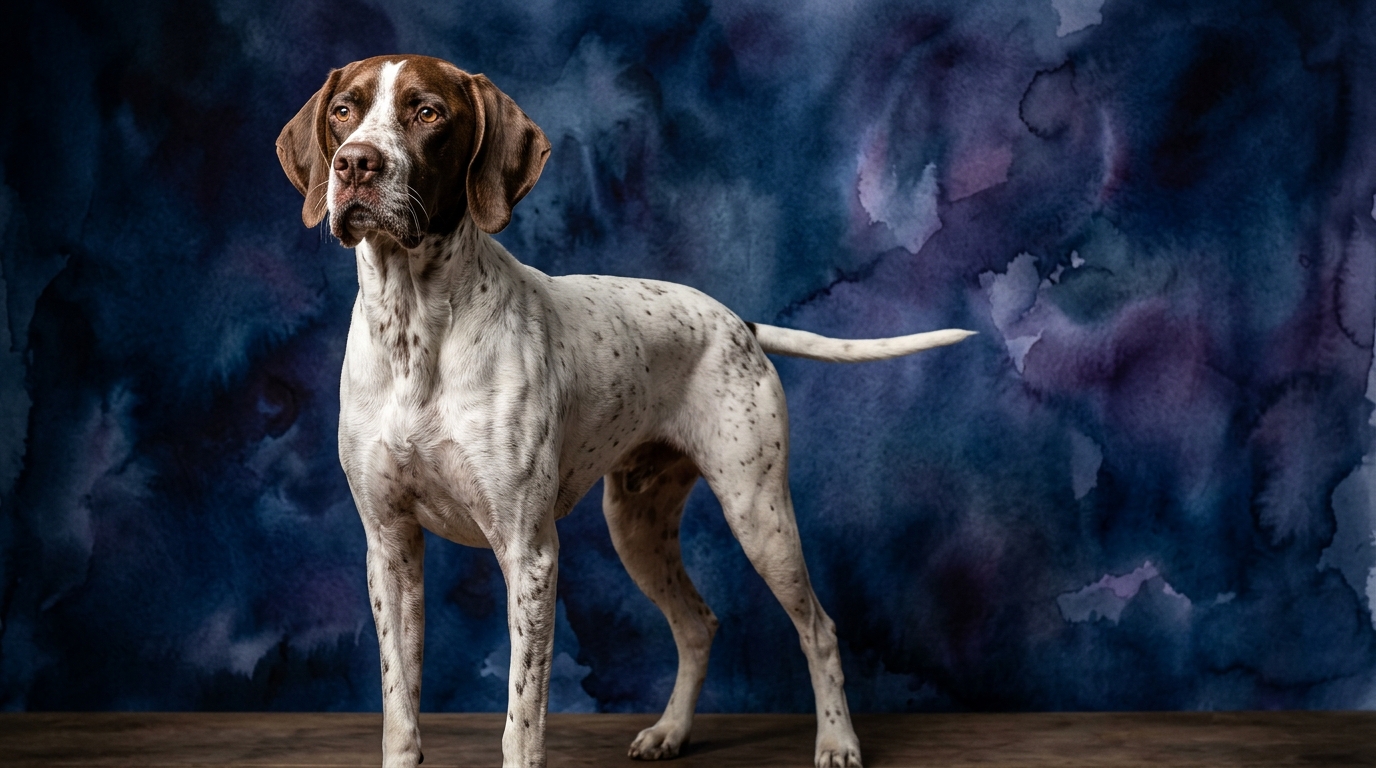
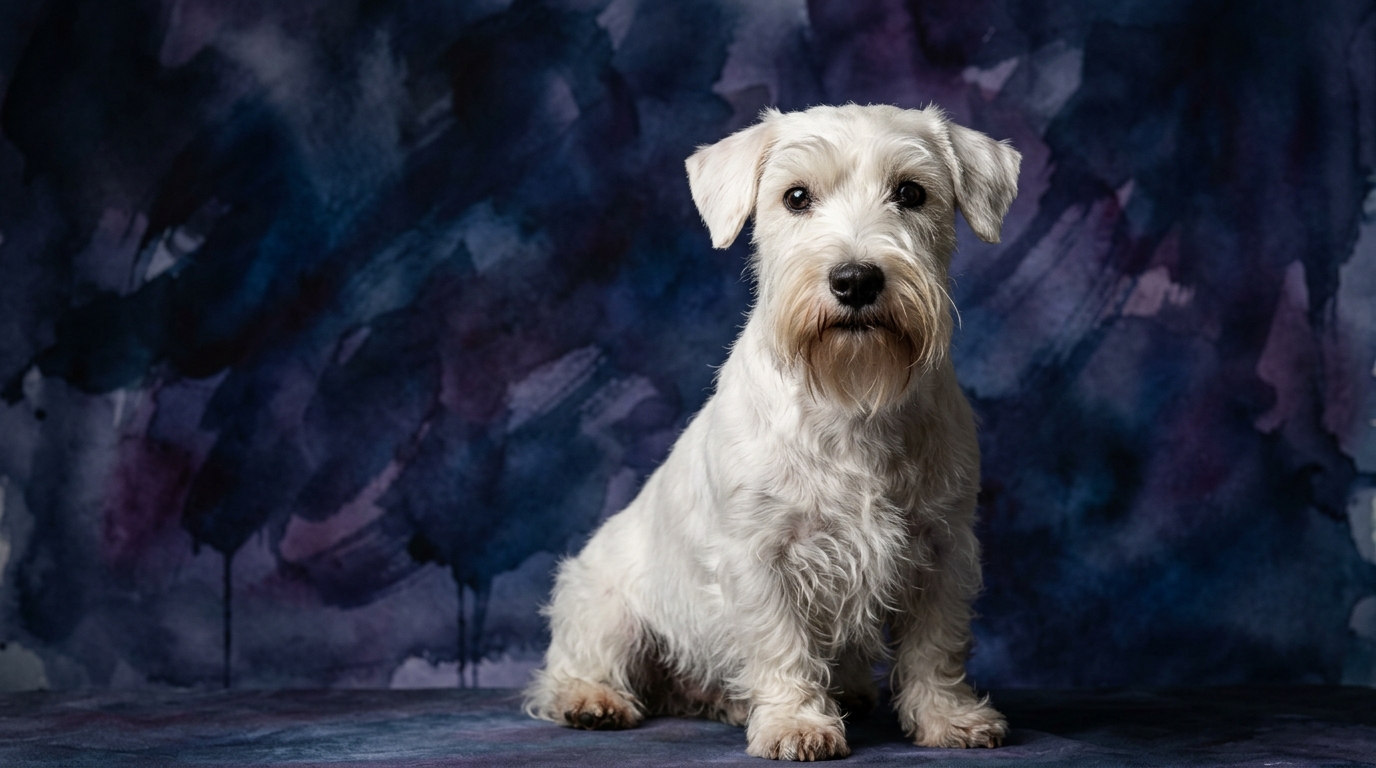
Side-by-Side Cognitive Profiles: Decoding the 3/5 Score
At first glance, the identical 3/5 scores across all five cognitive dimensions for both the Pointer and the Sealyham Terrier might suggest a uniform cognitive landscape. However, a deeper look reveals how these scores manifest uniquely within each breed, reflecting their specialized historical functions. The '3/5' indicates a solid, functional capacity within each dimension, but the specific challenges addressed and the behavioral expressions vary considerably.
For the **Pointer**, a quintessential Sporting dog, its 3/5 in **Problem Solving** primarily revolves around practical, field-specific challenges. This isn't about abstract puzzles, but rather efficiently navigating complex terrains to locate game, interpreting environmental cues like wind direction, and subtly signaling its findings to a handler without flushing the quarry. Their cognitive efforts are directed towards cooperative, goal-oriented tasks.
The Pointer's **Training Speed (3/5)** reflects a general eagerness to please and a responsiveness to commands, particularly in a working context. They are typically capable of quickly learning intricate hunting cues, hand signals, and routines. However, their strong independent drive for scent can sometimes present a challenge if not consistently managed with positive reinforcement.
In **Social Intelligence (3/5)**, Pointers often display a deep bond with their human companions, exhibiting an attuned awareness of their handler's moods and intentions, especially during collaborative activities. Their social awareness is primarily directed towards maintaining a harmonious partnership, valuing clear communication and a shared objective.
Their **Instinctive Drive (3/5)** is a potent, focused urge for scenting and tracking game birds. This drive is not chaotic but methodical and directed, culminating in the breed's iconic 'point.' It is an intense, yet controlled, instinct that serves a very specific hunting function, requiring sustained focus over long periods.
Finally, the Pointer's **Memory (3/5)** is notable for its capacity to recall specific locations where game was found, complex scent patterns, and an extensive repertoire of learned commands. They can remember intricate field routes and the nuances of various hunting scenarios, retaining training and experiences over long periods, which is crucial for their working role.
Turning to the **Sealyham Terrier**, a robust Terrier breed, its 3/5 in **Problem Solving** is characterized by an unwavering determination to overcome physical obstacles. This involves figuring out how to dig under roots, navigate tight burrows, or precisely locate quarry hidden deep underground. Their problem-solving is tenacious, independent, and driven by an inherent 'go-to-ground' instinct, demanding resilience and ingenuity in confined spaces.
The Sealyham's **Training Speed (3/5)** indicates a capable learner, though their independent nature means they often require consistent, patient, and engaging training methods. While they can quickly grasp commands, their strong will means they might choose when to apply them based on their own assessment of the situation, especially if a more compelling 'terrier' task presents itself.
In terms of **Social Intelligence (3/5)**, Sealyhams are deeply devoted to their families, exhibiting a keen awareness of household dynamics and their place within them. They can be discerning with strangers, and their social cues are often more direct and assertive, reflecting their self-reliant and confident nature within their chosen pack.
Their **Instinctive Drive (3/5)** is a powerful, persistent urge to hunt and dispatch vermin. This manifests as an irrepressible drive to dig, bark, and pursue, often with little regard for personal comfort or external commands once engaged. Their drive is single-minded and relentless, a testament to their original purpose.
The Sealyham Terrier's **Memory (3/5)** allows them to retain information about favored digging spots, the presence of small animals in specific areas, and the routines of their human household. They can remember complex sequences of actions related to their hunting instincts and household rules, proving adept at navigating their immediate environment and social structures.
Where the Pointer Excels Cognitively
The Pointer's cognitive strengths lie in its collaborative intelligence and sustained focus within a cooperative framework. Its 3/5 Problem Solving shines in its ability to efficiently cover vast expanses, interpret subtle wind shifts for scent, and then position itself perfectly for a 'point,' all while maintaining acute awareness of its handler's location and intentions. This collaborative, goal-oriented application of cognitive resources, particularly in open environments, demonstrates a specific type of mental agility that is less about independent action and more about seamless teamwork. Their specific manifestation of 3/5 Social Intelligence is paramount to their working success, allowing for nuanced communication with their human partner.
Where the Sealyham Terrier Excels Cognitively
The Sealyham Terrier's cognitive prowess is best observed in its independent tenacity and resilience when facing physical challenges. Its 3/5 Problem Solving manifests as an unwavering determination to overcome physical barriers, such as digging under roots or navigating complex tunnel systems to reach quarry. When faced with a perceived target, its mind rapidly assesses avenues of approach, often displaying a solo focus that makes it incredibly effective in its original role. This autonomous, persistent application of cognitive energy, especially in confined or difficult spaces, highlights a distinct type of mental fortitude, where self-reliance and grit are key to success.
Training Dynamics: Biddability vs. Independence
When considering ease of training, the Pointer generally presents a more straightforward path for the average owner. Their 3/5 Training Speed is coupled with a strong inherent desire to work cooperatively with a human, a trait cultivated over generations for field work. They are typically biddable and responsive to positive reinforcement, eager to learn commands that facilitate their partnership in activities. This behavioral difference stems from their role as a 'pointing' dog, which requires them to take direction and communicate findings to a handler over distance.
The Sealyham Terrier, while possessing a 3/5 Training Speed, often requires a more nuanced approach due to its independent and self-reliant nature. Bred to work alone underground, making split-second decisions without human intervention, their inclination is to trust their own judgment. This can translate into a perceived stubbornness during training, where they might question the necessity of a command or opt to pursue a more interesting scent. While capable of learning quickly, consistent, engaging, and patient training, often employing a variety of motivational tools, is essential to keep a Sealyham engaged and compliant.
Lifestyle Suitability: Active Outdoor Pursuits vs. Engaging Indoor Companionship
The Pointer's cognitive and physical attributes make it an ideal companion for active owners who enjoy extensive outdoor activities. Their powerful instinctive drive and memory for scenting mean they thrive with opportunities for long runs, scent work, and field trials, or even just extended hikes where they can engage their natural abilities. Owners who can provide consistent mental stimulation linked to their working instincts will find a highly engaged and cooperative partner. A Pointer needs space to stretch its legs and a job, even if that job is simply exploring a vast park.
The Sealyham Terrier, while energetic, can adapt to a wider range of living situations than the Pointer, provided their unique cognitive and physical needs are met. Their problem-solving and instinctive drive require outlets for digging, chasing, and interactive play to prevent boredom. They suit owners who appreciate a dog with a strong personality and independent streak, perhaps those who enjoy structured play, puzzle toys, and consistent, varied exercise routines in smaller bursts. While not requiring vast open spaces for running, their tenacity means they are not suited for truly 'relaxed' owners seeking a very low-maintenance dog; they demand mental engagement and consistent boundaries.
The Verdict
Choose the Pointer if your lifestyle embraces extensive outdoor activities and you desire a cooperative, biddable partner for active pursuits like hiking, running, or scent work.
Opt for the Sealyham Terrier if you appreciate a tenacious, independent canine companion who thrives on mental challenges, varied play, and consistent engagement within a family setting.
🧠 Find Your Pet's IQ Score
Our Pet IQ Lab assessment covers 25+ tests across 5 cognitive dimensions — personalized to your breed.
Take the Full IQ Test →Frequently Asked Questions
Are Pointers good family dogs?
Pointers generally make devoted and affectionate family dogs, often forming strong bonds with all household members. They are typically good with children, especially if properly socialized, but their size and energy require supervision to prevent accidental bumps during play. Their cooperative nature extends to family life, making them engaging companions.
How much exercise does a Sealyham Terrier need?
Sealyham Terriers require a moderate amount of daily exercise, typically 30-60 minutes of vigorous activity. This can include brisk walks, playful romps in a secure yard, or engaging in mentally stimulating games. Their terrier instincts also benefit from opportunities for digging in a designated area or puzzle toys that challenge their problem-solving skills.
Do Sealyham Terriers get along with other pets?
Sealyham Terriers can coexist peacefully with other pets, especially if socialized from a young age. However, due to their strong prey drive, caution is advised around smaller, rodent-like pets. Their independent nature might mean they prefer to be the sole canine focus, but many do well in multi-dog households with proper introductions and management.