Side-by-Side IQ Profile
The Cosmic Pet Pet IQ Lab assesses five key cognitive dimensions, providing a granular look at how different breeds process and interact with their world. For both the Pointer and the Skye Terrier, each dimension registers a moderate 3/5, indicating a balanced and capable intellect. However, the *application* of these scores varies significantly due to their distinct breed histories and temperaments.
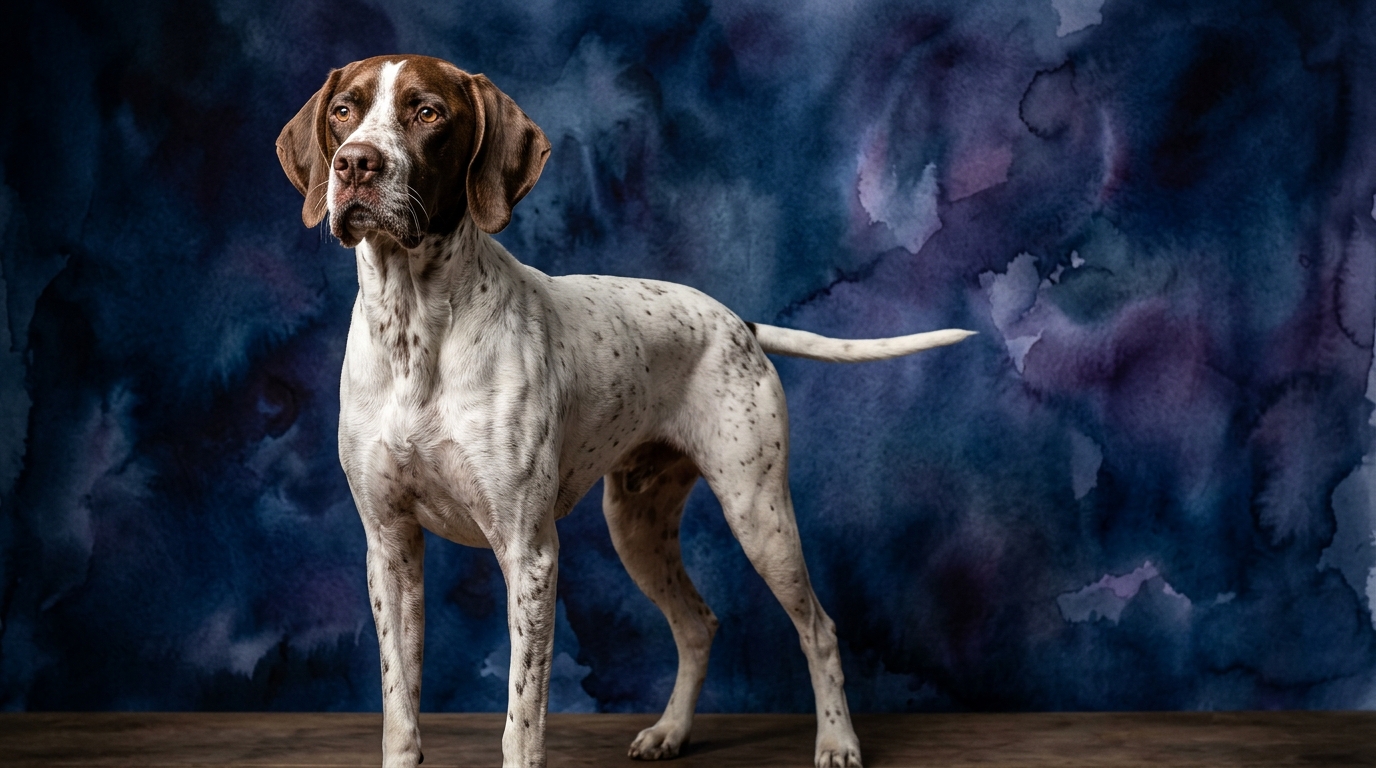
Pointer (Sporting Group): The Pointer's cognitive profile is finely tuned for its role as a gundog. Its Problem Solving (3/5) is practical, demonstrating an ability to navigate varied terrains and locate hidden game efficiently, always in partnership with a hunter. Training Speed (3/5) is respectable, driven by an eagerness to please and a focus on handler cues, making them efficient learners of commands and field routines. Their Social Intelligence (3/5) fosters strong bonds with family and allows them to interpret subtle handler signals during hunts, thriving in a cooperative environment. The Instinctive Drive (3/5) manifests as a powerful prey drive and the iconic pointing behavior, fueling sustained focus and stamina for field work. Lastly, a solid Memory (3/5) is crucial for recalling commands, hunting ground layouts, and complex action sequences, ensuring reliable performance.
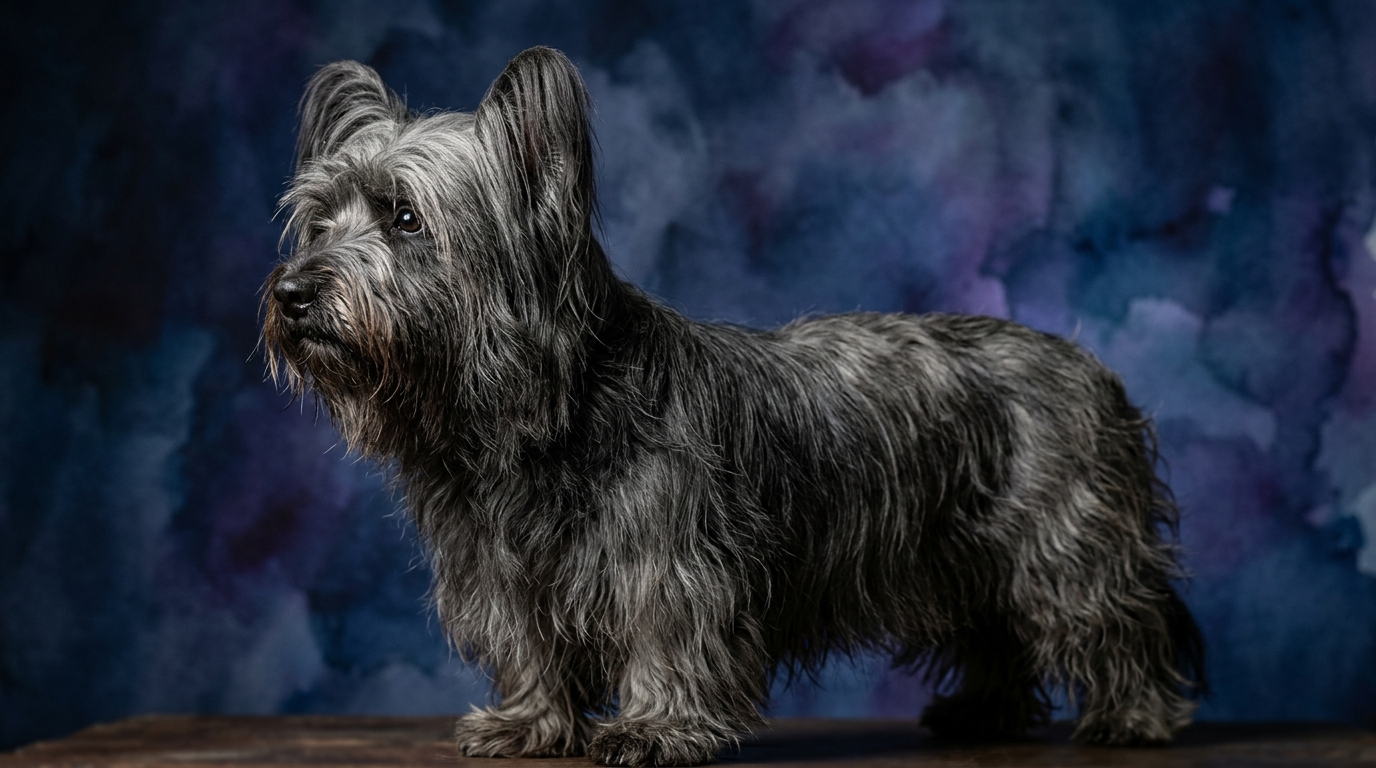
Skye Terrier (Terrier Group): The Skye Terrier's intellect, while sharing the same scores, is shaped by its independent vermin-hunting heritage. Their Problem Solving (3/5) is characterized by tenacity and ingenuity in tight spaces, enabling them to devise persistent strategies for flushing quarry. Training Speed (3/5) indicates they learn quickly, but their strong-willed independence means compliance can depend on their perception of a task's immediate value. A discerning Social Intelligence (3/5) leads to deep, loyal bonds with immediate family, often accompanied by a reserved demeanor towards strangers, as they keenly read household dynamics. The Instinctive Drive (3/5) is channeled into a strong prey drive for small game, digging, and a natural guarding instinct, reflecting their innate courage. Their good Memory (3/5) supports confident navigation of their environment and recall of social interactions, contributing to their discerning nature.
Where Pointer Wins Cognitively
Given their identical IQ scores, defining a 'win' for either breed requires looking beyond raw numbers to the *application* of their cognitive abilities within specific contexts. The Pointer's specific cognitive strengths shine in cooperative, goal-oriented tasks, particularly those involving expansive environments and handler-dog partnerships. Their 3/5 in Problem Solving manifests as an intuitive ability to quarter a field efficiently, using scent and visual cues to locate game, rather than brute force or independent digging. This isn't just about finding; it's about *systematic searching* and *indicating*. Their Memory (3/5) is optimized for recalling complex patterns of movement across varied terrain and remembering the location of fallen game, allowing them to retrieve with precision. The Pointer's Social Intelligence (3/5) fosters a profound understanding of their handler's subtle signals – a flick of the wrist, a whistle, a quiet command – translating into seamless teamwork. This nuanced interpretation of human communication, essential for effective hunting, gives them an edge in synchronized, collaborative activities where shared objectives are paramount. Their Instinctive Drive (3/5) is channeled into a laser-like focus on the hunt, enabling them to maintain concentration and stamina over long periods, making them exceptional at sustained, purpose-driven work.
Where Skye Terrier Wins Cognitively
Conversely, the Skye Terrier's cognitive strengths, while also rated 3/5, are perfectly adapted for independent thought, persistence, and protective vigilance in more confined or challenging scenarios. Their Problem Solving (3/5) is geared towards tenacity and ingenuity in tight spots, such as figuring out how to access a perceived burrow or outsmarting small prey. This isn't about covering ground but about overcoming specific, immediate physical obstacles with determination. The Skye Terrier's Instinctive Drive (3/5) is a powerful engine of resilience, fueling their willingness to pursue a goal relentlessly, often in defiance of discomfort or perceived difficulty. This drive is particularly strong in guarding their territory and family, where their social intelligence (3/5) allows them to make quick, discerning judgments about newcomers and potential threats. Their Memory (3/5) supports this by recalling past interactions and perceived dangers, contributing to their cautious and protective nature. While the Pointer excels in open collaboration, the Skye Terrier's identical scores translate into a distinct advantage in situations demanding self-reliance, unwavering resolve, and a keen sense of personal space and loyalty, making them formidable guardians and independent thinkers.
Which is Easier to Train and Why
Determining which breed is 'easier' to train, given identical Training Speed scores of 3/5, hinges significantly on an owner's approach and understanding of each breed's underlying motivations. The Pointer, as a Sporting dog, typically aims to please their handler, with their work intrinsically tied to human partnership. Their moderate training speed is often amplified by their strong desire to work *with* you, making them generally receptive to positive reinforcement and command-based learning. They thrive on clear direction and consistent expectations, especially when tasks mimic their natural instincts for finding and retrieving. Their social intelligence, geared towards cooperation, means they are often eager students in a collaborative learning environment.
The Skye Terrier, while also scoring 3/5 in Training Speed, presents a different training dynamic due to its Terrier heritage. Their independence and strong-willed nature mean they learn quickly but may not always *comply* quickly. A Skye Terrier might understand a command perfectly but choose to weigh its immediate benefit or interest before acting. This isn't a lack of cognitive ability, but rather a manifestation of their problem-solving and instinctive drive being more self-directed. Training a Skye requires patience, creativity, and a deep understanding of their motivations. Owners must convince a Skye that complying is in *their* best interest, often using high-value rewards and making training sessions engaging and varied. Therefore, for a novice owner seeking straightforward obedience, the Pointer might *feel* easier to train due to its cooperative temperament. For an experienced owner who enjoys a challenge and respects a dog's independent spirit, the Skye Terrier offers a rewarding training journey, though it demands a different methodology.
Which Suits Active Owners vs. Relaxed Owners
The choice between a Pointer and a Skye Terrier based on owner activity levels, despite their similar cognitive profiles, reveals distinct lifestyle compatibilities. Pointers, with their roots as vigorous gundogs, are undeniably suited for active owners. Their 3/5 Instinctive Drive translates into a significant need for physical exertion and mental stimulation, ideally through activities that engage their natural hunting abilities, such as long runs, hikes, or field trials. Their Problem Solving and Memory, while 3/5, are best utilized in environments where they can explore, track, and retrieve over large areas. A Pointer requires consistent, engaging outdoor activity to remain content and prevent boredom, which can manifest as destructive behaviors. They are not dogs content with short strolls; they thrive on purpose-driven movement and expansive exploration.
The Skye Terrier, while also possessing a 3/5 Instinctive Drive, expresses this drive differently. Their energy is often more concentrated and sporadic, suited to bursts of activity rather than sustained endurance. While they enjoy walks and playtime, their historical role as vermin hunters means their physical needs can be met with moderate daily exercise, combined with mental challenges that tap into their problem-solving skills, like puzzle toys or scent work in the garden. They are more adaptable to a relaxed indoor lifestyle *after* their exercise needs are met. Their social intelligence allows them to be devoted companions within the home, appreciating comfort and quiet family time. Therefore, the Pointer is unequivocally the choice for highly active, outdoors-oriented owners, while the Skye Terrier can comfortably suit owners who enjoy regular but moderate activity and appreciate a more independent yet devoted home companion.
The Verdict
If you seek a cooperative, energetic partner for outdoor adventures and enjoy a dog eager to work alongside you, the Pointer's collaborative spirit and sustained drive make it an ideal fit.
Conversely, if you appreciate a dog with a dignified, independent streak, capable of forming deep, discerning bonds, and are prepared for a training approach that respects a strong-willed yet devoted companion, the Skye Terrier will bring unique charm and loyalty to your home.
🧠 Find Your Pet's IQ Score
Our Pet IQ Lab assessment covers 25+ tests across 5 cognitive dimensions — personalized to your breed.
Take the Full IQ Test →Frequently Asked Questions
Do Pointers need extensive grooming?
Pointers have a short, dense coat that requires minimal grooming. Regular brushing once a week is usually sufficient to remove loose hair and keep their coat healthy and shedding to a manageable level.
Are Skye Terriers good with children?
Skye Terriers can be good with older, respectful children who understand how to interact gently with dogs. Their reserved nature and strong loyalty make them protective of their family, but supervision is always recommended to ensure positive interactions.
What kind of mental stimulation do Skye Terriers need?
Skye Terriers benefit from puzzle toys, scent games, and short, engaging training sessions that challenge their problem-solving skills and satisfy their natural terrier curiosity. They enjoy activities that allow them to use their investigative instincts.