Side-by-Side IQ Profile: Pomeranian vs. Akita
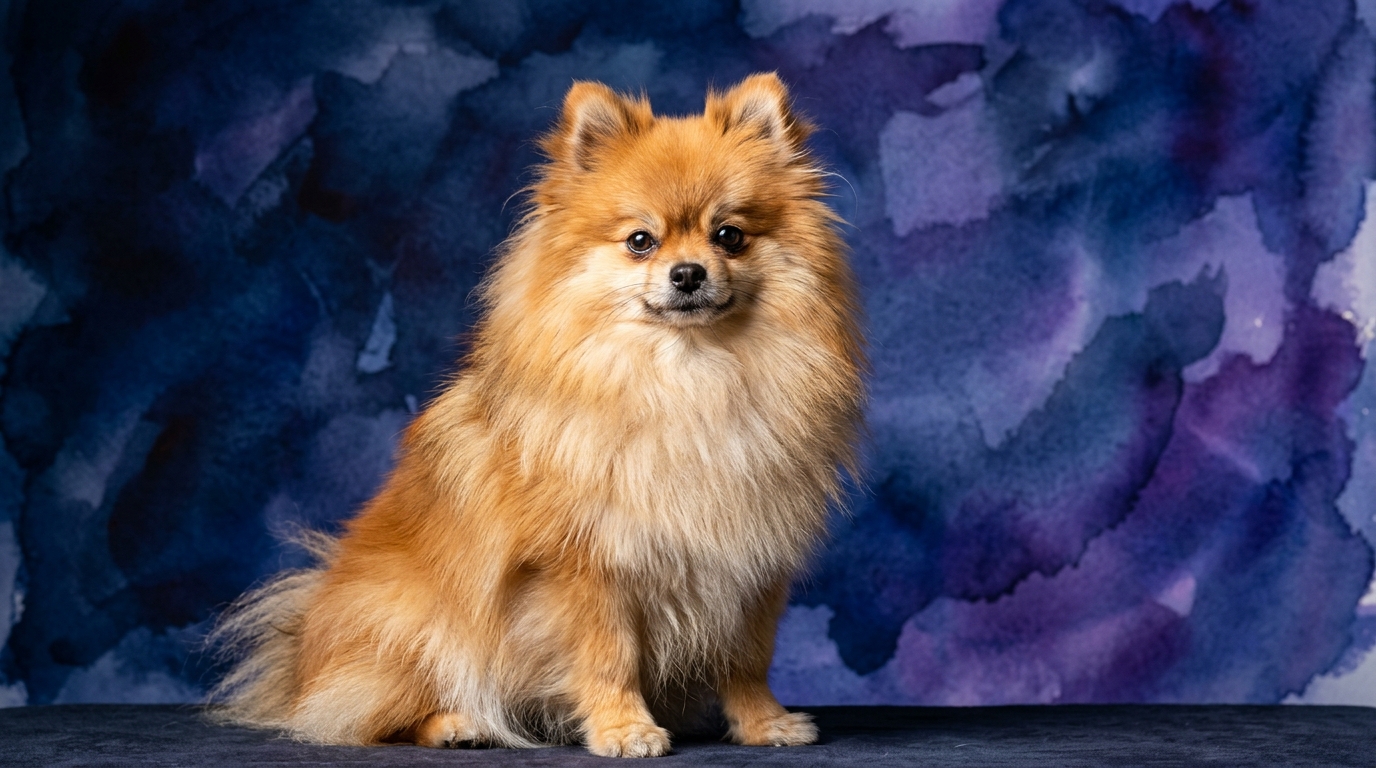
The Pomeranian, ranking #23 on the Coren scale, demonstrates a cognitive profile optimized for companionship and quick learning. Their Problem Solving score of 4/5 indicates a capacity for figuring out novel situations and puzzles with relative ease, often displaying a clever approach to getting what they want. With a Training Speed of 4/5, Pomeranians typically respond quickly to new commands and cues, eager to engage in interactive learning sessions. Their Social Intelligence, also 4/5, highlights their ability to read human emotions and adapt their behavior accordingly, fostering strong bonds within their family unit. An Instinctive Drive of 3/5 suggests some inherent tendencies like alert barking or mild herding, but these are generally manageable. Finally, a Memory score of 4/5 means they retain learned behaviors and routines effectively, making them consistent companions.
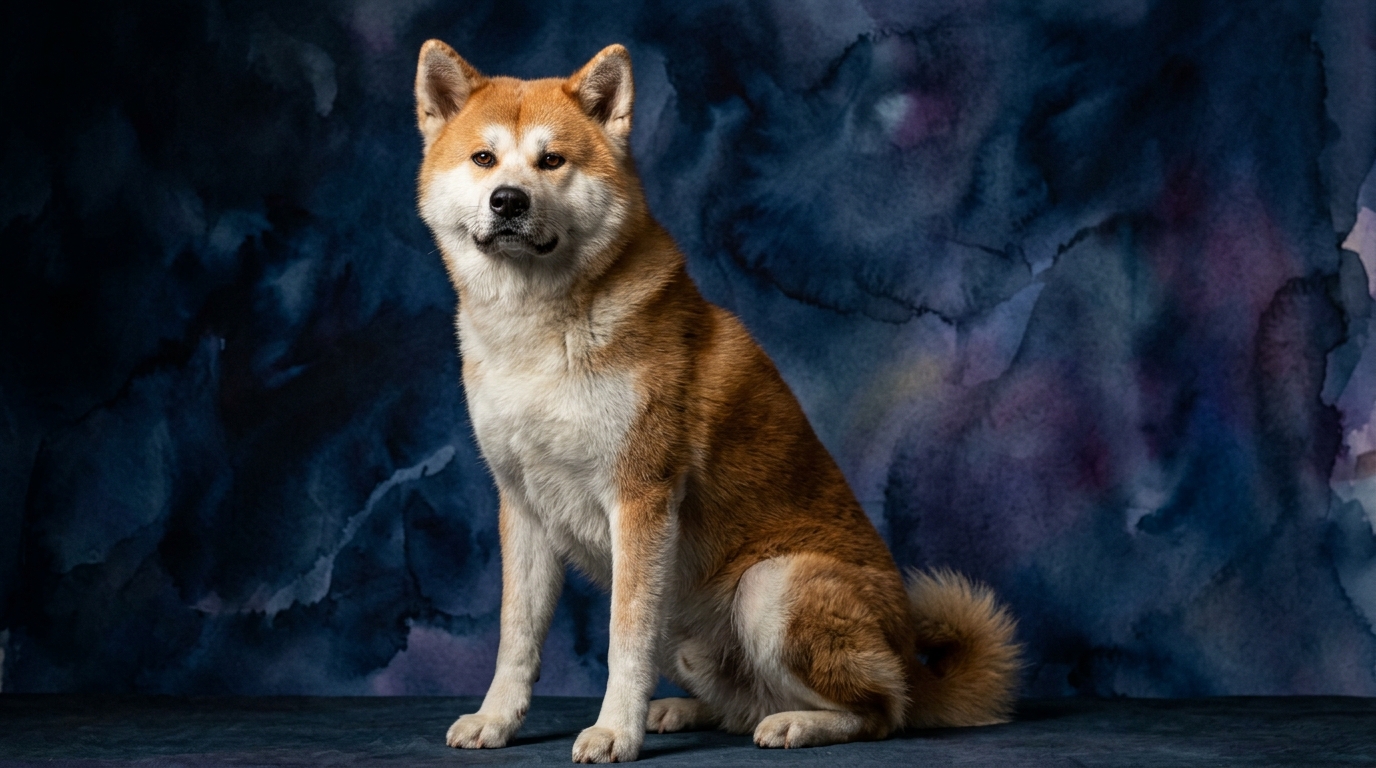
In contrast, the Akita, positioned at #54 on the Coren scale, presents a cognitive landscape shaped by their historical roles as guardians and hunters. Their Problem Solving at 3/5 reflects a capacity to resolve complex situations, often with an independent streak, rather than immediately seeking human guidance. A Training Speed of 2/5 points to their more deliberate and self-reliant nature; they learn, but often on their own terms and with less urgency to please. Social Intelligence, at 3/5, indicates deep loyalty to their immediate family but a reserved, often wary, approach to strangers, requiring careful socialization. The Akita’s Instinctive Drive truly stands out at 5/5, showcasing powerful guarding instincts, territoriality, and a strong prey drive that are deeply ingrained. Their Memory, a solid 4/5, allows them to recall people, places, and experiences with remarkable accuracy, particularly regarding their territory and family.
Where the Pomeranian Excels Cognitively
The Pomeranian’s cognitive strengths shine in areas requiring adaptability, rapid learning, and nuanced social interaction. Their 4/5 rating in Problem Solving means they quickly grasp the mechanics of puzzle toys or figure out how to navigate household obstacles, often with a mischievous flair. This quick-wittedness translates into a readiness to engage with new mental challenges, making them adept at learning sequences of tricks. Coupled with a 4/5 Training Speed, Pomeranians absorb new information rapidly, often requiring fewer repetitions than many other breeds to master a command. Owners frequently observe them picking up on routines and expectations almost intuitively, a testament to their processing speed.
Furthermore, the Pomeranian's 4/5 Social Intelligence allows them to be incredibly attuned to their human companions. They often demonstrate an uncanny ability to read subtle shifts in mood or tone, responding with comforting presence or playful antics as appropriate. This capacity for emotional understanding and reciprocal interaction is a hallmark of their cognitive profile, making them highly responsive and emotionally connected pets. Their smaller size also contributes to their adaptability within various living situations, further emphasizing their cognitive flexibility in diverse environments.
Where the Akita Demonstrates Unique Cognitive Strengths
The Akita’s cognitive prowess lies in areas that demand independence, unwavering focus, and a profound understanding of their environment, particularly concerning safety and protection. Their Instinctive Drive, rated a perfect 5/5, is a dominant cognitive feature. This isn't merely a physical attribute; it's a deep-seated mental framework that drives their vigilance, territorial awareness, and protective behaviors. They possess an innate ability to assess potential threats and act decisively, often without explicit instruction, showcasing a form of practical intelligence refined over generations of guardianship. This strong drive means they are constantly processing environmental cues related to security.
While their Problem Solving is rated 3/5, the Akita's approach is often characterized by resourceful self-reliance. When faced with a situation, they might not look to their owner for immediate solutions but rather consider their own course of action, especially if it involves maintaining order or protecting their space. Their 4/5 Memory is particularly robust for recalling past interactions, recognizing individuals, and remembering specific boundaries or routines related to their territory. This allows them to effectively manage their environment and differentiate between welcome visitors and perceived intruders, providing a consistent and reliable protective presence.
Which is Easier to Train and Why?
Based on their Pet IQ Lab scores, the Pomeranian is generally easier to train than the Akita. The Pomeranian’s Training Speed of 4/5 indicates a natural eagerness to learn and a quick uptake of commands. They typically thrive on positive reinforcement and find satisfaction in engaging with their owners through training sessions. Their lower Instinctive Drive (3/5) means fewer strong, conflicting urges to override during training, allowing them to focus more readily on human cues. For instance, a Pomeranian is less likely to ignore a 'stay' command to pursue a squirrel than an Akita might be, simply because their prey drive is less intense.
The Akita's Training Speed of 2/5, combined with their 5/5 Instinctive Drive, presents a different training dynamic. Akitas are independent thinkers; they learn, but they often require more patience, consistency, and a clear understanding of 'why' a command is relevant from their perspective. Their strong guarding and prey drives mean that training often involves managing these powerful instincts rather than simply teaching new behaviors. For example, teaching an Akita a reliable recall requires overcoming their natural inclination to patrol or pursue, demanding a higher level of commitment and expertise from the owner to ensure compliance in diverse environments. Their loyalty is earned, not simply given, and their cooperation in training reflects this deeper bond.
Which Suits Active Owners vs. Relaxed Owners?
For owners seeking a companion that fits a more relaxed yet mentally engaging lifestyle, the Pomeranian is often a more suitable choice. While they enjoy walks and playtime, their physical exercise requirements are moderate. Their cognitive strengths, particularly their 4/5 Problem Solving and 4/5 Training Speed, mean they thrive on mental stimulation, such as learning new tricks, puzzle toys, or engaging in agility for small dogs. An owner who enjoys regular, short training sessions, interactive games, and doesn't require a dog for strenuous outdoor adventures will find the Pomeranian's intellectual and physical needs well-matched to their routine. They are content to be involved in daily household activities and offer lively interaction without demanding constant, intense physical output.
Conversely, the Akita is best suited for active and experienced owners who are prepared to provide significant physical activity and robust mental engagement. Their 5/5 Instinctive Drive necessitates consistent outlets for their protective and territorial tendencies, which can include long, structured walks, hiking, or secure off-leash play in appropriate environments. Their independent Problem Solving (3/5) and lower Training Speed (2/5) mean that mental stimulation for an Akita involves clear leadership, consistent boundaries, and engaging their intellect in practical, goal-oriented tasks rather than just 'tricks for treats.' Owners who appreciate a dog with a strong, independent character and are committed to consistent training, socialization, and ample exercise will find the Akita a rewarding, albeit demanding, companion. They require an owner who can match their mental fortitude and provide structured activities that fulfill their inherent drives.
The Verdict
Choose a Pomeranian if you desire a highly responsive, socially attuned, and quick-to-learn companion eager for interactive play and mental puzzles in a more relaxed home environment.
Opt for an Akita if you are an experienced, active owner seeking a fiercely loyal, protective, and independent dog, prepared to commit to extensive training and provide outlets for their powerful instinctive drives.
🧠 Find Your Pet's IQ Score
Our Pet IQ Lab assessment covers 25+ tests across 5 cognitive dimensions — personalized to your breed.
Take the Full IQ Test →Frequently Asked Questions
Are Pomeranians good at learning tricks?
Yes, their 4/5 training speed and problem-solving make them adept at quickly picking up new commands and complex routines, often enjoying the mental engagement of learning and performing for their owners.
How does Akita independence affect their intelligence?
An Akita's independence (Training Speed 2/5) means they assess situations and act based on their own judgment, which is a form of practical intelligence, though it requires a different, more consistent and motivational training approach from owners.
Is a dog's size related to its social intelligence?
Not directly; a Pomeranian's 4/5 social intelligence shows their capacity to read human cues and bond, while an Akita's 3/5 reflects a more reserved, family-centric approach to social interactions, irrespective of their physical stature.