The Cosmic Pet Pet IQ Lab: Side-by-Side Cognitive Profiles
At The Cosmic Pet Pet IQ Lab, we analyze canine intelligence across five key dimensions, providing a granular view beyond general perceptions. This framework allows us to objectively assess how each breed processes information, learns, and interacts with their world. Let's break down the specific cognitive strengths of the Pomeranian and the American Eskimo Dog.
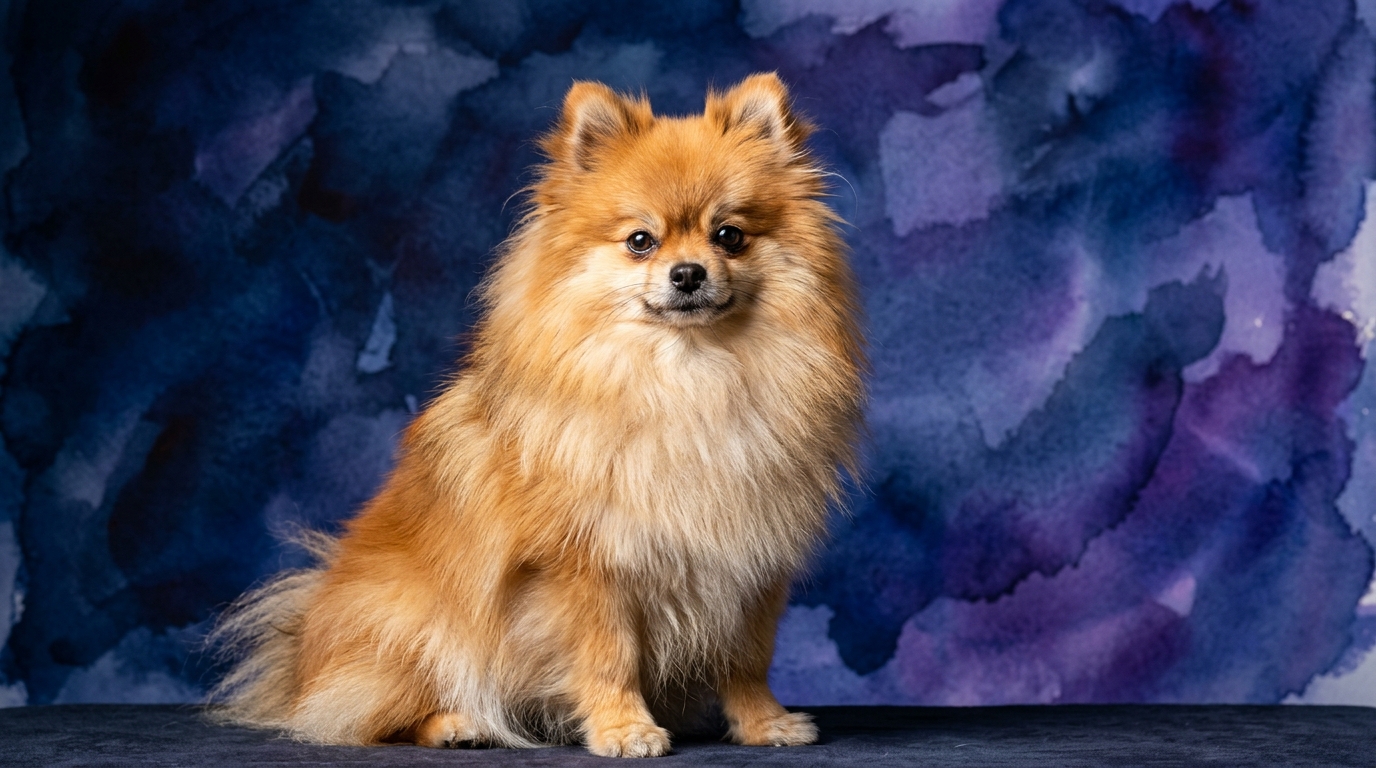
The Pomeranian, a member of the Toy group and holding a respectable Coren rank of #23, consistently demonstrates elevated cognitive abilities. Our data shows a problem Solving score of 4/5, indicating a quick, resourceful mind capable of navigating complex situations. Their training Speed is also an impressive 4/5, suggesting a rapid grasp of new commands and routines. Social Intelligence for the Pomeranian sits at 4/5, highlighting their acute awareness of human emotions and social dynamics. Their instinctive Drive is a moderate 3/5, reflecting a balance of innate behaviors, while their memory is strong at 4/5, enabling excellent retention of learned behaviors and past experiences.
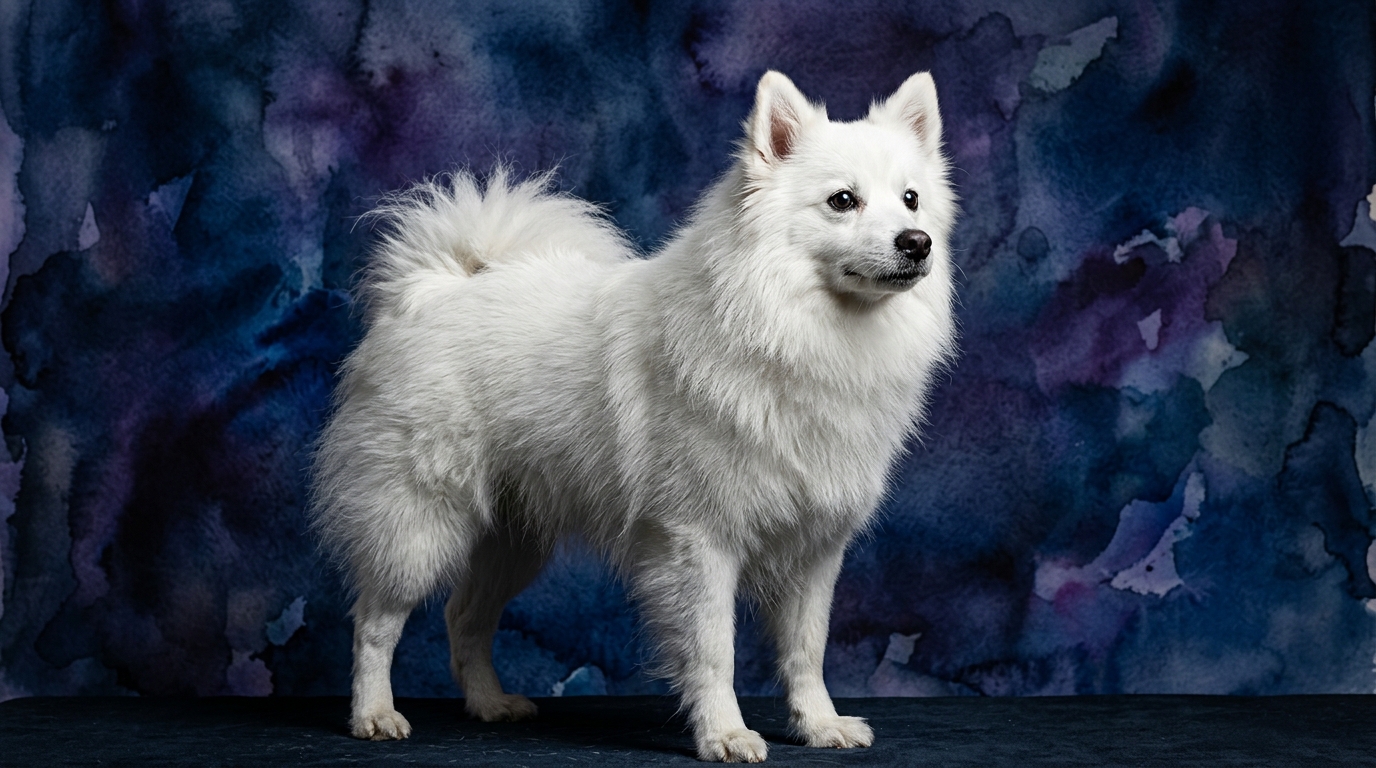
The American Eskimo Dog, a Non-Sporting breed not specifically included in Coren's ranking, presents a profile of balanced and dependable cognitive traits. In our assessment, their problem Solving capability registers at 3/5, indicating a solid ability to tackle challenges, though perhaps with a bit more deliberation than a Pomeranian. Their training Speed is also 3/5, meaning they learn at a steady, consistent pace with proper guidance. Social Intelligence for the Eskie is 3/5, showing a strong connection to their family and an understanding of human cues, albeit potentially with a more reserved initial approach to strangers. Their instinctive Drive is rated 3/5, reflecting their heritage as alert watchdogs and performers, and their memory is a reliable 3/5, allowing them to retain information effectively with reinforcement.
Where the Pomeranian's Cognition Truly Sparkles
The Pomeranian's cognitive advantages are evident in their swift problem-solving and training speed. With a 4/5 in both categories, these small dogs are often quick to understand complex commands or figure out how to get what they want, whether it's opening a cabinet or charming an extra treat out of an owner. This rapid assimilation of information makes them excellent candidates for learning numerous tricks and excelling in activities like obedience and rally. They don't just learn; they often anticipate and innovate, making interaction with them a dynamic experience.
Furthermore, the Pomeranian's 4/5 social Intelligence is a standout trait. They possess a remarkable ability to read human body language, tone, and mood, often adjusting their own behavior accordingly. This social acumen allows them to form incredibly strong bonds, but it also means they can be quite adept at manipulating situations to their advantage, using their charm to gain attention or circumvent rules. Their 4/5 memory ensures that both positive and negative associations, as well as learned behaviors, are deeply ingrained, contributing to their consistent responses over time.
Unpacking the American Eskimo Dog's Cognitive Strengths
While the American Eskimo Dog's individual scores of 3/5 across all cognitive dimensions might not appear as dramatic as the Pomeranian's peaks, this consistent, balanced profile is a significant strength in itself. An Eskie's 3/5 problem Solving indicates a practical, measured approach to challenges. They are not prone to impulsive decisions but rather assess situations with a steady, thoughtful demeanor, which can be invaluable in real-world scenarios requiring reliability.
Their 3/5 training Speed, combined with a 3/5 memory, translates into a dog that, while perhaps not as lightning-fast as a Pomeranian, is incredibly dependable once a lesson is learned. This consistency makes them excellent partners for owners who appreciate a dog that learns thoroughly and retains information reliably over time. The Eskie's 3/5 social Intelligence means they are deeply attuned to their family's needs and emotions, forming profound connections and often displaying a watchful, protective loyalty that stems from their heritage as farm companions and performers. Their balanced instinctive Drive also contributes to a well-rounded and predictable temperament, making them solid, trustworthy companions.
Training Dynamics: Which Breed Offers an Easier Path?
When considering ease of training, the Pomeranian, with its 4/5 training Speed, might initially seem like the simpler choice. They grasp concepts quickly and enjoy the mental engagement of learning new commands. However, their high social Intelligence (4/5) and keen memory (4/5) mean they are also adept at learning which behaviors yield desired outcomes, even if those outcomes involve bending the rules. Owners must be exceptionally consistent and clear, as Pomeranians will quickly exploit any perceived loopholes or use their charm to avoid compliance. Their memory ensures that both good habits and unwanted behaviors, like excessive barking, become deeply embedded.
The American Eskimo Dog, with a 3/5 training Speed, requires a more patient and consistent approach. They learn steadily, but repetition and positive reinforcement are crucial for long-term retention. Their 3/5 problem Solving means they will figure things out, but they might take a bit longer to connect actions with consequences. Eskies can possess an independent streak, so training needs to be engaging and demonstrate clear value to them. While they may not pick up tricks as rapidly as a Pomeranian, their steady learning style often results in a more thoroughly trained dog that is less likely to test boundaries once a command is understood. Their moderate instinctive drive also means managing behaviors like alert barking requires consistent, early intervention.
Matching Canine Cognition to Owner Lifestyles
For active owners seeking a dynamic, mentally engaging companion, both breeds offer unique appeals. The Pomeranian, despite its small stature, thrives on mental stimulation and varied experiences. Its 4/5 problem Solving and social Intelligence make it an ideal partner for owners who enjoy teaching complex tricks, engaging in puzzle toys, or participating in dog sports like agility and obedience. They require consistent interaction and novelty to prevent boredom, making them suited for owners who are prepared to actively involve their pet in daily life and provide frequent, stimulating outings beyond simple walks.
The American Eskimo Dog, with its balanced cognitive profile and heritage, is also well-suited for active owners, particularly those who appreciate a dog that can engage in sustained activities. Their 3/5 instinctive Drive, combined with their steady learning, makes them excellent for activities like hiking, longer walks, or more structured dog sports such as agility, rally, or even trick training. They enjoy having a 'job' and benefit from consistent routines that challenge both their bodies and minds. While devoted to their families (3/5 social Intelligence), they might be slightly less demanding of constant, direct attention than a Pomeranian, making them a good fit for owners who appreciate a loyal, active companion that also respects personal space.
The Verdict: When to Choose Each Flourishing Companion
The Verdict
Choose a Pomeranian if you seek a highly interactive, quick-witted companion eager to learn and engage in complex mental games, and you appreciate a dog that can charm its way into your daily life with its sharp social acumen.
Opt for an American Eskimo Dog if you value a steady, dependable companion who thrives on consistent training, enjoys moderate physical activity, and will form a deep, loyal bond with its family through patient and clear guidance.
🧠 Find Your Pet's IQ Score
Our Pet IQ Lab assessment covers 25+ tests across 5 cognitive dimensions — personalized to your breed.
Take the Full IQ Test →Frequently Asked Questions
Are Pomeranians prone to barking more than American Eskimo Dogs?
Pomeranians, with their strong social intelligence and alert nature, often use barking as a primary form of communication and warning, sometimes excessively if not managed. American Eskimo Dogs also have an alert barking instinct, stemming from their watchdog heritage, but it may manifest differently, perhaps less constantly, depending on the individual and training.
Which breed generally adapts better to apartment living?
Both breeds can adapt well to apartment living with sufficient exercise and mental stimulation. The Pomeranian's smaller size might make confinement feel less restrictive, but their need for engagement remains high. American Eskimo Dogs, while larger, are also adaptable if their exercise needs are consistently met through walks and play.
Do either of these breeds typically enjoy dog sports like agility?
Yes, both breeds can excel in dog sports. Pomeranians, with their agility, quick training speed, and problem-solving skills, often enjoy activities like agility, obedience, and rally. American Eskimo Dogs, with their balanced cognitive profile, stamina, and desire to work alongside their owners, are also strong candidates for agility, obedience, and even trick training, finding joy in having a task.