Side-by-Side IQ Profile: Pomeranian vs. Bichon Frisé
The Cosmic Pet Pet IQ Lab meticulously assesses canine cognition across five key dimensions, offering a nuanced view of each breed's mental aptitude. Here's how the Pomeranian and Bichon Frisé stack up:
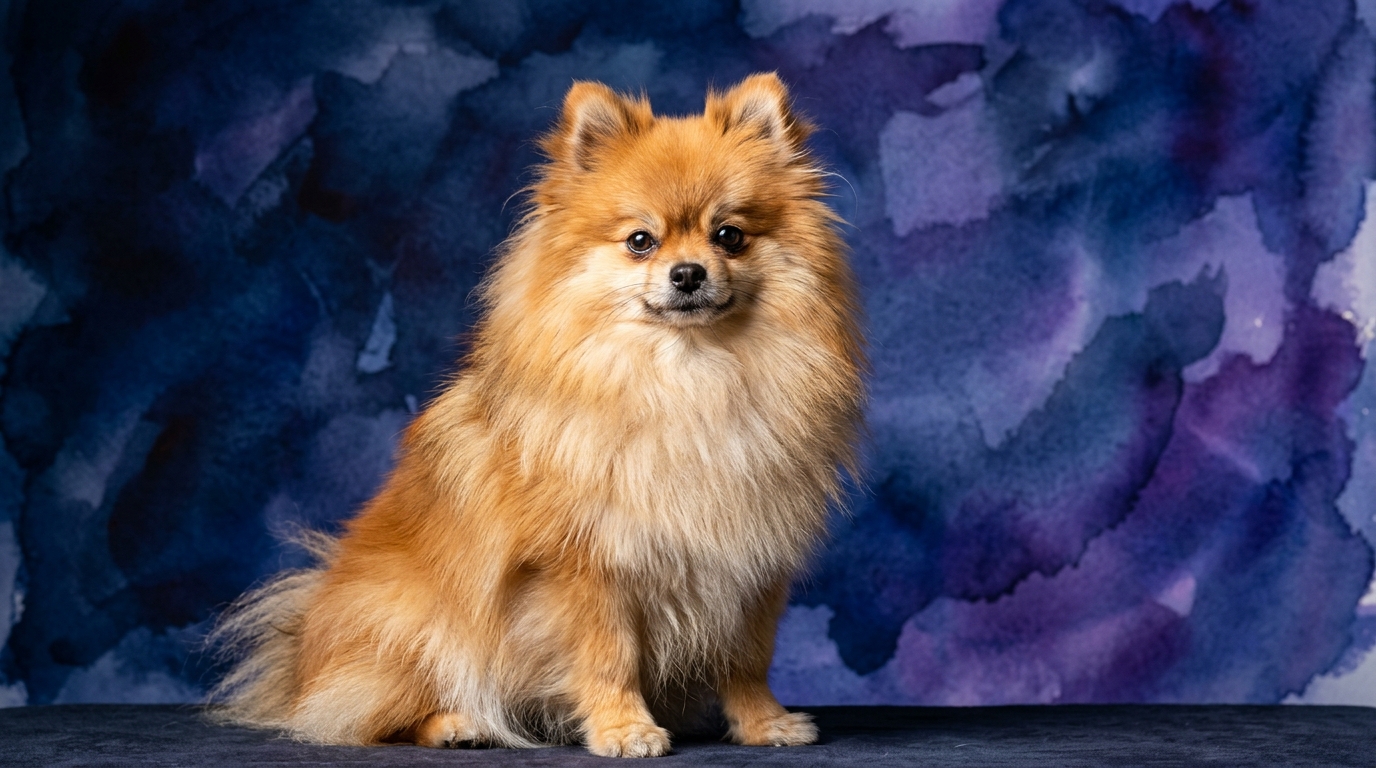
**Pomeranian (Coren Rank #23, Toy Group):** This breed demonstrates a strong capacity for working and obedience, reflecting a quick and adaptable mind. *Problem Solving (4/5):* Pomeranians show a notable capacity to analyze novel situations and devise solutions, often quickly grasping how to manipulate objects or navigate complex environments. *Training Speed (4/5):* They typically pick up new commands and routines with impressive alacrity, often requiring fewer repetitions to solidify a behavior, reflecting efficient learning. *Social Intelligence (4/5):* Pomeranians possess a solid understanding of human cues and social dynamics, capable of forming strong, communicative bonds with their chosen people. *Instinctive Drive (3/5):* Their inherent drives are present but generally moderate, allowing them to engage with surroundings with balanced natural canine behaviors. *Memory (4/5):* This breed exhibits robust memory, retaining learned behaviors, routines, and events over extended periods, making training durable and recall reliable.
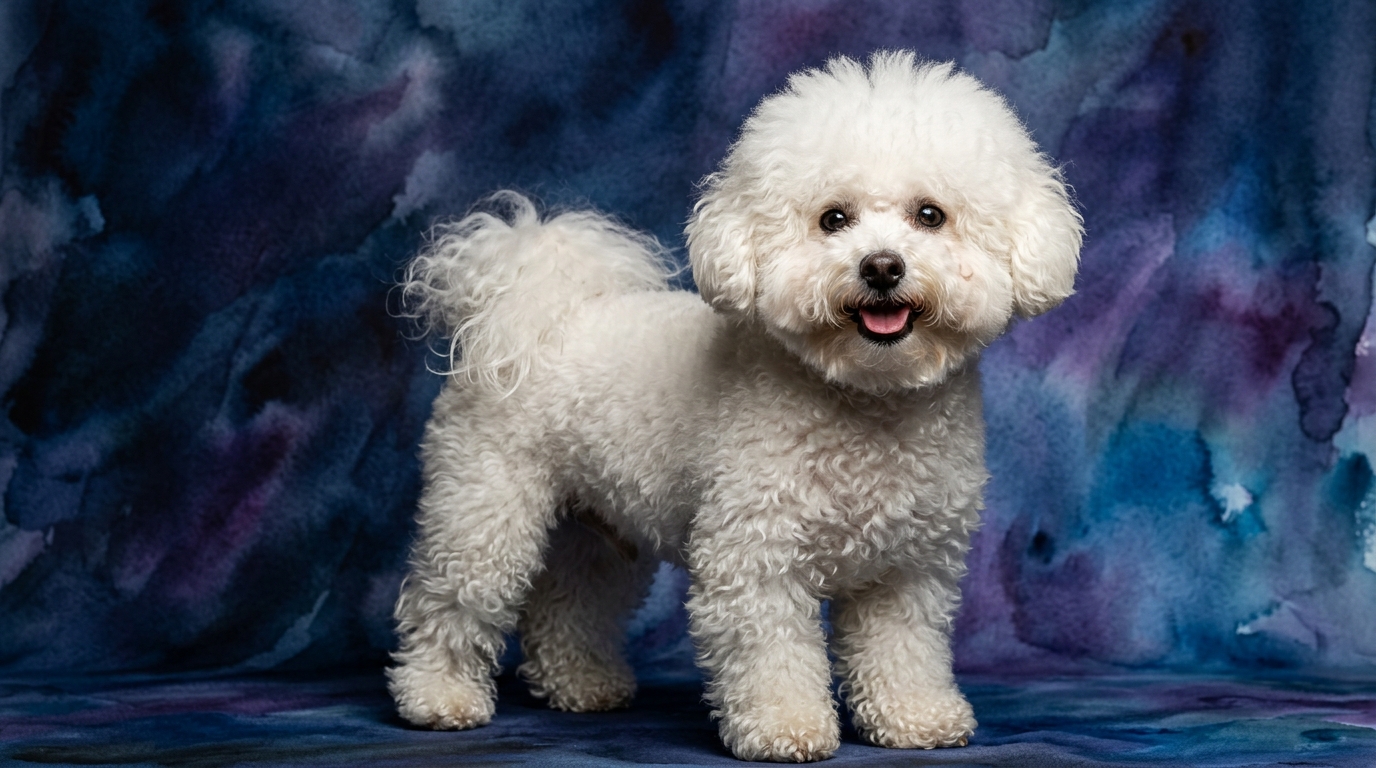
**Bichon Frisé (Coren Rank #45, Non-Sporting Group):** The Bichon falls into the average category for working and obedience intelligence, yet excels in specific areas. *Problem Solving (3/5):* Bichons approach challenges with a steady, rather than rapid, pace. They can learn to overcome obstacles but may require more structured guidance and repetition. *Training Speed (3/5):* Their learning curve for new commands is generally moderate. While not the quickest, they are consistent and eager to please, responding well to patient, positive reinforcement. *Social Intelligence (5/5):* This is their true strength, an exceptional ability to read and respond to human emotions, body language, and vocal tones, making them incredibly empathetic companions. *Instinctive Drive (2/5):* Bichons typically exhibit a lower level of innate drives; their focus is less on primal instincts and more on social connection and interaction. *Memory (3/5):* Their memory is adequate for retaining regular routines and basic commands, but might not be as sharp for intricate sequences or less frequently practiced behaviors.
Where the Pomeranian Wins Cognitively
The Pomeranian's cognitive edge is most apparent in areas demanding rapid acquisition of information and independent thought. Their 4/5 rating in Problem Solving indicates a breed that is often quick to assess a situation and devise a solution, whether it's figuring out how to retrieve a toy from under furniture or navigating a novel obstacle course. This isn't just about physical agility; it reflects a mental nimbleness that allows them to adapt and innovate.
Furthermore, their superior Training Speed (4/5) means that a Pomeranian can often master a new trick or command in fewer repetitions than many other breeds. This efficiency in learning is coupled with a strong Memory (4/5), ensuring that once a behavior is learned, it tends to stick. Owners interested in dog sports like agility, trick training, or even competitive obedience will find the Pomeranian's cognitive profile particularly rewarding, as they thrive on mental engagement and the challenge of mastering new skills. Their moderate Instinctive Drive (3/5) also provides enough internal motivation to pursue tasks without being overwhelmingly distracted by primal urges.
Where the Bichon Frisé Wins Cognitively
The Bichon Frisé's standout cognitive strength lies in their extraordinary Social Intelligence (5/5). This isn't merely about being friendly; it's a deep, intuitive understanding of human emotional states and social cues. A Bichon often seems to 'know' when their owner is upset or happy, responding with comforting nudges or enthusiastic greetings. This exceptional empathy allows them to form incredibly profound and responsive bonds, often anticipating their human's needs or moods.
While their Problem Solving and Training Speed scores are moderate, their social acumen makes them highly receptive to human interaction and praise, which can be a powerful motivator in training, even if it takes a few more repetitions. Their lower Instinctive Drive (2/5) means they are generally less prone to independent pursuits like intense scent tracking or bolting after small animals, making them more consistently focused on their human companions. This trait contributes to their reputation as delightful, attentive house pets who prioritize connection above all else, making them exceptionally well-suited for roles as emotional support animals or simply as devoted family members.
Which is Easier to Train and Why?
When assessing ease of training, the Pomeranian's higher scores in Training Speed (4/5) and Problem Solving (4/5) suggest a quicker path to mastering commands and complex behaviors. They tend to pick up new concepts with fewer repetitions and can generalize learned behaviors to new situations more readily. For an owner who enjoys teaching a wide array of tricks or participating in canine sports that demand quick learning and adaptability, the Pomeranian often presents a more straightforward training experience in terms of sheer speed of acquisition. Their robust memory further solidifies their learned repertoire.
The Bichon Frisé, with moderate scores in Training Speed (3/5) and Problem Solving (3/5), might take a bit longer to grasp new instructions. However, their exceptional Social Intelligence (5/5) means they are profoundly motivated by positive reinforcement and the desire to please their human. This strong social bond can translate into a highly cooperative training partner, provided the owner employs patience, consistency, and reward-based methods. Real behavioral differences include the Pomeranian's occasional independent streak, requiring consistent motivation, versus the Bichon's inherent people-pleasing nature which can sometimes be mistaken for stubbornness if the training isn't socially engaging enough.
Which Suits Active Owners vs. Relaxed Owners?
For active owners who seek a canine partner for engaging activities, the Pomeranian presents a compelling choice. Their higher Problem Solving (4/5) and Training Speed (4/5) mean they excel in learning complex routines required for activities like obedience trials, agility courses, or advanced trick training. Their moderate Instinctive Drive (3/5) provides a good balance of curiosity and focus, making them enthusiastic participants in mental and physical challenges. Pomeranians thrive on consistent mental stimulation and enjoy having a 'job' to do, even if that job is mastering a new puzzle toy or learning a detailed command sequence.
Conversely, for more relaxed owners who prioritize companionship and emotional connection, the Bichon Frisé is often an ideal match. Their unparalleled Social Intelligence (5/5) makes them incredibly attuned to their human's needs, offering comfort and joy without demanding constant structured activity. While they certainly enjoy walks and playtime, their primary cognitive strength lies in their ability to integrate seamlessly into a household as a loving, empathetic presence. Their lower Instinctive Drive (2/5) means they are generally content with a calmer pace of life, less prone to restlessness if daily activities are primarily focused on companionship rather than rigorous training or high-energy pursuits.
The Verdict
Choose a Pomeranian if you're an owner who values a quick-witted canine eager to learn new tricks and engage in mentally stimulating activities and dog sports.
Opt for a Bichon Frisé if your priority is an exceptionally empathetic and socially attuned companion who thrives on deep emotional connection and a more relaxed, affectionate lifestyle.
🧠 Find Your Pet's IQ Score
Our Pet IQ Lab assessment covers 25+ tests across 5 cognitive dimensions — personalized to your breed.
Take the Full IQ Test →Frequently Asked Questions
Do Pomeranians get bored easily?
With a problem-solving score of 4/5 and high training speed, Pomeranians do require consistent mental engagement to prevent boredom. Owners should provide regular training, puzzle toys, and interactive play to satisfy their inquisitive minds.
Are Bichon Frisés good at reading emotions?
Absolutely, the Bichon Frisé excels with a 5/5 in social intelligence, making them exceptionally skilled at perceiving and responding to human emotions. They often offer comfort or share in joy, acting as truly empathetic companions.
Which breed is better for apartment living based on intelligence?
Both breeds can adapt well to apartment living, but their cognitive needs differ. A Pomeranian will need more structured mental games and training to prevent boredom, while a Bichon Frisé will thrive on consistent social interaction and companionship within the home.