Side-by-Side IQ Profile
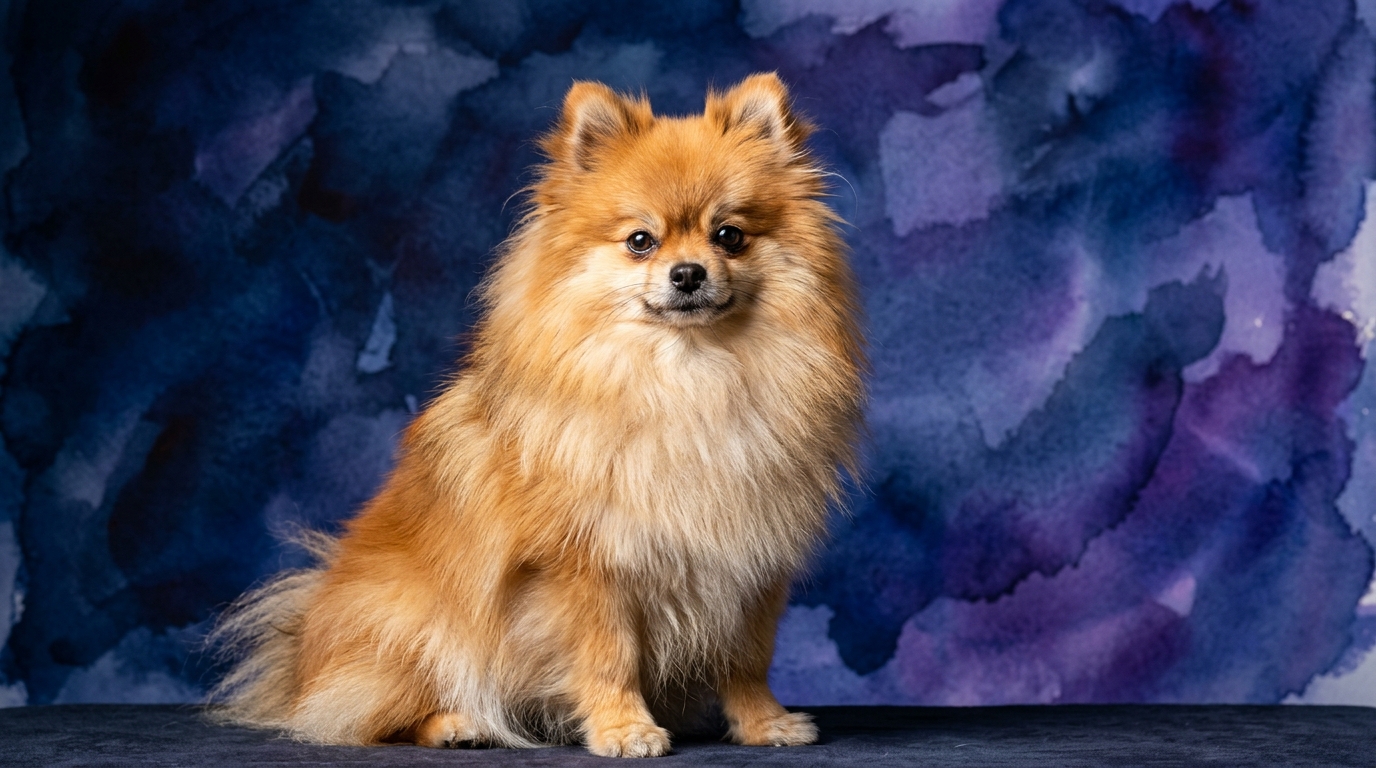
The Pomeranian, a spirited toy breed ranking #23 on Coren's list, exhibits a quick-witted and agile mind. Its Problem Solving score of 4/5 indicates a capacity for figuring out complex situations or manipulating their environment to achieve goals, like opening a treat container. With a Training Speed of 4/5, these small dogs absorb new commands and routines with impressive alacrity, often making them a joy to teach. Their Social Intelligence, also 4/5, means they are adept at reading human emotions and intentions, often using this insight to their advantage or to offer comfort. An Instinctive Drive of 3/5 suggests a moderate level of inherent behaviors, such as alert barking or a playful chase, but not an overwhelming compulsion. Finally, their Memory at 4/5 ensures they retain learned behaviors and established household routines effectively, rarely forgetting a trick or a favorite person.
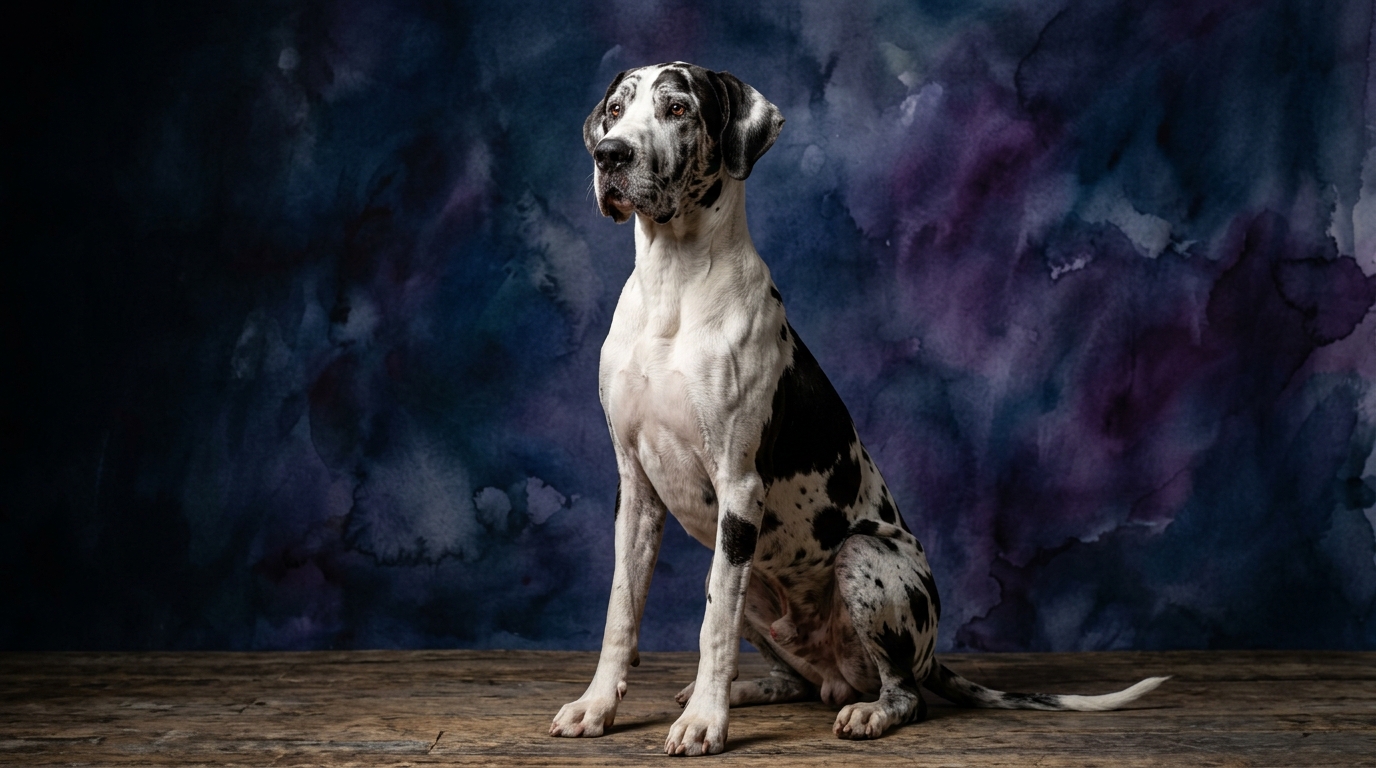
The Great Dane, a majestic working breed positioned at Coren's #48, approaches cognitive tasks with a more deliberate, gentle giant demeanor. Its Problem Solving ability is rated 3/5, suggesting it can navigate common challenges and understand basic cause-and-effect relationships, though it might take a more straightforward, less intricate approach than its smaller counterpart. A Training Speed of 3/5 means Great Danes learn reliably, but typically require more consistent repetition and patience to solidify new commands, reflecting a steady, rather than rapid, learning pace. Mirroring the Pomeranian, their Social Intelligence is 4/5, highlighting an excellent capacity to understand and respond to human cues, often expressing deep empathy and a strong bond with their families. An Instinctive Drive of 3/5 indicates a moderate drive for behaviors like companionship or protective vigilance, without being overly driven by ancient instincts. Their Memory score of 3/5 implies good retention of familiar routines and important people, ensuring they remember their training and their family members, though perhaps not with the same immediate recall for less practiced tasks as the Pomeranian.
Where Pomeranian Wins Cognitively
The Pomeranian clearly shines in areas demanding rapid mental processing and quick adaptation. With a Problem Solving score of 4/5 compared to the Great Dane's 3/5, Poms are often more adept at figuring out intricate puzzles or creative ways to get what they want, like strategically moving obstacles to reach a hidden toy. Their superior Training Speed (4/5 versus 3/5) means they grasp new commands and complex sequences of actions with remarkable swiftness, making them excellent candidates for advanced obedience or trick training where many repetitions would be tedious for other breeds. Furthermore, the Pomeranian’s Memory, rated 4/5 against the Great Dane’s 3/5, suggests a more robust and enduring recall of learned behaviors and past experiences. This can manifest in their ability to remember complex routines over long periods or recall specific past events, making their learning more permanent and less prone to decay without consistent reinforcement. This combination of quick thinking, rapid learning, and strong retention positions the Pomeranian as a cognitive front-runner in tasks requiring mental agility and quick mastery.
Where Great Dane Wins Cognitively
While the Great Dane's individual scores might not always surpass the Pomeranian's, its cognitive strengths manifest differently, often through a blend of its intellect and its inherent temperament and physical presence. Both breeds share a 4/5 Social Intelligence score, but for the Great Dane, this translates into a profound, gentle empathy that makes them exceptional emotional support animals. Their ability to read subtle human emotional states and respond with a calm, reassuring presence is a unique cognitive application, where their sheer size amplifies their comforting effect. A Great Dane's problem-solving, though rated 3/5, often involves a more deliberate, methodical approach, which can be a strength in situations requiring patience and careful assessment rather than quick, impulsive action. For instance, they might be slower to react to a novel object but will observe it thoroughly before interacting. Their Instinctive Drive, also 3/5, is often channeled into a powerful yet gentle protectiveness of their family, a cognitive function rooted in their working heritage where they assess threats and provide a reassuring presence. This measured, empathetic, and protective application of their cognitive abilities provides a distinct advantage in roles requiring steadfastness and emotional depth.
Which is Easier to Train and Why
Based on The Cosmic Pet Pet IQ Lab data, the Pomeranian is generally easier to train, primarily due to its higher Training Speed score of 4/5 compared to the Great Dane's 3/5. Pomeranians tend to pick up new commands and cues more rapidly, often requiring fewer repetitions to achieve mastery. This quick uptake means training sessions can be shorter, more dynamic, and potentially cover a wider range of behaviors in the same amount of time. Their superior Memory (4/5) also contributes significantly, ensuring that once a behavior is learned, it is retained more effectively over time, reducing the need for constant refreshers. In contrast, Great Danes, while perfectly capable of learning, require a more patient and consistent approach. Their 3/5 Training Speed indicates that they will learn, but at a more deliberate pace, necessitating more frequent and perhaps longer training sessions to solidify behaviors. While both breeds benefit from positive reinforcement, a Pomeranian is more likely to offer a quick "aha!" moment, whereas a Great Dane might take several sessions to fully internalize a new command, reflecting their differing cognitive processing speeds.
Which Suits Active Owners vs. Relaxed Owners
The cognitive profiles of these two breeds offer clear guidance for matching them with owner lifestyles. Pomeranians, with their 4/5 Problem Solving and 4/5 Training Speed, thrive with owners who enjoy providing consistent mental stimulation through varied training, puzzle toys, and engaging activities. Their quick minds benefit from active participation in their environment, making them an excellent fit for owners who are keen on dog sports like agility or regular trick training, even if their physical exercise needs are moderate. A Pomeranian will enjoy the mental challenge of learning new things and solving problems, making them suitable for active owners who prioritize intellectual engagement alongside physical activity. Conversely, Great Danes, despite their enormous size, often possess a more relaxed and gentle demeanor, aligning well with owners who prefer a calmer, more predictable routine. While they still require regular, moderate exercise, their 3/5 Problem Solving and 3/5 Training Speed suggest they might not crave constant, intense mental challenges in the same way. Their 4/5 Social Intelligence makes them wonderful, empathetic companions for relaxed owners who value deep emotional connection and a steady presence, rather than a dog constantly seeking the next mental puzzle. They are content with a comfortable home life, regular walks, and ample time to bond with their family, making them ideal for owners who appreciate a majestic, loving companion without the need for high-octane mental gymnastics.
The Verdict
Opt for a Pomeranian if you seek a quick-witted companion eager to learn complex tricks, engage in mental games, and thrive on consistent, varied training, fitting well with active, intellectually stimulating households.
Select a Great Dane if you desire a calm, empathetic, and steadfast companion who excels in social bonding and thrives in a relaxed, predictable environment where gentle interaction and a strong emotional connection are prioritized.
🧠 Find Your Pet's IQ Score
Our Pet IQ Lab assessment covers 25+ tests across 5 cognitive dimensions — personalized to your breed.
Take the Full IQ Test →Frequently Asked Questions
Do Pomeranians or Great Danes get bored easily?
Pomeranians, with their higher problem-solving and memory scores, are more prone to boredom if not given adequate mental stimulation through training and puzzles, whereas Great Danes tend to be more content with consistent routines and social interaction. Both benefit from engagement, but the type and intensity of mental activity needed to prevent boredom differ significantly based on their cognitive profiles.
Can a Great Dane learn complex tasks despite a lower training speed?
Yes, a Great Dane can certainly learn complex tasks; their 3/5 training speed means they will take more repetitions and patience compared to a Pomeranian, but their 4/5 social intelligence ensures they are highly motivated by their bond with their owner, making them capable of mastering many skills. Consistency and positive reinforcement are key to their learning success.
How does social intelligence differ between these two breeds?
Both breeds score 4/5 in social intelligence, indicating a strong ability to read human cues and emotions. However, a Pomeranian might use this for charming manipulation or alertness, while a Great Dane often expresses it through deep empathy, a calm presence, and a gentle, protective companionship, reflecting how their physical characteristics and inherent roles influence the manifestation of this cognitive trait.