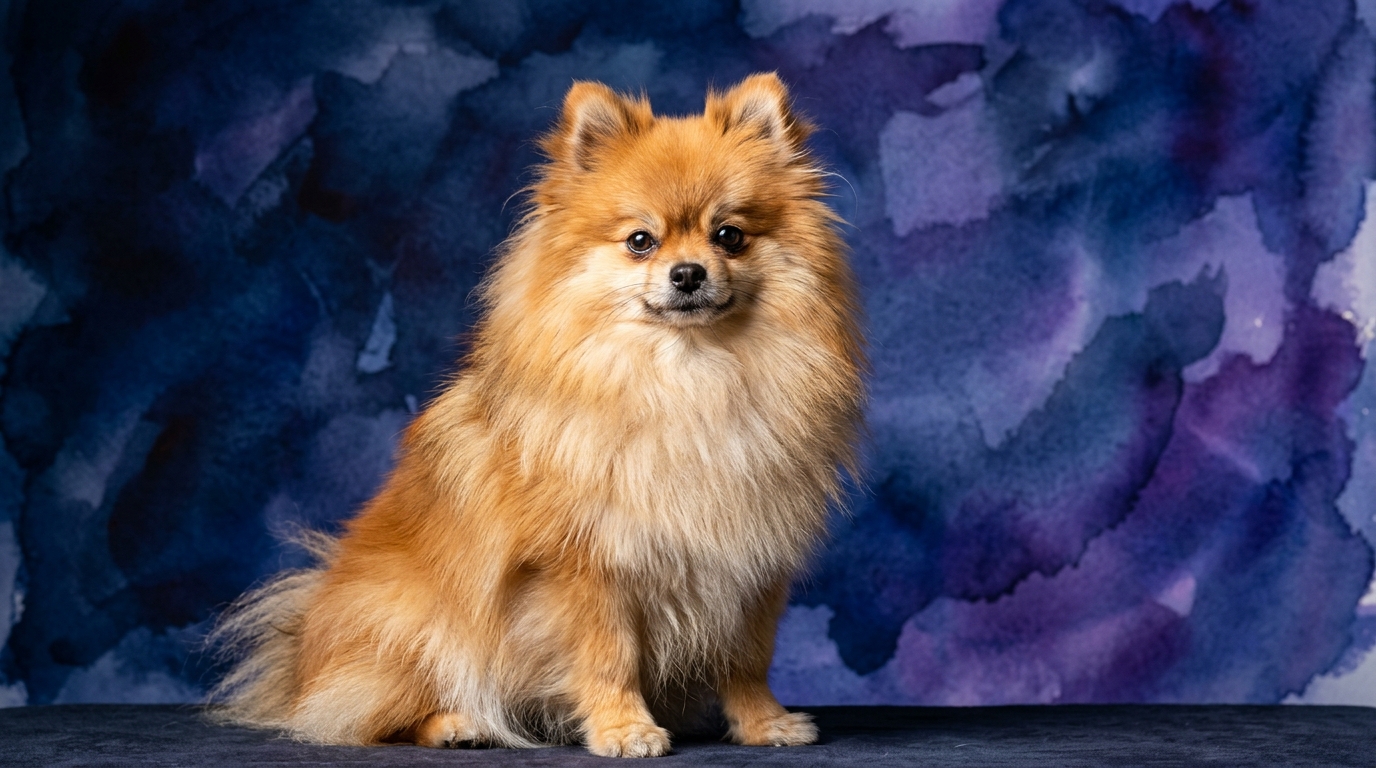
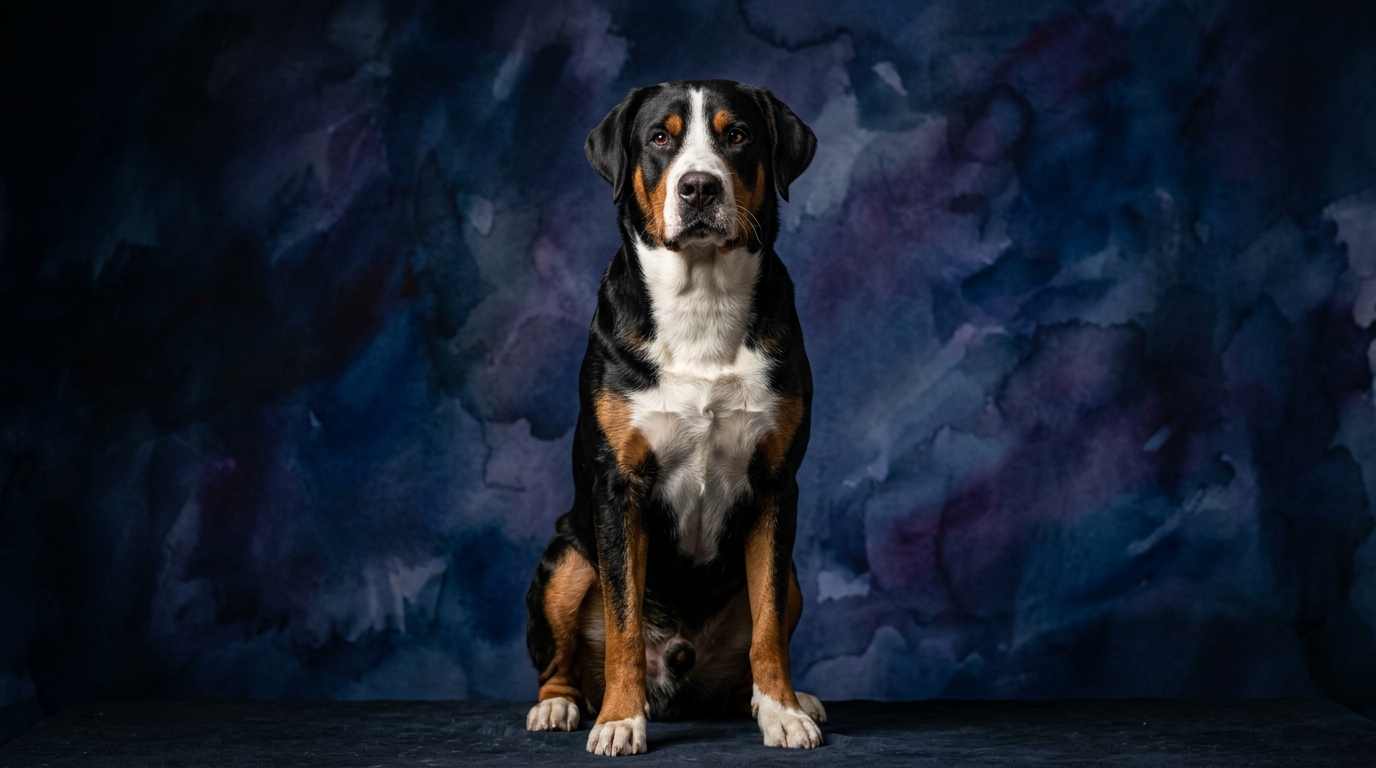
Side-by-Side IQ Profile: Pomeranian vs. Greater Swiss Mountain Dog
**Pomeranian (Coren rank #23):**
**Problem Solving (4/5):** Pomeranians frequently demonstrate a keen ability to assess novel situations, quickly figuring out how to retrieve a dropped toy from an awkward spot or navigating a new environment with confidence. Their small size often necessitates creative solutions to reach desired objects.
**Training Speed (4/5):** These compact companions often pick up new commands and routines with remarkable efficiency, frequently requiring fewer repetitions than many other breeds. Their eagerness to engage and their sharp focus contribute to their rapid learning curve.
**Social Intelligence (4/5):** Pomeranians are adept at reading human cues, often understanding subtle shifts in tone or body language. They can be quite skilled at discerning household dynamics and using their charm to their advantage, sometimes appearing to "negotiate" for what they want.
**Instinctive Drive (3/5):** While primarily companion animals, Pomeranians retain some ancestral drives. They possess a notable alert barking instinct, making them excellent tiny watchdogs, and a moderate prey drive that might manifest as chasing small critters.
**Memory (4/5):** Their memory for learned behaviors, routines, and specific people or places is robust. They often remember commands even after long breaks and recall past experiences, contributing to their consistent behavior.
**Greater Swiss Mountain Dog (Not Coren-ranked):**
**Problem Solving (3/5):** Greater Swiss Mountain Dogs approach problem-solving with a deliberate and practical mindset. While they might not be as quick to solve abstract puzzles as some breeds, they excel at assessing real-world situations, such as navigating challenging terrain or understanding how to move objects, based on their strength and purpose.
**Training Speed (3/5):** These strong working dogs learn steadily and reliably, absorbing commands with consistent instruction. While they may require more repetitions and positive reinforcement than a Pomeranian, once a lesson is ingrained, it tends to stick firmly.
**Social Intelligence (3/5):** Greater Swiss Mountain Dogs are generally good at understanding family dynamics and their owner's mood, often offering a comforting presence. Their social cues are typically clear and straightforward, making them predictable companions, though they might be less overtly expressive than a smaller, more demonstrative breed.
**Instinctive Drive (3/5):** Reflecting their heritage, they possess a strong working drive, manifesting as a desire to "help" with tasks, a natural guarding instinct, and a protective nature towards their family. This drive, when channeled appropriately, makes them dedicated companions.
**Memory (3/5):** They have a solid memory for commands, routines, and the people in their lives. Lessons learned tend to be retained well, contributing to their reliability, though they might not form new associations with the same rapid pace as a Pomeranian.
Where the Pomeranian Wins Cognitively
The Pomeranian's cognitive advantages often stem from their adaptability and keen observational skills. They frequently demonstrate a quicker grasp of novel concepts, making them agile learners in new environments or when introduced to intricate training exercises. Their problem-solving prowess shines in tasks requiring finesse and creative thought, such as manipulating puzzle toys or navigating complex indoor spaces to achieve a goal. Furthermore, their superior social intelligence allows them to interpret subtle human cues with remarkable accuracy, often anticipating their owner's next move or emotional state more readily than the Greater Swiss. This nuanced understanding contributes to their reputation as responsive and engaging companions.
Where the Greater Swiss Mountain Dog Wins Cognitively
The Greater Swiss Mountain Dog's cognitive strengths lie in their purposeful application of intelligence and steadfast reliability. They excel in tasks demanding strength, endurance, and practical decision-making, such as carting or guarding, where their judgment and physical capabilities converge. Once a task or command is understood, their consistency is a hallmark; they are less likely to deviate from learned behaviors, making them exceptionally dependable. Their independent thought is particularly effective in real-world scenarios, allowing them to assess a situation and make a "sensible" choice without constant human direction, especially in a working context. This deliberate approach also contributes to their calm demeanor under pressure, preferring a measured response over frantic reactions.
Which is Easier to Train and Why
When considering ease of training, the Pomeranian generally presents a quicker learning curve due to their higher scores in training speed and problem-solving. Their compact size and intrinsic desire for interaction make repetition easy and enjoyable for both dog and owner, allowing them to pick up complex tricks and commands with efficiency. However, their sharp social intelligence can sometimes lead to "selective hearing" if they perceive an opportunity to get their way, requiring consistent boundaries and motivational techniques to maintain focus.
The Greater Swiss Mountain Dog, while capable, requires a more deliberate and consistent approach to training. Their 3/5 training speed score indicates they learn reliably but may need more repetitions and patience. They respond best to positive reinforcement, clear expectations, and training that taps into their working drive, as they enjoy having a "job." Their independence means they won't blindly follow commands without understanding the purpose, and they might be slower to generalize learned behaviors to entirely new situations or environments. While not difficult to train, their process is more methodical and less instantaneous than a Pomeranian's.
Which Suits Active Owners vs. Relaxed Owners
The Pomeranian, despite its small stature, genuinely suits owners who appreciate and provide consistent mental stimulation and interactive play. They thrive on engaging games, puzzle toys, and regular, brisk walks, demonstrating surprising energy for their size. Owners who enjoy a dog that is highly "in tune" with their emotions and offers lively, responsive companionship will find a Pomeranian rewarding. While adaptable to apartment living, they are not suited for entirely relaxed owners who prefer minimal engagement; they need their minds challenged to prevent boredom-related behaviors.
The Greater Swiss Mountain Dog is an ideal match for active owners who seek a robust companion for outdoor adventures. Their substantial physical needs demand activities like hiking, carting, or extensive walks to satisfy their working heritage and maintain their physical and mental well-being. Owners who enjoy integrating their dog into a purposeful, active lifestyle will find them immensely satisfying. While they possess a calm and steady demeanor indoors, this tranquility is typically achieved *after* their significant exercise requirements have been met, making them less suitable for owners whose lifestyle is consistently sedentary.
The Verdict
If you desire a mentally agile, highly interactive companion for apartment living, who thrives on intricate games and close emotional interaction, and can adapt quickly to changing routines, the Pomeranian is an excellent choice.
If you seek a steadfast, powerful companion for an active outdoor lifestyle, who excels in practical tasks, enjoys purposeful work, and provides a calm, protective presence after a good day's exertion, the Greater Swiss Mountain Dog will prove to be an invaluable family member.
🧠 Find Your Pet's IQ Score
Our Pet IQ Lab assessment covers 25+ tests across 5 cognitive dimensions — personalized to your breed.
Take the Full IQ Test →Frequently Asked Questions
Are Pomeranians good apartment dogs regarding their intelligence needs?
Yes, Pomeranians can thrive in apartments, but their intelligence means they require consistent mental stimulation through puzzle toys, training sessions, and interactive play. Their adaptability allows them to adjust well, provided their cognitive and exercise needs are met indoors and during walks.
Do Greater Swiss Mountain Dogs need a lot of mental stimulation?
Absolutely. While their physical exercise needs are substantial, their working dog heritage means they also benefit greatly from mental challenges. Training for specific tasks like carting, obedience, or even simply having a "job" around the house helps satisfy their intelligent drive and prevents boredom.
Which breed is generally better for first-time owners?
Both breeds can be suitable for first-time owners with proper preparation, but the Pomeranian's smaller size and quicker training speed might make them slightly more manageable initially. The Greater Swiss Mountain Dog's size and working drive require a committed owner ready for consistent training and significant physical activity.