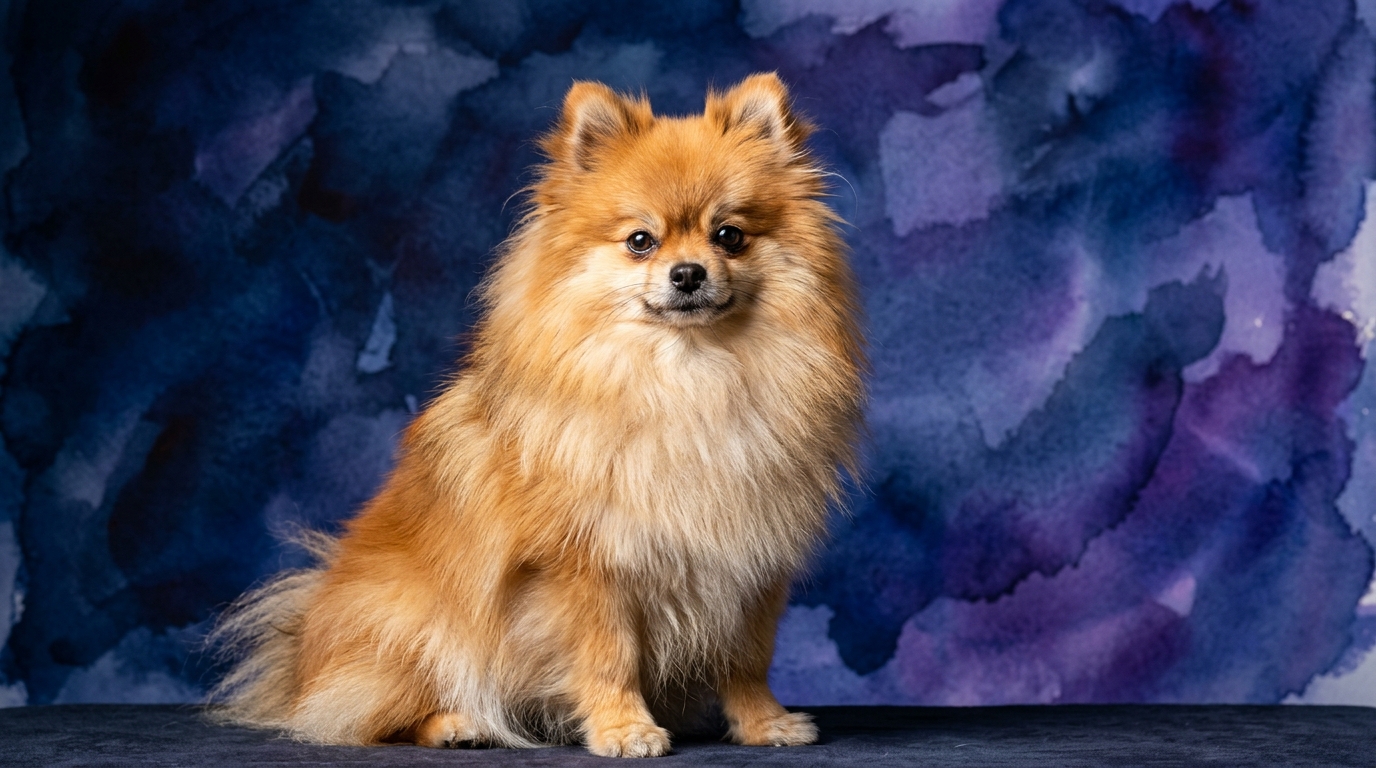
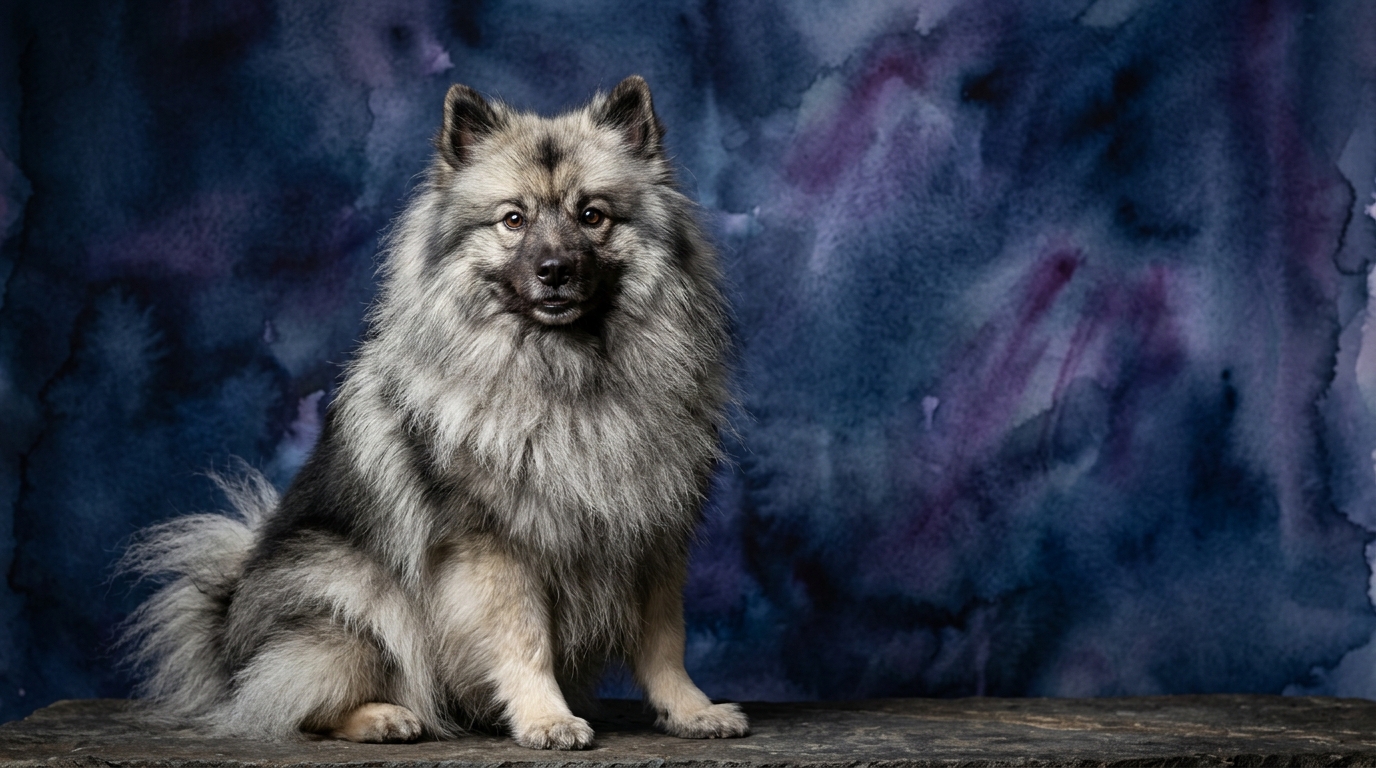
Side-by-side IQ profile
The Cosmic Pet Pet IQ Lab provides a unique lens through which to examine the cognitive landscapes of the Pomeranian and the Keeshond, revealing their distinct intellectual aptitudes. The Pomeranian, ranking #23 on the Coren scale, presents a well-rounded cognitive profile. In Problem Solving, they score a solid 4 out of 5, indicating an adeptness at navigating tricky situations or figuring out how to access desired items, often through keen observation. Their Training Speed also stands at 4 out of 5, signifying a quick grasp of new commands and routines, particularly when engaged with positive reinforcement. A notable strength is their Social Intelligence, rated 4 out of 5, which reflects their deep attunement to human emotions and subtle social cues, fostering profound companionship. Their Instinctive Drive sits at 3 out of 5, meaning they possess some natural predispositions like alert barking, but these are generally manageable. Finally, their Memory is strong at 4 out of 5, enabling them to retain learned behaviors and associative memories over time.
The Keeshond, with its higher Coren rank of #16, shows a slightly different, yet equally impressive, intellectual makeup. Their Problem Solving ability matches the Pomeranian's at 4 out of 5, demonstrating comparable resourcefulness in novel situations and an ability to strategize. Like the Pomeranian, their Training Speed is 4 out of 5, indicating they learn new tasks with efficient understanding when training is engaging and consistent. Where they diverge is in Social Intelligence, scoring 3 out of 5; while affectionate and connected to their human families, they may be less acutely perceptive of nuanced emotional shifts than the Pomeranian. Their Instinctive Drive is also 3 out of 5, reflecting their historical role as companion and alert watchdog, leading to a watchful attentiveness. The Keeshond's standout cognitive strength is its Memory, earning a perfect 5 out of 5, which translates to exceptional recall and a remarkable longevity in remembering commands, routines, and past experiences.
Where Pomeranian wins cognitively
The Pomeranian's cognitive edge distinctly shines in its superior Social Intelligence, scoring 4/5 compared to the Keeshond's 3/5. This heightened perception means a Pomeranian is often more acutely attuned to human emotions, capable of picking up on subtle shifts in your mood or body language with remarkable speed. They might react to a sigh or a quiet tone more readily, offering comfort or seeking interaction based on your emotional state. This makes them particularly adept at forming deeply empathetic bonds and navigating complex household dynamics, often appearing to 'know' what you need before you even express it.
Furthermore, this combination of strong problem-solving and social intelligence can manifest as a charming ability to 'work' their owners, cleverly using their understanding of human behavior to achieve their desires, whether it's an extra treat or more playtime. They might, for instance, figure out that a specific whine or head tilt reliably earns them attention, demonstrating a nuanced application of their cognitive skills within a social context.
Where Keeshond wins cognitively
The Keeshond's undeniable cognitive triumph lies in its exceptional Memory, rated a perfect 5 out of 5, a clear advantage over the Pomeranian's 4/5. This superior recall means a Keeshond will retain learned behaviors, complex command sequences, and established routines with remarkable tenacity and longevity. Owners will find that once a Keeshond masters a task, it is likely to be ingrained for life, requiring fewer refresher sessions and demonstrating consistent reliability even after long breaks.
This cognitive strength is particularly beneficial for advanced obedience, dog sports, or any scenario where precise, long-term retention of multiple commands is crucial. Their higher Coren rank of #16 further underscores a generally stronger working and obedience intelligence, suggesting a greater capacity for processing and remembering complex instructions and patterns over extended periods. For example, a Keeshond might remember a multi-step fetch routine or a specific agility course layout with greater accuracy and for a longer duration than many other breeds.
Which is easier to train and why
While both breeds boast an impressive Training Speed of 4/5, indicating they grasp new concepts with similar initial efficiency, their differing cognitive strengths lead to nuanced distinctions in overall training ease. The Keeshond's perfect 5/5 Memory gives it a significant advantage in long-term retention and consistency. Once a Keeshond learns a command or routine, it is deeply embedded, meaning less need for constant reinforcement and a higher likelihood of reliable execution even after periods without practice. This translates to a dog that, once trained, is remarkably consistent in its behaviors.
The Pomeranian's 4/5 Social Intelligence makes them incredibly responsive to their handler's feedback and eager to please, which can make early training sessions feel very collaborative and rewarding. They are quick to pick up on your cues and intentions. However, their independent spirit, typical of many toy breeds, might require more consistent practice to maintain complex behaviors over time, as their memory, while strong, isn't quite as indelible as the Keeshond's. Therefore, while a Pomeranian might quickly learn a trick to impress, a Keeshond is more likely to reliably perform a complex sequence years later with minimal prompting, making the Keeshond arguably easier to train for enduring, reliable results.
Which suits active owners vs relaxed owners
Understanding their cognitive and inherent drives helps align these breeds with different owner lifestyles. The Pomeranian, despite its small stature, is not a sedentary lap dog; it possesses a curious mind and surprising energy. Its 4/5 problem-solving and social intelligence mean it thrives on mental stimulation, interactive play, and being an engaged participant in family life. They require regular, albeit often shorter, walks and consistent opportunities for mental enrichment like puzzle toys or learning new tricks. They suit owners who enjoy frequent, engaging interactions, value a companion highly attuned to their presence, and are prepared for a dog that, while adaptable to apartment living, needs consistent mental and physical outlets beyond just cuddling. They are ideal for moderately active owners who want an interactive, charming shadow.
The Keeshond, a sturdy, medium-sized breed, requires a more structured approach to activity. With its 5/5 memory and moderate instinctive drive (3/5), it benefits significantly from consistent routines and purposeful exercise. They enjoy regular, brisk walks, exploring new environments, and can excel in dog sports like obedience or rally, where their strong recall and problem-solving skills are put to good use. They are not hyperactive but need more than just a quick stroll around the block. They suit owners who are moderately active, enjoy daily walks or hikes, appreciate a dog that can master and consistently perform complex tasks, and value a companion with a steady, watchful temperament. They are not suited for truly 'relaxed' owners who prefer minimal dog engagement, as their minds and bodies need regular, stimulating engagement to prevent boredom.
The Verdict
When you desire a highly perceptive, socially attuned companion who quickly picks up on your moods and enjoys frequent, interactive engagement, the spirited Pomeranian is an excellent choice. Their charming eagerness to please, combined with their problem-solving flair, makes them captivating partners for owners who appreciate a dog deeply intertwined with their daily emotional landscape.
For those seeking a consistently reliable and exceptionally retentive canine partner, particularly one that excels in remembering extensive training and routines, the Keeshond stands out. Their robust memory and steady temperament make them ideal for owners who value long-term behavioral predictability and enjoy structured activities that leverage their impressive recall.
🧠 Find Your Pet's IQ Score
Our Pet IQ Lab assessment covers 25+ tests across 5 cognitive dimensions — personalized to your breed.
Take the Full IQ Test →Frequently Asked Questions
Are Pomeranians difficult to train because they are small?
Despite their size, Pomeranians possess a 4/5 training speed, indicating they learn new commands quite readily. Their high social intelligence also makes them responsive to positive reinforcement, though consistency is key to managing their spirited nature.
Do Keeshonds require a lot of exercise?
Keeshonds are moderately active dogs that thrive on daily walks and engaging playtime. While not requiring extreme endurance, they appreciate consistent mental and physical stimulation to prevent boredom and leverage their problem-solving abilities.
Which breed is better with children?
Both breeds can be good with children, but require proper socialization and supervision. Pomeranians, with their social intelligence, can form strong bonds, while Keeshonds' steady nature and excellent memory make them reliable companions when taught appropriate interactions.