Side-by-Side Cognitive Profiles
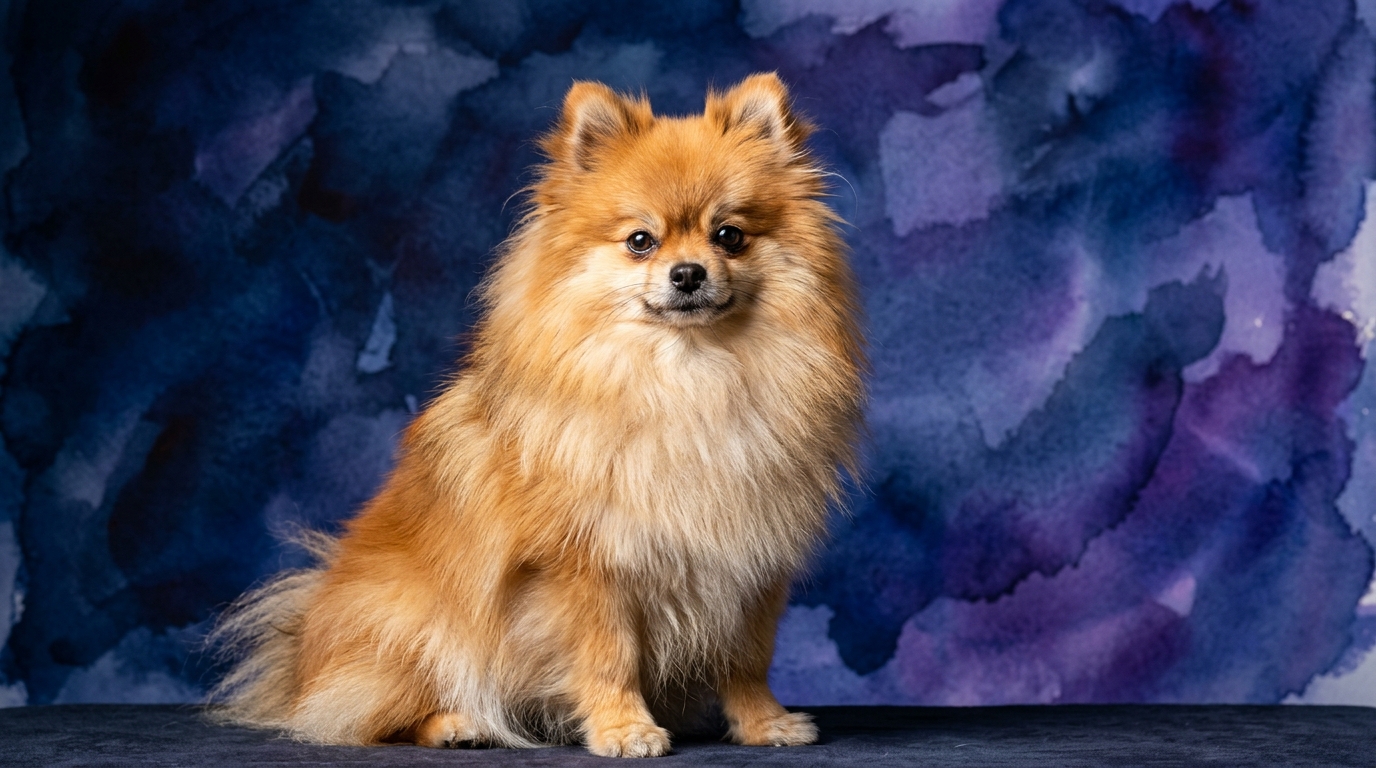
Our Pet IQ Lab evaluates canine intelligence across five key dimensions, providing a nuanced understanding beyond simple obedience. For the Pomeranian, a toy breed with a Coren rank of #23, its profile reveals a nimble mind: Problem Solving at 4/5 indicates a quick ability to navigate novel situations and figure out puzzles. Training Speed also scores 4/5, suggesting a rapid grasp of new commands and routines. Social Intelligence, at 4/5, highlights their aptitude for reading human cues and adapting to varied social dynamics. Their Instinctive Drive sits at 3/5, present but not dominant, while Memory, at 4/5, underpins their capacity to retain a vast repertoire of learned behaviors and experiences.
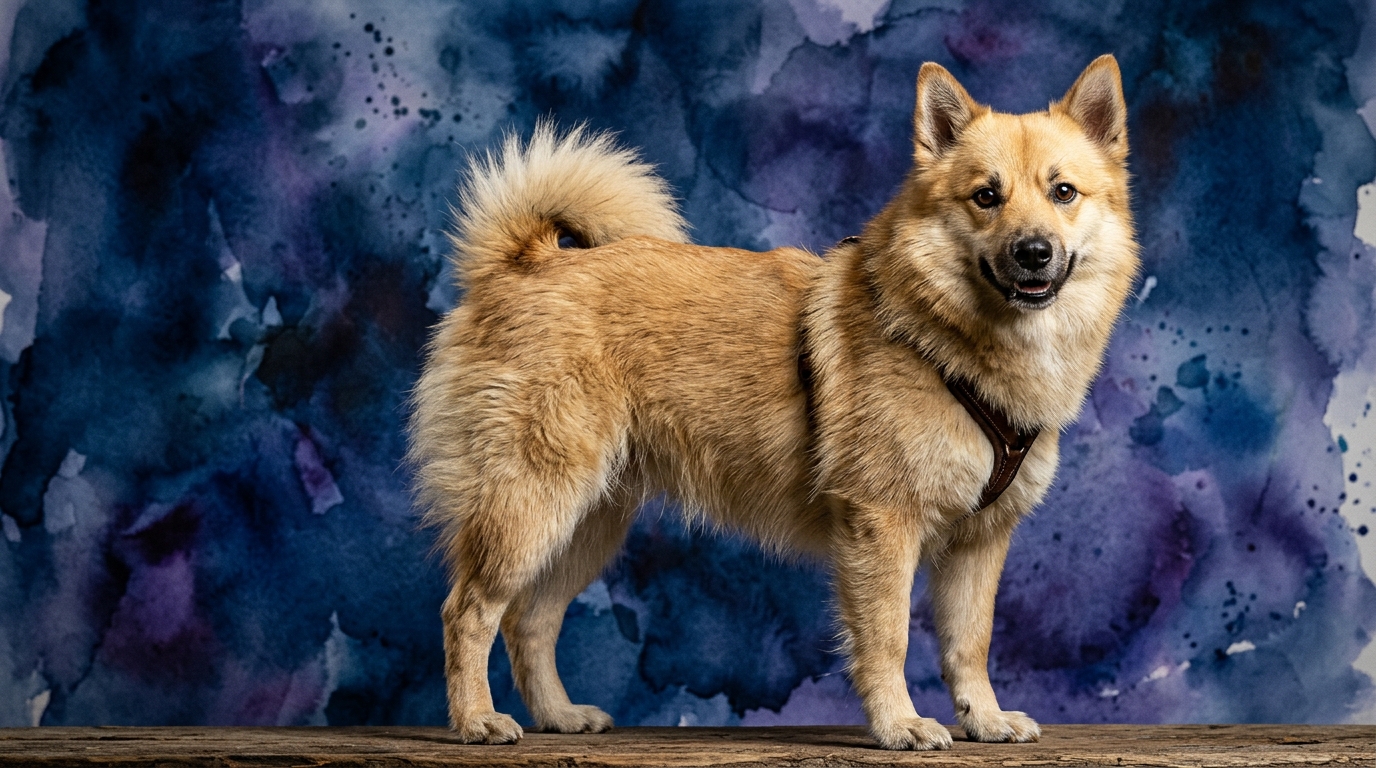
The Norwegian Buhund, a diligent herding breed not yet Coren-ranked, presents a profile rooted in practical application and steadfastness. Its Problem Solving is rated 3/5, meaning they are capable of finding solutions but may take a more deliberate approach than the Pomeranian. Training Speed also registers 3/5, indicating a steady learning pace that thrives on consistency rather than lightning-fast acquisition. Social Intelligence at 3/5 suggests they connect well with their immediate family but might show more reservation with strangers. Their Instinctive Drive, also 3/5, is appropriately channeled towards their historical herding tasks, demonstrating a purposeful motivation. Finally, their Memory at 3/5 implies a reliable retention of information, though perhaps requiring more frequent reinforcement compared to a breed with a higher score.
Where the Pomeranian Excels Cognitively
The Pomeranian's cognitive strengths largely stem from its capacity for rapid processing and adaptability. With a Problem Solving score of 4/5, they are often quick to assess new environments or challenges, readily attempting different strategies to achieve a desired outcome, whether that's opening a treat puzzle or navigating a complex obstacle course. This mental agility makes them adept at learning intricate sequences of actions, often surprising owners with their ingenuity.
Their 4/5 Training Speed means Pomeranians frequently pick up new commands with fewer repetitions than many other breeds. This speed is complemented by their 4/5 Social Intelligence, allowing them to keenly observe and respond to human body language and vocal tones, making them highly receptive partners in training. They often anticipate requests and adjust their behavior based on subtle cues, demonstrating a sophisticated understanding of social dynamics within their human family. Furthermore, their impressive 4/5 Memory ensures that once a lesson is learned, it is retained effectively, enabling them to build upon previous knowledge and perform a wide array of tricks and behaviors consistently over time.
Where the Norwegian Buhund Shows its Cognitive Prowess
While the Norwegian Buhund's scores are consistently 3/5, these numbers represent a robust and reliable cognitive framework, particularly suited to its herding heritage. Their 3/5 Problem Solving, though not as rapid as the Pomeranian's, reflects a grounded approach to challenges. They are persistent and methodical, often working through problems with a steady, focused determination that can be highly effective in practical, real-world scenarios. This can manifest as a dog who diligently figures out how to retrieve a toy from a tight space or systematically learns the boundaries of a yard.
The 3/5 Instinctive Drive is a significant cognitive asset for the Buhund, guiding their focus and energy. While not as overtly high as some specialized working breeds, this drive provides a foundational motivation for purposeful activity, making them excellent candidates for dog sports like agility, herding trials, or even simply engaging in structured play that mimics their natural inclinations. Their 3/5 Training Speed and Memory, while requiring consistent reinforcement, mean that once a command or task is thoroughly understood, it becomes deeply ingrained, leading to a dependable and predictable response. This reliability is a hallmark of a dog designed for consistent work, where steadfastness often outweighs flashy speed.
Training: Which Breed Offers an Easier Path?
When considering ease of training, the Pomeranian generally presents a more straightforward journey for most owners. Their 4/5 Training Speed means they absorb new commands and routines quickly, often enjoying the mental stimulation of learning. Their high Social Intelligence (4/5) also makes them attentive to their owner's wishes and eager to please, translating into a responsive training partner. They are typically motivated by positive reinforcement and find joy in mastering new skills, which can make training sessions feel more like engaging play.
The Norwegian Buhund, with a 3/5 Training Speed, requires a more patient and consistent approach. They are capable learners but benefit from clear, repetitive instructions and a training style that emphasizes their natural desire for purpose. Their herding background means they respond well to tasks that give them a job to do, and incorporating elements of 'work' into their training can be highly effective. Owners should be prepared for a steady progression rather than instant mastery, focusing on building a strong foundation through consistent positive reinforcement and engaging their natural drives.
Matching Canine Cognition to Lifestyle
For owners seeking a companion that fits seamlessly into a more relaxed lifestyle, the Pomeranian often proves an excellent choice. Their size means they don't demand extensive physical exercise, though their active minds (4/5 Problem Solving, 4/5 Memory) thrive on mental engagement. A relaxed owner can still provide ample mental enrichment through puzzle toys, trick training, and interactive games without the need for intense outdoor adventures. Their high Social Intelligence (4/5) also means they are generally adaptable to various household dynamics and enjoy being a central part of family activities.
Conversely, the Norwegian Buhund is best suited for active owners who can provide consistent mental and physical outlets. Their 3/5 Instinctive Drive, coupled with their herding background, means they are not content to be mere lapdogs. They thrive on having a purpose, whether that's participating in dog sports, going on long hikes, or engaging in structured training sessions that challenge their problem-solving skills (3/5). An owner who enjoys an active outdoor lifestyle and is committed to providing consistent engagement will find a dedicated and fulfilled partner in a Norwegian Buhund, preventing boredom and potential restless behaviors.
The Verdict
Choose a Pomeranian if you desire a quick-witted, socially astute companion who excels at learning tricks and adapts readily to a variety of living situations with consistent mental engagement.
Opt for a Norwegian Buhund if you seek a steadfast, purposeful partner who thrives on an active lifestyle and benefits from consistent, task-oriented training that harnesses their practical intelligence.
🧠 Find Your Pet's IQ Score
Our Pet IQ Lab assessment covers 25+ tests across 5 cognitive dimensions — personalized to your breed.
Take the Full IQ Test →Frequently Asked Questions
Do Pomeranians require a lot of mental stimulation to prevent behavioral issues?
Yes, their high scores in Problem Solving (4/5) and Memory (4/5) indicate a sharp mind that needs consistent engagement. Without adequate mental outlets, Pomeranians can become bored, which might lead to behaviors like excessive barking or mischief. Daily training sessions, puzzle toys, and interactive play are crucial for their well-being.
Is the Norwegian Buhund's lower IQ score indicative of a less capable dog?
Not at all. The 3/5 scores for the Norwegian Buhund reflect a competent and reliable intelligence, particularly suited for their historical role. While they may not learn as rapidly as a Pomeranian, their problem-solving (3/5) and training speed (3/5) are solid, emphasizing a steady, methodical learning style that results in a deeply ingrained and dependable understanding of tasks and commands, which is a strength in itself.
How does the 'Instinctive Drive' score impact daily life for these breeds?
For the Pomeranian (3/5), their instinctive drives are present but generally manageable, often manifesting as alert barking or a curious nature. For the Norwegian Buhund (3/5), their herding instincts are more pronounced and, if not channeled through activities like dog sports or consistent training, can lead to behaviors like attempting to 'herd' children or other pets. Understanding this drive is key to providing appropriate outlets and ensuring harmonious living.