Side-by-Side Cognitive Profiles: Pomeranian vs. Otterhound
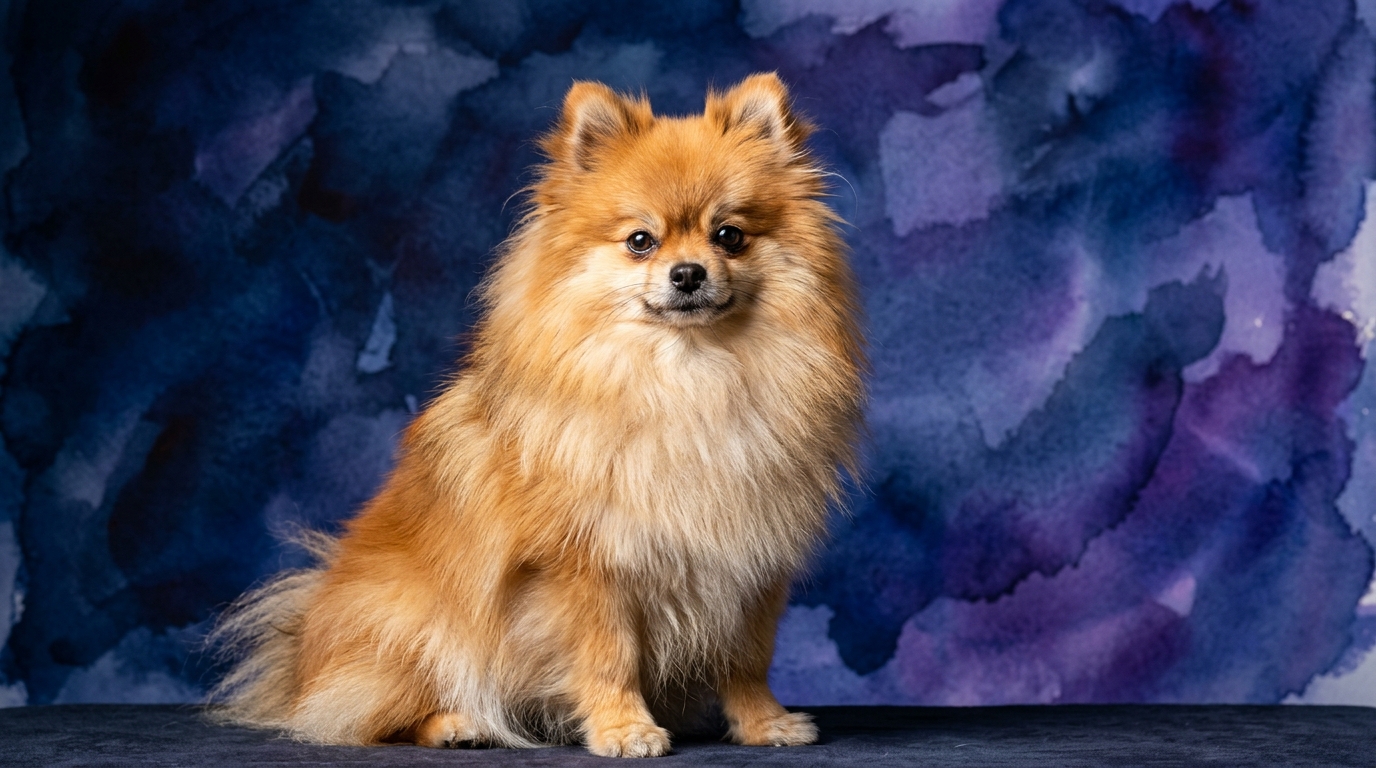
At The Cosmic Pet Pet IQ Lab, we evaluate canine intelligence across five key dimensions, offering a nuanced understanding of each breed's cognitive strengths. For the Pomeranian, a member of the Toy group and Coren-ranked #23, its profile reveals a quick-witted companion. Its Problem Solving is rated 4/5, indicating an aptitude for figuring out novel challenges, such as manipulating puzzle toys or navigating complex spatial arrangements to achieve a goal. Training Speed also scores 4/5, meaning these small dogs typically assimilate new commands and routines with remarkable alacrity, often requiring fewer repetitions for mastery. Social Intelligence is equally strong at 4/5, showcasing a breed highly attuned to human emotions and social cues, capable of forming responsive and deep bonds. Its Instinctive Drive is 3/5, primarily focused on companionship and territorial alertness rather than complex independent tasks. Lastly, Memory is rated 4/5, demonstrating excellent retention of learned behaviors and past experiences.
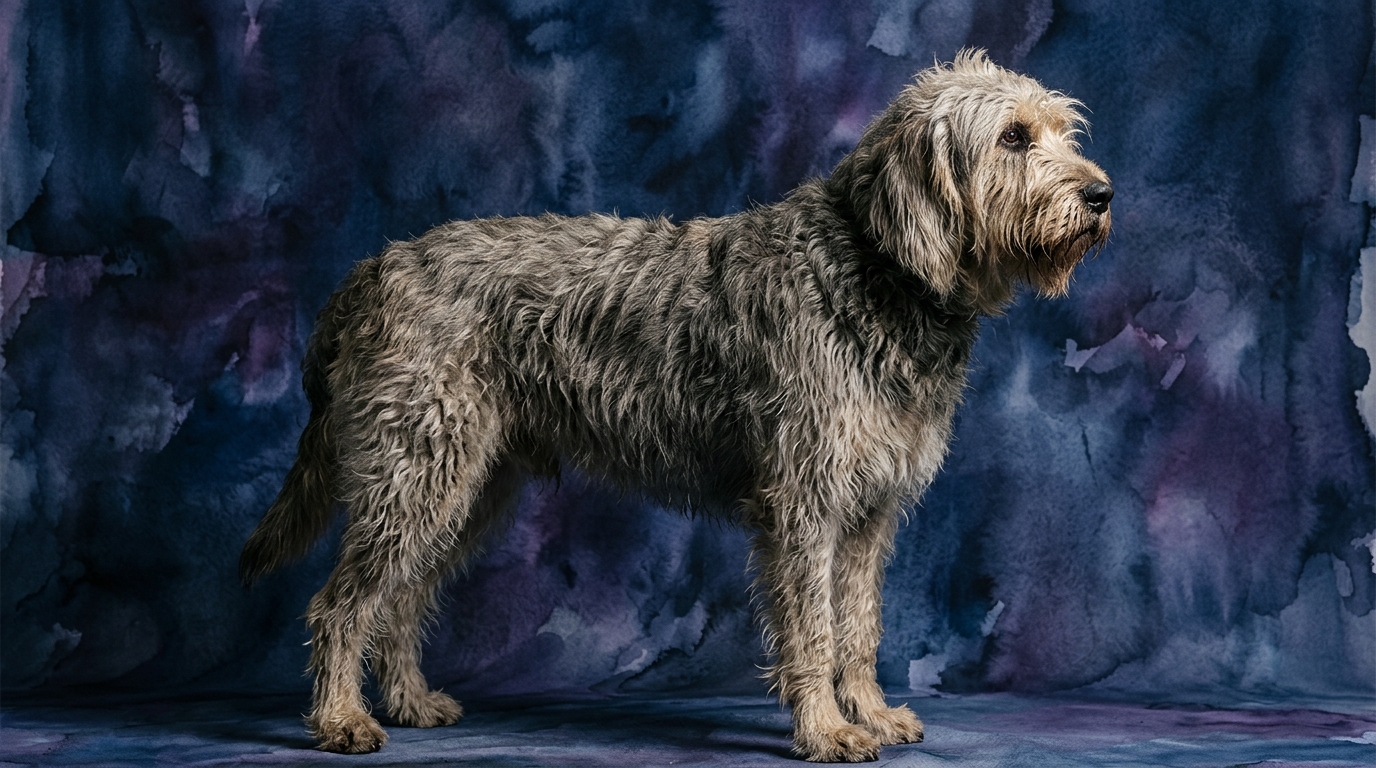
The Otterhound, a robust Hound breed not currently Coren-ranked, presents a distinct cognitive blueprint, deeply rooted in its heritage. Its Problem Solving is rated 3/5; while capable, this breed often approaches challenges with a methodical, scent-driven strategy, which can appear slower but is highly effective within its specialized domain. Training Speed is 3/5, reflecting a steady but often independent learning pace; Otterhounds require patience and consistency, as their powerful nose can frequently override immediate human directives. Social Intelligence is 3/5; they are amiable and form strong family bonds, yet their social interactions can be less nuanced than some companion breeds. Its Instinctive Drive is 3/5, profoundly centered on tracking and scenting, making them highly driven by olfactory stimuli. Their Memory is also 3/5, capable of retaining routines and commands, though their recall can be more susceptible to environmental distractions, especially when a compelling scent is present.
Where the Pomeranian Excels Cognitively
The Pomeranian's cognitive strengths distinctly shine in areas requiring rapid processing and adaptability. Their problem-solving score of 4/5 indicates a breed that often grasps new concepts quickly, such as figuring out how to manipulate a puzzle toy or navigating a novel obstacle course to reach a reward. This agility in thought is complemented by a 4/5 training speed, meaning they typically master new commands with fewer repetitions and demonstrate a sustained willingness to engage in learning activities. Furthermore, their 4/5 social intelligence allows them to keenly observe and respond to human emotions and social cues, making them particularly adept at forming deep, responsive bonds and understanding household dynamics. This blend of rapid learning, analytical problem-solving, and social attunement makes the Pomeranian particularly suited for intricate obedience tasks and interactive games where understanding human intent is paramount.
Where the Otterhound's Cognition Truly Shines
While not excelling in the same rapid-fire cognitive domains as the Pomeranian, the Otterhound possesses a unique set of cognitive strengths deeply tied to its historical purpose. Their instinctive drive, rated at 3/5, is a profound asset when it comes to scent work and independent exploration. This manifests as an unparalleled ability to track complex scent trails over varied terrains for extended periods, a feat requiring immense focus and sensory discrimination that surpasses many breeds. Their problem-solving, while rated 3/5, is highly effective within this context; an Otterhound will systematically work through a scent puzzle, often ignoring distractions, until the source is located. This breed demonstrates a steadfast, methodical approach to tasks that engage their primary sense, showcasing a different kind of cognitive resilience and determination. Their strength lies not in quick compliance, but in persistent, self-directed engagement with their environment, particularly when a compelling scent guides their way.
Trainability: Pomeranian vs. Otterhound
Based on their respective cognitive profiles, the Pomeranian is generally easier to train for traditional obedience and companion tasks. The Pomeranian’s training speed rating of 4/5, combined with its 4/5 social intelligence, means they are typically eager to please and quick to understand human directives, often requiring fewer repetitions to solidify commands. Their focus tends to remain on their handler, making structured training sessions highly productive. For instance, a Pomeranian is more likely to maintain eye contact and respond promptly to a “sit” command in a distracting environment because their social connection and desire for approval are strong motivators.
In contrast, the Otterhound, with a training speed of 3/5 and an instinctive drive of 3/5, presents a different training dynamic. Their powerful nose and independent hound nature mean they are frequently more attuned to environmental scents than human commands. While capable of learning, their attention can easily be diverted by a compelling odor, requiring more patience, consistency, and creative methods from their trainer to keep them engaged. An Otterhound might hesitate on a “stay” command if a fascinating smell wafts by, prioritizing their innate drive to investigate over the learned instruction. Therefore, while both breeds are trainable, the Pomeranian generally offers a more straightforward and rapid training experience for typical household obedience.
Matching Breed to Owner Lifestyle
The choice between a Pomeranian and an Otterhound largely depends on an owner's lifestyle and their capacity to meet specific breed needs. An active owner, particularly one who enjoys outdoor adventures, scent work, or long, exploratory walks, would find a fulfilling companion in an Otterhound. This breed thrives on opportunities to engage its powerful nose and robust physique, requiring consistent physical and mental stimulation that taps into its instinctive drive. Otterhounds need space to roam and a dedicated owner willing to commit to extended periods of outdoor activity, making them less suited for purely relaxed, sedentary lifestyles.
Conversely, a Pomeranian often suits owners who prefer a more relaxed pace, though “relaxed” doesn't mean inactive. Pomeranians are adaptable and can thrive in various living situations, including apartments, provided they receive regular, moderate exercise and ample mental engagement through interactive play and training. Their social intelligence means they deeply value human companionship and enjoy being at the center of family life. While they appreciate walks and playtime, their exercise needs are generally less demanding than an Otterhound's, making them an excellent fit for individuals or families who desire a responsive, affectionate companion without the need for extensive, rigorous outdoor excursions. Both breeds benefit from mental enrichment, but the type of activity differs significantly based on their cognitive leanings.
The Verdict
Select a Pomeranian if you're seeking a highly responsive, adaptable companion keen on learning new tricks and engaging in interactive play, particularly if you value a strong social bond and a dog that excels in structured obedience.
Opt for an Otterhound if you're an adventurous owner eager to explore the world with a robust, scent-driven companion who thrives on extensive outdoor activity, independent exploration, and engaging its powerful nose in scent work.
🧠 Find Your Pet's IQ Score
Our Pet IQ Lab assessment covers 25+ tests across 5 cognitive dimensions — personalized to your breed.
Take the Full IQ Test →Frequently Asked Questions
Are Pomeranians good at dog sports?
Yes, Pomeranians generally excel in dog sports like agility, obedience, and rally, largely due to their high training speed, problem-solving skills, and eagerness to work with their handlers. Their compact size and nimble nature also make them well-suited for navigating courses quickly and efficiently.
Do Otterhounds need a lot of exercise?
Otterhounds require a significant amount of exercise to satisfy their robust physical build and strong instinctive drive for exploration and scenting. Daily long walks, opportunities for off-leash exploration in secure areas, or engaging in scent work activities are crucial to keep them content and prevent boredom.
How do their memory differences impact daily life?
The Pomeranian's stronger memory (4/5) means they're likely to remember commands and routines consistently, making daily interactions and recall reliable. The Otterhound's 3/5 memory, while still functional, might be more influenced by immediate environmental stimuli, requiring more consistent reinforcement in distracting situations, especially when their nose takes over.