Side-by-Side IQ Profile: Pomeranian vs. Petit Basset Griffon Vendéen
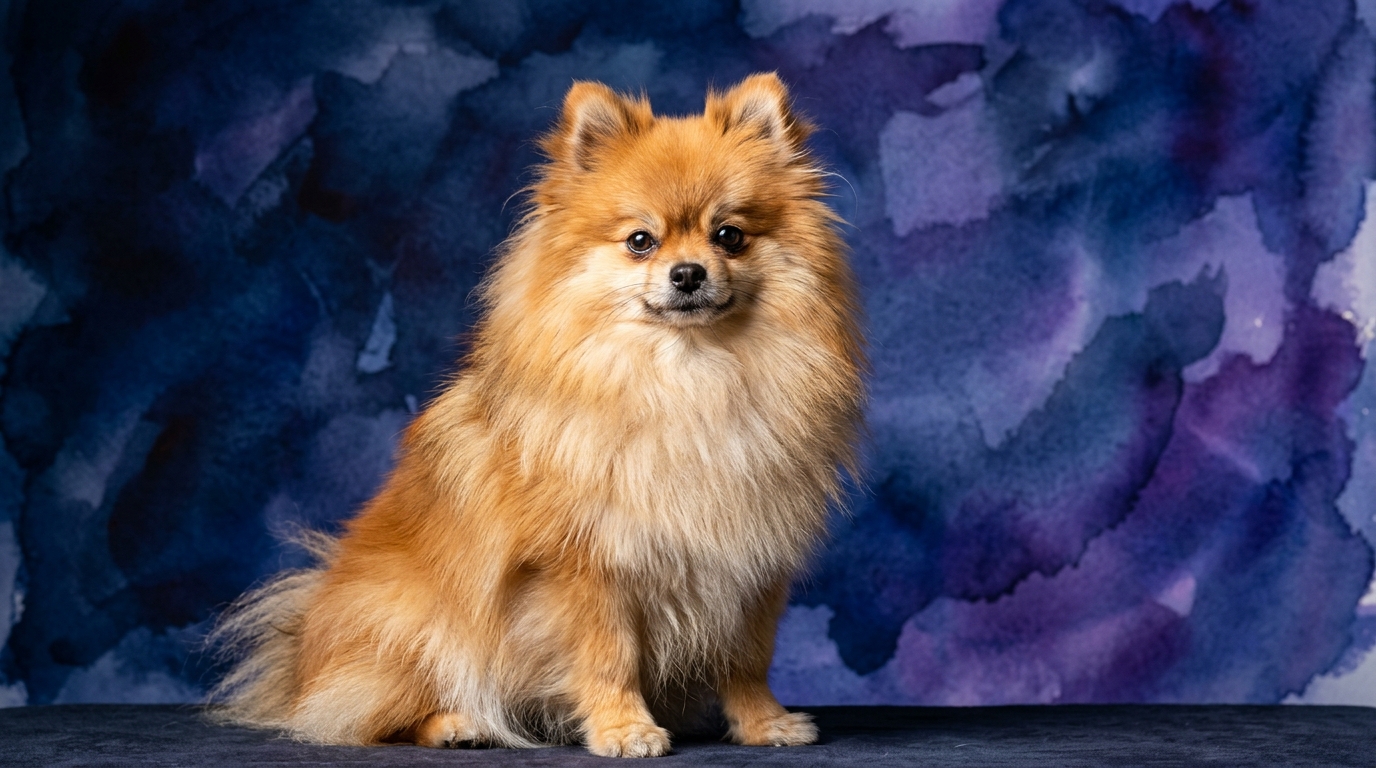
The Cosmic Pet Pet IQ Lab employs a five-dimensional framework to assess canine intelligence, providing a nuanced view beyond simple obedience. For the Pomeranian, a Toy breed ranked #23 by Coren, its profile reflects a quick-thinking, socially adept companion. Their Problem Solving is rated at 4/5, indicating a strong capacity for figuring out novel situations and puzzles, often with an understanding of cause and effect. Training Speed also stands at 4/5, showcasing their readiness to learn and respond to cues effectively. Social Intelligence, at 4/5, highlights their attunement to human emotions and household dynamics. Their Instinctive Drive is a moderate 3/5, manifesting as a surprising vigilance for their size and a moderate prey drive for small objects. Finally, their Memory is strong at 4/5, allowing them to retain learned behaviors and routines reliably.
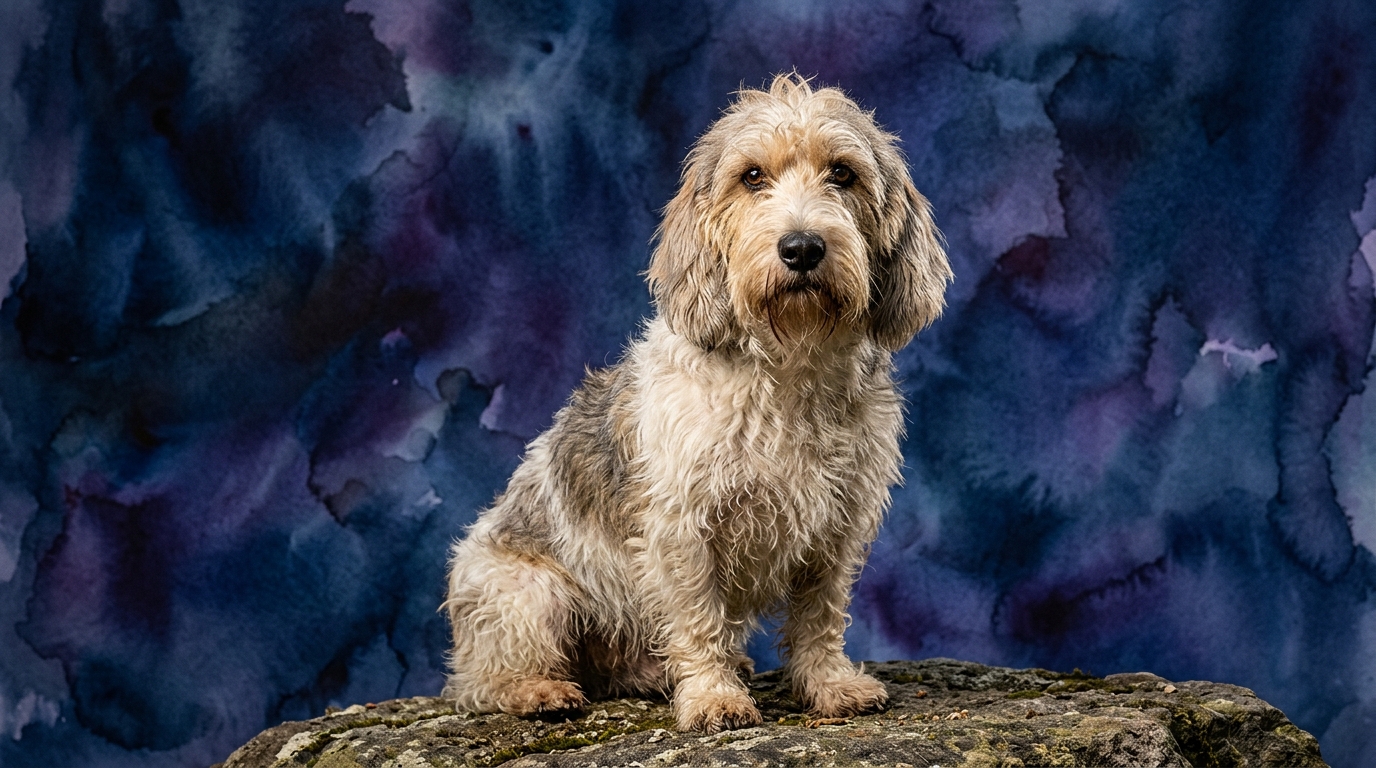
In contrast, the Petit Basset Griffon Vendéen (PBGV), a Hound breed without a Coren ranking, presents a profile shaped by its working heritage. Their Problem Solving is rated 3/5, suggesting an approach that is often more direct and persistent, especially when driven by scent, rather than relying on abstract reasoning. Training Speed is 3/5, indicating they are capable of learning but often require more patience and consistency due to their independent nature. Social Intelligence is also 3/5; they are friendly and gregarious but may be less subtly attuned to human emotional nuances than the Pomeranian, focusing more on their immediate environment and pack interactions. Their Instinctive Drive, crucial for a hound, is a robust 3/5, centrally defining their cognitive operations with an unwavering focus on scent. Memory is rated 3/5, meaning they can recall information, but their powerful instincts can sometimes override learned commands in stimulating outdoor settings.
Where the Pomeranian Wins Cognitively
The Pomeranian's superior Problem Solving (4/5) allows them to master complex sequences of actions, such as advanced trick training or navigating intricate puzzle toys, with relative ease. They often exhibit a sophisticated understanding of how to manipulate their environment or their human companions to achieve desired outcomes, like nudging a hand for pets or strategically positioning themselves for treats. This quick-wittedness makes them engaging partners in mental games.
Their elevated Social Intelligence (4/5) translates into a remarkable capacity for emotional attunement. Pomeranians frequently anticipate human moods, offering comfort or seeking play at opportune moments. This sensitivity enables them to integrate seamlessly into diverse family dynamics, understanding unspoken rules and adapting their behavior to maintain harmony or gain favor, making them highly responsive companions.
The Pomeranian's excellent Memory (4/5) means that once a command or routine is established, it tends to stick. This reliability makes them consistent performers in obedience or agility, rarely forgetting previously learned cues, even after a break. Their ability to retain information efficiently contributes significantly to their trainability and adaptability within a structured home environment.
Where the Petit Basset Griffon Vendéen Wins Cognitively
While their general Problem Solving is rated 3/5, the PBGV truly excels in problem-solving *related to their primary Instinctive Drive (3/5)*. Their cognitive strength lies in their unwavering determination to follow a scent trail, meticulously piecing together olfactory information to track quarry. This isn't just a physical act; it requires a sophisticated cognitive process of discrimination, memory of scent profiles, and persistent focus in the face of distractions, making them formidable scent workers.
The PBGV's distinctive cognitive advantage is rooted in their robust Instinctive Drive (3/5), which, while not numerically higher than the Pomeranian's, is far more central to their identity and operational intelligence. This drive fuels their relentless pursuit and independent decision-making in the field, allowing them to operate effectively without constant human direction. Their intelligence here is less about pleasing a human and more about fulfilling an ancient, ingrained purpose with tenacity, which is a specific form of cognitive persistence.
Their social intelligence, rated 3/5, manifests as an endearing, boisterous camaraderie rather than subtle emotional reading. They possess a unique ability to foster robust, uncomplicated social interactions, often forming strong bonds with their human 'pack' through shared adventures and playful roughhousing. This straightforward connection, built on mutual enjoyment and shared activity, is a specific social strength that brings immense joy to many.
Which is Easier to Train and Why
The Pomeranian is generally easier to train, attributed to its higher Training Speed (4/5), Social Intelligence (4/5), and Memory (4/5). These little dogs are typically eager to please and highly motivated by praise and treats, making them quick to associate commands with actions. Their attention span is generally longer, and their ability to read human cues helps them understand expectations more readily, allowing them to thrive on structured learning and repetitive practice, consolidating new information efficiently.
Conversely, the Petit Basset Griffon Vendéen presents more of a training challenge due to its lower Training Speed (3/5) and the dominance of its Instinctive Drive (3/5). While intelligent, their independent hound nature means they often prioritize interesting scents over human commands, making them prone to distraction. Training a PBGV requires immense patience, unwavering consistency, and highly engaging, reward-based methods to overcome their natural inclination to follow their nose. Their success in training hinges on making the desired behavior significantly more appealing than the myriad captivating distractions of the world.
Which Suits Active Owners vs. Relaxed Owners
The Pomeranian can comfortably suit both active and more relaxed owners, thanks to its adaptable nature. For relaxed owners, their capacity for indoor play and moderate exercise needs makes them excellent companions, content with shorter walks and mental stimulation from puzzle toys. For active owners, their surprising stamina and agility allow them to excel in dog sports like agility or enjoy longer strolls, provided their small size is appropriately considered. Their high social intelligence ensures they adjust well to various household paces, thriving on consistent interaction and engagement.
The Petit Basset Griffon Vendéen, with its powerful Instinctive Drive (3/5), is best suited for active owners. This breed demands significant physical and mental exercise, ideally involving ample opportunities to explore scents in a secure environment, such as long hikes or scent work games. A more relaxed owner who cannot provide daily vigorous activity and profound mental engagement will likely find a PBGV challenging, as their pent-up energy and boredom can lead to destructive behaviors, excessive vocalization, or an unshakeable desire to escape and track. They are not content to be couch potatoes; they need a job, or at least a compelling adventure, to be truly fulfilled.
The Verdict
Choose a Pomeranian if you seek a highly adaptable, quick-learning companion eager to engage in trick training and sensitive to your emotions.
Opt for a Petit Basset Griffon Vendéen if you're an active owner who appreciates an independent, scent-driven dog with boundless energy for outdoor adventures.
🧠 Find Your Pet's IQ Score
Our Pet IQ Lab assessment covers 25+ tests across 5 cognitive dimensions — personalized to your breed.
Take the Full IQ Test →Frequently Asked Questions
Are Pomeranians good at learning tricks?
Yes, with their 4/5 Problem Solving and Training Speed, Pomeranians excel at learning complex tricks. Their eagerness to please and excellent memory make them highly receptive to positive reinforcement training methods.
Do Petit Basset Griffon Vendéens need a lot of mental stimulation?
Absolutely. Driven by a strong 3/5 Instinctive Drive, PBGVs require substantial mental engagement, particularly through scent work or investigative play. Without outlets for their natural curiosity and tracking abilities, they can become bored and exhibit undesirable behaviors.
Which breed is better for first-time dog owners?
The Pomeranian, with its higher scores in Training Speed (4/5), Social Intelligence (4/5), and Memory (4/5), is generally more forgiving and adaptable for first-time owners. The PBGV's independent nature and strong instinctive drives often require more experience and dedication in training and management.