Side-by-Side IQ Profile: Pomeranian vs. Plott Hound
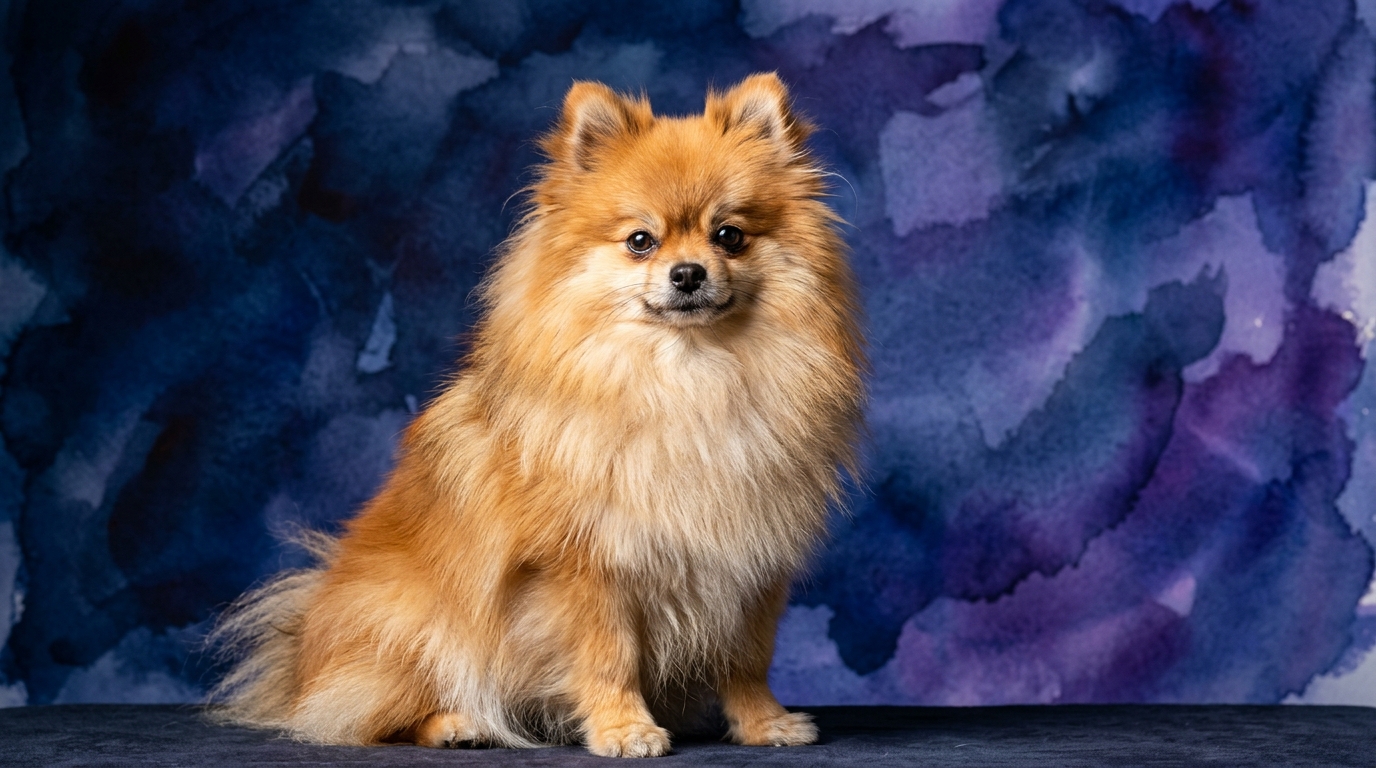
The Pomeranian, a vibrant member of the Toy group with a Coren rank of #23, presents a well-rounded cognitive profile. Their Problem Solving is rated at 4/5, indicating a strong aptitude for figuring out novel challenges and strategizing to achieve desires, often involving human interaction. Training Speed is also 4/5, reflecting their eagerness and quickness in grasping new commands and routines. Social Intelligence, at 4/5, highlights their keen ability to interpret human moods and intentions, often leveraging this understanding for attention or comfort. Their Instinctive Drive registers at 3/5, typically manifesting as a watchful nature, quick to alert with barking, or a playful chase drive for small moving objects. Finally, their Memory, at 4/5, ensures they retain a broad repertoire of learned behaviors and routines over time.
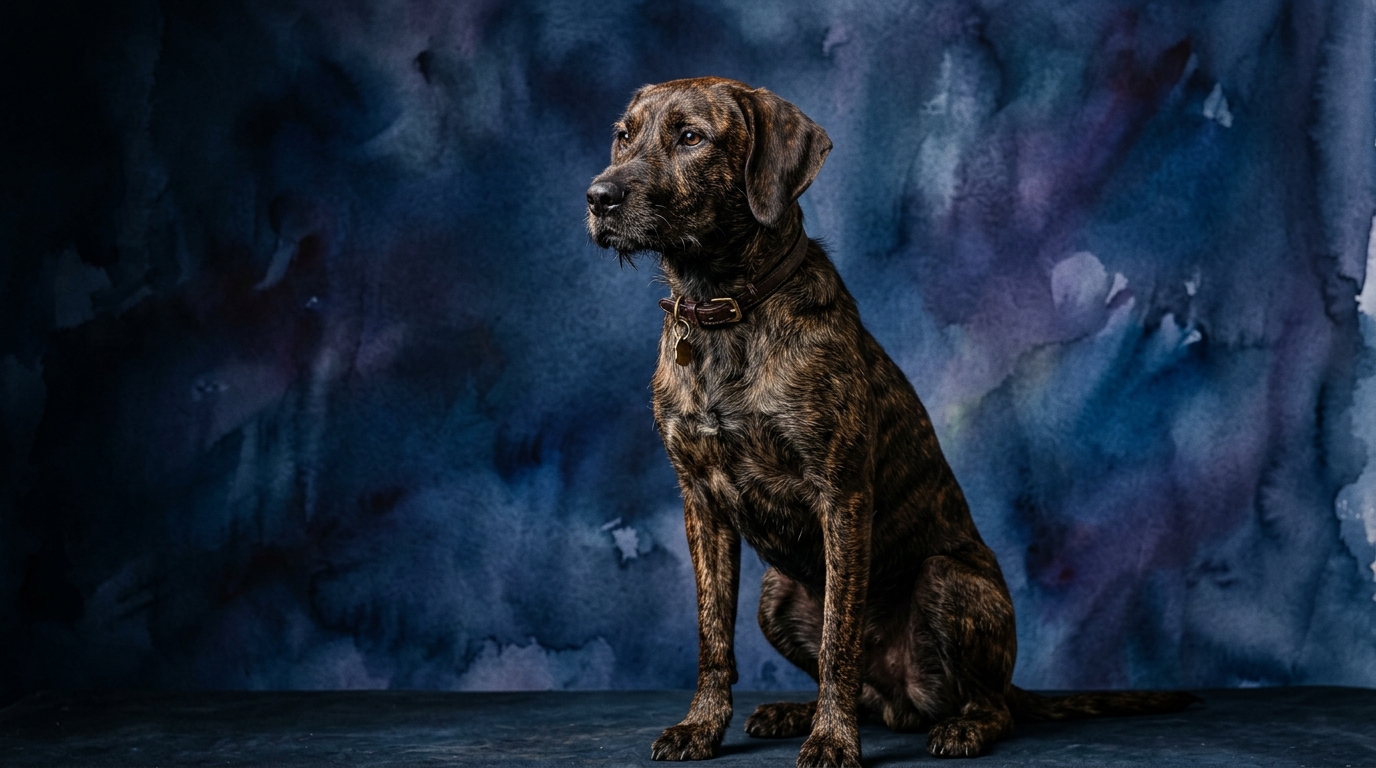
In contrast, the Plott Hound, a robust member of the Hound group and not Coren-ranked, showcases a cognitive profile rooted in its working heritage. Their Problem Solving is rated 3/5, demonstrating practical intelligence geared towards environmental navigation and task completion, particularly those involving scent. Training Speed also stands at 3/5, meaning they learn steadily but can be more deliberate, especially if their powerful nose offers competing distractions. Social Intelligence is 3/5; while they form deep bonds with their family, their primary social focus often leans towards canine pack dynamics or the pursuit of a scent, rather than intricate human social cues. Their Instinctive Drive is 3/5, but this score profoundly represents an intense, specialized drive for scent trailing and tracking, a cognitive engine that can often override other stimuli. Their Memory, at 3/5, is reliable for familiar trails and established hunting patterns, though perhaps less consistent for a wide array of abstract commands without persistent reinforcement.
Where the Pomeranian Wins Cognitively
The Pomeranian frequently outpaces the Plott Hound in several cognitive dimensions, largely due to their companion animal evolution. Their superior Problem Solving (4/5 vs 3/5) means they are generally more adept at navigating novel, abstract challenges, such as figuring out how to manipulate a puzzle toy or devising a strategy to gain access to a forbidden area. A Pomeranian's higher Training Speed (4/5 vs 3/5) translates to a quicker grasp of new commands, often requiring fewer repetitions to achieve proficiency, making them highly responsive in obedience settings. Furthermore, their elevated Social Intelligence (4/5 vs 3/5) allows them to keenly observe and react to human emotional states and body language, leading to a more nuanced and interactive companionship. This acute social awareness enables them to tailor their behaviors to elicit specific human responses, whether it's comforting a sad owner or charming a treat out of a visitor. Their Memory (4/5 vs 3/5) also provides an edge in recalling a broader range of learned behaviors and complex routines, making them adaptable to diverse training scenarios and trick learning.
Where the Plott Hound Wins Cognitively
While the Pomeranian excels in general companion intelligence, the Plott Hound's cognitive strengths lie in its highly specialized, deeply ingrained instinctive capabilities. Although both breeds score 3/5 for Instinctive Drive, the Plott Hound's manifests as an unparalleled, persistent focus on scent work and tracking. This isn't merely a physical drive; it’s a sophisticated cognitive process involving complex scent discrimination, memory for trails, and sustained problem-solving over varied terrain and conditions. Their problem-solving, while rated lower in a general context, is exceptionally powerful within their domain: the ability to follow a faint scent for miles, ignoring countless environmental distractions, showcases a specialized form of cognitive persistence and discrimination that few other breeds can match. This olfactory intelligence allows them to construct and remember mental maps based on scent, a feat of sensory processing and memory that is a true cognitive marvel. They are masters of a particular kind of "puzzle," one solved with their nose.
Training Dynamics: Which is Easier to Train and Why
When considering ease of training, the Pomeranian generally presents a more straightforward experience. Their higher Training Speed (4/5) and Social Intelligence (4/5) mean they are typically more motivated by human praise and positive reinforcement, quickly forming associations between commands and rewards. Pomeranians are eager to engage with their handlers, often seeking to please, and their smaller size makes them physically easier to manage during early training phases. They thrive on consistent, upbeat sessions and are less likely to be overwhelmed by external distractions.
In contrast, training a Plott Hound demands greater patience, consistency, and a profound understanding of their specialized instincts. Their lower Training Speed (3/5) means they may require more repetitions and a slower pace for new commands to stick. Crucially, their potent Instinctive Drive (3/5), primarily directed towards scent, can be a significant challenge. A compelling scent can instantly override any learned command, leading to the infamous "hound deaf ear." Effective Plott Hound training involves harnessing this drive, often integrating scent work into their routines, and employing high-value rewards to compete with environmental stimuli. Their independence and single-minded focus on a trail mean that while they are capable of learning, their adherence to commands is often conditional upon the absence of more powerful, instinctual lures.
Lifestyle Match: Active Owners vs. Relaxed Owners
The choice between a Pomeranian and a Plott Hound also hinges significantly on an owner's lifestyle and activity level. Pomeranians, despite their energetic bursts and love for play, have relatively moderate exercise requirements that can be met with daily walks, indoor games, and supervised outdoor time. Their social intelligence means they thrive on human companionship and are often content to be lap dogs or participate in family activities, making them suitable for more relaxed owners who can still provide consistent mental stimulation and attention. They adapt well to various living situations, including apartments, as long as their basic needs for activity and interaction are met.
Conversely, the Plott Hound is unequivocally suited for active owners. Their immense endurance and powerful instinctive drive for scent work demand substantial daily exercise and mental engagement. This isn't just a walk around the block; it's long, vigorous hikes, dedicated scent work, or participation in dog sports that satisfy their deep-seated urge to track and explore. A Plott Hound deprived of sufficient physical and mental outlets can become bored, destructive, or excessively vocal. They thrive in environments where they have ample space to roam safely and owners who are committed to integrating their natural hunting instincts into their daily routine. They are not a breed for a purely relaxed, sedentary lifestyle.
The Verdict
For owners seeking a highly responsive, socially attuned companion who thrives on interaction and learns quickly, fitting well into various home environments with moderate exercise needs, the Pomeranian is an excellent choice.
If you are an active, experienced owner who appreciates a dog with immense endurance, a profound sense of smell, and the dedication to provide consistent training and ample outdoor activity, especially scent-based work, then the Plott Hound will be a rewarding partner.
🧠 Find Your Pet's IQ Score
Our Pet IQ Lab assessment covers 25+ tests across 5 cognitive dimensions — personalized to your breed.
Take the Full IQ Test →Frequently Asked Questions
Are Pomeranians good apartment dogs?
Yes, their manageable size and moderate exercise needs make them suitable for apartment living, provided they receive daily walks and mental stimulation through indoor play and training. They thrive on human companionship and can adapt well to smaller spaces with proper care.
How much exercise does a Plott Hound need daily?
Plott Hounds require at least 60-90 minutes of vigorous exercise daily, ideally incorporating opportunities for sniffing and exploring, such as long walks, hikes, or scent work games. Their strong drive means mental stimulation is as important as physical exertion.
Do Pomeranians bark a lot?
Pomeranians can be prone to barking due to their alert nature and desire to communicate, often acting as diligent little watchdogs. Consistent training and early socialization can help manage excessive barking, channeling their social intelligence effectively to differentiate between real threats and everyday occurrences.