The Cosmic Pet Pet IQ Lab: Side-by-Side Cognitive Profiles
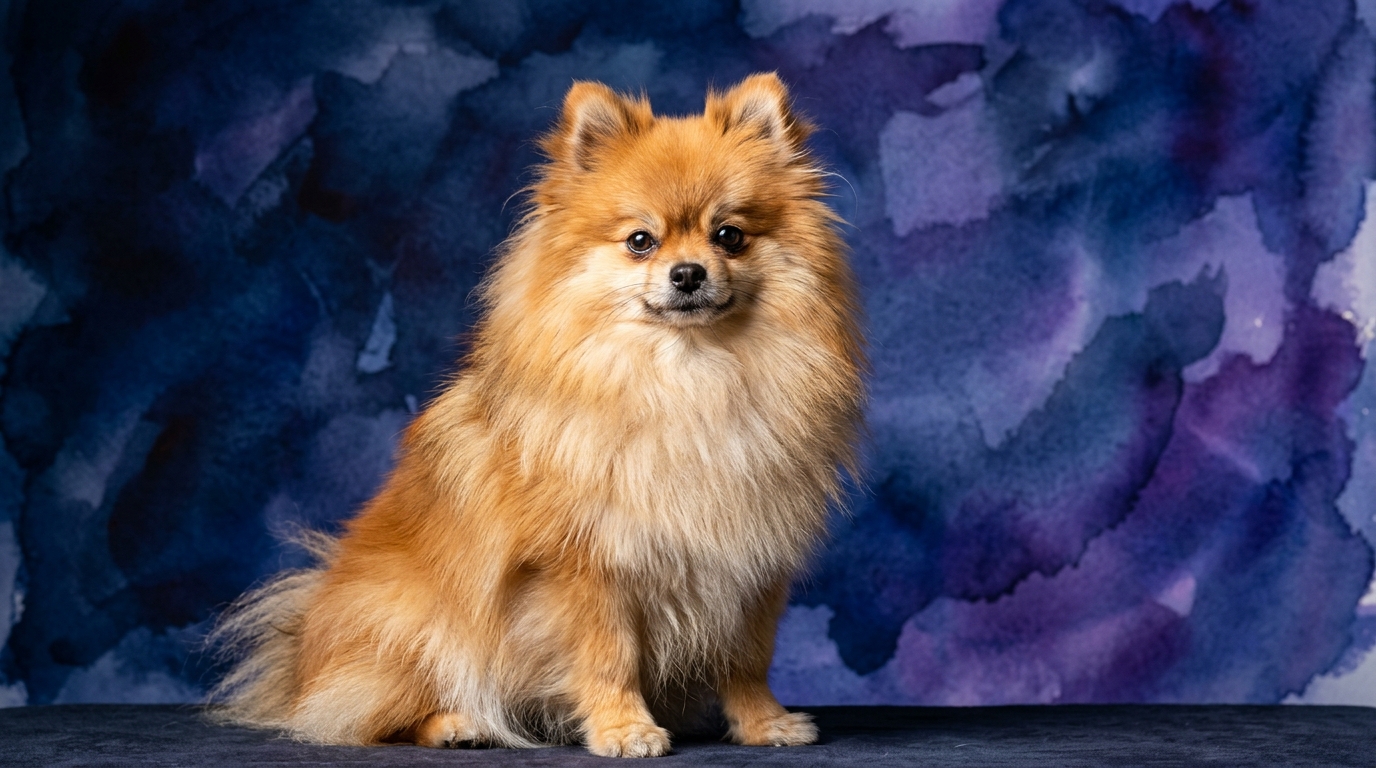
At The Cosmic Pet Pet IQ Lab, we assess canine intelligence across five key dimensions, providing a nuanced view beyond simple rankings. For the Pomeranian, a Toy group dog with a Coren rank of #23, its profile paints a picture of a quick-witted, responsive companion. Its Problem Solving score of 4/5 indicates a capacity for figuring out novel situations and puzzles, often applied to navigating complex home environments or manipulating objects to achieve goals. Training Speed, also at 4/5, highlights a rapid ability to grasp and retain commands, making them enthusiastic participants in learning new behaviors. Social Intelligence, scoring 4/5, reflects their keen perception of human emotions and cues, fostering strong, interactive bonds. An Instinctive Drive of 3/5 suggests a moderate natural inclination for typical canine behaviors like chasing or exploring, but it's generally manageable and less dominant than in working breeds. Finally, a Memory score of 4/5 means the Pomeranian reliably recalls learned commands and past experiences, contributing to their consistent performance.
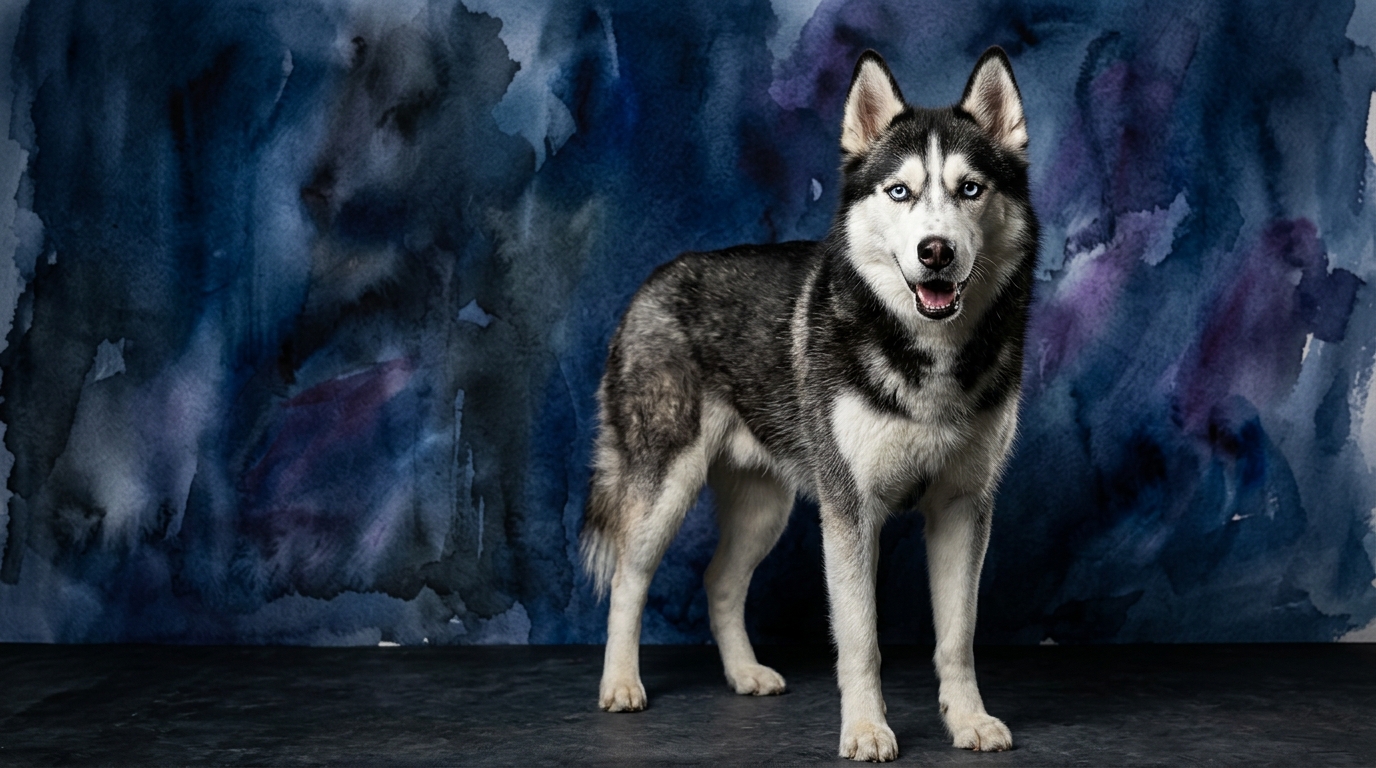
The Siberian Husky, a Working group dog with a Coren rank of #45, presents a distinct cognitive blueprint tailored for endurance and independent work. Their Problem Solving capability, rated 4/5, is substantial, often manifesting in resourcefulness, such as finding ways around obstacles or strategizing to achieve their own objectives, which can sometimes be at odds with human directives. However, their Training Speed of 2/5 is a significant differentiator; while capable of learning, Huskies often require more repetition and motivation due to their independent nature and preference for self-directed activity. Social Intelligence, at 3/5, indicates they understand human cues but tend to be less driven by a desire to please and more by their own agenda, valuing companionship on their terms. Their Instinctive Drive is a powerful 5/5, reflecting their strong innate impulses for running, pulling, exploring, and a pronounced prey drive—traits essential for their original purpose. A Memory score of 4/5 ensures they retain information effectively, whether it's the location of a hidden treat or the route back home after an adventure.
Where the Pomeranian Shines Cognitively
The Pomeranian's cognitive strengths lie in its exceptional responsiveness and adaptability to a domestic setting, making it a standout in specific intellectual applications. Their combination of a 4/5 Training Speed and 4/5 Social Intelligence means they excel in tasks requiring precise communication and a desire to engage with human directives. This manifests in their aptitude for sophisticated trick training, where they quickly link actions to verbal cues and perform with enthusiasm. They often demonstrate a nuanced understanding of household routines and human moods, using their problem-solving skills to seek attention or comfort in appropriate ways. For instance, a Pomeranian might learn to 'ask' for a walk by bringing its leash, or console a sad owner by gently nudging their hand, showcasing a blend of memory, social awareness, and learned behavior. Their cognitive agility makes them excellent candidates for canine sports like obedience or rally, where quick thinking and precision are paramount, and their smaller stature is no impediment to mental prowess.
Where the Siberian Husky Demonstrates Unique Mental Prowess
The Siberian Husky's cognitive advantages are deeply rooted in its heritage as a working sled dog, emphasizing resourcefulness, endurance, and independent decision-making. Their 5/5 Instinctive Drive fuels a relentless curiosity and a powerful drive to explore and overcome physical challenges, often requiring ingenious solutions. This breed's 4/5 Problem Solving ability is often applied to complex environmental navigation, such as finding weak spots in fences, strategizing to reach an interesting scent, or remembering intricate trail routes over long distances. Unlike breeds that primarily solve problems to please humans, Huskies frequently solve problems to satisfy their own strong drives, demonstrating a remarkable capacity for self-directed learning and persistence. Their memory, also 4/5, is particularly robust for spatial information and routines, making them adept at remembering escape routes or the layout of their territory. This cognitive independence, while sometimes perceived as stubbornness in training, is in fact a highly developed form of intelligence geared towards survival and efficiency in demanding, autonomous roles.
Training Dynamics: Responsiveness vs. Independence
When it comes to training, the core difference between these two breeds stems from their distinct approaches to human direction. The Pomeranian, with its 4/5 Training Speed and 4/5 Social Intelligence, is typically an eager and quick learner. They thrive on positive reinforcement and clear communication, often showing a keen desire to please their owners. This means they are generally receptive to new commands and house rules, and their smaller size makes them manageable even during the learning phases. Their social inclination means they often look to their human for guidance and feedback, making them highly trainable for a wide array of behaviors, from basic obedience to complex tricks.
The Siberian Husky, conversely, presents a more significant training challenge due to its 2/5 Training Speed and powerful 5/5 Instinctive Drive. While intelligent (Problem Solving 4/5, Memory 4/5), their independence means they often weigh commands against their own strong desires. A Husky might understand a command perfectly but choose not to comply if it conflicts with their urge to chase a squirrel or explore a scent. This requires an owner to be exceptionally patient, consistent, and creative in their training methods, often needing to make training feel like a game or a self-beneficial activity for the dog. Their inherent drive to run and pull means leash training is crucial and requires significant effort, as their instincts often override learned restraint. Training a Husky is less about 'teaching' and more about 'negotiating' and channeling their powerful natural inclinations into acceptable behaviors through consistent, high-value motivation.
Matching Canine Companions to Lifestyles
Choosing between a Pomeranian and a Siberian Husky involves a careful assessment of an owner's lifestyle and expectations for a canine companion. For those seeking a highly interactive, responsive, and adaptable pet that integrates seamlessly into a more relaxed or urban environment, the Pomeranian is an excellent fit. Their cognitive profile, marked by high social intelligence and training speed, makes them ideal for owners who enjoy teaching tricks, participating in low-impact canine sports, or simply desiring a companion keenly attuned to their emotional state and daily routines. They thrive on companionship and enjoy being the center of attention, making them suitable for individuals or families who can provide consistent interaction and mental engagement within a home setting. Their moderate instinctive drive means their exercise needs are generally met with regular walks and indoor play, without requiring extreme physical output.
The Siberian Husky, with its profound instinctive drive and independent problem-solving, is best suited for active owners who embrace an outdoor-oriented lifestyle and understand the demands of a working breed. These dogs require substantial physical activity, such as long runs, hikes, or even participation in dog sports like canicross or skijoring, to satisfy their innate need to move and explore. Their cognitive independence means they thrive with owners who appreciate a dog with its own strong personality and are prepared for the commitment of consistent, engaging training that channels their drives constructively. They are not dogs that will be content with a sedentary lifestyle; their mental and physical well-being depends on having outlets for their powerful urges and clever problem-solving minds. Owners who value an adventurous, resilient, and somewhat self-sufficient companion will find a profound connection with a Siberian Husky.
The Verdict
Choose a Pomeranian if you seek a highly responsive, socially intelligent companion eager to learn and adapt to a domestic, interactive lifestyle, thriving on close companionship and mental engagement within the home.
Opt for a Siberian Husky if you lead an active, outdoor-centric life and are prepared to channel a powerful instinctive drive and independent problem-solving into constructive activities, appreciating a resilient and adventurous companion.
🧠 Find Your Pet's IQ Score
Our Pet IQ Lab assessment covers 25+ tests across 5 cognitive dimensions — personalized to your breed.
Take the Full IQ Test →Frequently Asked Questions
Do Pomeranians truly enjoy learning complex tricks?
Yes, Pomeranians, with their 4/5 Training Speed and 4/5 Social Intelligence, often genuinely enjoy learning complex tricks. Their responsiveness and desire for interaction make them enthusiastic participants in mental challenges that involve their human companions.
Is a Siberian Husky's independent nature a sign of lower intelligence?
Absolutely not. A Siberian Husky's independent nature is a hallmark of their highly developed problem-solving (4/5) and instinctive drive (5/5), honed for autonomous decision-making in demanding working conditions. It signifies a different application of intelligence, rather than a lack thereof.
Which breed is better for first-time dog owners?
For most first-time dog owners, a Pomeranian is generally easier to manage due to its higher training speed and social intelligence, making it more responsive to guidance. A Siberian Husky's significant exercise needs and independent training challenges often require more experienced handling.