Side-by-Side IQ Profile: Pomeranian vs. Tibetan Terrier
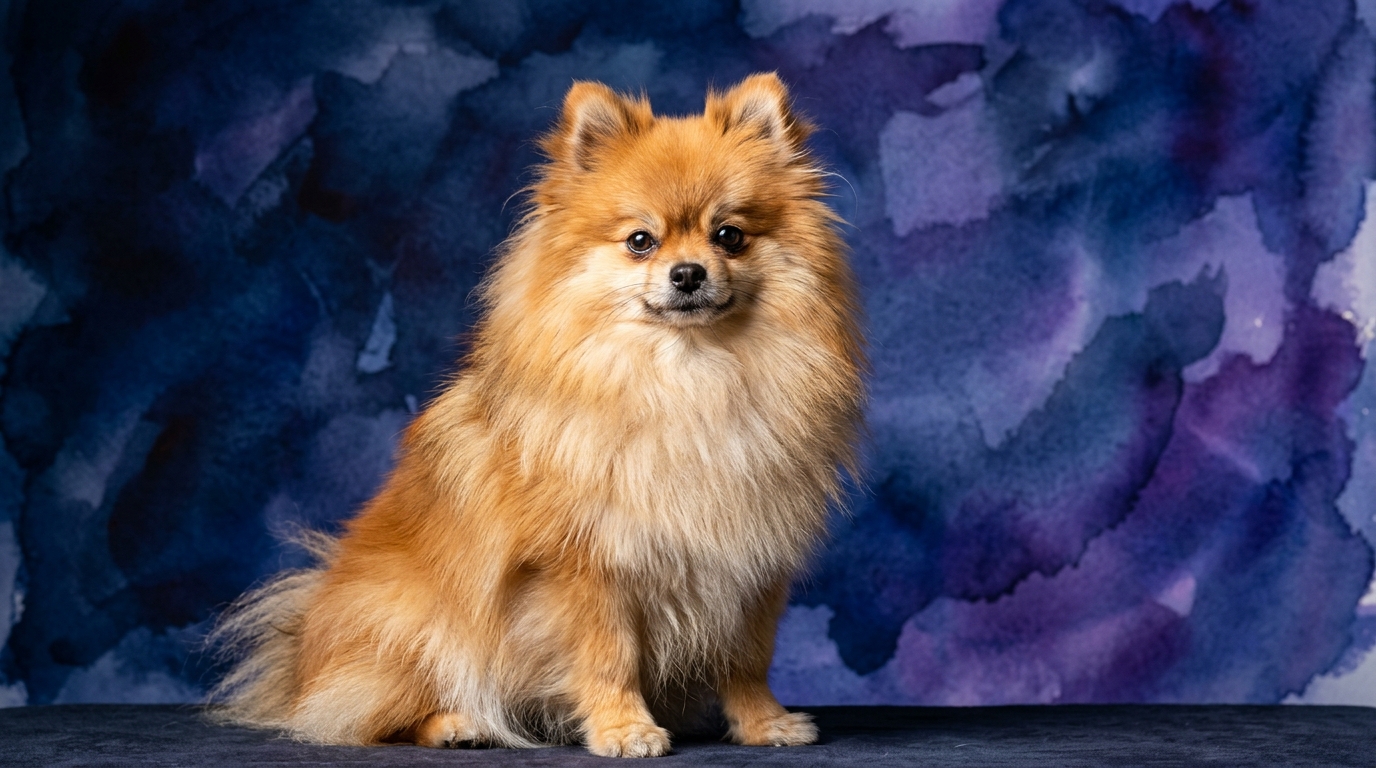
The Pomeranian, a Toy breed, consistently ranks higher in cognitive assessments, securing a Coren rank of #23. Its cognitive profile is marked by a strong aptitude for learning and interaction. Specifically, Pomeranians achieve a Problem Solving score of 4/5, indicating a sharp ability to navigate novel situations and figure out solutions. Their Training Speed is also impressive at 4/5, suggesting they quickly grasp new commands and routines. Social Intelligence, at 4/5, points to a keen understanding of human cues and a desire for engagement. Instinctive Drive is a moderate 3/5, while Memory stands strong at 4/5, enabling them to retain learned behaviors and experiences over time.
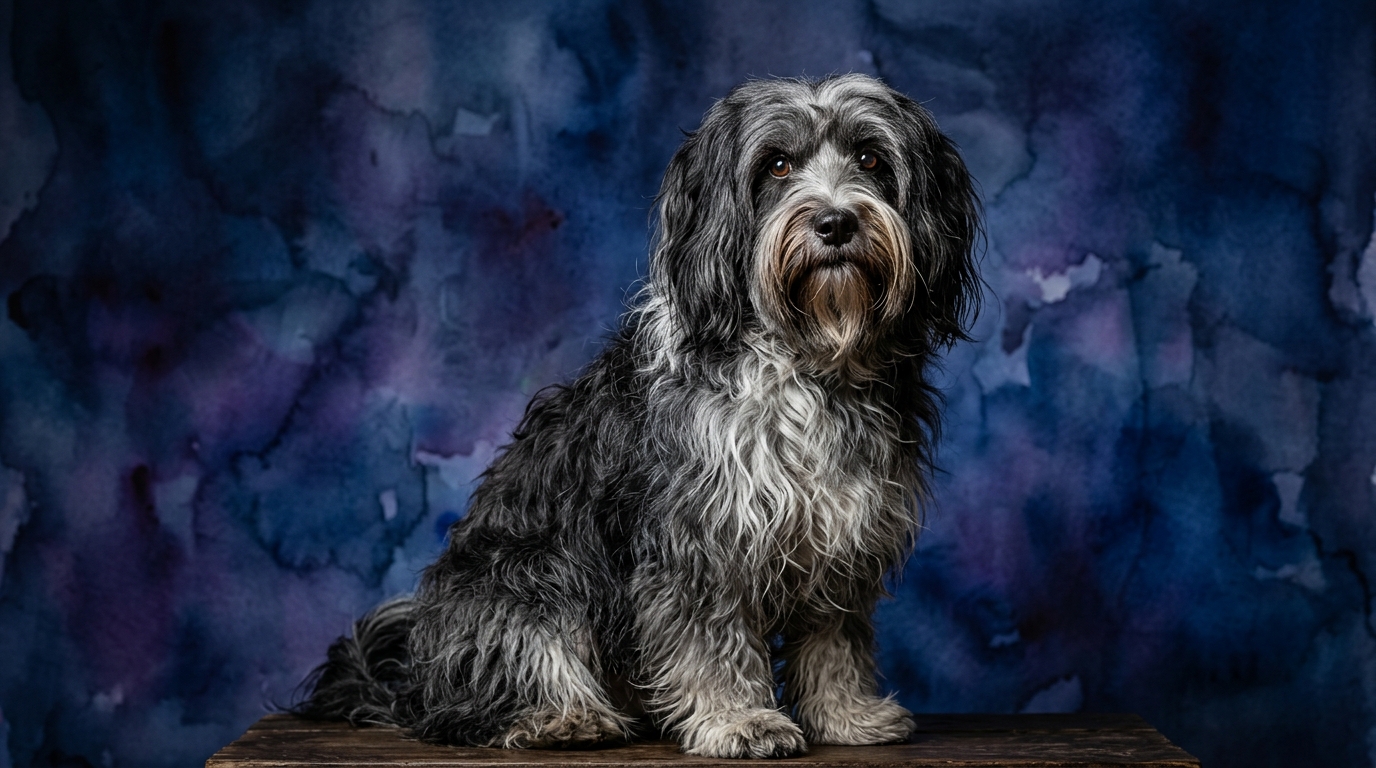
In contrast, the Tibetan Terrier, a Non-Sporting breed, holds a Coren rank of #63, reflecting a more moderate and balanced cognitive approach. This breed demonstrates consistent scores across all five dimensions. Their Problem Solving ability is rated 3/5, indicating a methodical, rather than instantaneous, approach to challenges. Training Speed is also 3/5, meaning they require consistent, patient instruction to master new skills. Social Intelligence scores 3/5, suggesting they form strong bonds but may not always seek the intense social interaction of some other breeds. Instinctive Drive is a balanced 3/5, similar to the Pomeranian, and their Memory also registers at 3/5, providing a reliable foundation for recall but perhaps less rapid retention than their smaller counterpart. This balanced profile suggests a dog that is capable and steady, rather than overtly flashy in its cognitive displays.
Where the Pomeranian Excels Cognitively
The Pomeranian's cognitive strengths are evident in its superior Problem Solving (4/5) and Training Speed (4/5). These higher ratings translate into a dog that often anticipates its owner's intentions or quickly figures out how to access a coveted toy or treat, sometimes even outsmarting complex puzzle feeders with surprising efficiency. Owners frequently report Pomeranians quickly mastering intricate trick sequences or understanding multi-step commands, showcasing their sharp mental agility and desire to engage in mentally stimulating activities.
Furthermore, their 4/5 Social Intelligence makes them exceptionally attuned to human emotions and social dynamics. A Pomeranian can often read a room, adjusting its behavior to suit the mood, or offering comfort with a gentle nudge when sensing distress. Coupled with a 4/5 Memory, these dogs can recall specific interactions and learn from past experiences, making them highly adaptable companions in various social settings and quick to form strong, lasting associations with their family members.
Where the Tibetan Terrier Shines Cognitively
While the Pomeranian excels in rapid cognitive processing, the Tibetan Terrier's consistent 3/5 rating across most intellectual dimensions points to a balanced and enduring cognitive profile particularly suited for resilience and independent thought. Their moderate Problem Solving and Instinctive Drive, for instance, means they are less likely to be overwhelmed by complex environmental changes, instead relying on a steady, tenacious approach to challenges rather than immediate flashes of insight. This makes them reliable in tasks requiring sustained effort and focus, rather than quick-fire solutions.
This breed's stable Social Intelligence and Memory, both rated 3/5, suggest a steadfast loyalty and a capacity for forming deep, consistent bonds without the intense need for constant validation or novel social interactions that might characterize a breed with higher social scores. A Tibetan Terrier's cognitive strengths lie in its enduring spirit and its ability to operate effectively and contentedly within its established routines and relationships, making it a reliable and self-sufficient companion who appreciates a predictable environment and consistent companionship.
Which is Easier to Train and Why?
Based on their respective Training Speed scores, the Pomeranian (4/5) is generally easier and faster to train than the Tibetan Terrier (3/5). A Pomeranian's higher training speed means it typically picks up new commands and cues with fewer repetitions, often demonstrating an eager-to-please attitude that fuels their learning. Their quick retention, supported by a 4/5 Memory, allows them to build a robust repertoire of behaviors rapidly, making activities like obedience training or learning new tricks a relatively swift and rewarding process.
The Tibetan Terrier, while certainly trainable, requires more patience and consistency due to its 3/5 Training Speed. They are not as quick to absorb new information and may possess an independent streak that means they need compelling reasons to comply. Owners should anticipate more repetition and a firm yet gentle approach to training, focusing on positive reinforcement to build a strong foundation. Their moderate memory ensures that once a behavior is learned, it is retained, but the initial acquisition phase will likely be a more gradual journey compared to the Pomeranian.
Suitability for Active vs. Relaxed Owners
The Pomeranian, with its high social intelligence and quick learning capacity, often thrives with active owners who enjoy engaging in mental games, trick training, and regular social outings. Their desire for interaction and ability to quickly adapt to new situations makes them excellent companions for owners who want a dog to be an integral, interactive part of their daily adventures, whether it's navigating city streets or learning complex obedience routines. They appreciate consistent mental stimulation to prevent boredom.
The Tibetan Terrier, by contrast, with its balanced cognitive profile and moderate drive, can suit a wider range of lifestyles, including those of more relaxed owners, provided their need for regular exercise is met. While they enjoy activity, their steady problem-solving and social intelligence suggest they are content with established routines and less prone to demanding constant novelty. They are well-suited for owners who appreciate a steadfast, independent companion that enjoys comfortable companionship and a predictable environment, without requiring constant, intense mental engagement from their human counterparts.
FAQs
The Verdict
Choose a Pomeranian if you seek a highly interactive, quick-to-learn companion eager for mental challenges and social engagement. Their sharp wit and adaptability make them ideal for owners who enjoy consistent training and active participation in their dog's cognitive development.
Opt for a Tibetan Terrier if you value a balanced, steadfast, and moderately independent companion who forms deep bonds and thrives on consistent routines. They are perfect for owners seeking a reliable presence who appreciate a dog with a thoughtful, tenacious approach to life.
🧠 Find Your Pet's IQ Score
Our Pet IQ Lab assessment covers 25+ tests across 5 cognitive dimensions — personalized to your breed.
Take the Full IQ Test →Frequently Asked Questions
Do Pomeranians and Tibetan Terriers have similar instinctive drives?
Both breeds score a 3/5 in Instinctive Drive, suggesting they possess a moderate level of innate behavioral patterns for tasks like herding or guarding. This means neither breed is overtly driven by strong primal instincts, making them adaptable to domestic life, though individual personalities can vary.
Which breed is better for first-time dog owners based on intelligence?
For first-time owners, the Pomeranian's higher Training Speed and Social Intelligence might make the initial training process feel more rewarding and less challenging. However, a Tibetan Terrier's consistent and balanced nature, while requiring more patience in training, can also be a good fit for owners committed to consistent methods.
How does memory differ between these two breeds?
The Pomeranian has a Memory score of 4/5, indicating a strong capacity for recalling past experiences and learned behaviors, contributing to their quick learning. The Tibetan Terrier's 3/5 Memory score means they reliably retain information, but may take slightly longer to commit new details to long-term memory compared to the Pomeranian.