Pomeranian vs. Toy Poodle: An IQ Lab Profile
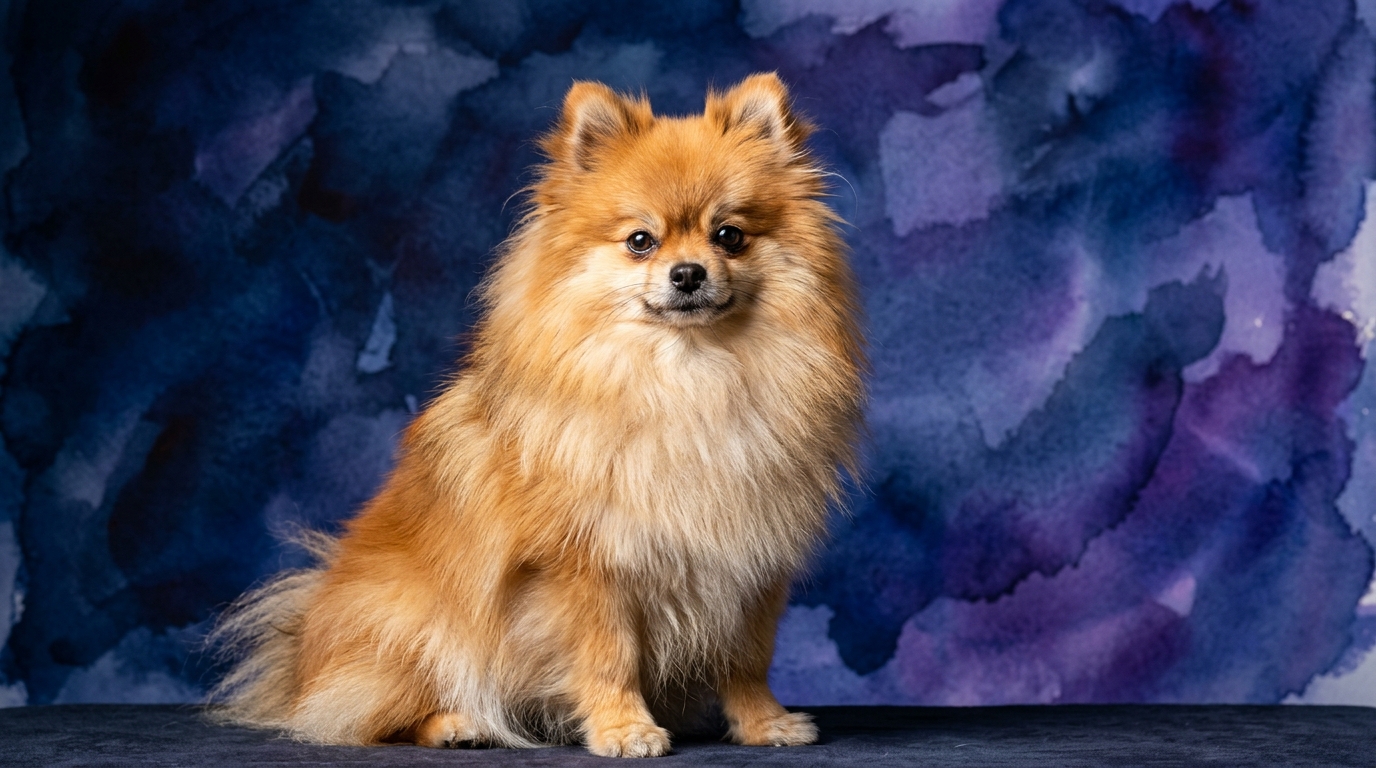
Our Cosmic Pet Pet IQ Lab delves beyond superficial observations, providing a granular look at canine cognitive dimensions. The Pomeranian, holding a respectable Coren rank of #23, presents a well-rounded cognitive profile. Its problem-solving ability scores 4/5, indicating a resourceful mind capable of navigating challenges effectively. Training speed is also rated 4/5, suggesting a breed that learns new commands readily and responds well to consistent guidance. Where the Pomeranian truly shines is in social intelligence, earning a 4/5; these dogs are adept at reading human cues and forming deep, intuitive bonds. Instictive drive is a moderate 3/5, manifesting as a balanced level of innate behaviors, while memory stands strong at 4/5, ensuring learned behaviors are retained with good fidelity.
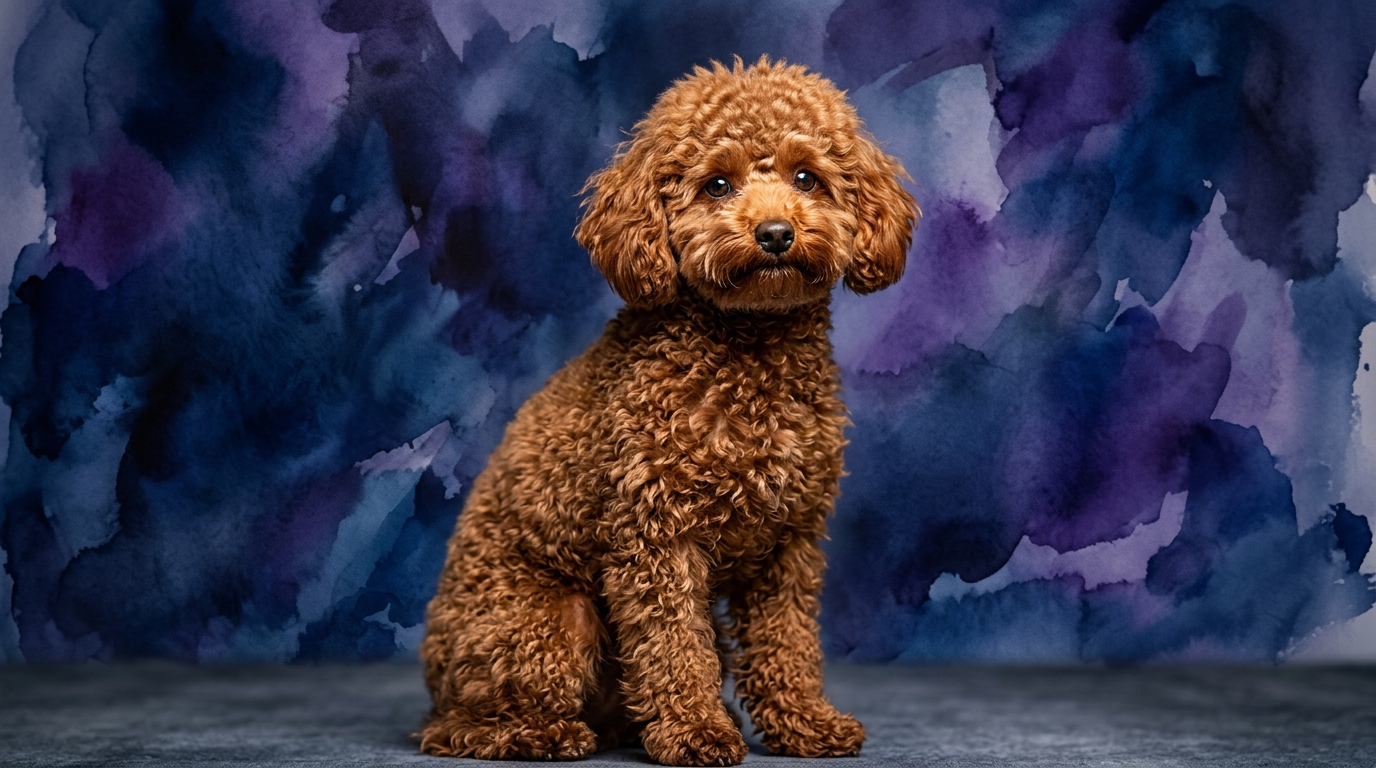
In contrast, the Toy Poodle, with an impressive Coren rank of #2, showcases a cognitive powerhouse profile. Its problem-solving ability is exceptional, rated at a perfect 5/5, reflecting a highly analytical mind that quickly grasps complex situations. Training speed mirrors this excellence with a 5/5, meaning new commands are absorbed with remarkable swiftness and precision. Social intelligence, however, is a more independent 3/5, indicating a breed that might be less overtly people-focused than some, preferring a more discerning approach to interactions. Instictive drive is a balanced 3/5, similar to the Pomeranian, while memory is outstanding, scoring a 5/5, signifying a profound capacity for recall and retention of vast amounts of information.
Where the Pomeranian Wins Cognitively
The Pomeranian's primary cognitive advantage lies in its superior social intelligence, scoring 4/5 compared to the Toy Poodle's 3/5. This higher social acumen translates into a dog that is often more attuned to the nuances of human emotion and social dynamics. Pomeranians excel at reading body language, picking up on subtle shifts in mood, and adjusting their behavior accordingly. They are particularly skilled at using their charm and engaging nature to elicit specific responses from their owners, whether it's comforting a sad individual or initiating playful interaction. This makes them exceptionally intuitive companions, often seeming to anticipate their human's needs or desires with an almost uncanny perception.
This social dexterity means a Pomeranian often forms incredibly strong, emotionally reciprocal bonds. They are not merely following commands; they are actively participating in the social fabric of the household, often seeking out interaction and thriving on shared experiences. While the Toy Poodle might process commands faster, the Pomeranian's cognitive strength allows it to navigate the complexities of human-canine relationships with greater finesse, making them masters of endearing social engagement.
Where the Toy Poodle Wins Cognitively
The Toy Poodle’s cognitive strengths are evident across several dimensions, particularly in problem-solving, training speed, and memory, where it consistently outranks the Pomeranian. With a perfect 5/5 in problem-solving, the Toy Poodle demonstrates an exceptional ability to analyze novel situations, devise strategies, and execute solutions. This isn't just about figuring out a puzzle toy; it extends to understanding complex sequences of events and adapting learned behaviors to new contexts, often surprising owners with their ingenuity in navigating challenges.
Furthermore, the Toy Poodle’s 5/5 training speed and 5/5 memory combine to create a canine that absorbs and retains information with remarkable efficiency. They require fewer repetitions to master new commands, can learn intricate multi-step routines, and retain these lessons over extended periods. This cognitive prowess allows them to excel in advanced obedience, agility, and trick training, where their analytical minds and outstanding recall capacity truly shine. They process information at a rapid pace, making them exceptionally quick studies in almost any learning scenario.
Training Ease: Unpacking Behavioral Differences
When it comes to ease of training, both breeds are capable learners, but their cognitive profiles lead to distinct experiences. The Toy Poodle, with its 5/5 training speed and 5/5 memory, is often perceived as easier to train in terms of raw command acquisition and retention. Their analytical minds allow them to quickly understand the connection between a cue, an action, and a reward, leading to rapid learning and fewer repetitions needed to solidify a behavior. This makes them ideal candidates for complex tasks, chaining commands, and competitive dog sports where precision and speed are paramount.
The Pomeranian, scoring a strong 4/5 in both training speed and memory, is by no means a slow learner. They respond very well to positive reinforcement and consistent methods, enjoying the interactive aspect of training. Their slightly higher social intelligence means they often train with an eagerness to engage with and please their owner, which can make them highly cooperative. While they might require a few more repetitions than a Toy Poodle to master a complex command, their willingness to participate and connect socially makes the training process a rewarding bonding experience.
The key difference lies not in willingness but in cognitive processing speed and retention capacity for abstract or multi-step tasks. A Toy Poodle might grasp a new concept almost instantaneously, requiring minimal review, whereas a Pomeranian will learn it reliably but may benefit from a more structured and playful approach to ensure long-term retention, particularly for advanced sequences. Both are trainable, but the Poodle’s cognitive machinery is simply built for faster, more complex information processing.
Matching Breeds to Lifestyles: Active vs. Relaxed Owners
The distinct cognitive profiles of the Pomeranian and Toy Poodle make them suitable for different owner lifestyles. For active owners who thrive on engaging their canine companions in structured activities, the Toy Poodle is an exceptional match. Their superior problem-solving, rapid training speed, and outstanding memory mean they excel in dog sports like agility, obedience trials, and advanced trick training. They require consistent mental stimulation and challenges to prevent boredom, making them ideal partners for owners who enjoy teaching new things and participating in canine activities. An active owner can fully tap into the Poodle's profound cognitive capabilities.
Conversely, the Pomeranian often aligns better with more relaxed owners who prioritize companionship, social interaction, and affectionate engagement. While Poms enjoy playtime and mental enrichment, their cognitive strengths lean more towards social finesse and building strong emotional bonds. A relaxed owner who provides consistent, positive reinforcement for basic manners, enjoys interactive play, and offers abundant affection will find a Pomeranian to be a content and responsive companion. Their moderate drive and emphasis on social connection make them highly adaptable to a more routine, affection-rich home environment, though they still benefit from daily walks and engaging toys to keep their minds sharp.
The Verdict
Choose the Pomeranian if your priority is a deeply socially attuned companion who thrives on close interaction, reads your moods, and responds exceptionally well to affectionate, consistent training.
Choose the Toy Poodle if you seek a canine partner capable of mastering complex tasks, excelling in dog sports, and engaging in sophisticated problem-solving, and you are prepared to provide ample mental stimulation.
🧠 Find Your Pet's IQ Score
Our Pet IQ Lab assessment covers 25+ tests across 5 cognitive dimensions — personalized to your breed.
Take the Full IQ Test →Frequently Asked Questions
Do Pomeranians and Toy Poodles require different types of mental stimulation?
Yes, Pomeranians benefit from interactive games that involve their owners and reinforce social bonds, alongside puzzle toys that offer moderate challenge. Toy Poodles, with their superior problem-solving, thrive on more complex puzzles, learning advanced tricks, and structured training sessions that challenge their analytical minds.
How does a Toy Poodle's social intelligence score of 3/5 impact their personality compared to a Pomeranian's 4/5?
A Toy Poodle's 3/5 social intelligence suggests they might be more reserved or independent, potentially less driven by a constant need to please or read subtle human cues than a Pomeranian. Pomeranians, scoring 4/5, are often more overtly expressive, seeking social engagement and using their charming nature to interact with their human companions.
Is the Coren rank a definitive measure of a breed's overall intelligence?
The Coren rank primarily assesses 'working and obedience intelligence,' focusing on how quickly a dog learns and obeys commands. While a strong indicator of trainability, it doesn't fully encompass all aspects of cognitive function, such as problem-solving in novel situations or nuanced social understanding, which our IQ lab scores detail more broadly.