Side-by-Side IQ Profile: Pomeranian vs. Vizsla
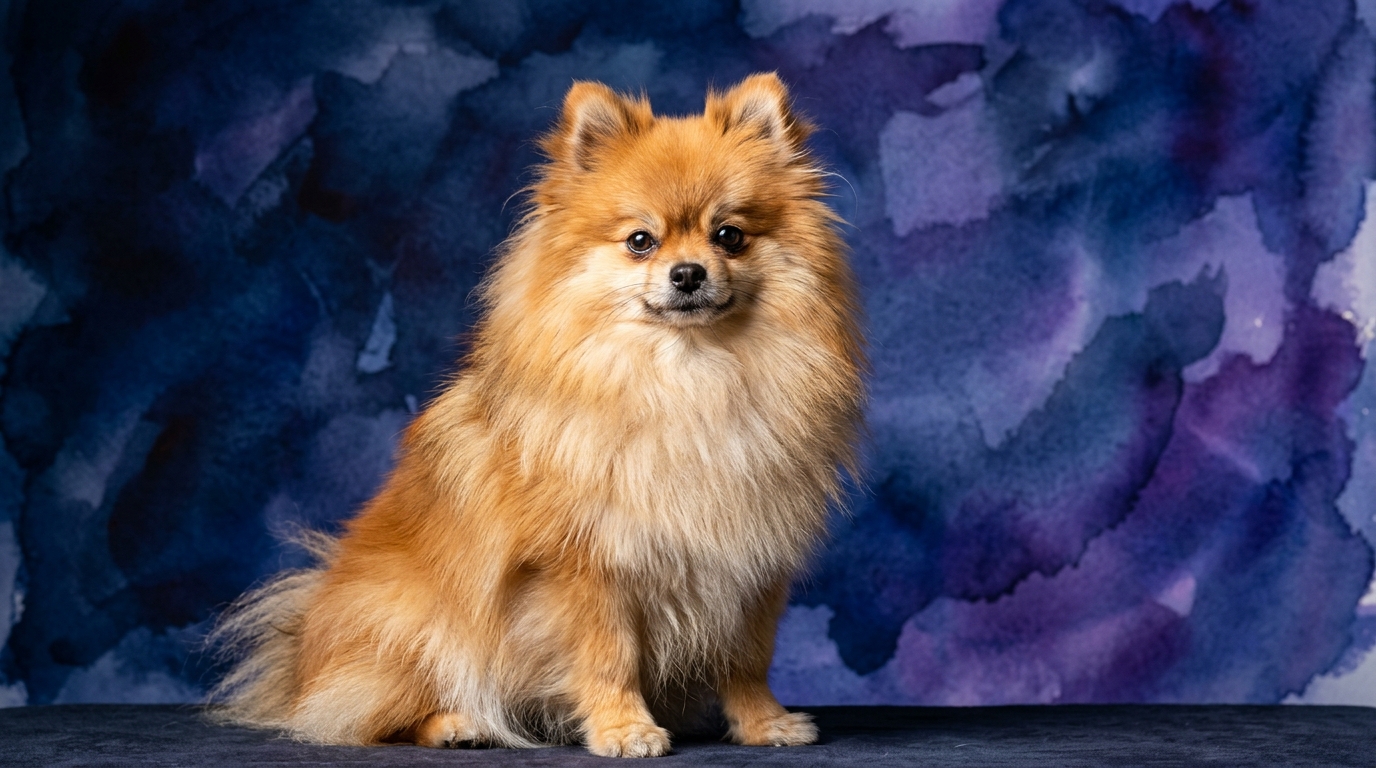
At The Cosmic Pet Pet IQ Lab, we analyze canine intelligence across five critical dimensions to offer a nuanced understanding of each breed's cognitive architecture. For the Pomeranian, a Toy group dog with a Coren ranking of #23, its profile paints a picture of a clever, adaptable companion. Its Problem Solving is rated 4/5, indicating an aptitude for figuring out domestic puzzles, such as manipulating latches or understanding object permanence in a home environment. Training Speed also stands at 4/5, meaning Pomeranians typically grasp new commands and routines with relative swiftness, often eager to engage in learning sessions. Social Intelligence scores 4/5, reflecting their ability to read human emotions and cues effectively, fostering strong interpersonal bonds. Their Instinctive Drive is 3/5, suggesting a moderate internal motivation for tasks like chasing or guarding, less intense than breeds bred for specific work. Finally, Memory is 4/5, allowing them to retain learned behaviors and associations over time, making consistent training impactful.
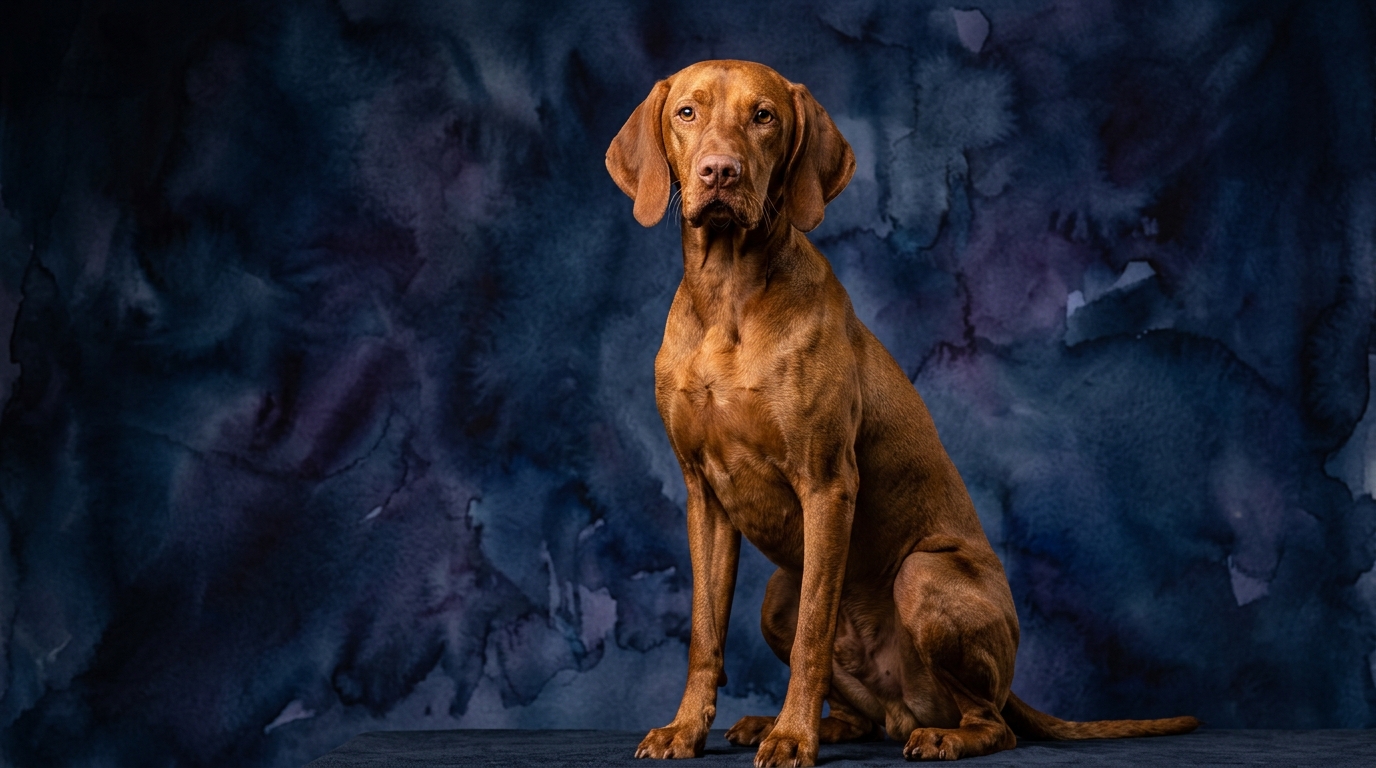
The Vizsla, a Sporting group dog with a Coren ranking of #31, showcases a cognitive design optimized for partnership and purpose. Its Problem Solving is also 4/5, but this often manifests in strategic thinking during fieldwork, like navigating complex terrain or locating hidden objects, rather than purely domestic challenges. Training Speed matches the Pomeranian at 4/5, signifying their capacity for rapid learning, especially when tasks align with their inherent drives. Where the Vizsla truly shines is in Social Intelligence, scoring an exceptional 5/5, demonstrating an extraordinary capacity to attune to human companions, anticipating needs and reacting empathetically. Their Instinctive Drive is a powerful 5/5, reflecting their profound motivation for hunting, retrieving, and working alongside humans, driven by strong natural instincts. Memory is 4/5, allowing them to recall vast amounts of information pertinent to their working roles, such as scent trails or complex command sequences.
Where the Pomeranian Excels Cognitively
The Pomeranian's cognitive strengths are particularly evident in its adaptability to a companion role and its responsiveness to obedience training within a household setting. While both breeds share a 4/5 score in Problem Solving, the Pomeranian's application often leans towards navigating its immediate, human-centric world. They frequently demonstrate ingenuity in getting what they want from their owners, whether it's by strategically dropping a toy for attention or figuring out how to access a favorite spot. Their Coren ranking of #23, which measures working and obedience intelligence, places them higher than the Vizsla, indicating they generally require fewer repetitions to learn new commands and obey them more consistently on the first try. This particular metric suggests a pronounced readiness to comply with human directives in a structured training context, making them particularly receptive to a wide range of domestic commands and tricks. This isn't about raw intellectual capacity being superior, but rather their specific cognitive wiring making them exceptionally amenable to human-led instruction for general obedience.
Where the Vizsla Holds a Cognitive Advantage
The Vizsla's cognitive profile reveals a breed exceptionally tuned for deep partnership and purpose-driven work. Their standout 5/5 score in Social Intelligence means they possess an unparalleled ability to read and respond to human emotions and intentions. This translates into an almost symbiotic relationship with their owners, where they often seem to anticipate commands or moods, making them incredibly intuitive partners. This social acumen is not just about affection; it's a profound cognitive skill that facilitates complex communication and cooperation. Coupled with an Instinctive Drive of 5/5, Vizslas possess an intrinsic motivation that fuels their learning and performance. This isn't merely a desire to please; it's a powerful urge to engage in specific activities like tracking, pointing, or retrieving. This high drive, when channeled appropriately, makes them exceptionally focused and tireless in tasks that resonate with their natural predispositions, allowing them to apply their problem-solving skills in dynamic, often challenging outdoor environments with remarkable efficiency and enthusiasm.
Trainability: Nuances Beyond Speed
Both Pomeranians and Vizslas share an impressive Training Speed score of 4/5, indicating that both breeds are generally quick to pick up new commands. However, the ease of training in practice diverges due to their differing instinctive drives and social intelligence applications. The Pomeranian, with its higher Coren rank and moderate instinctive drive (3/5), often presents a more straightforward training experience for novice owners. Their primary motivation often stems from a desire for human interaction and positive reinforcement, without the intense, often independent, drive of a working breed. This means they are typically less prone to being distracted by strong environmental stimuli if their focus is on their handler.
Conversely, the Vizsla's exceptional Social Intelligence (5/5) makes them highly attuned to their trainer's every nuance, which can be a tremendous asset for experienced handlers. However, their powerful Instinctive Drive (5/5) means that while they learn quickly, their training requires consistent, stimulating methods that channel this innate energy. Without appropriate outlets for their drive, Vizslas can become easily distracted by scents or movement, potentially making them more challenging to manage for those unfamiliar with harnessing a working breed's motivations. Therefore, while both learn fast, the Pomeranian might be perceived as 'easier' for general obedience due to fewer competing drives, whereas the Vizsla's training is profoundly rewarding when their specific cognitive and physical needs are met with structured, purpose-driven activities.
Matching Breeds to Lifestyles: Active vs. Relaxed Owners
The distinct cognitive and physical profiles of the Pomeranian and Vizsla mean they thrive in very different household dynamics. For the more relaxed owner, or one living in a smaller space, the Pomeranian presents an excellent fit. While they certainly benefit from mental stimulation through puzzle toys and short training sessions that leverage their problem-solving and training speed, their physical exercise requirements are moderate. They are content with indoor play and shorter walks, making them suitable companions for individuals or families who prefer a less strenuous daily routine but still appreciate an engaged, responsive pet. Their social intelligence ensures they remain connected and communicative within a relaxed home setting.
In stark contrast, the Vizsla is unequivocally suited for highly active owners. Their powerful instinctive drive and exceptional social intelligence demand a lifestyle rich in physical activity, mental challenges, and consistent companionship. These dogs are not just content with walks; they require significant daily exercise, such as running, hiking, swimming, or engaging in dog sports like agility, field trials, or scent work. An owner who can provide these outlets will find a Vizsla to be an incredibly dedicated, joyful, and well-adjusted partner. Their strong drive and need for purpose mean that relaxed or sedentary owners would likely struggle to meet their cognitive and physical demands, potentially leading to boredom and undesirable behaviors.
The Verdict
Choose a Pomeranian if you seek a quick-witted, adaptable companion for a moderately active lifestyle, valuing strong domestic obedience and a communicative presence.
Opt for a Vizsla if you are an active individual or family seeking a deeply intuitive, driven partner for adventure and purpose, capable of forming an extraordinary bond through shared activity.
🧠 Find Your Pet's IQ Score
Our Pet IQ Lab assessment covers 25+ tests across 5 cognitive dimensions — personalized to your breed.
Take the Full IQ Test →Frequently Asked Questions
Do Pomeranians or Vizslas learn tricks faster?
Both breeds share a Training Speed score of 4/5, indicating they learn new tricks at a comparable pace. The primary difference lies in motivation: Pomeranians often learn for attention, while Vizslas might excel at tricks that engage their natural drives, like retrieving.
Which breed is more likely to develop separation anxiety based on their social intelligence?
While both breeds form strong bonds, the Vizsla's exceptional 5/5 Social Intelligence means they are profoundly attuned to their human companions and can be more prone to separation distress if left alone for extended periods. Their need for constant connection is very high.
How does instinctive drive affect daily life for these breeds?
For a Pomeranian (Instinctive Drive 3/5), it means they have some natural urges like chasing, but these are generally manageable and not overwhelming. For a Vizsla (Instinctive Drive 5/5), this translates to a persistent need for purposeful activity such as hunting, retrieving, or scent work, which must be consistently met to ensure their well-being and prevent boredom.