Side-by-Side IQ Profile: Pomeranian vs. Yorkshire Terrier
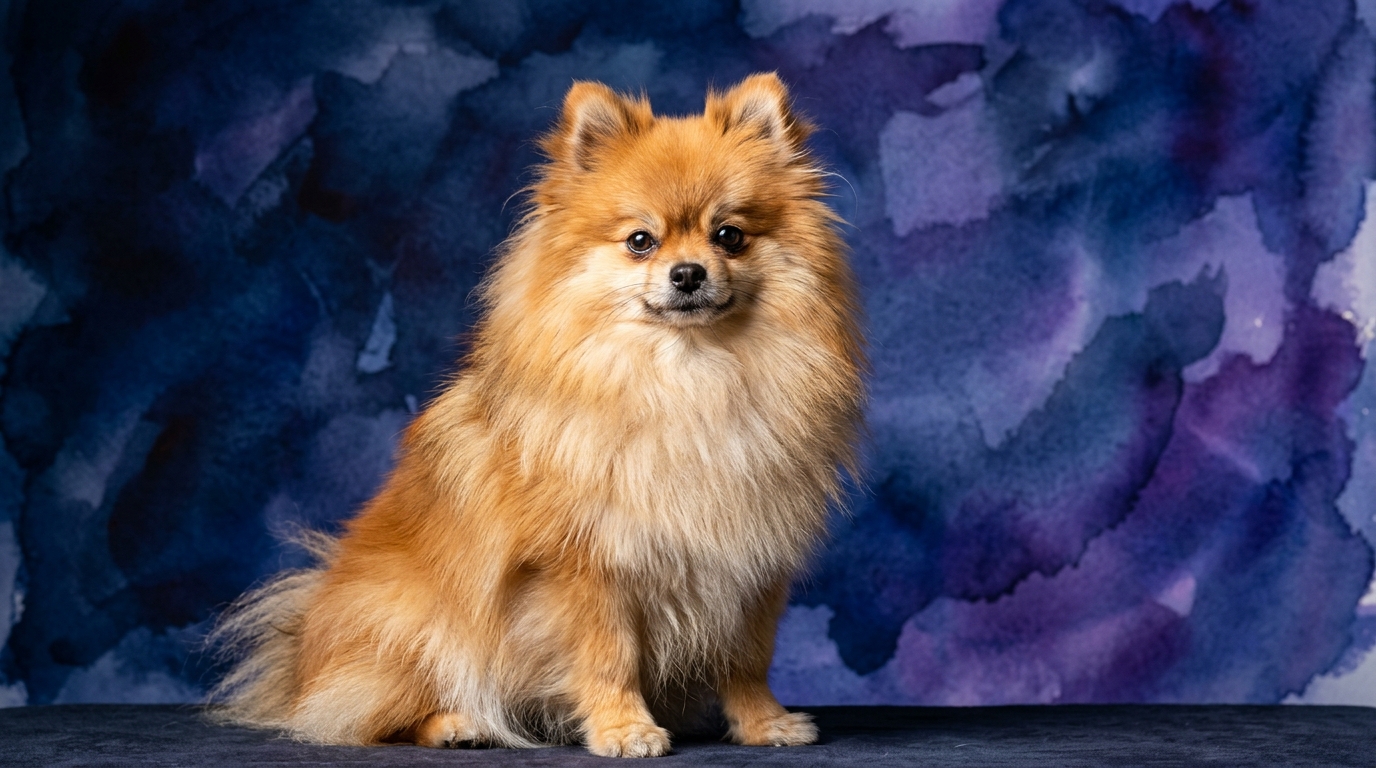
**Pomeranian (Coren rank #23):** This breed’s cognitive profile points to a bright and adaptable companion. Their **Problem Solving (4/5)** score indicates a strong aptitude for navigating novel situations and figuring out how to achieve desired outcomes, like opening a treat puzzle or finding a hidden toy. They often demonstrate resourcefulness in their environment. With a **Training Speed (4/5)**, Pomeranians typically pick up new commands and routines with impressive quickness, responding well to consistent, positive reinforcement. Their eagerness to learn makes them generally receptive students. Their **Social Intelligence (4/5)** means these dogs exhibit a solid capacity for understanding human cues, intentions, and social dynamics within a household. They can read moods and adapt their behavior, often forming close, perceptive bonds. **Instinctive Drive (3/5)** for Pomeranians is moderately expressed; while they possess some inherent drives, such as alertness or a desire to bark at perceived threats, they show less compulsion towards activities like digging or intense prey drive compared to some other breeds. Finally, their **Memory (4/5)** is robust, retaining learned commands, routines, and even specific people and places over extended periods, contributing significantly to their training retention and ability to establish predictable daily life.
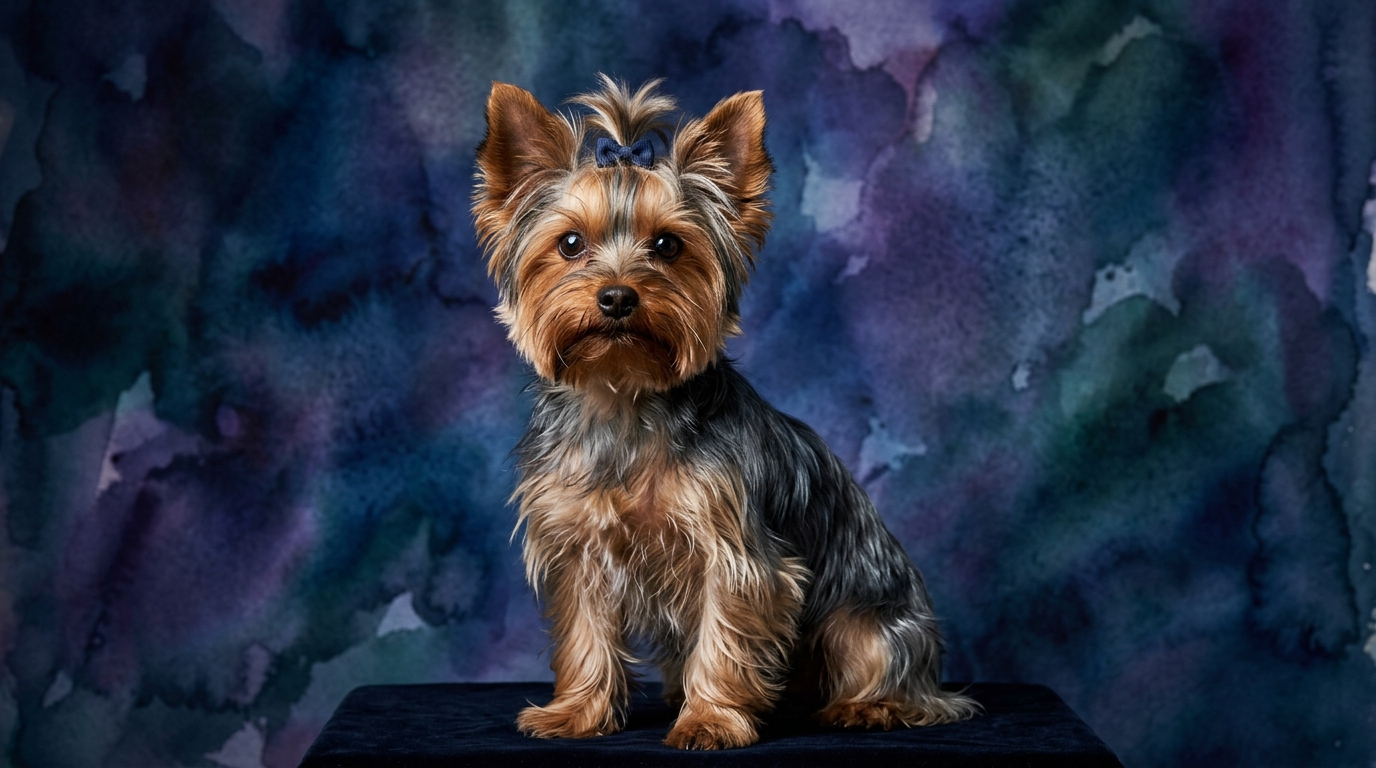
**Yorkshire Terrier (Coren rank #27):** The Yorkshire Terrier, while equally charming, presents a slightly different cognitive makeup. Their **Problem Solving (3/5)** score suggests a moderate ability to tackle new challenges and work through complex scenarios. While capable, they might rely more on trial and error or established routines than on abstract reasoning in unfamiliar situations. Their **Training Speed (4/5)** is on par with the Pomeranian, meaning Yorkies generally learn new commands and behaviors with good efficiency, responding positively to clear instruction and rewards. Their willingness to engage makes them responsive trainees. Like Pomeranians, Yorkshire Terriers also demonstrate a keen understanding of social cues and human interactions, earning a **Social Intelligence (4/5)** score. They often form strong attachments and are attuned to their family's emotions, proving to be quite perceptive members of the household. Where they notably differ is in **Instinctive Drive (4/5)**; reflecting their terrier heritage, Yorkies exhibit a pronounced drive. This manifests as a strong inclination for activities like chasing small critters, exploring, digging, and being alert watchdogs, showcasing a persistent, independent spirit. Their **Memory (4/5)** is also strong, displaying a capacity for remembering learned behaviors, spatial layouts, and the individuals in their lives, aiding in their training consistency and ability to navigate their familiar surroundings confidently.
Where the Pomeranian Wins Cognitively
The Pomeranian's slightly higher Coren rank of #23, compared to the Yorkshire Terrier's #27, and notably its superior Problem Solving score of 4/5 (versus the Yorkie's 3/5), indicates a distinct cognitive edge in certain areas. Pomeranians often exhibit a more pronounced ability to independently strategize and overcome novel obstacles. For instance, a Pomeranian might more quickly decipher a new puzzle toy mechanism or invent a clever way to retrieve a dropped item from under furniture, showcasing a resourceful and analytical approach. This higher problem-solving capacity suggests a greater cognitive flexibility and an inclination to experiment with solutions rather than simply repeating learned behaviors. They might be more adept at adapting to sudden changes in routine or environment by devising new strategies on the fly.
Where the Yorkshire Terrier Wins Cognitively
The Yorkshire Terrier truly shines with its Instinctive Drive score of 4/5, surpassing the Pomeranian's 3/5. This reflects their strong genetic lineage as ratters, imbuing them with a persistent, determined nature. This isn't merely about physical drive; it's a cognitive inclination towards specific behaviors: an intense focus on small, moving objects, a relentless pursuit, and an unwavering curiosity to investigate. Cognitively, this means a Yorkie might be more motivated by games that simulate hunting or tracking, displaying a keen sense of observation and a strong drive to follow through on a perceived 'mission.' Their tenacity in exploring new scents or digging for an imagined burrow highlights a deep-seated cognitive program for independent action and persistent engagement with their environment, often with a specific goal in mind.
Which is Easier to Train and Why
Both the Pomeranian and the Yorkshire Terrier share an impressive Training Speed score of 4/5, suggesting both breeds are generally quick to grasp new commands and respond to positive reinforcement. However, the nuances in their other cognitive dimensions can subtly influence the overall training experience. The Pomeranian's higher Problem Solving (4/5) might make them quicker to understand the *why* behind a task, potentially leading to faster mastery of more complex sequences or tricks. They might also be more inclined to generalize learned behaviors to new contexts. Conversely, the Yorkshire Terrier's pronounced Instinctive Drive (4/5) can sometimes present a challenge. While they learn quickly, their strong independent streak and natural inclination to follow scents or pursue perceived prey might momentarily override a learned command if a more compelling instinctual trigger appears. This doesn't mean they are harder to train, but rather that training might require more consistent reinforcement and creative strategies to maintain focus against their inherent terrier determination. For instance, a Yorkie might learn "come" just as fast, but a squirrel might prove a more potent distraction than for a Pomeranian.
Which Suits Active Owners vs. Relaxed Owners
Deciding between a Pomeranian and a Yorkshire Terrier based on owner lifestyle involves considering their energy expression and cognitive needs. The Pomeranian, despite its lively demeanor, often thrives with indoor play, short walks, and ample mental stimulation through toys and training sessions. Their strong Problem Solving and Social Intelligence mean they enjoy interactive games and being central to family activities, but they don't necessarily demand extensive outdoor adventures. They can adapt well to relaxed owners who prioritize companionship and indoor engagement. The Yorkshire Terrier, with its higher Instinctive Drive, often exhibits a more tenacious and exploratory energy. They enjoy sniffing out new environments, chasing toys, and engaging in activities that tap into their terrier heritage. While they are small, their cognitive inclination towards "work" means they can benefit from owners who enjoy more active walks, puzzle games, or even participation in dog sports like agility or earthdog trials. A relaxed owner might find themselves needing to provide structured mental and physical outlets to satisfy a Yorkie's inherent drives, whereas an active owner would find a willing partner for exploration.
The Verdict
Opt for a Pomeranian if you appreciate a companion with a keen problem-solving mind and strong social awareness, thriving on interactive indoor play and consistent, positive training that capitalizes on their quick learning and robust memory.
Select a Yorkshire Terrier if you seek a spirited partner with a pronounced instinctive drive, enjoying focused exploration and engaging in activities that satisfy their tenacious, independent nature, while also valuing their quick training speed and social perceptiveness.
🧠 Find Your Pet's IQ Score
Our Pet IQ Lab assessment covers 25+ tests across 5 cognitive dimensions — personalized to your breed.
Take the Full IQ Test →Frequently Asked Questions
Do Pomeranians or Yorkshire Terriers bark more often?
Both breeds can be prone to barking due to their alert nature and small size, often acting as diligent watchdogs. However, a Pomeranian's social intelligence might make them more responsive to training regarding barking, while a Yorkie's higher instinctive drive could lead to more persistent vocalization when reacting to perceived threats or novel stimuli.
Are Pomeranians and Yorkshire Terriers good with children?
Both breeds can be good with older, respectful children who understand how to interact gently with small dogs. Their social intelligence helps them navigate family dynamics, but their delicate size means supervision is crucial to prevent accidental injury, making them potentially less suitable for very young, boisterous children.
Which breed requires more grooming, Pomeranian or Yorkshire Terrier?
Both breeds have coats that require regular attention. Pomeranians have a thick double coat that needs frequent brushing to prevent matting and manage shedding. Yorkshire Terriers have a long, silky single coat that requires daily brushing and often professional grooming to keep it tangle-free and healthy.