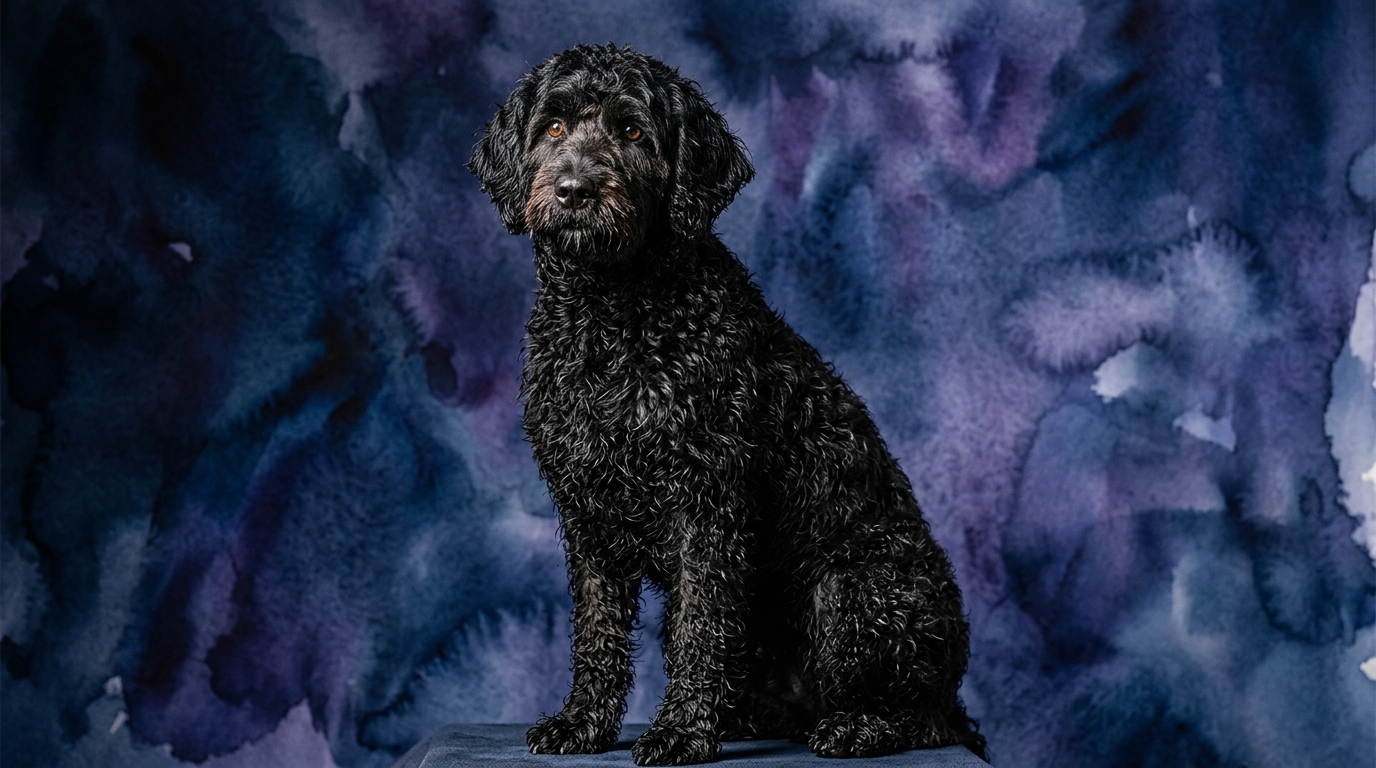
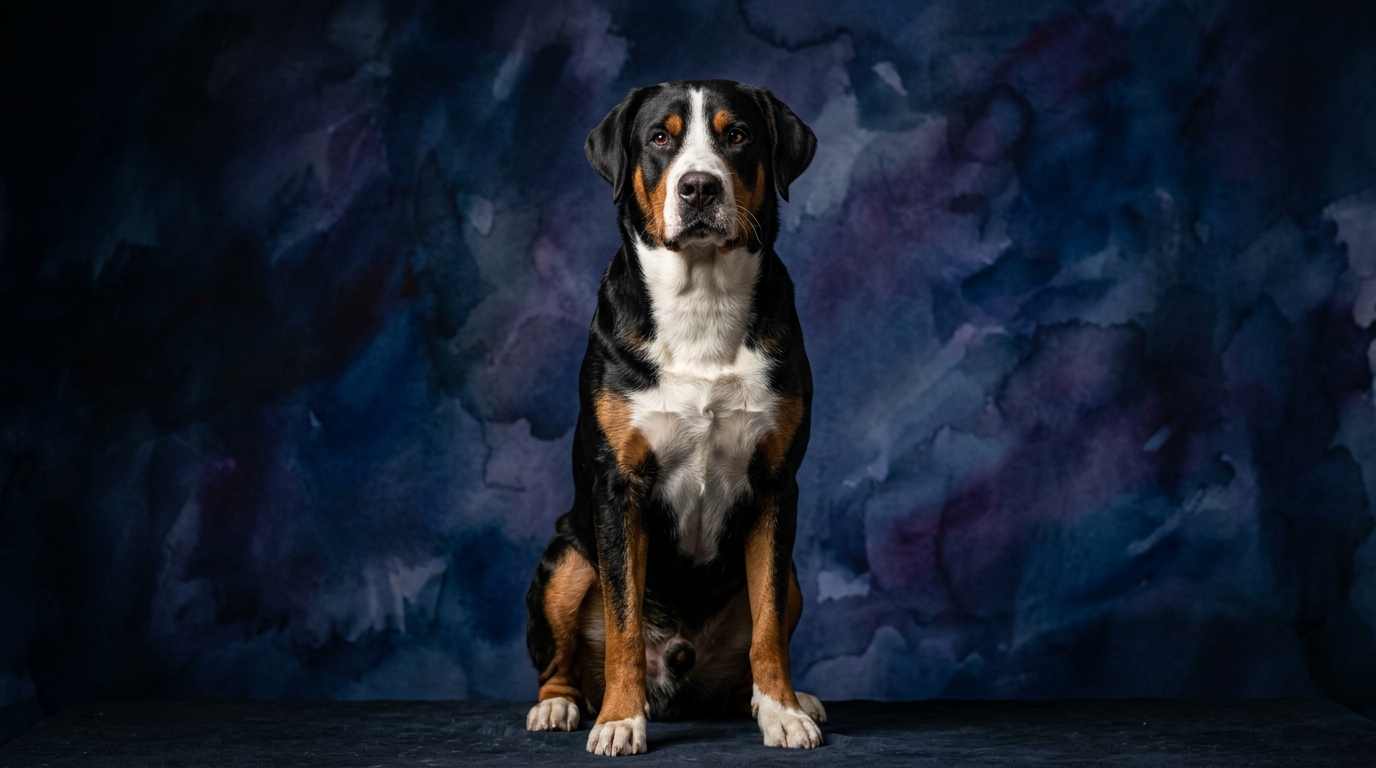
Side-by-Side Cognitive Profiles
At The Cosmic Pet Pet IQ Lab, we evaluate canine intelligence across five key dimensions, providing a nuanced understanding beyond simple ranking. For both the Portuguese Water Dog (PWD) and the Greater Swiss Mountain Dog (GSMD), our assessments reveal a consistent score of 3/5 across all categories, indicating proficient cognitive abilities that are well-suited to their respective working heritages. However, the manifestation of these scores differs significantly based on each breed's specialized roles and physical attributes.
The Portuguese Water Dog's **Problem Solving (3/5)** capacity often manifests in adaptability within dynamic aquatic environments. These dogs excel at figuring out efficient ways to retrieve objects from challenging water conditions or navigating complex terrain, demonstrating a fluid and responsive thought process. Their **Training Speed (3/5)** is frequently bolstered by a keen desire for engagement and a collaborative spirit, making them generally quick to grasp new commands when training is interactive and rewarding. **Social Intelligence (3/5)** in PWDs is evident in their strong family bonds and their ability to interpret human cues, leading to cooperative and responsive interactions. Their **Instinctive Drive (3/5)** is deeply rooted in their historical role as a fisherman's aide, translating into a strong inclination for swimming, retrieving, and persistent focus on tasks. Finally, their **Memory (3/5)** allows them to retain learned behaviors and complex routines, contributing to their reliability in various activities.
Conversely, the Greater Swiss Mountain Dog's **Problem Solving (3/5)** leans towards practical, physical challenges tied to their draft and droving heritage. They demonstrate a methodical approach to tasks like navigating obstacles while pulling loads or managing livestock, reflecting a steady and deliberate thought process. Their **Training Speed (3/5)** is proficient, though influenced by their confident and sometimes independent nature, meaning they learn best with clear, consistent instruction and a respectful partnership. The GSMD's **Social Intelligence (3/5)** is characterized by a discerning awareness of their environment and family, often expressed through protective instincts and a calm, watchful demeanor around strangers. Their **Instinctive Drive (3/5)** is strong, centered on purposeful work involving strength, endurance, and guarding responsibilities, enjoying tasks that leverage their robust physique. Their **Memory (3/5)** supports their role as reliable working dogs and companions, ensuring they retain commands, boundaries, and social experiences over time.
Where the Portuguese Water Dog Excels Cognitively
Despite identical scores, the Portuguese Water Dog exhibits a distinct cognitive advantage in tasks demanding agile environmental adaptation and rapid responsiveness, particularly in fluid or unpredictable settings. Their 3/5 problem-solving ability often translates into inventive and quick-witted solutions when faced with dynamic challenges, such as figuring out the best way to retrieve a drifting object from a strong current or navigating a complex obstacle course with speed and precision. This cognitive flexibility is a direct inheritance from their role as aquatic helpers, where split-second decisions and physical dexterity were paramount.
The PWD's 3/5 training speed is frequently propelled by an intense desire for engagement and a deeply collaborative spirit. This eagerness makes them highly receptive to interactive training methods, often viewing learning as a shared activity rather than a chore. Their good memory combines with this enthusiasm to allow for quick mastery and retention of complex sequences of commands, making them particularly adept at intricate dog sports like agility, competitive obedience, or freestyle. This collaborative cognitive style, where mental processing is tightly integrated with physical action and handler feedback, is a hallmark of their intellectual application.
Where the Greater Swiss Mountain Dog Shows Cognitive Strengths
The Greater Swiss Mountain Dog's cognitive strengths, while sharing the same 3/5 scores, are distinctively geared towards tasks requiring stability, spatial reasoning, and independent, deliberate judgment. Their 3/5 problem-solving is often applied to assessing and overcoming physical challenges related to their historical roles as draft and drover dogs. This means they excel at tasks that require methodical planning and execution, such as efficiently maneuvering a heavy cart around obstacles or strategically guiding livestock, where brute force is less effective than thoughtful application of strength.
The GSMD's 3/5 social intelligence is characterized by a confident and discerning awareness of their surroundings and family unit. They possess an intuitive ability to assess new situations and strangers, often exhibiting a composed yet protective demeanor. This means they are less likely to react impulsively and more inclined to make considered decisions about their environment and social interactions, reflecting their history as steadfast and reliable guardians. Their good memory, combined with this deliberate nature, reinforces their ability to remember established routines and boundaries, contributing to their dependable presence and consistent behavior within their territory.
Which is Easier to Train and Why?
When considering ease of training, both breeds score 3/5 in Training Speed, but their underlying motivations create different training experiences. The Portuguese Water Dog, with its inherent drive for human interaction and a strong work ethic, often appears to learn new tasks with more visible enthusiasm and quicker initial uptake. Their collaborative spirit means they thrive on positive reinforcement and consistent, interactive training sessions, often viewing training as a shared game or job. This eagerness to please and dynamic energy can make them seem more pliable, as they actively seek to understand and execute commands.
However, this same high energy and intense drive require a handler who can channel their intensity productively, as boredom or insufficient stimulation can lead to unwanted behaviors. In contrast, the Greater Swiss Mountain Dog, while equally capable of learning, approaches training with a more independent and self-assured mindset. They are not primarily motivated by a constant need to please but rather by a desire for clear purpose and a respectful partnership. Training a GSMD often demands more patience and a focus on building trust and mutual understanding. They will learn, but they may take a moment to process a command and decide if it's a worthwhile endeavor, rather than immediately complying with boundless enthusiasm. Their steadfast nature means once a command is learned, it is typically well-retained due to their good memory, but achieving that point demands consistency, clarity, and a handler who respects their confident autonomy.
Suitability for Active vs. Relaxed Owners
For active owners seeking a dynamic and highly engaged partner, the Portuguese Water Dog is an ideal match. Their robust instinctive drive (3/5) for physical activity, particularly swimming and retrieving, demands consistent and varied outlets for their abundant energy. They thrive on long walks, runs, hikes, and especially water-based activities, making them perfect companions for outdoor enthusiasts and those involved in dog sports. Owners who enjoy agility, dock diving, or competitive obedience will find a PWD eager to participate, leveraging their problem-solving and training speed to master complex routines. A relaxed owner, however, might struggle to meet the PWD's substantial exercise requirements, potentially leading to boredom-induced behaviors or an overly energetic household companion.
The Greater Swiss Mountain Dog, while certainly a working breed, presents a different kind of activity requirement, making them suitable for owners who appreciate structured, purposeful engagement rather than constant high-intensity output. Their instinctive drive (3/5) leans towards tasks involving strength, endurance, and guarding, rather than relentless speed. They enjoy brisk walks, hiking, and activities like carting or weight pulling, which engage their powerful build and methodical problem-solving. While they appreciate regular exercise and mental stimulation, they are generally content with a more settled home life between activities, often enjoying quiet time with their family. A GSMD is a good fit for owners who are active but also value a calm, confident presence indoors, and are prepared for a dog that matures more slowly and retains a playful, sometimes "goofy" demeanor into adulthood.
The Verdict
Choose the Portuguese Water Dog if you are an active, engaged owner seeking a highly collaborative companion for dog sports, water activities, or extensive outdoor adventures. Their eagerness to please and dynamic problem-solving thrive with consistent interaction and mental challenges.
Opt for the Greater Swiss Mountain Dog if you appreciate a confident, steadfast companion for purposeful work, moderate activity, and a calm presence at home, valuing their independent judgment and protective nature. They are best suited for owners who can provide consistent, respectful guidance and structured engagement.
🧠 Find Your Pet's IQ Score
Our Pet IQ Lab assessment covers 25+ tests across 5 cognitive dimensions — personalized to your breed.
Take the Full IQ Test →Frequently Asked Questions
Are Portuguese Water Dogs good with children?
Portuguese Water Dogs are generally good with children, especially if raised with them and properly socialized. Their energetic and playful nature can make them wonderful companions for active kids, but supervision is always recommended due to their enthusiastic play style.
Do Greater Swiss Mountain Dogs shed a lot?
Greater Swiss Mountain Dogs have a short, dense double coat and do shed, particularly seasonally. Regular brushing, at least a few times a week, is recommended to help manage shedding and keep their coat healthy, though they are not considered excessive shedders compared to some other double-coated breeds.
What kind of climate is best for each breed?
The Portuguese Water Dog, with its single coat, is adaptable to various climates but particularly enjoys temperate to warmer weather, especially with access to water. The Greater Swiss Mountain Dog, with its dense double coat, is well-suited for colder climates and can tolerate cold temperatures much better than heat, requiring protection from overheating in warm weather.