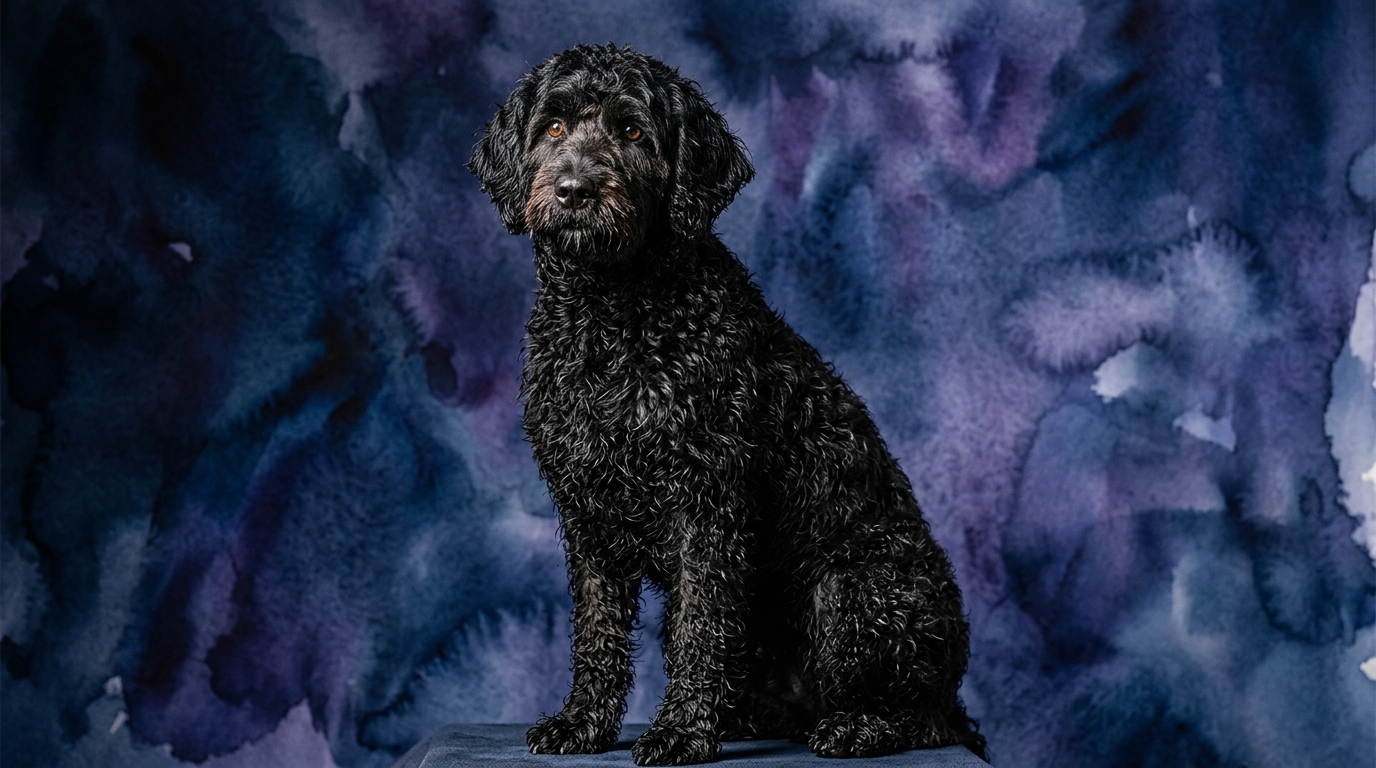
Side-by-Side IQ Profile: Portuguese Water Dog
Problem Solving (3/5): This breed demonstrates practical resourcefulness, adept at figuring out sequences to achieve a goal, such as retrieving items from complex water environments or navigating obstacles efficiently. Their approach leans towards understanding the mechanics of a task to reach a desired outcome, rather than abstract invention.
Training Speed (3/5): Portuguese Water Dogs absorb new commands and routines at a moderate pace, thriving on consistent, positive reinforcement. They learn best with clear guidance and repetition, steadily building a repertoire of skills, though complex, multi-step tasks may require more dedicated practice.
Social Intelligence (3/5): Possessing a keen ability to read human cues, these dogs form strong, cooperative bonds with their handlers and families. They are attuned to social dynamics, excel in collaborative tasks, and often seek to please, making them responsive companions.
Instinctive Drive (3/5): Their heritage as working water dogs manifests in a robust drive for retrieving, swimming, and vigorous physical activity. This inherent persistence and energy are powerful motivators that can be effectively channeled into structured training and active pursuits.
Memory (3/5): Portuguese Water Dogs exhibit a solid memory for learned commands, routines, and the specific individuals and places associated with positive or negative experiences. They recall past lessons reliably, contributing to their trainability and consistent behavior.
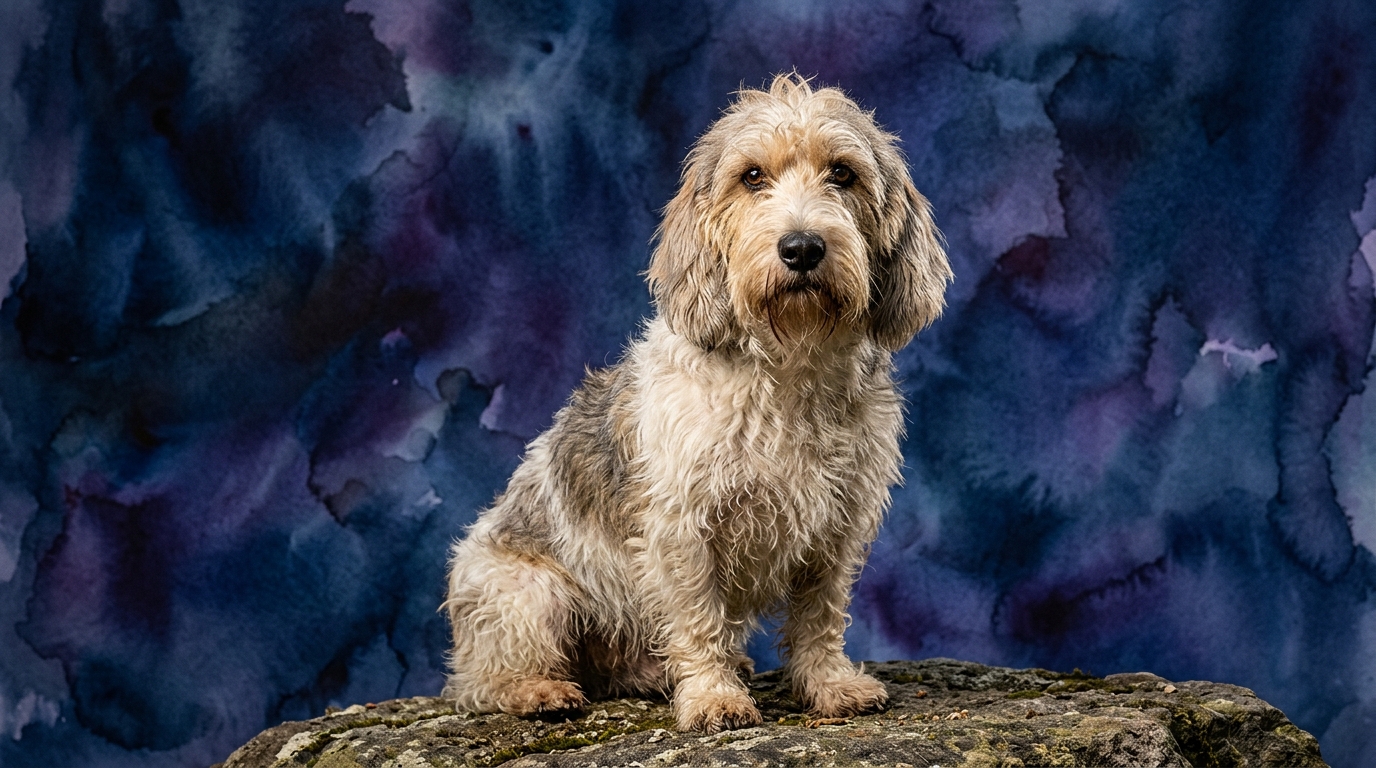
Side-by-Side IQ Profile: Petit Basset Griffon Vendéen
Problem Solving (3/5): The Petit Basset Griffon Vendéen’s problem-solving acumen is primarily applied to their environment, especially when driven by scent. They are resourceful in navigating terrain, overcoming barriers, or finding ways to access interesting smells, demonstrating practical, often independent, tactical thinking.
Training Speed (3/5): PBGVs learn new commands at a moderate tempo, but their progress can be influenced by their strong environmental focus and independent spirit. Engaging, game-based training methods and patience are crucial to maintain their attention and ensure consistent learning.
Social Intelligence (3/5): While affectionate and sociable with their human companions, PBGVs often exhibit a more independent social dynamic, sometimes prioritizing environmental exploration over direct human interaction, especially when a compelling scent is present. They are cheerful companions but less overtly handler-focused during active engagement.
Instinctive Drive (3/5): This breed possesses an exceptionally powerful scent drive, coupled with an innate desire to track, explore, and follow a trail. Their independent hunting heritage means this drive is a dominant force, often leading them to make self-directed decisions based on olfactory stimuli.
Memory (3/5): PBGVs have a good memory for scent trails, familiar routes, and the locations of interesting things they’ve encountered. They retain basic commands, but their recall can be influenced by their strong instinctive drives, sometimes appearing to "selectively forget" if a more enticing scent takes precedence.
Where the Portuguese Water Dog Wins Cognitively
Despite the identical 3/5 scores across the board, the Portuguese Water Dog’s cognitive strengths shine particularly bright in scenarios demanding close cooperation and sustained handler-oriented focus. Their blend of social intelligence and practical problem-solving makes them exceptionally adept at tasks requiring a dog to understand and execute multi-step instructions from a human. For instance, in complex agility courses or intricate service dog work, where precise movements and sequences are critical, the PWD often excels. Their ability to read subtle human cues, combined with a willingness to engage in structured learning, means they can quickly grasp the intent behind a command and adapt their actions accordingly. This isn't just about learning tricks; it's about forming a collaborative partnership where the dog actively works with the human to achieve a shared goal. Their instinctual drive, historically channeled into retrieving and working alongside fishermen, naturally translates into a desire for purpose-driven activities led by their owner, making them more resilient to environmental distractions when a task is at hand. This manifests as a more consistent application of their problem-solving skills in direct service to their human counterpart.
Where the Petit Basset Griffon Vendéen Wins Cognitively
Conversely, the Petit Basset Griffon Vendéen demonstrates a distinct cognitive edge in areas demanding autonomous problem-solving and unwavering persistence, especially when driven by their phenomenal sense of smell. While both breeds score 3/5 in problem-solving, the PBGV applies this capacity with remarkable independence, particularly in scent-related challenges. Their strength lies in their ability to meticulously follow a complex scent trail, making independent decisions about direction and obstacle navigation without constant human guidance. This isn't a deficiency in cooperation, but rather a manifestation of their specific hunting heritage, where a dog was expected to work a trail with determination and self-reliance. In activities like tracking, scent discrimination, or barn hunt, the PBGV’s instinctive drive and problem-solving merge to create a highly effective, self-directed searcher. They possess a unique talent for discerning subtle olfactory differences and maintaining focus on a scent, even amidst other environmental distractions, showcasing a specialized form of cognitive persistence that is less about human collaboration and more about innate sensory mastery.
Which is Easier to Train and Why
When it comes to ease of training, the Portuguese Water Dog generally presents a more straightforward path for the average owner. Their higher social intelligence rating, coupled with an inherent desire to engage with and please their human companions, makes them inherently more receptive to instruction. PWDs are often eager to participate in training sessions, viewing them as collaborative activities that strengthen their bond with their owner. Their instinctive drives, historically focused on working alongside humans, are readily channeled into cooperative tasks like obedience, retrieving, or dog sports. They are less prone to what some owners describe as 'selective deafness,' meaning they are less likely to disregard a command in favor of an enticing environmental stimulus. The Petit Basset Griffon Vendéen, while certainly trainable, typically requires a more patient, creative, and persistent approach. Their powerful instinctive drive for scent and their independent nature mean they are easily distracted by the olfactory world around them. Training a PBGV often feels more like a negotiation or a game, where the owner must consistently make themselves more interesting and rewarding than the captivating smells or sights. Their problem-solving skills, while present, are frequently self-directed towards exploring their environment rather than immediately complying with a human directive. This isn't a lack of intelligence, but rather a difference in how their cognitive resources are prioritized and applied, often requiring owners to adapt their training methods to suit a dog with a strong, independent mind and nose.
Which Suits Active Owners vs. Relaxed Owners
Both the Portuguese Water Dog and the Petit Basset Griffon Vendéen require active owners, but the nature of that activity differs significantly. The PWD thrives with owners who can provide consistent, structured physical and mental stimulation. These dogs require regular, vigorous exercise that goes beyond simple walks, benefiting immensely from activities like swimming, retrieving, agility, or competitive obedience. Their cognitive profile, particularly their social intelligence and cooperative problem-solving, makes them ideal partners for owners who enjoy engaging in purpose-driven dog sports or complex training. They need a job to do, and a 'relaxed' owner who cannot meet these needs may find a PWD becoming bored and potentially destructive. The PBGV also demands an active lifestyle, but their activity is primarily driven by their powerful scent instinct. Owners must be prepared for long, meandering walks where the dog is allowed to explore and follow scents, or provide secure spaces for off-leash sniffing and exploration. While energetic, their cognitive satisfaction often comes from independent scent work rather than complex, handler-directed tasks. A relaxed owner might struggle with the PBGV's need to explore and track, but if 'relaxed' means enjoying long, sniff-filled adventures rather than high-intensity sports, a PBGV could fit. However, owners who prefer a completely sedentary lifestyle would find both breeds challenging to manage.
The Verdict
Choose the Portuguese Water Dog if you seek an eager, cooperative partner for structured activities, a dog that thrives on learning complex tasks and forming a deeply collaborative bond.
Opt for the Petit Basset Griffon Vendéen if you appreciate an independent, cheerful companion with an unparalleled nose, enjoying scent-driven adventures and a dog whose cognitive strengths lie in autonomous environmental exploration.
🧠 Find Your Pet's IQ Score
Our Pet IQ Lab assessment covers 25+ tests across 5 cognitive dimensions — personalized to your breed.
Take the Full IQ Test →Frequently Asked Questions
Do Portuguese Water Dogs make good service dogs?
Yes, their social intelligence, cooperative nature, and robust problem-solving skills, combined with their moderate training speed, make them well-suited for various service dog roles, especially those requiring consistent handler focus and task execution.
Are PBGVs good at scent detection sports?
Absolutely, their exceptional instinctive drive for scent and independent problem-solving abilities make them natural stars in activities like tracking, nose work, and barn hunt, where their specialized cognitive focus on olfaction truly shines.
How do their grooming needs compare in terms of cognitive impact?
While not directly cognitive, the PWD's curly, non-shedding coat requires regular grooming, which can be an excellent opportunity for bonding and reinforcing calm behavior, indirectly supporting social intelligence and compliance. The PBGV's rough, medium-length coat requires less intensive grooming, freeing up more time for scent-driven activities that stimulate their primary cognitive strengths.