Side-by-Side IQ Profile: Understanding Identical Scores
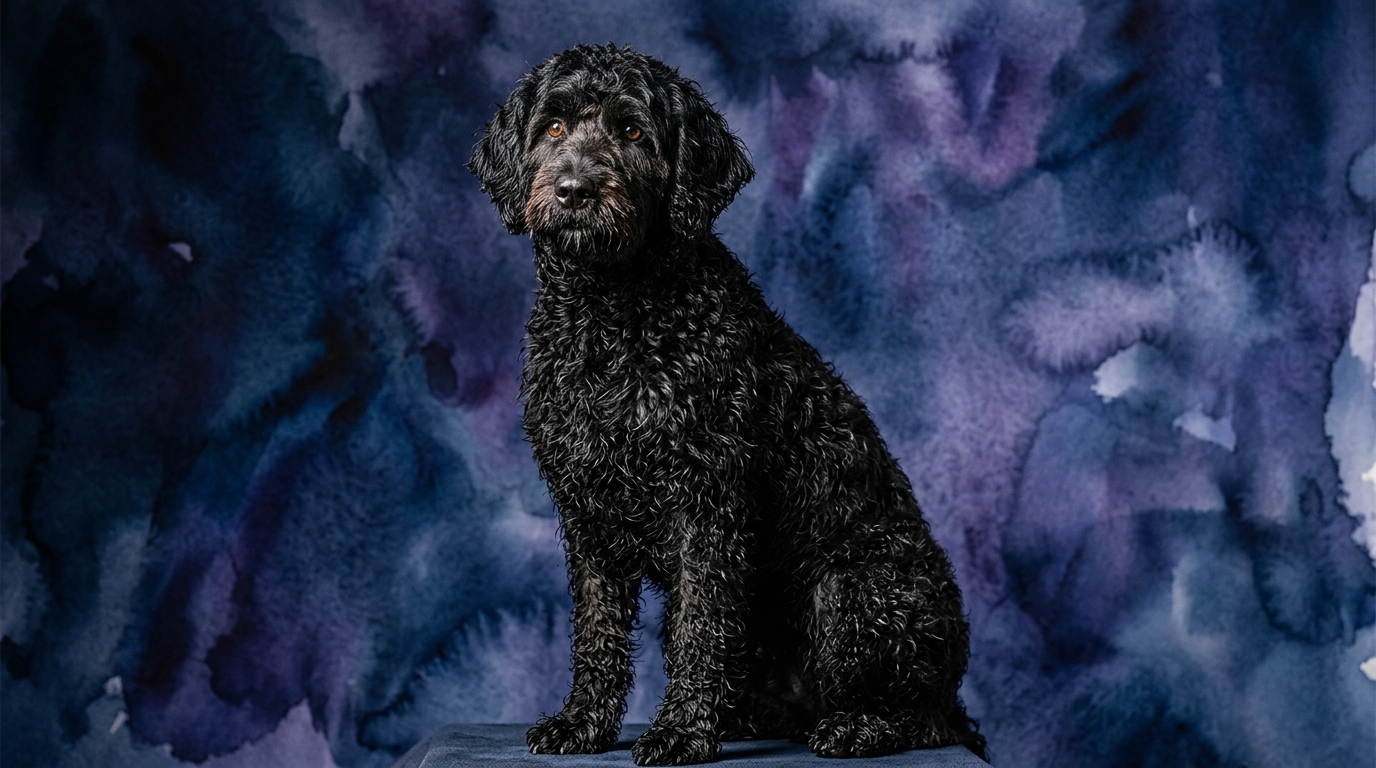
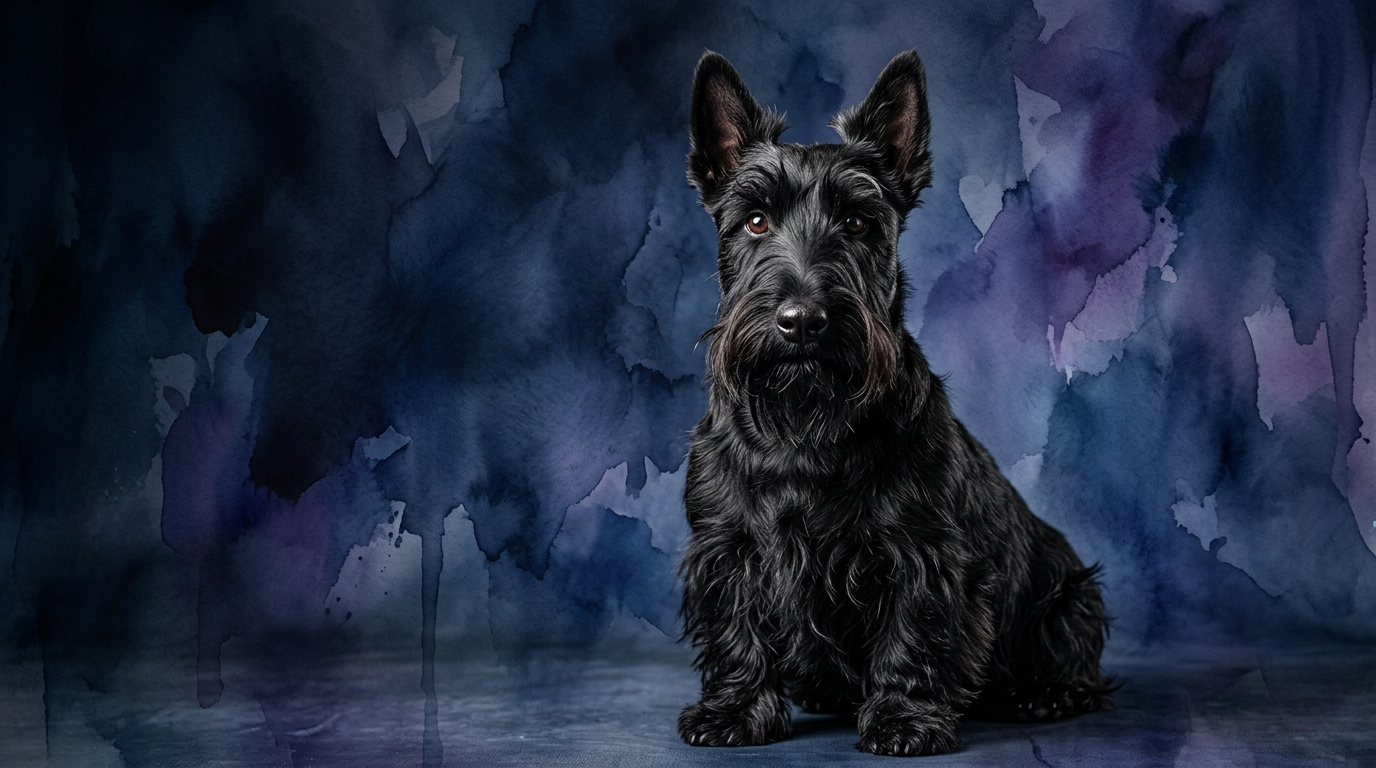
Both the Portuguese Water Dog (PWD) and the Scottish Terrier (Scottie) register a consistent 3 out of 5 across all five dimensions of The Cosmic Pet Pet IQ Lab's assessment: Problem Solving, Training Speed, Social Intelligence, Instinctive Drive, and Memory. While these identical scores might suggest a similar cognitive experience, their historical roles and breed groups (Working vs. Terrier) dictate how these abilities are expressed and perceived by owners.
For the Portuguese Water Dog, a '3/5' in Problem Solving often translates to an aptitude for figuring out complex sequences, like navigating obstacles to retrieve a floating object or understanding multi-step commands. Their Training Speed at 3/5 reflects a willingness to engage and learn, often driven by a desire to work alongside their human. Social Intelligence at 3/5 means they are generally adept at reading human cues and forming strong bonds, essential for their historical role as a fisherman's companion. Their Instinctive Drive, also 3/5, centers on retrieving, swimming, and an innate desire for purposeful activity. Memory at 3/5 allows them to retain a vast repertoire of commands and learned behaviors over time, crucial for intricate tasks.
The Scottish Terrier's '3/5' in Problem Solving, by contrast, often manifests as tenacity in overcoming physical barriers or strategizing to pursue perceived prey, rather than cooperative task completion. Their Training Speed of 3/5 signifies they are capable learners, but their independent nature often means they require more compelling motivation to consistently apply what they've learned. Social Intelligence at 3/5 for a Scottie tends to be more selective; they are perceptive within their chosen social circle but can be reserved with strangers, a trait stemming from their self-reliant hunting past. Their 3/5 Instinctive Drive is powerfully channeled into digging, chasing, and a determined pursuit of small animals. Memory at 3/5 ensures they remember their routines, boundaries, and past experiences, contributing to their sometimes stubborn but consistent character.
Where the Portuguese Water Dog Excels Cognitively
Despite identical numerical scores, the Portuguese Water Dog's cognitive strengths lean heavily into cooperative problem-solving and adaptable learning. Their 3/5 Problem Solving often involves understanding abstract concepts related to their environment, such as how water currents affect a retrieve, or deciphering subtle changes in human body language to anticipate the next command. This makes them particularly adept at sports like obedience, agility, and dock diving, where complex sequences and quick adaptations are key. Their memory, while rated 3/5, is particularly strong for long chains of learned behaviors and spatial awareness in varied environments, allowing them to recall specific locations of objects or intricate routes.
The PWD's 3/5 Social Intelligence is distinctly geared towards partnership and communication. They are often highly attuned to their owner's mood and intentions, making them intuitive companions. This manifests as a strong desire to please and participate in family activities, often initiating interaction or seeking guidance. Their instinctive drive, focused on retrieving and water work, integrates seamlessly with their cognitive abilities, allowing them to channel their natural inclinations into structured tasks with enthusiasm and focus, a trait that makes them feel highly responsive in a working partnership.
Where the Scottish Terrier Finds its Cognitive Edge
The Scottish Terrier's cognitive prowess lies in independent thought, tenacity, and a focused, almost singular, determination. Their 3/5 Problem Solving shines when faced with a challenge that requires persistence and self-reliance, such as figuring out how to get to a perceived scent under a fence or navigating a complex burrow system (even if metaphorical in a modern home). This isn't about pleasing a human, but about achieving a self-determined goal. Their memory, while rated 3/5, is exceptionally robust for recalling boundaries, routines, and identifying 'intruders' or changes in their territory, contributing to their steadfast guardian nature.
The Scottie's 3/5 Instinctive Drive is a powerful cognitive engine, fueling their focused attention and unwavering commitment to a task once engaged, particularly anything involving digging or chasing. This drive, combined with their problem-solving, means they can be incredibly resourceful when pursuing their interests. Their 3/5 Social Intelligence, though less overtly cooperative than a PWD's, allows them to form incredibly deep, discerning bonds with their chosen few, often demonstrating a keen understanding of their family's dynamics and individual personalities, albeit often from a more observational and independent stance.
Training Dynamics: Portuguese Water Dog vs. Scottish Terrier
When it comes to training, the identical 3/5 Training Speed scores belie significant differences in approach and owner experience. The Portuguese Water Dog, with its working dog heritage, generally approaches training with an eagerness to engage and a strong desire for interaction. Their problem-solving abilities allow them to grasp new commands quickly, especially when presented as a game or a collaborative task. They thrive on positive reinforcement and consistent, engaging sessions, often enjoying the process of learning new skills as much as the reward itself. Their social intelligence makes them highly responsive to verbal cues and body language, which facilitates a smoother training progression built on mutual understanding.
The Scottish Terrier, on the other hand, while equally capable of learning (3/5 Training Speed), often approaches training with a more independent mindset. Their problem-solving might lead them to question the 'why' behind a command or seek alternative, self-serving solutions if not properly motivated. Training a Scottie requires immense patience, consistency, and a deep understanding of their terrier nature. They respond best to clear, firm, and fair methods that respect their independent spirit, often requiring higher value rewards and a trainer who can make learning feel like their idea. Their strong instinctive drive means that distractions related to chasing or digging can be powerful competitors to training focus, demanding a more strategic approach to environmental control and motivation.
Lifestyle Match: Active Owners vs. Relaxed Owners
The Portuguese Water Dog is undeniably suited for active owners. Their robust 3/5 instinctive drive for physical and mental engagement, coupled with their problem-solving and memory, means they require significant daily exercise and purposeful activities. These are not dogs content with a short walk around the block; they need outlets for swimming, retrieving, long hikes, or dog sports to truly thrive. Owners who enjoy an outdoor, dynamic lifestyle and are willing to integrate their dog into these activities will find the PWD an incredibly rewarding and engaged companion. Their social intelligence means they genuinely enjoy being part of the action, not just observers.
The Scottish Terrier, while possessing a strong 3/5 instinctive drive, often channels this into bursts of intense activity rather than sustained endurance. They enjoy their walks and playful sessions, particularly if they involve chasing or digging, but are generally more content with a balance of activity and downtime compared to a PWD. They don't demand constant strenuous exercise, making them a better fit for owners who appreciate a dog that can be active outdoors but is equally happy to curl up indoors. However, 'relaxed' for a Scottie owner doesn't mean neglecting mental stimulation; their problem-solving and keen memory mean they still need engaging toys, puzzle feeders, and consistent short training sessions to prevent boredom and channel their independent spirit constructively.
The Verdict: When to Choose Each Breed
The Verdict
Choose the Portuguese Water Dog if you seek a highly engaged, cooperative partner for an active, outdoor lifestyle, valuing a dog that thrives on learning complex tasks and shares a strong bond through shared activities.
Opt for the Scottish Terrier if you appreciate an independent, tenacious companion with a strong personality, preferring a dog that offers deep, selective loyalty and is content with a balanced routine of activity and quiet companionship.
🧠 Find Your Pet's IQ Score
Our Pet IQ Lab assessment covers 25+ tests across 5 cognitive dimensions — personalized to your breed.
Take the Full IQ Test →Frequently Asked Questions
Are Portuguese Water Dogs suitable for first-time dog owners?
Portuguese Water Dogs can be suitable for first-time owners who are prepared for their high energy levels and significant training needs. Their eagerness to please makes them responsive, but their intelligence and drive require consistent mental and physical stimulation to prevent boredom.
How much exercise does a Scottish Terrier need daily?
A Scottish Terrier typically requires 30-60 minutes of daily exercise, which can include walks, playtime in a secure yard, or short bursts of chasing. While they enjoy activity, they are not as demanding as some high-energy breeds and appreciate downtime indoors.
Do Portuguese Water Dogs and Scottish Terriers get along with other pets?
Portuguese Water Dogs generally get along well with other pets, especially if socialized from a young age, due to their cooperative nature. Scottish Terriers, with their strong prey drive and independent streak, can be more challenging with smaller pets, though many coexist peacefully with proper introductions and supervision.