Side-by-Side IQ Profile
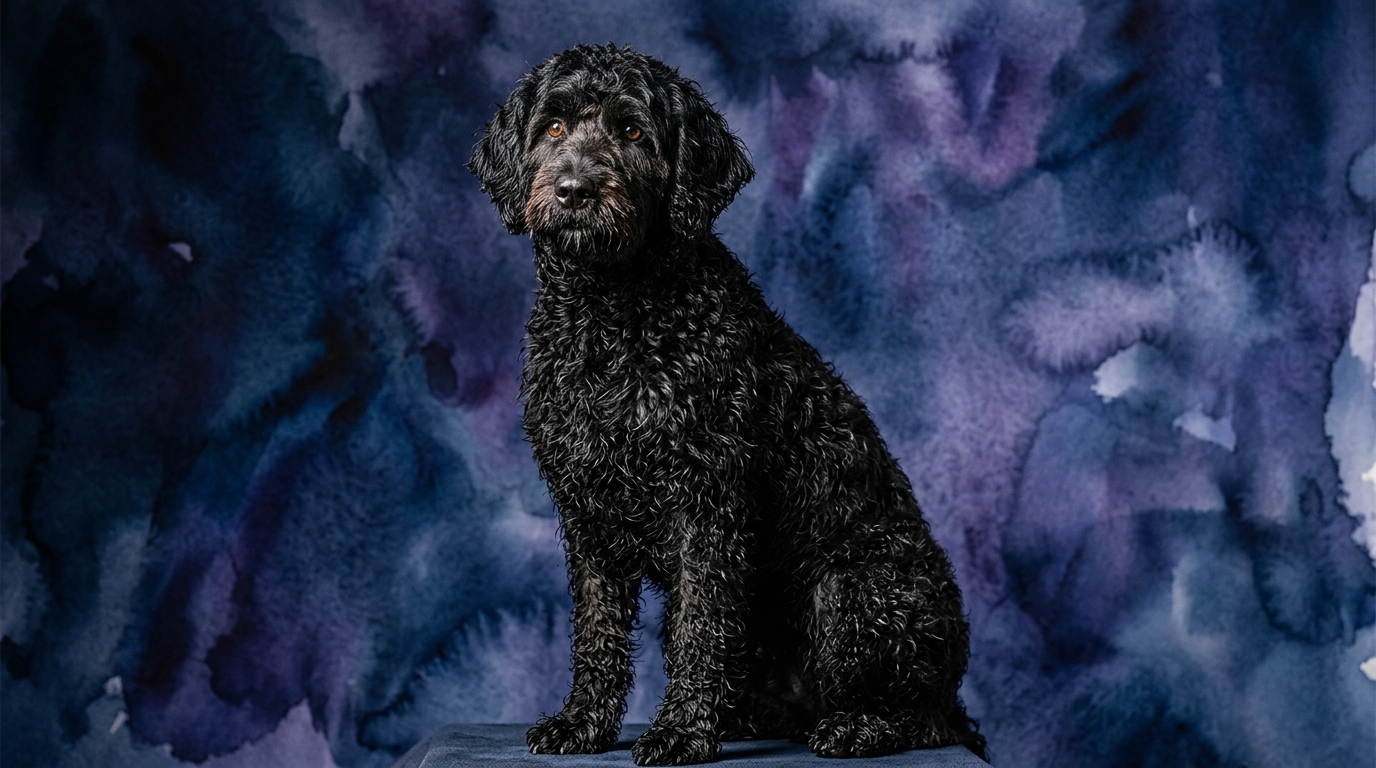
The Portuguese Water Dog, hailing from the Working Group, was bred for an active life assisting fishermen, retrieving lost tackle, and herding fish into nets. Its problem-solving capacity, rated 3/5, likely reflects an aptitude for practical, real-world challenges, such as navigating complex water environments or figuring out how to retrieve a specific item. Training speed, also 3/5, suggests a capable learner, able to grasp commands but perhaps requiring consistent engagement to maintain focus. A 3/5 in social intelligence points to a dog that can effectively communicate and cooperate with its human partners, crucial for joint working tasks. Its instinctive drive, at 3/5, is a powerful engine for purposeful activity, often channeled into retrieving, swimming, and an inherent desire to "work." Finally, a 3/5 memory ensures it retains complex routines and learned behaviors essential for its demanding role.
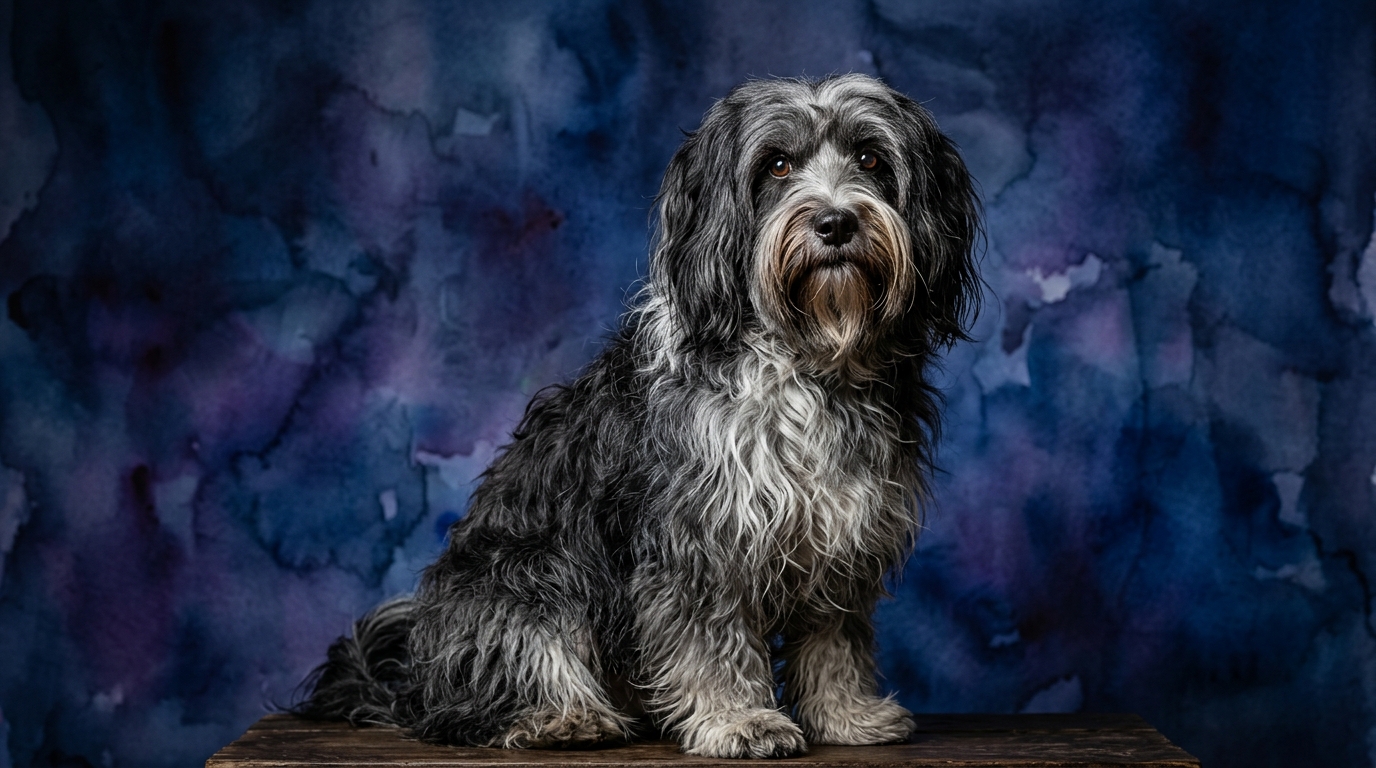
In contrast, the Tibetan Terrier, a member of the Non-Sporting Group and historically a companion and good luck charm in monasteries, occupies a different cognitive niche. While also scoring 3/5 for problem-solving, its application might lean towards understanding household dynamics, navigating social situations, or figuring out how to achieve a desired outcome within a domestic environment. Its 3/5 training speed indicates a dog that is certainly trainable, but perhaps with a streak of independent thought that requires patient and engaging methods. Social intelligence, also 3/5, is paramount for a companion dog, allowing it to interpret human cues, adapt to family routines, and form strong bonds. The Tibetan Terrier's 3/5 instinctive drive is less about physical labor and more about alertness, watchfulness, and a strong sense of its "pack," making it an observant and protective companion. Its 3/5 memory serves it well in remembering family members, routines, and previously learned social rules. Interestingly, the Tibetan Terrier holds a Coren rank of #63, placing it in the "average working/obedience intelligence" category, providing a general benchmark for its capacity to learn and obey commands from a human.
Where Portuguese Water Dog Wins Cognitively
The Portuguese Water Dog's cognitive strengths truly shine in environments demanding physical prowess combined with strategic thinking. Its 3/5 problem-solving ability is particularly evident in tasks requiring a dog to think on its feet in dynamic, often aquatic, settings. Imagine a PWD needing to calculate the best route to retrieve a buoy in choppy water or understanding how to herd a group of objects effectively. This isn't abstract puzzle-solving but practical application of logic to achieve a physical goal. Its robust instinctive drive, also 3/5, translates into an unwavering commitment to a task once engaged, a powerful asset for sustained effort. This drive, coupled with its social intelligence, means a PWD excels in cooperative ventures where a human partner provides direction, and the dog brings its physical and mental stamina to bear. They are adept at learning complex sequences of actions and executing them with precision, making them stand out in activities like competitive obedience, agility, or dock diving where a job needs to be done with enthusiasm and focus. Their memory, rated 3/5, allows them to retain intricate command chains and adapt to new challenges based on past experiences, making them highly effective partners in structured activities.
Where Tibetan Terrier Wins Cognitively
The Tibetan Terrier’s cognitive advantages lean heavily into its role as a perceptive and adaptable companion. Its 3/5 problem-solving ability is often demonstrated in navigating social complexities and adapting to varied household situations. This might manifest as understanding intricate family dynamics, figuring out how to get attention, or cleverly communicating its desires to its human companions. Unlike the PWD's task-oriented drive, the Tibetan Terrier's 3/5 instinctive drive is keenly focused on observation and a nuanced understanding of its immediate environment and the people within it. This translates to an acute awareness of changes, making them excellent alert dogs who can discern subtle shifts in mood or surroundings. Their social intelligence, rated 3/5, is particularly refined, allowing them to form deep, empathetic bonds and often "read" their owners' emotions with surprising accuracy. This makes them exceptionally attuned companions, capable of providing comfort or subtle alerts. Their 3/5 memory is excellent for retaining complex social rules, remembering visitors, and recalling specific routines, contributing to their seamless integration into family life. The Tibetan Terrier's intelligence is less about brute force and more about finesse, observation, and social acumen, excelling in roles that value emotional connection and adaptability over strenuous physical labor.
Which is Easier to Train and Why
When considering ease of training, both breeds score 3/5 for training speed, suggesting they are capable learners, but their approaches differ significantly due to their inherent temperaments and historical roles. The Portuguese Water Dog, with its strong working drive and eagerness to please, often appears easier to train for specific tasks. Their enthusiasm for engagement means they are generally keen to participate in training sessions, especially if they involve activity, retrieving, or problem-solving. However, this same high drive can also lead to boisterousness or a tendency to get bored if training isn't consistently engaging and varied. Owners might find themselves needing to channel their PWD's energy and focus frequently to maintain attention.
The Tibetan Terrier, while equally capable, can present a different training dynamic. Their social intelligence and adaptability mean they learn quickly, but their independent streak, a hallmark of many companion breeds, means they might "think" about a command before executing it, or even question its necessity. They are less overtly "eager to please" in the traditional sense, preferring to understand the "why" behind an action. This requires an owner who is patient, consistent, and uses positive reinforcement methods that build trust and make training a rewarding interaction rather than a strict command-and-obey scenario. They excel with owners who can make training feel like a collaborative game, appealing to their problem-solving skills and social acumen. Therefore, while a PWD might pick up a new trick faster if the owner leverages its drive, a TT will also learn effectively with an owner who understands its personality and uses motivation techniques that resonate with its more independent, observant nature. Neither is "harder" to train, but they require different training philosophies to unlock their full potential.
Which Suits Active Owners vs. Relaxed Owners
The choice between these two breeds also hinges significantly on an owner's lifestyle and activity level. The Portuguese Water Dog is undeniably suited for active owners. Its 3/5 instinctive drive and problem-solving skills demand consistent mental and physical engagement. These are dogs that thrive on having a purpose, whether it's competitive dog sports like agility, obedience, or dock diving, or simply being an active companion on long hikes, runs, or swimming expeditions. A PWD that isn't sufficiently challenged physically and mentally can become bored, potentially leading to undesirable behaviors born out of pent-up energy and unfulfilled cognitive needs. They are perfect for individuals or families who enjoy an outdoor, active lifestyle and want a canine partner to join them in their adventures, requiring several hours of dedicated activity daily.
The Tibetan Terrier, while not a couch potato, generally suits owners with a more moderately active or relaxed lifestyle, though they appreciate regular exercise. Their 3/5 instinctive drive is more about alertness and companionship than strenuous physical labor. They enjoy daily walks, playful sessions in the yard, and engaging with their family, but typically don't require the same intensity or duration of activity as a PWD. Their social intelligence and memory make them adaptable to various household routines, and they are content to be involved in family activities, whether it's a quiet evening at home or a casual stroll in the park. They are an excellent choice for owners who want an attentive, observant companion who enjoys both active play and relaxed cuddle time, and who appreciate a dog that is deeply integrated into the fabric of daily family life without demanding constant, high-octane engagement. They are active enough to be fun, but flexible enough to adapt to less demanding schedules.
The Verdict
Choose the Portuguese Water Dog if you are an active owner looking for a driven, cooperative partner for demanding physical activities, dog sports, or a working role, who thrives on consistent mental and physical challenges.
Choose the Tibetan Terrier if you desire a perceptive, adaptable, and socially intelligent companion who enjoys moderate activity, excels in domestic environments, and thrives on deep emotional bonds within a family setting.
🧠 Find Your Pet's IQ Score
Our Pet IQ Lab assessment covers 25+ tests across 5 cognitive dimensions — personalized to your breed.
Take the Full IQ Test →Frequently Asked Questions
Are Portuguese Water Dogs good family pets?
Yes, Portuguese Water Dogs can be excellent family pets if their significant exercise and mental stimulation needs are met; they are social and cooperative, but their high energy requires an active household.
Do Tibetan Terriers bark a lot?
Tibetan Terriers can be vocal, often using their barks to alert their families to new sounds or visitors, a trait stemming from their historical role as watchdogs and companions.
How much grooming do these breeds require?
Both breeds require regular grooming; Portuguese Water Dogs have a non-shedding, single coat that needs frequent brushing and professional clipping, while Tibetan Terriers have a long, double coat that also demands consistent brushing to prevent matting.