Side-by-Side IQ Profile: PWD vs. Toy Poodle
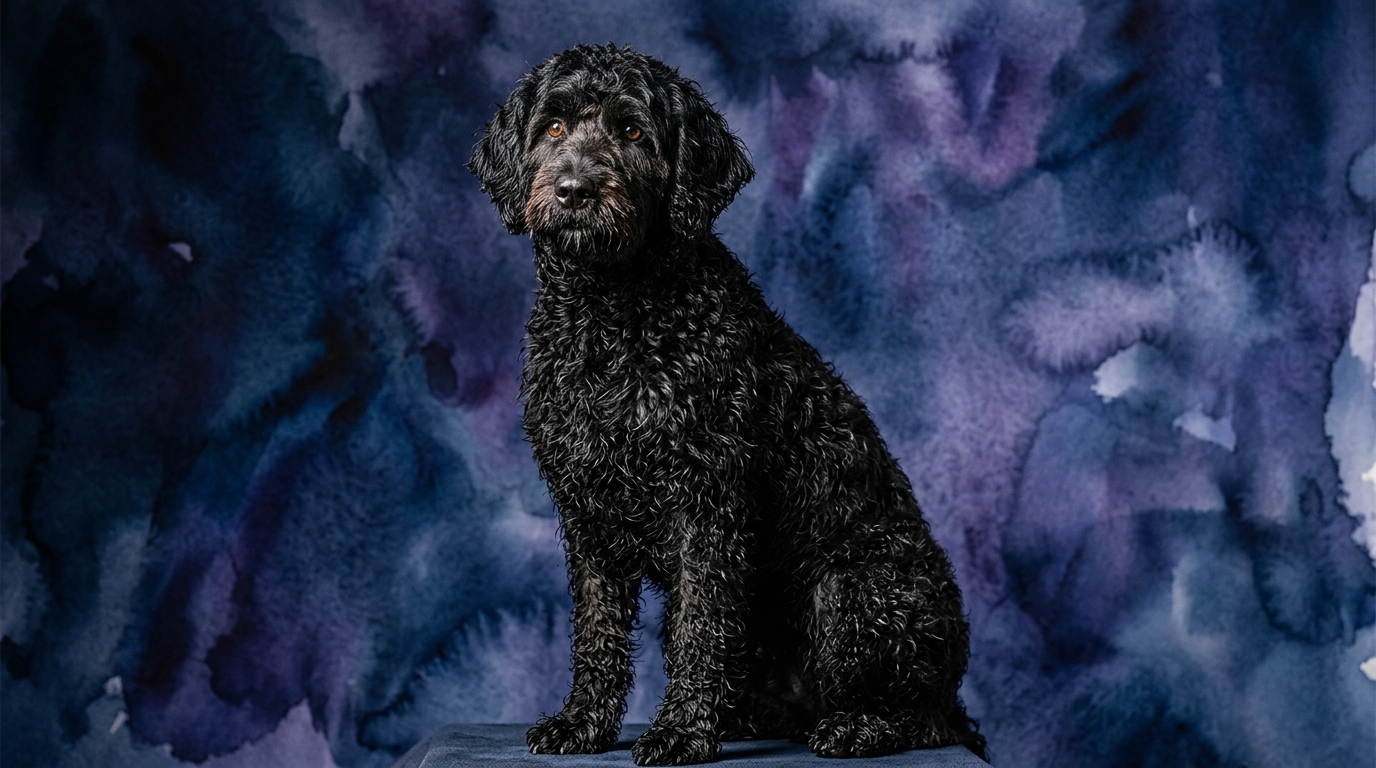
The Cosmic Pet Pet IQ Lab evaluates canine intelligence across five crucial dimensions, offering a nuanced understanding beyond simple ranking. For the Portuguese Water Dog (PWD), a breed rooted in robust aquatic work, we observe a balanced, practical mind. Their Problem Solving is rated 3/5, indicating a capacity for effective, if not always instantaneous, solutions to practical challenges, often involving their environment. Training Speed for the PWD also stands at 3/5, suggesting they learn new commands and routines with moderate repetition, absorbing information steadily. In Social Intelligence, the PWD scores 3/5, reflecting an ability to interpret human cues and interact appropriately within their pack, though often with a streak of independent thought. Their Instinctive Drive is 3/5, a measure of their inherent motivation for breed-specific tasks like retrieving and swimming, which forms a significant part of their mental landscape. Finally, Memory for the PWD is 3/5, meaning they retain learned information and experiences reliably over time, contributing to consistent behavior.
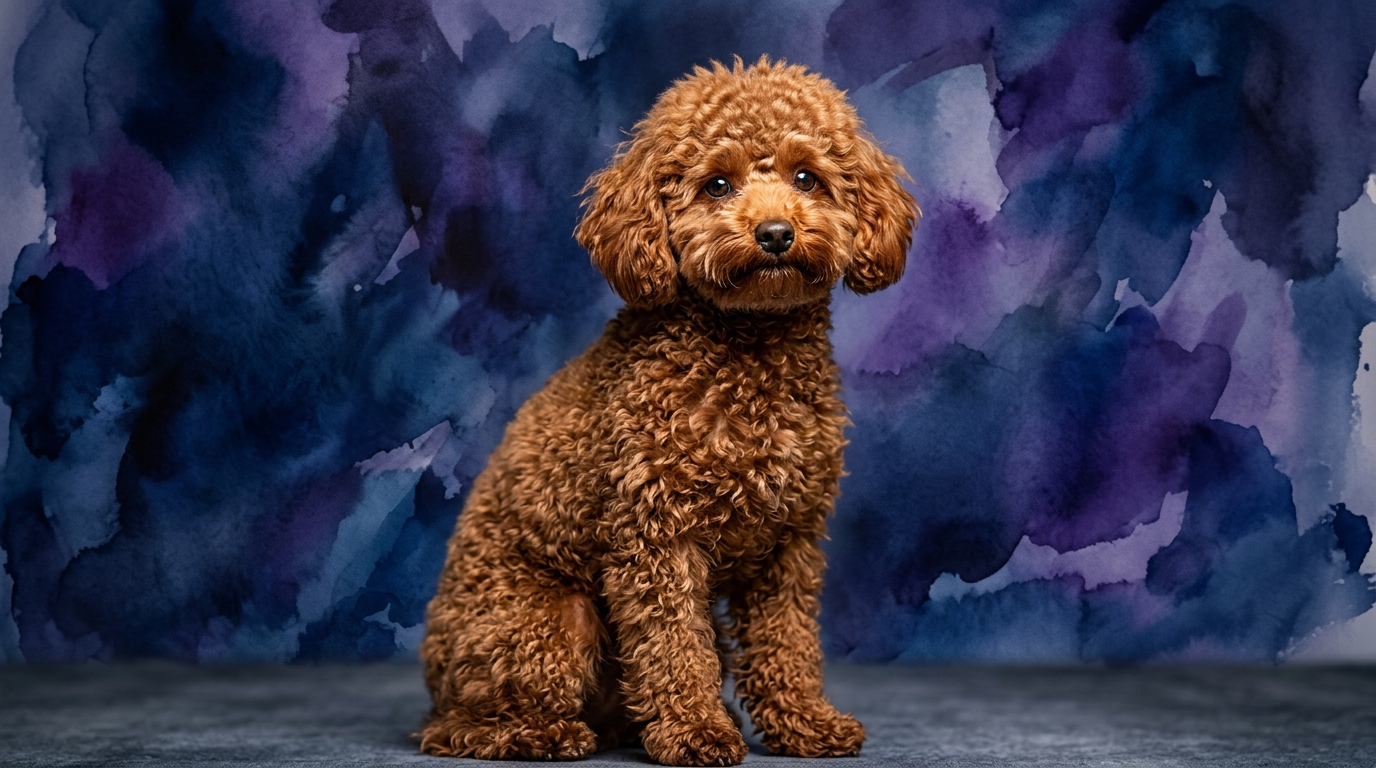
In stark contrast, the Toy Poodle, a breed celebrated for its elegant appearance and sharp wit, presents a remarkably different cognitive blueprint. Our IQ Lab assigns them a Problem Solving score of 5/5, reflecting an exceptional ability to analyze situations, understand complex sequences, and devise creative solutions to novel challenges. Their Training Speed is also an impressive 5/5, meaning Toy Poodles grasp new commands and concepts with remarkable swiftness, often requiring minimal repetition. Social Intelligence for the Toy Poodle is 3/5, indicating a solid understanding of human emotions and social dynamics, allowing them to form strong, responsive bonds. Their Instinctive Drive is rated 3/5, which, while not as overtly physical as a working breed, manifests in a strong desire for engagement, often through play, tricks, or agility. Lastly, the Toy Poodle’s Memory is 5/5, signifying an outstanding capacity to recall vast amounts of information, from complex trick sequences to past interactions, making their learning durable and cumulative.
Where the Portuguese Water Dog Excels Cognitively
While the Toy Poodle's swiftness in abstract problem-solving and training is clear, the Portuguese Water Dog's cognitive strengths lie in a different domain: sustained, practical application within dynamic physical environments. Their balanced 3/5 scores across the board, particularly in Problem Solving and Instinctive Drive, coalesce into an enduring focus for tasks requiring physical stamina and environmental navigation. A PWD might not solve a puzzle box as quickly as a Toy Poodle, but their cognitive profile makes them exceptional at systematically working through a complex physical task, like retrieving objects from varied terrains or water for extended periods, making independent judgments about the most efficient path. This resilience and task-oriented persistence, combined with their physical robustness, allows them to 'win' in scenarios demanding practical, robust decision-making under physically demanding conditions, rather than purely intellectual speed. Their social intelligence, while 3/5, is geared towards a working partnership, allowing them to collaborate effectively on a task rather than simply interpreting subtle cues for companionship.
Where the Toy Poodle Shows Cognitive Dominance
The Toy Poodle's cognitive strengths are undeniable, particularly in areas of rapid acquisition, retention, and abstract reasoning. With Problem Solving rated 5/5, they demonstrate an exceptional capacity to understand and manipulate complex rules, making them adept at puzzle toys that require multi-step solutions or figuring out how to open latches and containers. Their 5/5 Training Speed means they pick up new commands and routines almost instantaneously, often after just a few repetitions, making them highly receptive to advanced obedience, agility, or trick training. This speed is complemented by their 5/5 Memory, allowing them to retain vast repertoires of learned behaviors and generalize concepts across different contexts with ease. A Toy Poodle's mind is a sponge for information, and their ability to recall intricate sequences, anticipate routines, and make connections between seemingly disparate concepts positions them as a standout in mental agility and learning efficiency. This makes them particularly well-suited for owners who enjoy engaging in complex training regimens and mental challenges.
Training Experience: PWD vs. Toy Poodle
When it comes to ease of training, the data from The Cosmic Pet Pet IQ Lab strongly favors the Toy Poodle. Their 5/5 Training Speed and 5/5 Memory mean that new commands are absorbed rapidly and retained consistently. A Toy Poodle often displays an eager-to-please demeanor and a focused attention span during training sessions, quickly associating actions with desired outcomes. They thrive on positive reinforcement and mental engagement, often generalizing learned behaviors to new situations with minimal prompting. This translates into a smoother, faster training process where complex tasks can be broken down and mastered efficiently, leading to a highly responsive and well-mannered companion with relatively less effort from the owner.
The Portuguese Water Dog, with 3/5 in both Training Speed and Memory, requires a more patient and consistent approach. While certainly capable of learning, they may need more repetitions to solidify a new command, and their independent streak can sometimes lead to a less immediate response compared to the Poodle. PWDs are problem-solvers in their own right, and their cognitive process often involves figuring things out on their terms, which can sometimes be perceived as stubbornness. Training a PWD means understanding their drive for practical work and channeling it effectively. They benefit from engaging, varied training that appeals to their working instincts, but owners should expect a longer learning curve and be prepared for creative ways to maintain their focus and motivation, referencing their inherent desire to understand the 'why' behind a command rather than simply mimicking.
Matching Minds to Lifestyles: Active vs. Relaxed Owners
For owners with an active lifestyle, the Portuguese Water Dog is an excellent match. Their balanced cognitive profile, combined with their working breed heritage, means they thrive on consistent physical and mental engagement. While their problem-solving and training speed are moderate, their endurance and drive for practical tasks mean they excel in activities like dock diving, agility, hiking, and long walks. A PWD needs an owner who can provide structured activities that tap into their innate desire to 'work' alongside their human, requiring a commitment to daily exercise and mentally stimulating tasks to prevent boredom. Their cognitive satisfaction comes from mastering a practical skill and applying it in a real-world context, making them ideal for individuals who enjoy an outdoor, active partnership.
The Toy Poodle, with its exceptional cognitive abilities, also requires significant mental stimulation, but can adapt to a wider range of physical activity levels depending on the individual dog. Their rapid learning and problem-solving (both 5/5) make them perfect for owners who enjoy engaging in complex training, puzzle games, and canine sports like obedience, rally, or trick training. While they are energetic and enjoy walks and play, their primary need is for mental engagement, which can be provided through indoor games and learning sessions. This makes them suitable for owners who might not be extreme athletes but are dedicated to providing consistent intellectual challenges. A Toy Poodle can fit well into a more relaxed home environment, provided their sharp minds are kept busy with engaging activities that prevent boredom and channel their considerable brainpower constructively.
The Verdict: When to Choose Each Companion
The Verdict
Choose the Portuguese Water Dog if you seek a robust, task-oriented companion for an active, outdoor lifestyle, valuing practical intelligence and independent problem-solving in dynamic environments. Be prepared for a consistent, patient training approach that leverages their working drive.
Opt for the Toy Poodle if you desire a highly trainable, mentally agile companion who excels at rapid learning, complex tasks, and thrives on intellectual challenges. They are ideal for owners who enjoy advanced training and providing consistent mental engagement.
🧠 Find Your Pet's IQ Score
Our Pet IQ Lab assessment covers 25+ tests across 5 cognitive dimensions — personalized to your breed.
Take the Full IQ Test →Frequently Asked Questions
Is the Portuguese Water Dog difficult to train?
The Portuguese Water Dog is not difficult to train, but they do require more consistency and patience than some other breeds. With a Training Speed of 3/5, they learn steadily but may need more repetitions, benefiting from engaging methods that tap into their working instincts and independent nature.
Do Toy Poodles need a lot of mental stimulation?
Yes, Toy Poodles absolutely thrive on mental stimulation due to their exceptional Problem Solving (5/5) and Memory (5/5). They need daily intellectual challenges like puzzle toys, trick training, or obedience work to keep their sharp minds engaged and prevent boredom.
Which breed is better for first-time dog owners?
For first-time dog owners, the Toy Poodle's high Training Speed (5/5) and Memory (5/5) often make the training process smoother and more rewarding. Their responsiveness can be less challenging to manage than the Portuguese Water Dog's more independent and task-oriented cognitive style, which benefits from experienced handling.