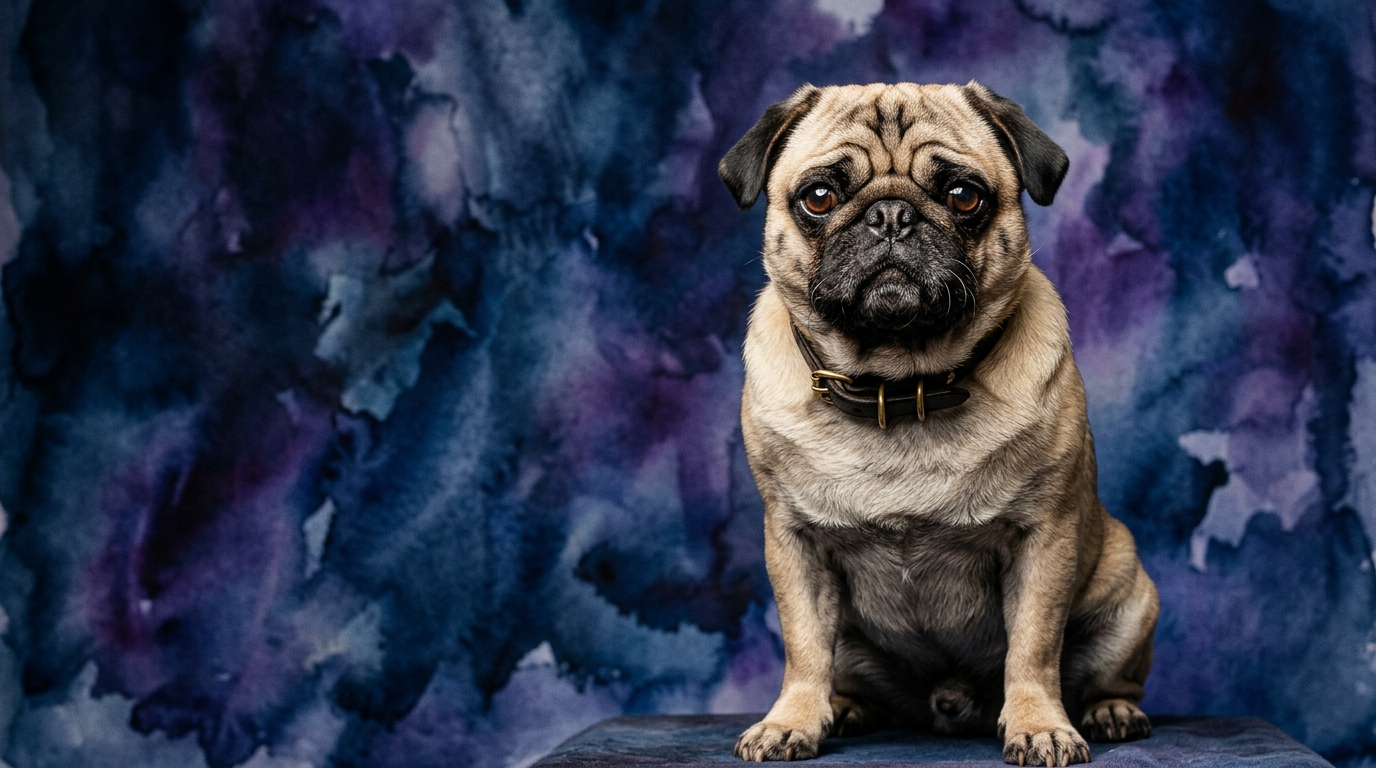
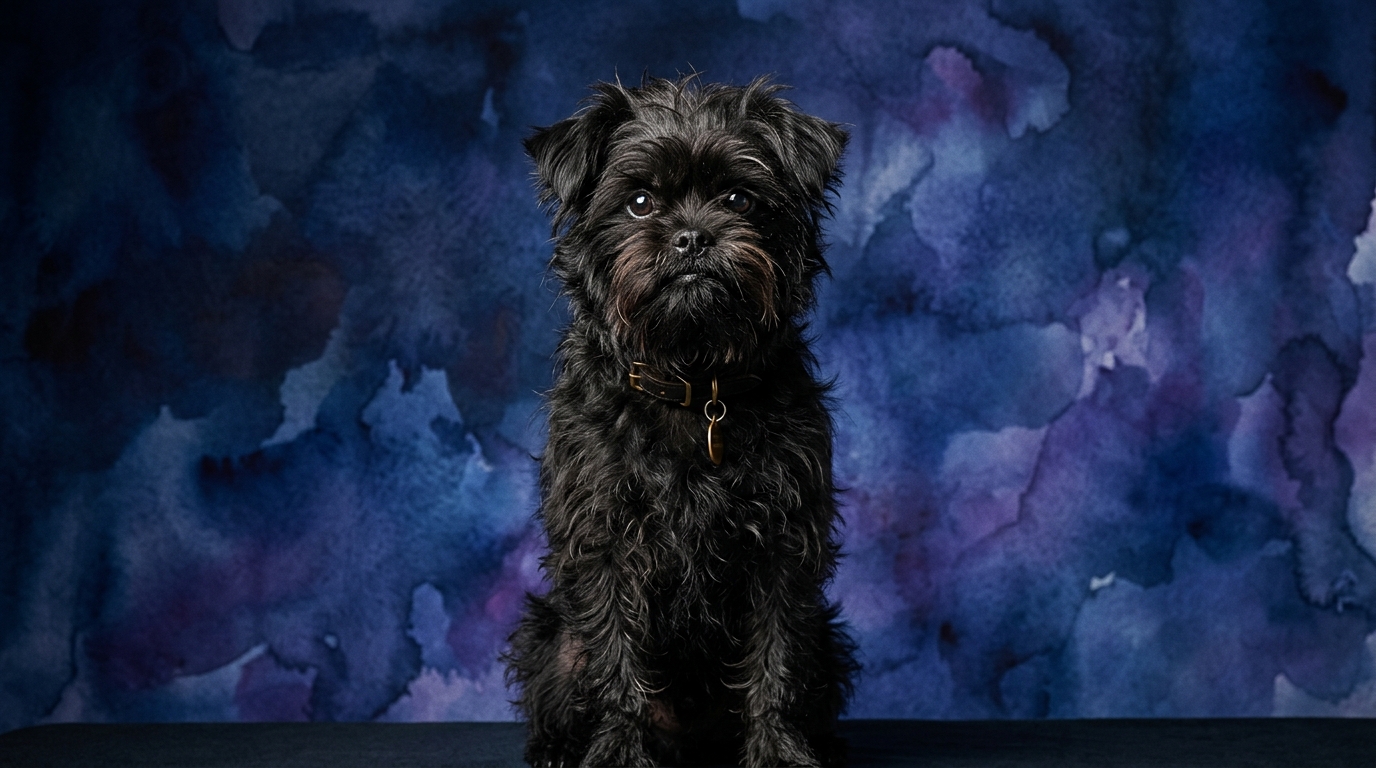
Side-by-Side IQ Profile: Pug vs. Affenpinscher
At The Cosmic Pet Pet IQ Lab, we delve beyond superficial observations to understand the unique cognitive architecture of each breed. For the Pug, a Coren-ranked breed at #57, its profile emphasizes connection over independent action. Their Problem Solving is rated at 2/5, indicating a preference for routine and less inclination to independently decipher novel challenges. Training Speed stands at 2/5, suggesting a need for patient, repetitive methods to instill new behaviors. Social Intelligence, however, is an outstanding 5/5, highlighting their exceptional ability to read and respond to human emotions and social cues. Instinctive Drive is low at 2/5, meaning they possess minimal inherent urges for traditional canine tasks like hunting or herding, focusing instead on companionship. Finally, their Memory is an average 3/5, capable of retaining learned information effectively with consistent reinforcement.
The Affenpinscher, though not Coren-ranked, presents a different set of cognitive strengths that lean towards a more independent and inquisitive nature. Their Problem Solving capability is rated at 3/5, indicating a moderate capacity to figure out puzzles and navigate new situations with some ingenuity. Training Speed also sits at 3/5, suggesting they learn at an average pace, generally responsive to clear instructions. Social Intelligence for the Affenpinscher is 3/5, meaning they understand social dynamics adequately but are less intensely focused on human emotional states than the Pug. Their Instinctive Drive is a moderate 3/5, reflecting a historical role in vermin control and a subtle underlying curiosity or prey drive. Like the Pug, their Memory is rated at 3/5, allowing them to recall training and experiences reliably.
Where the Pug Wins Cognitively: The Heart of Social Connection
The Pug's undisputed cognitive advantage lies in its profound Social Intelligence, scoring a perfect 5/5. This isn't merely about being friendly; it's about an exceptional neurological wiring that allows them to be exquisitely attuned to human emotional states. Pugs often anticipate their owner's moods, offering comfort or playful distraction without explicit cues, making them unparalleled emotional support animals. Their low Instinctive Drive (2/5) further supports this social focus, as they are less distracted by environmental stimuli that might engage other breeds. Instead, their mental energy is almost entirely dedicated to understanding and interacting with their human companions, fostering an incredibly deep and empathetic bond. This cognitive strength means a Pug often acts as a mirror to its owner's feelings, making them incredibly intuitive and responsive family members.
This high social intelligence translates into a dog that thrives on interaction and connection, making them natural at understanding subtle human gestures and vocal tones. While their problem-solving skills might not be geared towards complex tasks, their cognitive strength is perfectly suited for navigating the intricate world of human relationships. A Pug's memory (3/5) also serves this social aptitude well, as they are adept at remembering which behaviors elicit positive attention and reinforce their cherished bond with their people. This blend of attributes ensures the Pug's cognitive profile is optimized for companionship above all else.
Where the Affenpinscher Wins Cognitively: Independent Thought and Adaptability
The Affenpinscher distinguishes itself with a cognitive profile that favors a more independent and curious approach to the world. Their Problem Solving score of 3/5 surpasses the Pug's, suggesting a greater capacity for independent thought and initiative. This means an Affenpinscher is more likely to investigate a novel sound, figure out how to retrieve a toy from under furniture, or even attempt to open a cabinet. This moderate problem-solving ability equips them to navigate new environments or situations with greater confidence and less reliance on direct human guidance, making them more adaptable to varied routines or changes in their surroundings.
Coupled with their Training Speed of 3/5, the Affenpinscher often grasps new commands and concepts with reasonable efficiency, requiring fewer repetitions than a Pug to solidify learning. Their moderate Instinctive Drive (3/5) contributes to this, providing a subtle underlying motivation to engage with their environment and tasks, rather than being solely focused on social interaction. This drive, historically linked to their origins as ratters, translates into a dog that can be more engaged in structured play, agility, or scent work. Their cognitive strengths make them suitable for owners who enjoy engaging their dogs in activities that require a bit more mental effort and self-directed exploration.
Which is Easier to Train and Why: Leveraging Different Motivations
Determining which breed is 'easier' to train hinges on understanding their distinct cognitive strengths and preferred motivations. The Pug, with its Training Speed of 2/5 and Problem Solving of 2/5, generally requires more patience and repetition. Their exceptional Social Intelligence (5/5), however, is a powerful training asset. Pugs are driven by the desire for connection and pleasing their human, so training methods that leverage positive reinforcement, praise, and making sessions feel like a fun, social interaction yield the best results. They respond poorly to harsh corrections but thrive on gentle guidance and encouragement, often learning best when training is integrated into their daily routine as a bonding activity. Their lower instinctive drive means they are less likely to be distracted by external stimuli like scents or distant movements, but their tendency towards comfort might make them less enthusiastic about prolonged, demanding sessions.
The Affenpinscher, with a Training Speed of 3/5 and Problem Solving of 3/5, is typically more straightforward to train using traditional methods. They are generally responsive and capable of understanding concepts with an average number of repetitions. Their moderate Instinctive Drive (3/5) means they can be motivated by toys, treats, and the challenge of the task itself, rather than solely social approval. While their Social Intelligence (3/5) is adequate, they might not be as intensely focused on their owner's every emotional nuance during training. Consistency, clear commands, and varied training exercises that tap into their problem-solving abilities will keep an Affenpinscher engaged. They might be more independent during training, requiring an owner who can provide firm yet fair leadership rather than relying purely on emotional connection to guide their learning.
Which Suits Active vs. Relaxed Owners: Matching Lifestyle to Cognitive Needs
The cognitive profiles of the Pug and Affenpinscher naturally align with different owner lifestyles. The Pug, characterized by a low Instinctive Drive (2/5), low Problem Solving (2/5), and high Social Intelligence (5/5), is an ideal companion for relaxed owners. They thrive in environments where companionship, comfort, and a predictable routine are prioritized. Their mental stimulation comes primarily from interacting with their human family, cuddling, and observing daily life. Long, strenuous activities are not typically aligned with their cognitive or physical makeup; short, leisurely walks and ample lap time fulfill their needs. Owners who enjoy a calm household, desire a dog that is constantly by their side, and find joy in a dog's profound emotional connection will find the Pug an exceptionally rewarding match.
Conversely, the Affenpinscher's moderate Instinctive Drive (3/5) and Problem Solving (3/5) make them a better fit for more active owners who enjoy engaging their dog in various mentally stimulating activities. While still a small breed, they possess a greater capacity for independent exploration and a subtle underlying drive that benefits from more structured play, puzzle toys, and learning new tricks. They appreciate variety in their routine and can be more enthusiastic about exploring new places or participating in dog sports like obedience or even introductory agility. Owners who are looking for a companion with a bit more 'spark,' who enjoys figuring things out, and who can keep pace with a moderately active lifestyle will likely find the Affenpinscher's cognitive makeup more satisfying.
The Verdict
Choose the Pug if you seek an exceptionally empathetic and socially intelligent companion who thrives on close emotional connection and a relaxed, predictable routine, valuing presence over performance.
Opt for the Affenpinscher if you appreciate a dog with a bit more independent thought, a moderate drive for exploration, and an eagerness to engage in varied mental challenges and activities.
🧠 Find Your Pet's IQ Score
Our Pet IQ Lab assessment covers 25+ tests across 5 cognitive dimensions — personalized to your breed.
Take the Full IQ Test →Frequently Asked Questions
Are Pugs stubborn during training?
Pugs can appear stubborn due to their lower training speed and problem-solving scores, often preferring comfort and routine over novel challenges. However, with consistent, positive reinforcement focused on their strong social nature, they are capable learners who aim to please their beloved humans.
Do Affenpinschers need a lot of mental stimulation?
While they are a toy breed, Affenpinschers possess a moderate instinctive drive and problem-solving ability, meaning they benefit significantly from regular mental engagement. Engaging them with puzzle toys, learning new tricks, or varied walks can satisfy their cognitive needs beyond just physical activity.
Which breed is generally better with children?
The Pug's exceptional social intelligence often makes them tolerant and gentle companions for children, thriving on family interaction and emotional connection. Affenpinschers are generally good with older, respectful children, but their slightly more independent nature and potential for a stronger prey drive might require closer supervision with very young ones.