Side-by-Side Cognitive Profiles: Pug vs. Basset Hound
To understand the unique intellectual makeup of these two breeds, The Cosmic Pet Pet IQ Lab provides a detailed breakdown across five key cognitive dimensions:
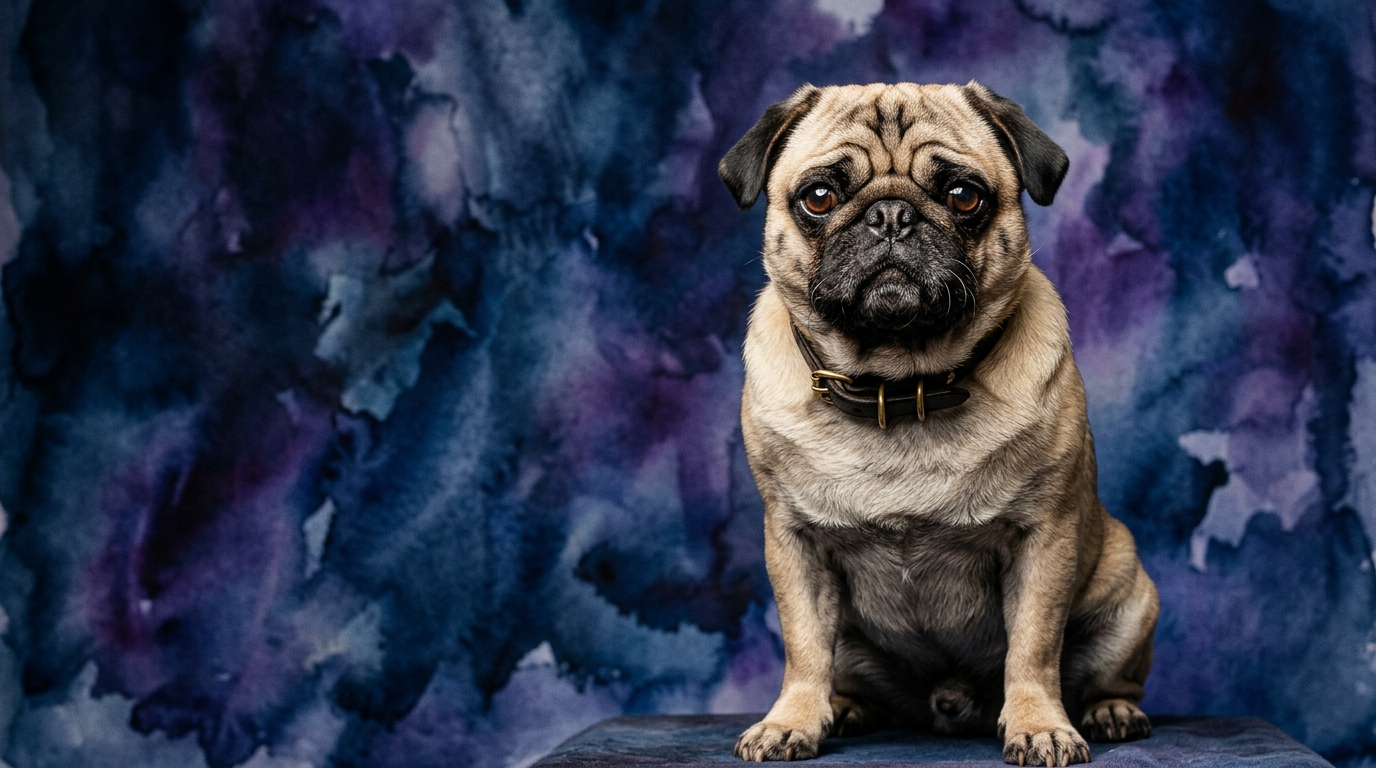
**Pug (Dog, Toy Group, Coren Rank #57)**: Problem Solving (2/5): Pugs generally don't excel at complex, independent problem-solving tasks. They often prefer to rely on their human companions to navigate challenges, making them less inclined to figure out intricate puzzles on their own. Training Speed (2/5): While eager to please their favored people, Pugs can exhibit a charming stubborn streak, meaning they may take longer to grasp and consistently perform new commands. Patience and consistent, positive reinforcement are key. Social Intelligence (5/5): This is the Pug's undisputed cognitive strength. They possess an exceptional ability to read human emotions, understand social cues, and form deep, intuitive bonds, making them highly responsive companions. Instinctive Drive (2/5): Their inherent drives, such as hunting or herding, are minimal. Pugs are primarily bred for companionship, focusing their energy on interaction rather than primal pursuits. Memory (3/5): Pugs demonstrate an average memory capacity, capable of recalling routines, familiar faces, and learned commands, though they might not retain long, complex sequences with ease.
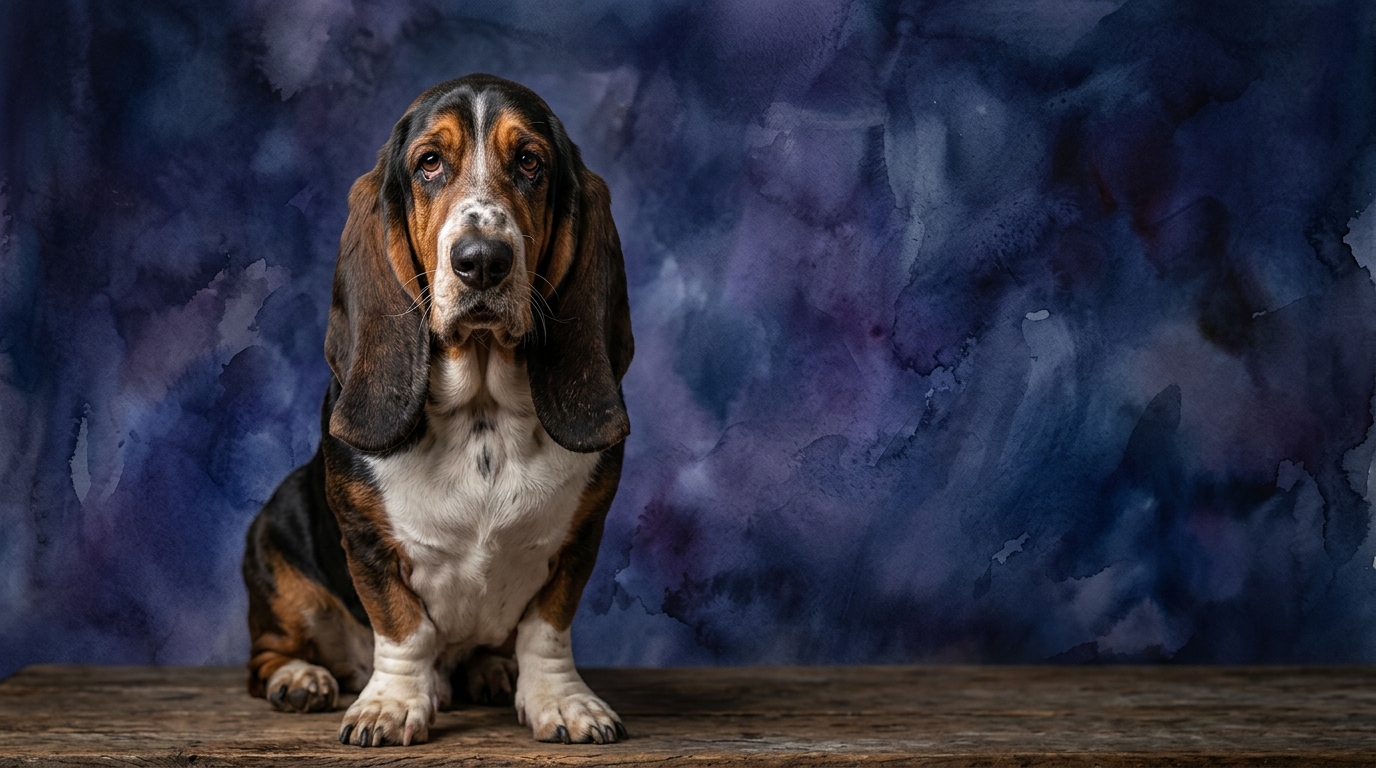
**Basset Hound (Dog, Hound Group, Coren Rank #71)**: Problem Solving (3/5): Basset Hounds display a moderate capacity for problem-solving, particularly when it involves scent work or navigating their environment using their powerful nose. Abstract or non-scent related challenges may hold less interest. Training Speed (3/5): While not the quickest learners, Basset Hounds can be trained effectively with consistent methods. Their independent nature and formidable scent drive can often distract them from human-directed tasks. Social Intelligence (3/5): Basset Hounds are affectionate and enjoy companionship but are generally less attuned to subtle human emotional shifts compared to Pugs. They exhibit a more independent social demeanor, sometimes preferring to follow a compelling scent trail over direct interaction. Instinctive Drive (3/5): Their instinctive drive is significant, centered almost entirely on their incredible sense of smell. This powerful drive to track scents is a defining characteristic, often overriding other motivations. Memory (3/5): Basset Hounds have an average memory, particularly adept at remembering scent trails and locations. They can recall commands and routines, though their independent streak might sometimes make it seem otherwise.
Where the Pug's Mind Shines Brightest
The Pug's cognitive strength is undeniably its remarkable social intelligence, rated a perfect 5/5 in our Pet IQ Lab. This isn't just about being friendly; it reflects an unparalleled ability to interpret human body language, vocal tones, and even subtle shifts in mood. A Pug is exceptionally adept at understanding what its human wants or feels, often anticipating needs before they are explicitly expressed. This profound social attunement means they excel in roles that require a strong emotional connection, such as therapy work, where their presence alone can offer immense comfort. Their very existence is intertwined with human interaction, making them masters of co-existence and emotional support, far surpassing the Basset Hound's 3/5 social intelligence rating.
The Basset Hound's Unique Cognitive Prowess
While the Pug excels in social nuance, the Basset Hound's cognitive landscape is dominated by its extraordinary olfactory capabilities and the persistence of its instinctive drive, rated 3/5 compared to the Pug's 2/5. This breed's problem-solving skills, also rated higher at 3/5 versus the Pug's 2/5, are intrinsically linked to its nose. A Basset Hound can meticulously follow a complex scent trail, piecing together an invisible puzzle of odors across varied terrains, a task that demands immense focus and a specific type of cognitive processing. This isn't about solving abstract puzzles, but rather about the sophisticated cognitive mapping and memory required to process and interpret a world primarily through smell, showcasing a specialized intelligence that is both ancient and profoundly effective.
Training Dynamics: Which Breed Learns with More Ease?
When considering ease of training, both breeds present distinct challenges, though the Basset Hound technically shows a slightly higher training speed at 3/5 compared to the Pug's 2/5. The Pug's lower training speed often stems from a charming stubbornness; they prefer to do things on their own terms, but their high social intelligence (5/5) means they are deeply motivated by human approval and positive interaction. An owner who makes training a fun, engaging game rooted in companionship will likely see consistent progress with a Pug. Conversely, the Basset Hound's slightly higher training speed is often overshadowed by its powerful instinctive drive (3/5) towards scent. While capable of learning, their independence and singular focus on an interesting smell can make them appear willfully disobedient. Training a Basset Hound demands exceptional patience, consistency, and often requires incorporating scent work to keep them engaged, redirecting their natural inclinations rather than fighting them. For general obedience in a home environment, an owner might find the Pug's desire to please a more tractable quality, despite its slower numerical speed, as their primary motivator aligns more directly with human goals. The Basset Hound, while capable, requires an owner who understands and respects its profound need to follow its nose, which often takes precedence over human commands.
Matching Paws to Lifestyles: Active vs. Relaxed Owners
The choice between a Pug and a Basset Hound hinges significantly on an owner's lifestyle and expectations for their canine companion's activity levels. For truly relaxed owners who cherish quiet companionship and gentle, shorter strolls, the Pug is an ideal match. Their low instinctive drive (2/5) means they are perfectly content with a cozy spot on the couch, thriving on close physical proximity and minimal strenuous exercise. Their high social intelligence (5/5) ensures they are always attuned to their human, making them excellent companions for sedentary activities like reading or watching movies. The Basset Hound, while often appearing laid-back, demands a different kind of 'relaxed' owner. Their moderate instinctive drive (3/5) is almost entirely dedicated to scent exploration. They aren't built for marathons, but they absolutely require consistent opportunities for long, meandering 'sniff walks' where they can engage their powerful nose and follow compelling scent trails. This isn't high-intensity activity, but it's mentally stimulating and physically necessary for their well-being. Therefore, a Basset Hound suits an owner who is relaxed in pace but willing to commit to regular, dedicated scent-based outings, understanding that their dog's mental and physical fulfillment comes from following its nose, not necessarily from vigorous play.
The Verdict
Choose a Pug if you prioritize an exceptionally socially attuned companion who thrives on close interaction and requires minimal strenuous physical activity.
Opt for a Basset Hound if you appreciate an independent spirit, are prepared for a dog whose world revolves around scent, and enjoy engaging in leisurely, nose-driven explorations.
🧠 Find Your Pet's IQ Score
Our Pet IQ Lab assessment covers 25+ tests across 5 cognitive dimensions — personalized to your breed.
Take the Full IQ Test →Frequently Asked Questions
Are Pugs good at learning tricks, given their problem-solving and training speed ratings?
Pugs can certainly learn tricks, especially those involving social interaction or simple sequences, largely due to their high social intelligence and desire to engage with their owners. While their problem-solving and training speed are moderate, consistent positive reinforcement and making the process fun will yield results, as they enjoy the attention and connection.
Do Basset Hounds require a lot of physical exercise to stay content?
Basset Hounds don't need high-intensity physical exercise like some working breeds, but they do require regular, moderate activity, primarily focused on scent exploration. Long, leisurely walks where they can follow their nose are crucial for their mental stimulation and physical well-being, satisfying their innate instinctive drive.
Which of these two breeds tends to be more independent in their personality?
The Basset Hound generally exhibits a more independent personality compared to the Pug. While affectionate, their strong instinctive drive to follow scents often makes them less focused on human direction and more prone to pursuing their own interests, contrasting sharply with the Pug's constant desire for human companionship and social interaction.