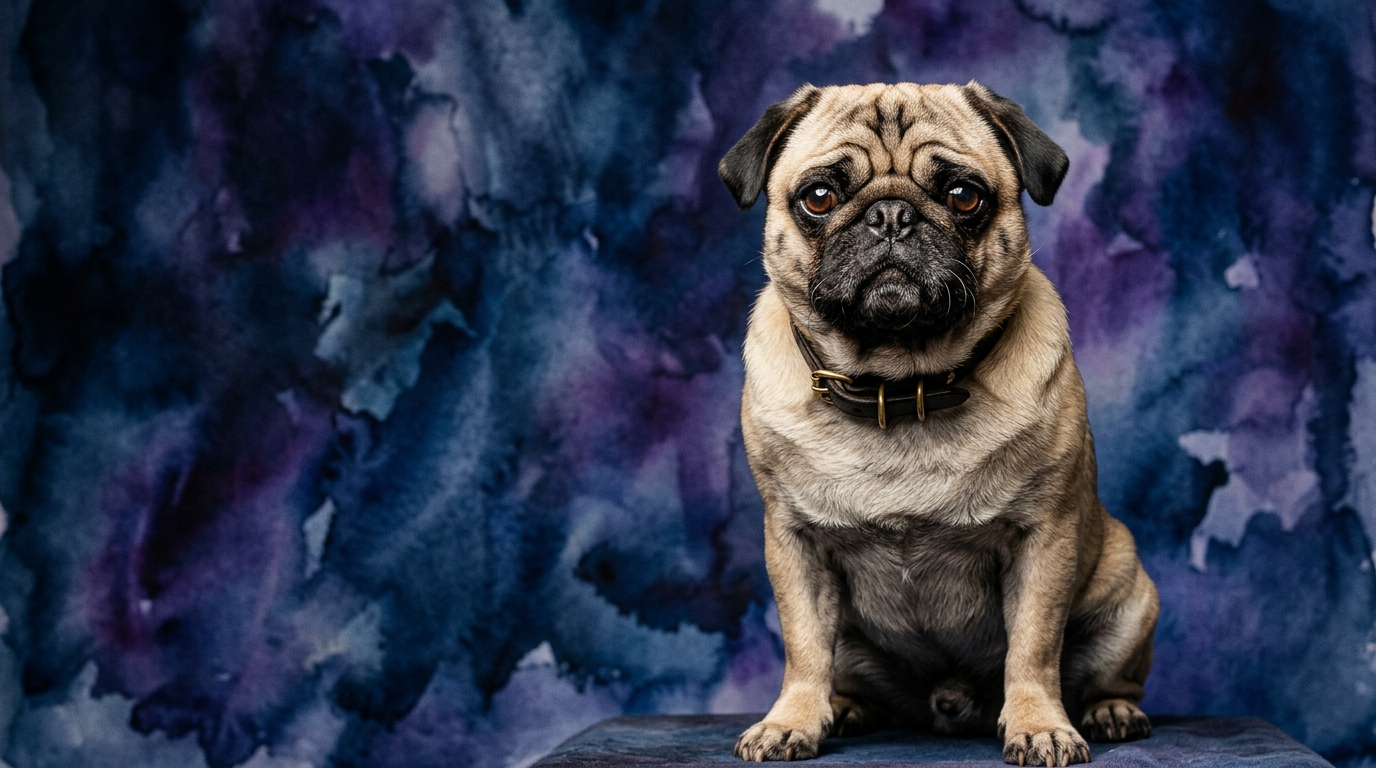
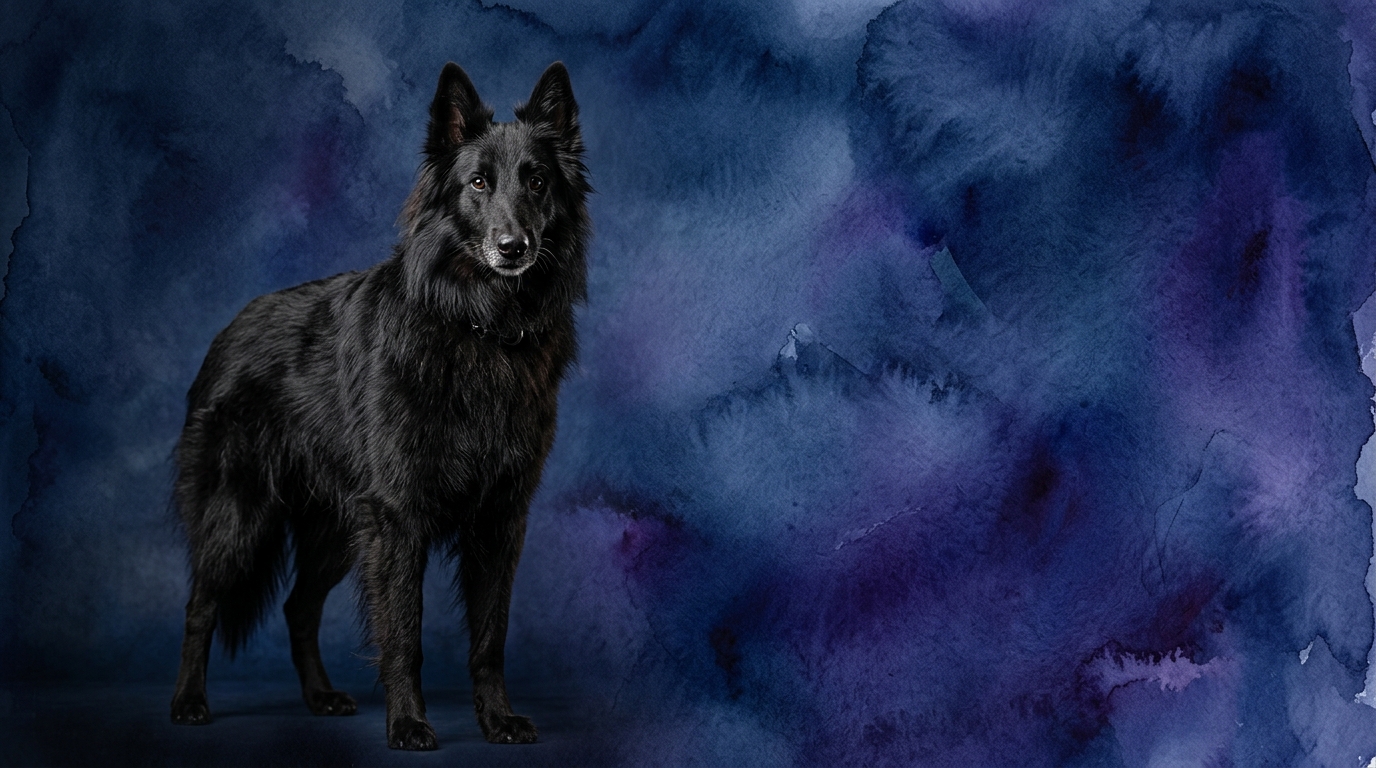
Side-by-Side IQ Profile: Pug vs. Belgian Sheepdog (Groenendael)
The delightful Pug, a Toy breed with a Coren rank of #57, demonstrates a unique cognitive profile centered around companionship and emotional connection. Their problem-solving ability scores a 2/5, indicating they may not independently strategize complex solutions to environmental challenges but often rely on their human partners to navigate difficulties. Training speed also rates 2/5; while Pugs are certainly capable of learning commands, they often require patient, consistent, and highly motivating methods, sometimes preferring to charm their way out of a task rather than complying instantly. Where they truly shine is social intelligence, scoring a perfect 5/5; Pugs are masters at reading human emotions, sensing moods, and integrating seamlessly into family dynamics as empathetic, comforting companions. Their instinctive drive is low at 2/5, with little inclination for tasks like herding, guarding, or retrieving; their primary drive is for comfort, connection, and being an integral part of their human's life. Memory is adequate at 3/5, sufficient for remembering routines, familiar people, and basic commands, though not for intricate, multi-step sequences or long-term recall without regular reinforcement.
Standing at Coren rank #15, the Belgian Sheepdog (Groenendael) is a Herding breed whose intelligence is geared towards work, performance, and purposeful activity. Their problem-solving ability is exceptional at 5/5; these dogs can quickly analyze novel situations, devise strategies to overcome obstacles, and effectively navigate complex challenges, whether in competitive sports, search and rescue, or practical tasks. Training speed is equally impressive at 5/5, as Groenendaels are eager learners who grasp new commands and complex routines with remarkable rapidity and few repetitions, thriving on mental engagement and clear direction. Social intelligence scores 3/5; while deeply bonded and protective of their family, they can be more reserved or watchful with strangers, their social focus primarily on their immediate circle and handler, requiring careful socialization. An instinctive drive of 3/5 reflects their moderate to strong inclination for purposeful activities, protection, and herding, requiring consistent outlets for these inherent behaviors through training and structured play. Their memory is outstanding at 5/5, enabling them to retain intricate learned behaviors, complex sequences of commands, and past experiences with long-term reliability, making them highly dependable partners.
Where the Pug Wins Cognitively
The Pug's undisputed cognitive strength lies in its profound social intelligence, scoring a perfect 5/5. This isn't merely a general friendliness, but a sophisticated capacity to understand and respond to human emotions and subtle social cues. Pugs excel at forming deep, empathetic bonds, often sensing when their human needs comfort or a quiet, reassuring presence. They are adept at navigating household dynamics, understanding routines, and using their charming demeanor to solicit attention or affection, often appearing to 'know' exactly what their human needs. Their ability to integrate seamlessly into a human family as a dedicated, emotionally attuned companion is a remarkable cognitive achievement, making them unparalleled masters of canine companionship and emotional support within a domestic setting. They instinctively know how to be present, comforting, and engaging without requiring complex instructions or training.
Where the Belgian Sheepdog (Groenendael) Wins Cognitively
The Belgian Sheepdog (Groenendael) dominates in areas of problem-solving, training speed, and memory, each scoring a 5/5. Their cognitive prowess allows them to process information quickly, learn new commands and complex sequences with minimal repetition, and retain this knowledge over extended periods, making them highly reliable. This breed possesses an exceptional ability to strategize and adapt to novel situations, demonstrating independent thought in tasks requiring precision and execution, such as navigating intricate agility courses, performing advanced obedience routines, or excelling in scent work and protection roles. Their mental agility and inherent drive to work mean they not only learn quickly but actively seek out mental challenges, thriving on opportunities to apply their intelligence and making them highly capable partners for demanding tasks and competitive canine sports.
Which is Easier to Train and Why
When considering ease of training, the Belgian Sheepdog (Groenendael) generally presents a more straightforward and rewarding experience for owners seeking a responsive, compliant, and enthusiastic partner. Their high training speed and exceptional problem-solving abilities mean they quickly grasp new concepts, eagerly engage in learning sessions, and demonstrate a keen desire to work alongside their handler, often requiring fewer repetitions to solidify commands. They thrive on structure, consistency, and the mental stimulation that comes with training, often viewing it as a collaborative challenge. In contrast, the Pug, with a lower training speed of 2/5, can be more challenging to motivate and direct. While certainly trainable, their independent streak, occasional distractibility, and tendency to prioritize comfort or social interaction over immediate compliance mean training requires greater patience, creative motivation (often treat-based or play-based), and a consistent, positive approach. Their strong social intelligence might lead them to 'negotiate' for attention rather than simply obeying, making clear communication and established routines crucial for success.
Which Suits Active Owners vs. Relaxed Owners
The distinction between these two breeds in terms of owner lifestyle suitability is pronounced and critical for a harmonious match. The Belgian Sheepdog (Groenendael) is the quintessential choice for active owners who are prepared to dedicate significant time and energy to their dog's extensive physical and mental needs. These dogs require substantial daily exercise, including vigorous walks, runs, or engaging in canine sports like agility, competitive obedience, or protection work. Their high drive and cognitive capacity mean they also demand consistent mental stimulation through training, puzzles, or purposeful 'jobs' to prevent boredom and potential destructive behaviors. Conversely, the Pug is an ideal match for more relaxed owners. While they enjoy short, leisurely walks and supervised outdoor time, their overall exercise requirements are modest. They are largely content with indoor activities, ample cuddle time on the couch, and being a constant, charming presence beside their human companions. Their primary need is for social interaction and comfort, making them perfectly suited to a calmer, less physically demanding lifestyle.
The Verdict
Choose the Pug if you prioritize an affectionate, emotionally intelligent companion who thrives on close human connection and is content with a relaxed, less physically demanding lifestyle.
Choose the Belgian Sheepdog (Groenendael) if you seek a highly trainable, driven partner for advanced activities, capable of complex learning, and you are prepared to provide significant mental and physical engagement.
🧠 Find Your Pet's IQ Score
Our Pet IQ Lab assessment covers 25+ tests across 5 cognitive dimensions — personalized to your breed.
Take the Full IQ Test →Frequently Asked Questions
Do Pugs understand human emotions better than Belgian Sheepdogs?
Pugs, with their 5/5 social intelligence, are highly attuned to human emotions and social cues, often sensing moods and providing comfort instinctively. While Belgian Sheepdogs form deep bonds, their social intelligence is more focused on their immediate family, making Pugs generally more adept at generalized emotional sensing.
Can a Belgian Sheepdog be a good family pet despite its working drive?
Yes, a Belgian Sheepdog can be an excellent family pet, particularly for active families who understand and can meet its needs for mental and physical stimulation. They are loyal and protective of their family but require consistent training and socialization to channel their working drive positively. Without adequate engagement, their intelligence and energy can lead to unwanted behaviors.
How much exercise does a Pug really need compared to a Belgian Sheepdog?
A Pug requires relatively modest exercise, typically satisfied with a couple of short walks daily and indoor playtime, making them suitable for apartment living. A Belgian Sheepdog, in stark contrast, needs extensive daily exercise, often including vigorous activities, structured training, and mental challenges to thrive and remain well-behaved.