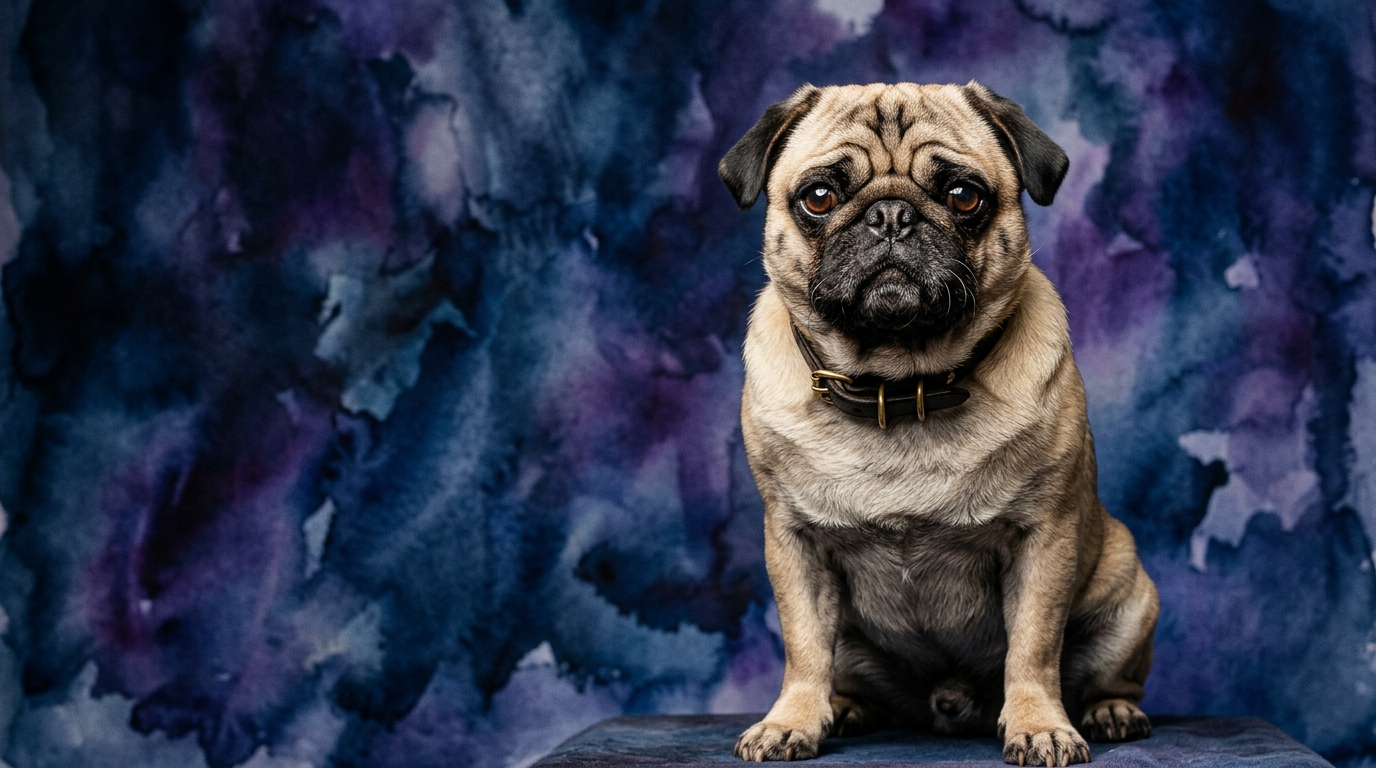
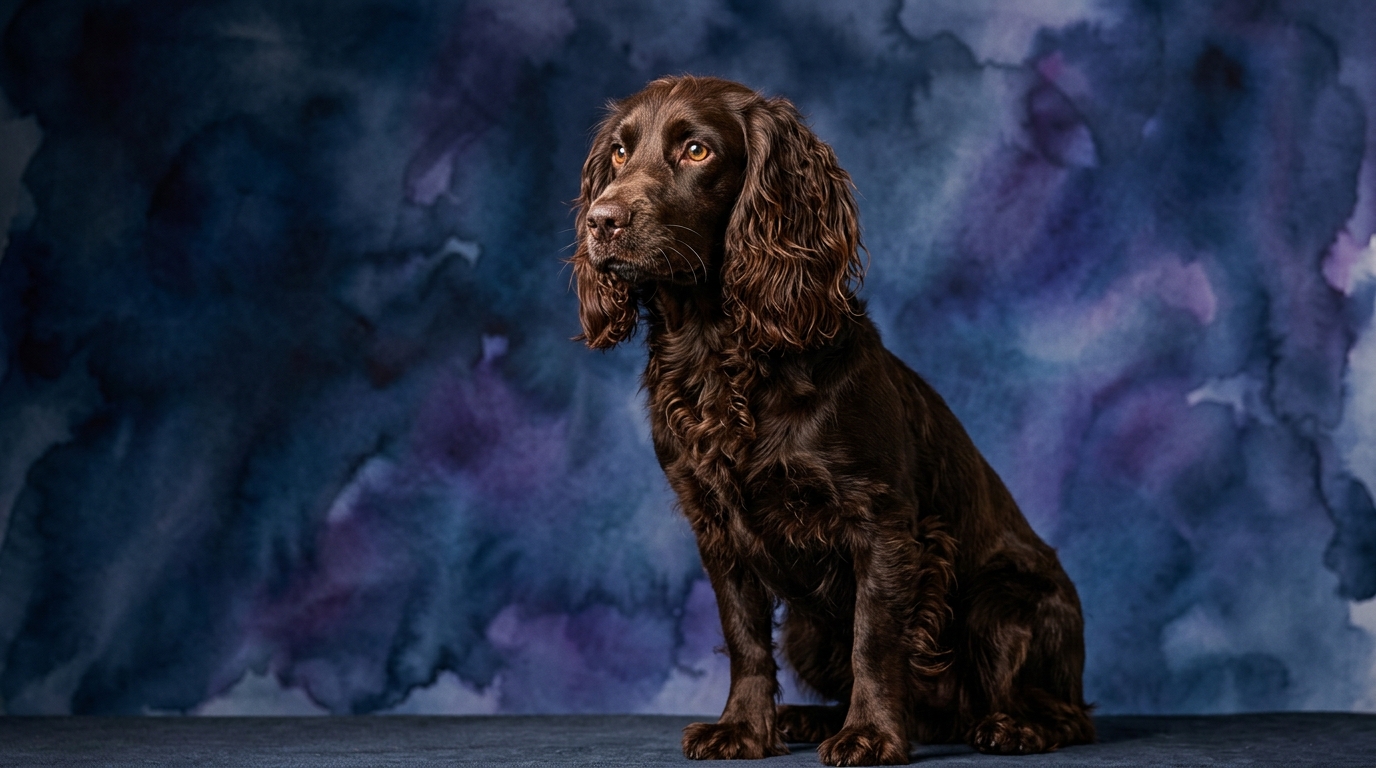
Side-by-Side IQ Profile
The Cosmic Pet IQ Lab assesses canine intelligence across five crucial dimensions, offering a granular view of each breed's cognitive strengths. For the Pug, a beloved Toy breed, their profile reveals a unique set of aptitudes. Their Problem Solving score is 2/5, indicating a tendency to rely on human intervention rather than independent strategizing when faced with novel challenges. Training Speed stands at 2/5, suggesting that consistent, patient repetition is key to ingraining new commands. However, the Pug shines brightly in Social Intelligence, scoring a perfect 5/5, reflecting an exceptional ability to read and respond to human cues and emotions. Their Instinctive Drive is 2/5, meaning they possess a low inherent urge for tasks like hunting or retrieving, preferring a more relaxed existence. Finally, their Memory is rated at 3/5, signifying an average capacity for retaining routines and learned information.
In contrast, the Boykin Spaniel, a dedicated Sporting breed, presents a different cognitive landscape, though not listed in Coren's traditional rankings. Their Problem Solving ability is rated 3/5, demonstrating a moderate capacity for independent thought and figuring out practical dilemmas. Training Speed also sits at 3/5, indicating a steady, agreeable pace of learning when provided with clear direction. Their Social Intelligence is 3/5, suggesting they are affable and responsive, but perhaps less intensely focused on nuanced human emotional states than a Pug. A score of 3/5 for Instinctive Drive highlights their moderate inherent motivation for working, retrieving, and engaging with their environment. Like the Pug, their Memory is 3/5, denoting an average ability to recall commands and experiences. This side-by-side view immediately reveals distinct intellectual leanings, shaped by their historical roles and companionship styles.
Where the Pug Wins Cognitively
The Pug's undisputed cognitive triumph lies in its extraordinary Social Intelligence, achieving a remarkable 5/5. This isn't merely about being friendly; it signifies a profound capacity to observe, interpret, and respond to human emotional states and subtle non-verbal cues. A Pug often seems to anticipate an owner's mood, offering comfort or seeking interaction precisely when it's most needed. Their world revolves around their human companions, and their cognitive architecture is optimized for this intense bond. This high social acumen means they are adept at leveraging human attention and affection, often “training” their owners through endearing looks or specific vocalizations to get what they want. While their Problem Solving (2/5) might be lower for object-based tasks, their social problem-solving – how to effectively communicate with their human – is exceptionally refined. Their average Memory (3/5) supports this by allowing them to recall specific interactions and preferences, further strengthening their unique, deeply intuitive connection with their people. This makes them masters of companionship, understanding the intricate dance of human-canine cohabitation on a uniquely emotional level.
Where the Boykin Spaniel Wins Cognitively
The Boykin Spaniel's cognitive strengths distinctly align with its heritage as a working Sporting dog, showcasing a more practical and task-oriented intelligence. Their Problem Solving score of 3/5 reflects a capable mind that can independently navigate moderate challenges, such as figuring out how to retrieve a toy stuck under furniture or learning the sequence for a simple agility course. This is a step above the Pug's typical reliance on human assistance. Their Training Speed, also at 3/5, indicates a steady and effective learning curve, allowing them to grasp and execute new commands with reasonable consistency. This aptitude for learning is significantly bolstered by their Instinctive Drive (3/5), which provides an inherent motivation for engaging in activities that involve searching, retrieving, or following directions. Unlike the Pug, who might need external motivators, a Boykin often finds the work itself rewarding. This moderate drive means they possess a natural eagerness to participate in structured activities, making them responsive partners in training and field work. Their 3/5 Memory score ensures that these learned tasks and sequences are retained effectively, building a robust repertoire of skills for various engagements.
Which is Easier to Train and Why
When evaluating ease of training, the Boykin Spaniel generally presents a more straightforward experience due to its higher Training Speed (3/5) and moderate Instinctive Drive (3/5). These factors mean Boykins often approach training sessions with an eager-to-please attitude, finding satisfaction in the process itself, especially if it involves retrieving or problem-solving tasks. They tend to pick up new commands at a steady pace and are often motivated by the opportunity to work alongside their human. Their sporting background has instilled a natural inclination to follow direction and engage in purposeful activities.
The Pug, with its Training Speed of 2/5 and Instinctive Drive of 2/5, requires a different approach and a greater degree of patience. Pugs are not inherently driven by a desire to perform tasks or retrieve objects; their primary motivation is often social interaction and comfort. While they are certainly trainable, it typically takes more repetitions and creative methods to solidify commands. Owners might find that positive reinforcement, particularly food-based rewards or lavish praise, is crucial for maintaining a Pug's attention and cooperation. Their strong Social Intelligence (5/5) means they respond well to a trainer who builds a strong, trusting relationship, but their lower scores in other cognitive areas mean the path to a well-trained Pug can be longer and more nuanced than with a Boykin Spaniel.
Which Suits Active Owners vs. Relaxed Owners
Understanding the cognitive profiles provides clear guidance for matching these breeds with owner lifestyles. The Pug, with its exceptional Social Intelligence (5/5) and lower scores in Problem Solving (2/5) and Instinctive Drive (2/5), is an ideal companion for relaxed owners who prioritize intimate emotional connection over strenuous activity. Pugs thrive in environments where they can be central to family life, offering constant companionship and engaging in gentle, indoor interactions. Their happiness stems from being physically close to their humans and receiving affection, rather than from complex mental challenges or long outdoor excursions. They are content with short walks and prefer a cozy spot on the couch to a demanding field trip, making them perfect for individuals or families seeking a low-maintenance, deeply affectionate presence.
Conversely, the Boykin Spaniel is a natural fit for active owners who enjoy engaging their dogs in various mental and physical pursuits. Their moderate Problem Solving (3/5) and Instinctive Drive (3/5), coupled with a respectable Training Speed (3/5), mean they require regular opportunities to apply their intelligence and energy. Boykins excel in activities like retrieving games, scent work, or obedience training, which tap into their inherent desire to work and learn. They are happiest when they have a job to do or a puzzle to solve, and they thrive on outdoor adventures such as hiking, swimming, or accompanying their owners on runs. Owners who can provide consistent mental stimulation and ample physical exercise will find the Boykin Spaniel to be an enthusiastic, capable, and rewarding partner.
The Verdict
For those prioritizing a deep emotional bond and a canine companion highly attuned to human moods, the Pug offers unparalleled social connection in a relaxed, low-activity package.
The Boykin Spaniel is the choice for owners seeking an engaged, trainable partner for outdoor activities and structured learning, valuing a dog's inherent drive to work and solve practical challenges.
🧠 Find Your Pet's IQ Score
Our Pet IQ Lab assessment covers 25+ tests across 5 cognitive dimensions — personalized to your breed.
Take the Full IQ Test →Frequently Asked Questions
Does Coren ranking apply to Boykin Spaniels?
No, the Boykin Spaniel is not included in Stanley Coren's "The Intelligence of Dogs" ranking, which primarily focused on obedience and working intelligence. This doesn't mean they lack intelligence, but their specific cognitive strengths might not align with Coren's primary metrics.
Are Pugs difficult to train because of their IQ scores?
While Pugs have a lower training speed score (2/5), "difficult" is too strong; they require more patience and consistency. Their strong social intelligence means they respond well to positive reinforcement and bond-based training, even if it takes more repetitions.
Can a Boykin Spaniel be a good companion dog despite its sporting background?
Absolutely. While Boykin Spaniels possess a moderate instinctive drive, they are also social (3/5) and enjoy being part of the family. Provided their needs for mental and physical activity are met, they make loyal and affectionate companion dogs.